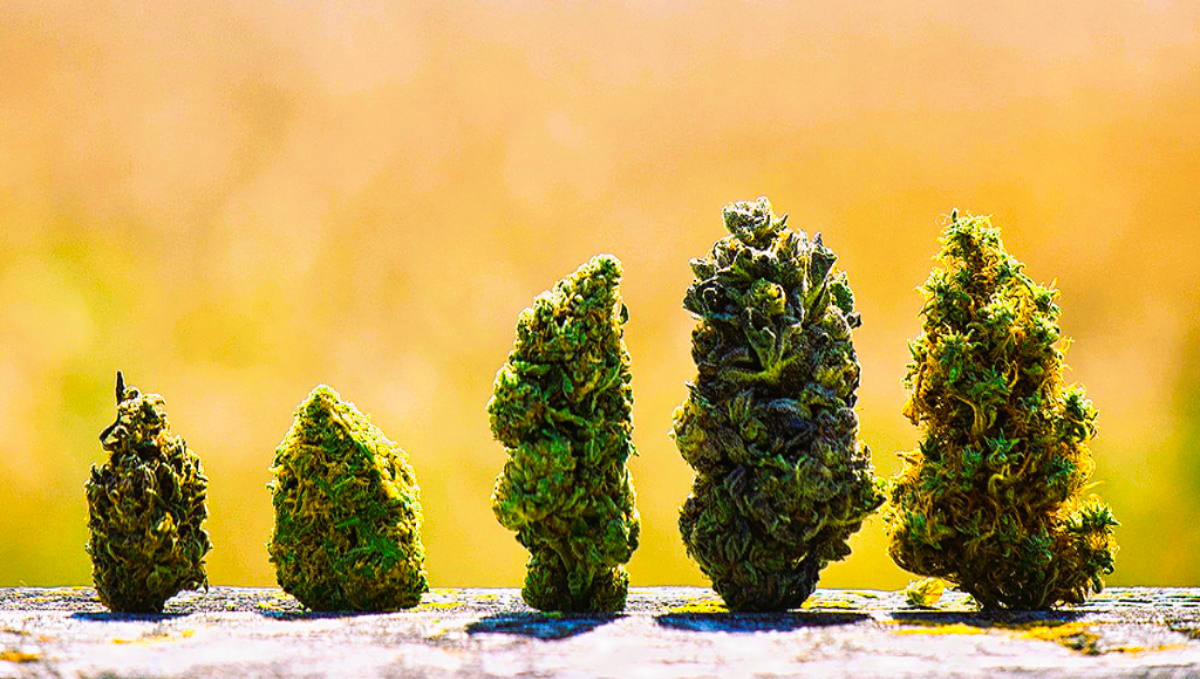
Improving Bud Quality for Medical Purposes
Cannabis cultivation, particularly for medical purposes, requires meticulous attention to detail. The quality of the buds directly impacts their therapeutic efficacy. This comprehensive guide delves into various aspects of cultivation, from selecting the right strains to harvesting and curing, ensuring that the final product meets the highest medical standards.
Selecting the Right Strains
Selecting the right cannabis strains is foundational for cultivating high-quality buds with the desired medicinal properties. This process involves understanding the genetics, chemical profiles, and specific therapeutic benefits of various strains. We’ll go over important factors to think about in this article while selecting the best strains for medical use.
Understanding Strain Genetics
The growth properties, terpene and cannabinoid profiles, and overall medicinal effects of a cannabis strain are determined by its genetic composition. Hybrids, Sativa, and Indica strains of cannabis are the three main groups into which strains fall. Each category has distinct attributes that cater to different medical needs.
Indica Strains
Indica strains are known for their relaxing and sedative effects, making them ideal for patients suffering from chronic pain, insomnia, and anxiety. These strains typically have higher CBD content relative to THC. Popular Indica strains include:
- Northern Lights: Known for its potent analgesic and anti-inflammatory properties, making it ideal for pain relief and muscle relaxation.
- Granddaddy Purple: Effective for managing pain, stress, and insomnia, with a sweet, grape-like flavor.
-
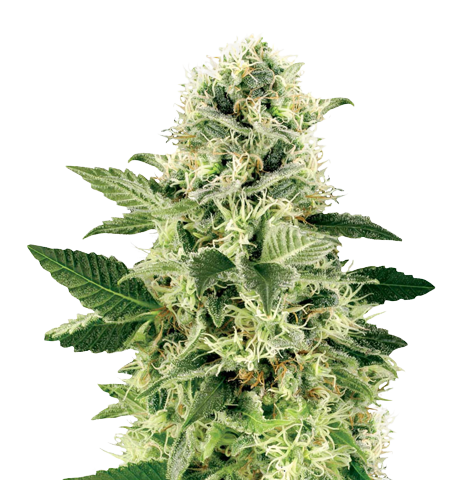 Northern Lights Cannabis SeedsFrom: $24.99
 -
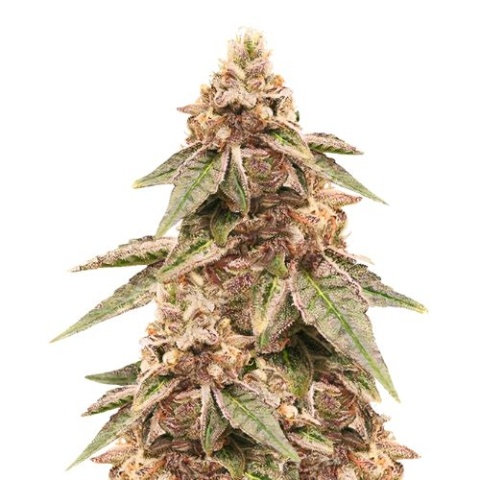 Granddaddy Purple Cannabis SeedsFrom: $24.99
Sativa Strains
Sativa strains are great for daytime use because of their stimulating and uplifted qualities. They are beneficial for patients dealing with depression, fatigue, and mood disorders. Sativas generally have higher THC content. Notable Sativa strains include:
- Jack Herer: A balanced strain that provides clear-headed euphoria and creativity, useful for depression and chronic fatigue.
- Sour Diesel: Known for its fast-acting, energizing effects, making it effective for stress and pain relief.
-
 Sour Diesel Cannabis SeedsFrom: $24.99
 -
 Jack Herer Cannabis SeedsFrom: $24.99
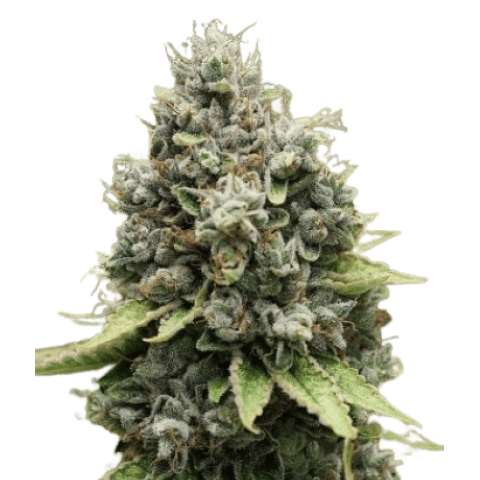
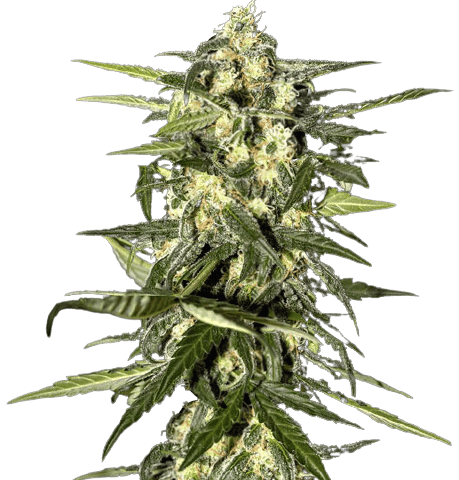
Hybrid Strains
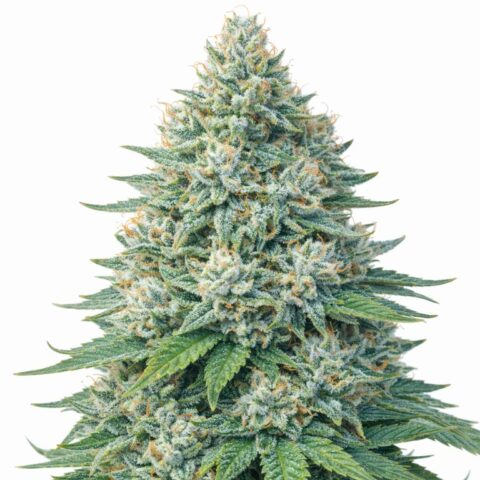
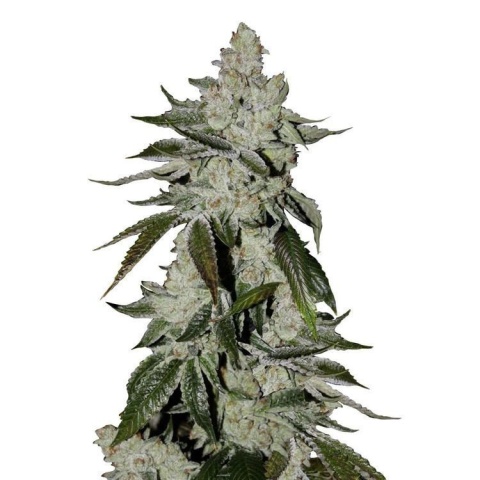
Hybrids are crossbreeds of Indica and Sativa strains, combining the best qualities of both. They can be tailored to specific medical conditions based on their Indica-Sativa ratio. Examples of popular hybrid strains include:
- Blue Dream: A balanced hybrid that provides full-body relaxation with gentle cerebral stimulation, suitable for pain relief, depression, and nausea.
- Girl Scout Cookies: Known for its potent euphoric effects and pain relief, effective for treating chronic pain, nausea, and appetite loss.
-
Blue Dream Cannabis SeedsFrom: $24.99
-
Girl Scout Cookies Cannabis SeedsFrom: $24.99
Cannabinoid Profiles
The active ingredients in cannabis that work with the body’s endocannabinoid system are called cannabinoids. Although THC (tetrahydrocannabinol) and CBD (cannabidiol) are the two most well-known cannabinoids, other cannabinoids with medical benefits include CBG (cannabigerol) and CBN (cannabinol).
CBD-Rich Strains
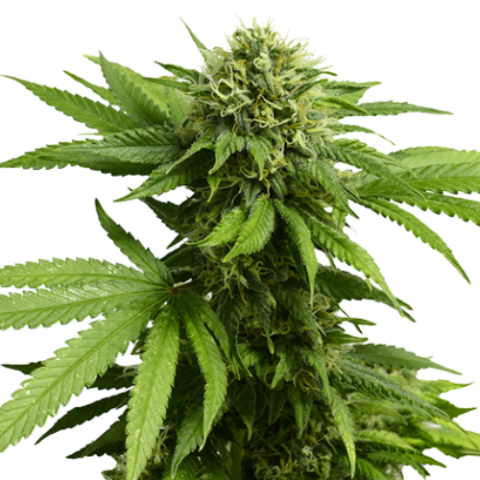
CBD is non-psychoactive and known for its anti-inflammatory, analgesic, and anti-anxiety properties. Strains high in CBD are ideal for patients who need therapeutic benefits without the psychoactive effects of THC. Examples include:
- Charlotte’s Web: Developed specifically for its high CBD content, it’s effective for seizures, pain, and anxiety.
- ACDC: Contains a high CBD to THC ratio, making it suitable for patients requiring relief from pain, anxiety, and epilepsy.
-
CBD ACDC Cannabis SeedsFrom: $24.99
THC-Rich Strains
THC is the psychoactive component of cannabis, providing euphoria and pain relief. Strains high in THC are suitable for patients needing strong pain management, appetite stimulation, and muscle spasm relief. Examples include:
- OG Kush: Known for its potent pain relief and mood-enhancing properties, making it effective for stress, pain, and depression.
- Green Crack: Offers an energizing high, useful for combating fatigue and depression.
-
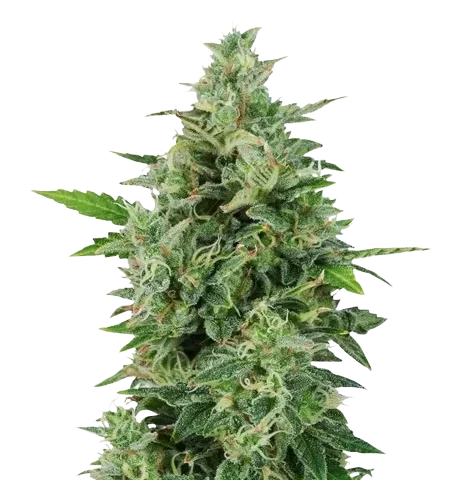
 OG Kush Cannabis SeedsFrom: $24.99
Terpene Profiles
Aromatic substances called terpenes are present in cannabis and add to both its flavor and medicinal qualities. Understanding terpene profiles can help select strains tailored to specific medical needs.
Common Terpenes and Their Benefits
- Myrcene: Found in Indica strains, it has sedative and muscle-relaxing properties, beneficial for pain and insomnia.
- Limonene: Present in Sativa strains, it has mood-elevating and anti-anxiety effects.
- Caryophyllene: Known for its anti-inflammatory and analgesic properties, useful for chronic pain and inflammation.
- Linalool: Offers calming and anti-anxiety effects, found in strains like Lavender.
Clones vs. Seeds
Choosing between clones and seeds is an important decision that affects the consistency and quality of the crop.
Clones
Clones are cuttings taken from a mother plant and grown into new plants. The primary advantage of using clones is genetic consistency, ensuring that each plant exhibits the same growth characteristics, cannabinoid profile, and yield. This is crucial for medical cannabis, where consistency in the product’s therapeutic effects is essential.
Seeds
Starting from seeds can introduce genetic diversity and vigor, potentially leading to stronger and more resilient plants. However, seeds can produce male plants, which do not produce buds and can pollinate female plants, leading to seedy buds. Using feminized seeds, which are bred to produce only female plants, can mitigate this risk.
Landrace Strains
Landrace strains are original, pure strains of cannabis that have adapted to specific geographical regions. These strains are valuable for their stable genetics and unique cannabinoid and terpene profiles. Examples include:
- Afghani: An Indica landrace strain known for its potent sedative effects, making it ideal for pain and insomnia.
- Durban Poison: A Sativa landrace strain from South Africa, renowned for its energizing and uplifting effects, suitable for depression and fatigue.
-
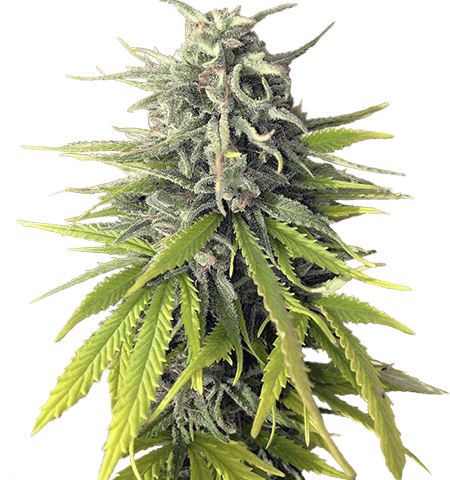
 Durban Poison Cannabis SeedsFrom: $24.99
Patient-Specific Strain Selection
Choosing the right strain also involves considering the specific medical needs and conditions of the patient. Different conditions may require different cannabinoid and terpene profiles. Here are some examples:
Chronic Pain
Patients with chronic pain may benefit from strains high in both THC and CBD, as both cannabinoids have analgesic properties. Strains like Blue Dream and OG Kush are effective for pain relief.
Anxiety and PTSD
For anxiety and PTSD, strains with higher CBD content and calming terpenes like linalool and myrcene are beneficial. Strains such as ACDC and Harlequin are good choices.
Epilepsy
CBD-rich strains are particularly effective for managing epilepsy and seizure disorders. Charlotte’s Web and Ringo’s Gift are well-known for their anti-epileptic properties.
Appetite Stimulation
Patients needing appetite stimulation may benefit from THC-rich strains like Pineapple Express and Green Crack, known for their appetite-enhancing effects.
Optimizing Growing Conditions
Optimizing growing conditions is crucial for producing high-quality cannabis buds with the desired medicinal properties. This involves carefully managing light, temperature, humidity, soil, nutrients, and watering practices to create an environment where cannabis plants can thrive. Here’s a detailed guide on how to optimize each of these factors for medical cannabis cultivation.
Light
Light is one of the most critical factors influencing cannabis growth and bud quality. Proper lighting ensures healthy photosynthesis, vigorous growth, and high cannabinoid production.
Types of Lighting
- High-Intensity Discharge (HID) Lights: HID lights, including Metal Halide (MH) and High-Pressure Sodium (HPS) lamps, are popular for indoor cannabis cultivation. Because of their red spectrum, HPS lights are most suited for the flowering period, whilst MH lights are best suited for the vegetative stage. But HID lights produce a lot of heat, thus ventilation is necessary.
- Light Emitting Diode (LED) Lights: LED lights are energy-efficient, produce less heat, and have customizable spectra. They are suitable for both vegetative and flowering stages. Modern LED lights can match or exceed the performance of HID lights, making them a popular choice for indoor growers.
- Fluorescent Lights: T5 and Compact Fluorescent Lights (CFLs) are suitable for seedlings and clones due to their gentle light. However, they are less effective for mature plants and flowering stages.
- Natural Sunlight: Outdoor cultivation relies on natural sunlight, which provides a full spectrum of light. For best growth, plants need to be exposed to direct sunshine for at least 6 to 8 hours each day.
Light Schedules
- Vegetative Stage: During the vegetative stage, cannabis plants need 18 to 24 hours of light every day to support rapid growth.
- Flowering Stage: To induce flowering, reduce the light cycle to 12 hours of light and 12 hours of darkness. This change in light cycle mimics the natural shift from summer to autumn.
Temperature and Humidity
Maintaining the right temperature and humidity levels is essential for healthy cannabis growth and preventing mold and pest issues.
Temperature
- Vegetative Stage: Keep the temperature between 70-85°F (20-30°C) during the day and slightly cooler at night.
- Flowering Stage: To promote bud development and resin production, drop the temperature a little bit during the flowering stage to 65–80°F (18–27°C).
- Nighttime Temperature: A 10-15°F (5-8°C) drop in temperature at night is beneficial for robust growth and mimics natural conditions.
Humidity
- Vegetative Stage: Maintain humidity levels between 40-70%. Young plants prefer higher humidity to support transpiration and nutrient uptake.
- Flowering Stage: Lower humidity to 40-50% during the flowering stage to prevent mold and mildew. Decreasing humidity also encourages resin production.
- Late Flowering: In the final weeks of flowering, reduce humidity to 30-40% to further enhance resin and terpene production.
Soil and Nutrients
The choice of growing medium and nutrient management significantly impacts plant health and bud quality.
Soil
- High-Quality Soil: Use well-draining, organic soil rich in essential nutrients. Soil should be light and airy to promote healthy root development.
- pH Level: Keep the pH of the soil between 6.0 and 7.0. If necessary, make adjustments to the pH of the soil to avoid nutrient lockout.
Nutrients
- Vegetative Stage: During the vegetative stage, cannabis requires higher levels of nitrogen (N) to support leaf and stem growth. Use a balanced nutrient mix with a higher N content.
- Flowering Stage: In the flowering stage, switch to a phosphorus (P) and potassium (K) rich fertilizer. These nutrients support bud development and resin production. Avoid excessive nitrogen during flowering as it can inhibit bud growth.
- Micronutrients: Ensure the plants receive essential micronutrients like calcium, magnesium, and sulfur. Deficiencies can lead to poor growth and reduced bud quality.
- Organic Nutrients: Consider using organic fertilizers and amendments, such as compost, worm castings, and bat guano, to provide a slow-release nutrient source and improve soil health.
Watering
Proper watering practices are essential to prevent root rot, nutrient deficiencies, and other growth issues.
Watering Frequency
- Seedlings: Keep the soil consistently moist but not waterlogged. Seedlings have delicate roots that are prone to damage from overwatering.
- Vegetative Stage: Water when the top inch of soil feels dry. Overwatering can cause root rot by suffocating the roots.
- Flowering Stage: Reduce watering frequency slightly to promote resin production and prevent mold. Allow the soil to dry out more between watering sessions.
Water Quality
- pH: Use water with a pH between 6.0 and 7.0. Adjust the pH of your water using pH up or down solutions if necessary.
- Purity: Use filtered or distilled water to avoid contaminants like chlorine and heavy metals. These substances can negatively affect plant health and bud quality.
Air Circulation and Ventilation
Proper air circulation and ventilation are crucial for maintaining a healthy growing environment and preventing mold and pest infestations.
Air Circulation
- Fans: Use oscillating fans to promote air movement within the grow space. In addition to preventing hotspots, this strengthens plant stems.
- Canopy Management: Regularly prune and train plants to ensure good airflow through the canopy. This lowers the possibility of mildew and mold.
Ventilation
- Exhaust Systems: Install an exhaust fan to remove hot, stale air from the grow room. This helps control temperature and humidity levels.
- Intake Systems: Use an intake fan or passive intake vents to bring fresh air into the grow room. Fresh air provides CO2, which is essential for photosynthesis.
- Carbon Filters: Consider using carbon filters on exhaust systems to control odors and prevent the release of cannabis aromas outside the grow space.
Advanced Growing Techniques
Implementing advanced growing techniques can significantly enhance the quality and yield of cannabis buds. These techniques involve manipulating the plant’s growth patterns and environment to optimize light exposure, nutrient uptake, and overall health. Here, we will explore several advanced techniques that can help produce superior medical cannabis.
Training Methods
Training techniques are used to control the shape and size of cannabis plants, ensuring even light distribution and maximizing bud sites.
Low-Stress Training (LST)
To establish a flat, even canopy, LST calls for carefully bending and tying down branches. This method increases light penetration to lower bud sites and improves overall yield.
- How to Perform LST:
- Begin when plants have developed a few sets of leaves.
- Use soft plant ties to bend the main stem and side branches horizontally.
- Adjust ties regularly to maintain the desired shape as the plant grows.
Topping and FIMing
Topping and FIMing are techniques used to promote bushier growth and increase the number of bud sites.
- Topping:
- Cut off the main stem above the fourth or fifth node.
- This encourages the plant to develop two main colas instead of one.
- FIMing:
- Cut off about 75% of the new growth at the top of the plant.
- This technique is less precise than topping but can result in more than two main colas.
Screen of Green (ScrOG)
ScrOG involves placing a screen above the plants and training them to grow horizontally across the screen. This method maximizes light exposure and airflow.
- How to Perform ScrOG:
- Install a screen 12-18 inches above the plant pots.
- Train plants to grow through and along the screen by tucking branches under it.
- Maintain an even canopy by continuously training new growth.
Pruning and Defoliation
Pruning and defoliation help direct the plant’s energy towards developing high-quality buds by removing unnecessary foliage.
Pruning
Pruning involves removing lower branches and leaves that receive little light. This improves airflow and redirects the plant’s energy to the upper buds.
- How to Prune:
- Regularly remove lower branches and leaves that are shaded.
- Prune during the vegetative stage and early flowering stage.
- Avoid heavy pruning during late flowering to prevent stress.
Defoliation
Defoliation involves selectively removing fan leaves to improve light penetration and airflow to the lower bud sites.
- How to Defoliate:
- Take off big fan leaves that shade the bud sites from light.
- Perform defoliation gradually to avoid shocking the plant.
- Focus on areas where light penetration is poor.
CO2 Enrichment
Supplementing the grow area with carbon dioxide (CO2) can boost plant growth and bud development. CO2 enrichment is particularly effective in sealed grow rooms where CO2 levels can be controlled precisely.
- Benefits of CO2 Enrichment:
- Increases photosynthesis rates, leading to faster growth.
- Enhances bud density and potency.
- How to Implement CO2 Enrichment:
- Use a CO2 generator or compressed CO2 tanks to maintain levels between 1200-1500 ppm during the flowering stage.
- Ensure proper ventilation to prevent CO2 buildup and maintain oxygen levels.
- Monitor temperature and humidity closely, as elevated CO2 levels can increase these parameters.
Pest and Disease Management
Effective pest and disease management is critical for maintaining healthy cannabis plants and ensuring high-quality buds. Integrated Pest Management (IPM) is a holistic approach that combines preventive measures, biological controls, mechanical controls, and minimal use of chemical treatments to keep pests and diseases at bay. Here, we will explore strategies and practices to manage common pests and diseases in cannabis cultivation.
Preventive Measures
Keeping diseases and pests at bay starts with prevention. By creating a healthy growing environment and following good cultivation practices, growers can minimize the risk of infestations and infections.
Sanitation
- Cleanliness: Maintain a clean grow area by regularly removing debris, dead leaves, and other plant material that can harbor pests and pathogens.
- Disinfection: Disinfect tools, equipment, and surfaces with appropriate sanitizers to prevent the spread of diseases.
- Sterilization: Use sterilized soil and growing media to eliminate potential sources of pathogens.
Quarantine
- Isolate New Plants: Quarantine new plants for at least two weeks before introducing them to the main grow area to ensure they are free of pests and diseases.
- Inspection: Thoroughly inspect new plants for signs of pests or diseases before bringing them into the grow area.
Environmental Control
- Temperature and Humidity: Maintain optimal temperature and humidity levels to prevent conditions that favor pests and diseases. For example, powdery mildew thrives in high humidity, while spider mites prefer hot, dry conditions.
- Air Circulation: Ensure good air circulation to reduce humidity and prevent mold and mildew growth. Use oscillating fans to promote airflow.
Common Pests and Diseases
Understanding common pests and diseases that affect cannabis plants is essential for timely identification and control. Here are some of the most prevalent pests and diseases in cannabis cultivation:
Pests
- Aphids: Soft-bodied, little insects that consume the sap of plants. They may result in stunted growth, yellowing leaves, and honeydew buildup, which may encourage the growth of mold.
- Control: Use insecticidal soaps, neem oil, or introduce beneficial insects like ladybugs and lacewings.
- Spider Mites: Tiny arachnids that feed on plant sap, causing speckled leaves, webbing, and leaf drop.
- Control: Use predatory mites, insecticidal soaps, or neem oil. Increase humidity to deter mites, as they prefer dry conditions.
- Whiteflies: Small, white-winged insects that feed on the undersides of leaves, causing yellowing and wilting.
- Control: Use yellow sticky traps, insecticidal soaps, or introduce beneficial insects like Encarsia formosa.
- Fungus Gnats: Small, dark flies that lay eggs in moist soil. The larvae feed on plant roots, causing root damage and stunted growth.
- Control: Allow the soil to dry out between watering, use sticky traps, and apply beneficial nematodes or Bacillus thuringiensis (Bt) to the soil.
- Thrips: Small, slender insects that feed on plant sap, causing silvery, speckled damage on leaves.
- Control: Use blue sticky traps, insecticidal soaps, or introduce beneficial insects like predatory thrips.
Diseases
- Powdery Mildew: a fungal disease that affects buds, stems, and leaves and forms white, powdery patches. It does best in conditions with high humidity and little air movement.
- Control: Reduce humidity, increase air circulation, and apply fungicides like potassium bicarbonate or sulfur-based sprays.
- Botrytis (Gray Mold): A fungal disease that causes gray, fuzzy mold on buds and leaves. It thrives in cool, damp conditions.
- Control: Improve air circulation, reduce humidity, and remove affected plant parts. Apply fungicides if necessary.
- Root Rot: caused by inadequate drainage and excessive watering, which results in fungal infections in the roots. Wilting, reduced growth, and yellowing of the leaves are some of the symptoms.
- Control: Improve drainage, avoid overwatering, and apply beneficial fungi like Trichoderma to the soil.
- Damping Off: A fungal disease that affects seedlings, causing them to collapse and die. It is often caused by overwatering and high humidity.
- Control: Use sterile soil, avoid overwatering, and provide adequate ventilation.
Biological Controls
Biological controls involve using natural predators, parasites, and pathogens to manage pest populations. This approach is environmentally friendly and sustainable.
Beneficial Insects
- Ladybugs: Effective predators of aphids, whiteflies, and other soft-bodied insects.
- Predatory Mites: Effective against spider mites and thrips. Examples include Phytoseiulus persimilis and Amblyseius swirskii.
- Lacewings: Larvae are voracious predators of aphids, whiteflies, and other pests.
- Parasitic Wasps: Effective against whiteflies and aphids. Examples include Encarsia formosa and Aphidius colemani.
Microbial Solutions
- Bacillus thuringiensis (Bt): A soil-dwelling bacterium that produces toxins lethal to insect larvae. Effective against fungus gnats and caterpillars.
- Beauveria bassiana: A fungus that attacks and destroys a variety of insect pests, such as thrips, whiteflies, and aphids.
- Beneficial Nematodes: Microscopic worms that parasitize insect larvae in the soil, effective against fungus gnats and root-feeding pests.
Mechanical Controls
Mechanical controls involve using physical methods to remove or exclude pests from the grow area.
Sticky Traps
- Yellow Sticky Traps: Effective for monitoring and capturing flying pests like whiteflies, aphids, and fungus gnats.
- Blue Sticky Traps: Particularly attractive to thrips and can help reduce their populations.
Pruning and Removal
- Prune Infested Areas: Regularly inspect plants and remove any heavily infested leaves or branches to prevent the spread of pests and diseases.
- Dispose of Plant Waste: Properly dispose of plant waste to avoid creating breeding grounds for pests and pathogens.
Chemical Controls
Chemical controls should be used as a last resort and with caution, especially in medical cannabis cultivation. Opt for organic and least-toxic options to minimize harm to beneficial organisms and the environment.
Organic Insecticides
- Neem Oil: A natural insecticide effective against a wide range of pests, including aphids, spider mites, and whiteflies. It also has antifungal properties.
- Insecticidal Soaps: Effective against soft-bodied insects like aphids and spider mites. They work by disrupting the insect’s cell membranes.
- Horticultural Oils: Oils like canola and mineral oil can smother pests and are effective against spider mites and whiteflies.
Organic Fungicides
- Sulfur-Based Sprays: Effective against powdery mildew and other fungal diseases. Apply during early stages of infection.
- Potassium Bicarbonate: A safe and effective fungicide for powdery mildew. It disrupts the fungus’s cell walls.
Harvesting and Post-Harvest Handling
The final steps of cannabis cultivation—harvesting, drying, curing, and storing—are critical in determining the quality and potency of the buds. Proper handling during these stages ensures that the medicinal properties of cannabis are preserved and enhanced. Here, we will delve into the best practices for harvesting and post-harvest handling of medical cannabis.
Harvest Timing
Harvesting cannabis at the right time is crucial for maximizing potency, flavor, and therapeutic effects. The timing depends on the maturity of the trichomes and pistils.
Trichome Inspection
Trichomes are tiny, resinous glands on the buds and leaves of the cannabis plant. Most of the plant’s terpenes and cannabinoids are found in them.
- Clear Trichomes: Indicate that the plant is not yet ready for harvest. Buds harvested at this stage will have low potency.
- Milky Trichomes: Indicate peak THC levels and maximum potency. Harvesting when most trichomes are milky ensures the highest psychoactive effects.
- Amber Trichomes: Indicate that THC is beginning to degrade into CBN, which has more sedative effects. Harvesting when some trichomes are amber provides a more relaxing and calming effect.
Pistil Observation
Pistils are the hair-like structures on the buds. Their color can also indicate the readiness for harvest.
- White Pistils: Indicate that the plant is still maturing and not ready for harvest.
- Darkened Pistils: When 70-90% of the pistils have darkened and curled in, it is usually a good time to harvest.
Harvesting Techniques
The method of harvesting can affect the final quality of the buds. Careful handling is essential to preserve the trichomes and prevent damage.
Tools and Preparation
- Tools: Use clean, sharp pruning shears or scissors to cut the branches. Sterilize tools before and after use to prevent contamination.
- Preparation: Prepare a clean, dry workspace for trimming and handling the buds.
Harvesting Process
- Cutting Branches: Cut the branches from the main stem, leaving enough stem for easy handling. Handle the branches gently to avoid knocking off trichomes.
- Trimming: Trim off the large fan leaves first. Then, carefully trim the sugar leaves (smaller leaves coated with trichomes) to improve the appearance and quality of the buds.
Drying
Proper drying is essential to prevent mold and mildew and to preserve the cannabinoid and terpene profiles.
Environment
- Temperature: Maintain a drying environment with temperatures between 60-70°F (15-21°C).
- Humidity: Keep humidity levels between 50-60% to prevent mold while ensuring a slow, even drying process.
- Air Circulation: Ensure good air circulation with fans to prevent stagnant air but avoid direct airflow on the buds.
Drying Methods
- Hanging: Hang branches upside down from lines or racks in a dark, well-ventilated room. Ensure adequate space between branches to promote airflow.
- Drying Racks: Use drying racks for smaller buds or if space is limited. Spread buds evenly on the racks without overlapping.
Duration
- Drying Time: Drying typically takes 7-14 days. Buds are ready when small stems snap rather than bend.
Curing
Curing is a slow process that further enhances the flavor, potency, and smoothness of the buds by allowing chlorophyll and other undesirable compounds to break down.
Jar Curing
- Containers: Use airtight glass jars for curing. Avoid plastic containers as they can affect the flavor and introduce contaminants.
- Filling Jars: Fill jars about 75% full to allow for adequate airflow while preventing excessive moisture buildup.
Burping
- Initial Phase: For the first 1-2 weeks, open the jars daily for 15-30 minutes to release moisture and allow fresh air in. This process is known as “burping.”
- Later Phase: After the initial phase, burp the jars less frequently, about once every few days.
Duration
- Curing Time: Cure buds for at least 2-4 weeks. Some growers cure for several months to enhance flavor and potency further.
Storage
Proper storage maintains the quality and potency of cannabis buds for extended periods.
Containers
- Airtight Containers: Store buds in airtight glass jars to prevent exposure to air and moisture.
- Avoid Plastic Bags: Plastic bags can degrade trichomes and affect the flavor of the buds.
Conditions
- Temperature: Store in a cool, dark place with temperatures around 60-70°F (15-21°C).
- Humidity: Maintain humidity levels around 55-62% using humidity packs if necessary.
- Light: Protect from light exposure, as UV rays can degrade cannabinoids and terpenes.
Testing and Quality Control
Lab Testing
Regular lab testing ensures the final product meets medical standards.
- Cannabinoid profile: Test for THC, CBD, and other cannabinoids.
- Terpene profile: Identify and quantify terpenes to understand the therapeutic effects.
- Contaminants: Test for pesticides, heavy metals, and microbial contaminants.
Quality Control
Implement stringent quality control measures.
- Batch consistency: Ensure each batch of buds meets consistent standards.
- Packaging: Use child-proof, airtight containers to preserve bud quality and ensure safety.
Legal and Ethical Considerations
Compliance
Adhere to local regulations regarding medical cannabis cultivation.
- Licensing: Obtain necessary licenses and permits.
- Reporting: Maintain accurate records and submit required reports to regulatory bodies.
Ethical Practices
Follow ethical practices in cultivation and distribution.
- Sustainability: Use eco-friendly growing methods and minimize environmental impact.
- Patient care: Prioritize patient needs and ensure the highest quality and safety of the medical cannabis provided.
Continual Improvement and Research
Staying Informed
Stay updated with the latest research and advancements in cannabis cultivation.
- Journals and conferences: Regularly read scientific journals and attend industry conferences.
- Networking: Connect with other growers and experts to exchange knowledge and best practices.
Experimentation
Experiment with new techniques and strains to continually improve bud quality.
- Small-scale trials: Conduct trials on a small scale before applying new methods to the entire crop.
- Data collection: Keep detailed records of all experiments to analyze results and refine techniques.
Conclusion
Improving bud quality for medical purposes is a multifaceted endeavor requiring a deep understanding of cannabis biology, meticulous cultivation practices, and a commitment to continual improvement. By selecting the right strains, optimizing growing conditions, employing advanced techniques, managing pests and diseases, and ensuring proper post-harvest handling, growers can produce high-quality medical cannabis that meets the stringent requirements of patients and regulatory bodies. Staying informed about the latest research and adhering to legal and ethical standards further ensures the success and sustainability of medical cannabis cultivation.
This comprehensive approach ensures that patients receive the most effective and safe cannabis products, enhancing their well-being and quality of life.
