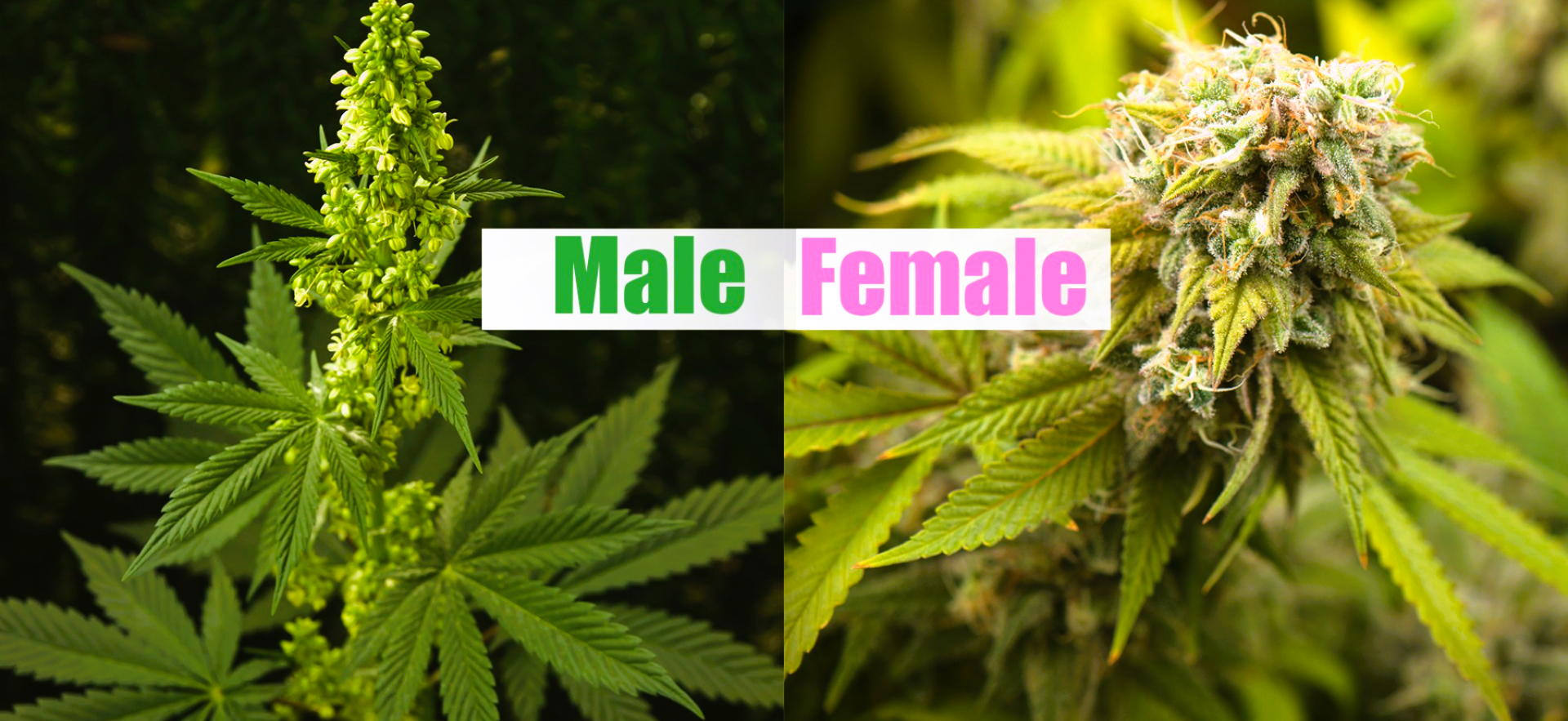
Identifying male from female cannabis plants is crucial for both home growers and commercial cultivators. The gender of the cannabis plant determines its utility, with female plants being highly valued for their buds, which contain the most significant amounts of cannabinoids such as THC and CBD. In contrast, male plants are mostly employed in seed production through breeding. Here is a comprehensive guide on how to identify male from female cannabis plants in detail.
Introduction
Due to their dioecious nature, cannabis plants have separate male and female parts. The ability to distinguish between male and female cannabis plants early in the growth cycle is essential for successful cultivation, whether you are growing for medical, recreational, or industrial purposes.
The Importance of Identifying Plant Gender
1. Maximizing Yield and Potency
Female Plants:
- Bud Production: Female plants are highly valued for their ability to produce buds, which contain high concentrations of cannabinoids such as THC and CBD. These buds are the primary product sought by both recreational and medicinal users.
- Sinsemilla: By identifying and removing male plants early, growers can prevent pollination. This results in the production of “sinsemilla” (seedless) buds, which are more potent and preferred in the market.
Male Plants:
- Pollen Production: Male plants produce pollen, which is essential for breeding but detrimental to bud production. If allowed to pollinate, female plants will focus their energy on seed production rather than developing resinous buds.
2. Preventing Unwanted Pollination
- Quality Control: Male plants can fertilize female plants, leading to the production of seeds. Seeded buds are less desirable because they have lower potency and are harsher to smoke.
- Resource Allocation: Female plants that are not pollinated will allocate more resources to bud development, resulting in higher yields of consumable flowers.
3. Breeding and Genetic Control
- Selective Breeding: Identifying male plants is crucial for breeders who aim to develop new strains with specific characteristics. Desired characteristics from both male and female plants can be combined thanks to controlled pollination.
- Genetic Diversity: Maintaining genetic diversity through controlled breeding helps in creating robust strains that are resistant to pests, diseases, and environmental stressors.
4. Economic Considerations
- Cost Efficiency: Identifying and removing male plants early reduces wasted resources such as space, nutrients, and labor. This ensures that the grow space is utilized efficiently for productive female plants.
- Market Value: High-quality, seedless buds fetch a higher price in the market. Ensuring that only female plants are grown maximizes the economic return on investment for growers.
5. Legal and Regulatory Compliance
- Compliance: In some regions, there are regulations that limit the number of cannabis plants that can be grown. Ensuring that these plants are female maximizes the yield within legal limits.
- Quality Standards: Meeting quality standards for medical or recreational cannabis often requires producing high-potency, seedless buds. Identifying and managing plant gender is a critical component of meeting these standards.
6. Environmental and Ethical Considerations
- Sustainable Practices: Efficient use of resources by focusing on female plants contributes to more sustainable cultivation practices. This reduces waste and environmental impact.
- Ethical Breeding: Responsible breeding practices, including the identification and isolation of male plants, ensure that new strains are developed ethically and sustainably.
Growth Stages and Gender Identification
Cannabis plants go through several growth stages, and the gender can be identified at different points in the cycle.
Seedling Stage
During the seedling stage, cannabis plants are generally indistinguishable in terms of gender. Both male and female plants look identical, with a pair of small, rounded leaves (cotyledons) that eventually give way to the first true leaves.
Pre-Flowering Stage
The pre-flowering stage is when early signs of gender begin to appear. This stage typically occurs between the fourth and sixth week of growth, depending on the strain and growing conditions.
Flowering Stage
The flowering stage is the definitive phase for identifying plant gender. This stage starts when the light cycle changes to 12 hours of light and 12 hours of darkness, signaling the plant to begin reproductive processes.
Identifying Male Cannabis Plants
Physical Characteristics of Male Plants
- Pre-Flowers
- Appearance: Male pre-flowers appear at the nodes (the junction where the branches meet the main stem). These pre-flowers start as small, round sacs that resemble tiny balls.
- Location: They typically form in pairs at each node.
- Time Frame: Male pre-flowers can appear as early as the fourth week of growth, depending on the strain and growing conditions.
- Pollen Sacs
- Development: As the plant matures, the small, round sacs develop into larger clusters known as pollen sacs or “pollen balls.”
- Shape: These sacs have a distinct round shape and can sometimes look like tiny bunches of bananas when clustered together.
- Function: Pollen sacs will eventually open and release pollen, which can fertilize female plants and lead to seed production.
- Stature and Growth Patterns
- Height: Male plants tend to grow taller and have a more elongated structure compared to female plants.
- Internodal Spacing: Male plants often exhibit more spacing between nodes, giving them a lanky appearance.
- Leaf Density: Male plants usually have fewer leaves and a less bushy appearance.
Methods for Early Identification of Male Plants
1. Observation
- Regular Inspections: Inspect your plants regularly, especially during the pre-flowering stage (weeks 4-6). Focus on the nodes where pre-flowers appear.
- Magnification: Use a magnifying glass or jeweler’s loupe to get a closer look at the pre-flowers. This helps in accurately distinguishing between male and female pre-flowers.
2. Cloning
- Process: Take a cutting from the plant you suspect might be male and induce flowering in the clone by placing it under a 12/12 light cycle. This will reveal the gender of the clone, which is genetically identical to the parent plant.
- Timing: Cloning can help in early identification without having to wait for the parent plant to fully mature.
3. Genetic Testing
- Process: Send a leaf sample to a laboratory that offers genetic testing services. These tests can determine the plant’s gender with high accuracy.
- Advantages: This method provides early and reliable identification, helping to manage your crop effectively.
Identifying Female Cannabis Plants
Physical Characteristics of Female Plants
- Pre-Flowers
- Appearance: Female pre-flowers develop at the nodes (where the branches meet the main stem) and appear as small, pointed structures known as pistils.
- Pistils: These pre-flowers have white hair-like strands called stigmas that protrude from them. The stigmas are initially white but can change color as the plant matures, turning orange, red, or brown.
- Location: Pre-flowers typically appear in pairs at each node.
- Buds
- Development: As the plant matures, these pistils develop into larger structures known as buds or flowers.
- Structure: Female buds are dense and covered in trichomes (resin glands) that produce cannabinoids like THC and CBD. The buds form at the nodes and along the branches.
- Trichomes: These are small, crystal-like structures that give the buds a frosty appearance. They have the greatest amount of cannabinoids in them.
- Stature and Growth Patterns
- Bushier Growth: Female plants tend to be shorter and bushier compared to male plants. They have more leaves and closer internodal spacing.
- Leaf Density: Female plants often have a higher density of leaves and a more compact structure.
Methods for Early Identification of Female Plants
1. Observation
- Regular Inspections: Inspect your plants regularly, especially during the pre-flowering stage (weeks 4-6). Focus on the nodes where pre-flowers appear.
- Magnification: Use a magnifying glass or jeweler’s loupe to closely examine the nodes for the presence of pistils and stigmas.
2. Cloning
- Process: Take a cutting from the plant you suspect might be female and induce flowering in the clone by placing it under a 12/12 light cycle. This will reveal the gender of the clone, which is genetically identical to the parent plant.
- Timing: Cloning can help in early identification without having to wait for the parent plant to fully mature.
3. Genetic Testing
- Process: Send a leaf sample to a laboratory that offers genetic testing services. These tests can determine the plant’s gender with high accuracy.
- Advantages: This method provides early and reliable identification, helping to manage your crop effectively.
Hermaphroditic Plants
Causes of Hermaphroditism
1. Genetic Predisposition
- Strain-Specific: Some cannabis strains are genetically more prone to hermaphroditism. These strains might develop both male and female flowers even under optimal growing conditions.
- Breeding Background: Strains with unstable genetics or those bred from hermaphroditic parents are more likely to exhibit this trait.
2. Environmental Stress
- Light Stress: Interruptions in the dark period during the flowering stage, such as light leaks, can induce hermaphroditism.
- Temperature Fluctuations: Extreme temperatures, either too high or too low, can stress the plants and trigger hermaphroditism.
- Nutrient Stress: Inconsistent or incorrect nutrient levels can cause stress that leads to the development of both reproductive organs.
- Physical Damage: Damage to the plant’s structure, such as broken branches or excessive pruning, can also result in hermaphroditism.
Identifying Hermaphroditic Plants
1. Mixed Reproductive Organs
- Both Pistils and Pollen Sacs: Hermaphroditic plants will show both female pistils (hair-like structures) and male pollen sacs on the same plant.
- Location: These mixed traits can appear at different nodes or sometimes within the same bud site.
2. Banana-Shaped Structures
- Nanners: One common sign of hermaphroditism is the appearance of yellow, banana-shaped structures called “nanners.” These are undeveloped pollen sacs that can appear within the buds.
- Quick Pollination: Nanners can release pollen quickly and often without opening fully, making them a significant risk for unintended pollination.
Managing Hermaphroditic Plants
1. Early Detection and Removal
- Routine Checks: Regularly inspect plants, especially during the flowering stage, for signs of both male and female reproductive organs.
- Immediate Action: As soon as hermaphroditic traits are identified, remove the affected plants from the grow area to prevent pollination of female plants.
2. Environmental Control
- Stable Conditions: Maintain consistent light cycles, temperature, and humidity to reduce the risk of stress-induced hermaphroditism.
- Light Leaks: Ensure that the dark period during the flowering stage is completely uninterrupted. Even a small amount of light can induce stress.
- Nutrient Management: Provide a balanced and appropriate nutrient regimen to avoid deficiencies or toxicities that can stress the plants.
3. Genetic Selection
- Stable Genetics: Choose strains known for their genetic stability and resistance to hermaphroditism. Avoid using seeds from hermaphroditic plants for future grows.
- Reputable Sources: Purchase seeds from reputable breeders who test for genetic stability and offer strains less prone to hermaphroditism.
Preventive Measures
1. Stress Reduction
- Environmental Monitoring: Use tools like hygrometers, thermometers, and light meters to keep track of environmental conditions and make adjustments as needed.
- Careful Pruning: Avoid excessive pruning or training during the flowering stage, as this can cause physical stress to the plants.
2. Breeding Practices
- Selective Breeding: For breeders, it’s essential to select plants with no history of hermaphroditism for breeding. This helps in developing strains that are genetically stable.
- Isolation: If breeding hermaphroditic plants for specific purposes, keep them isolated from the main crop to prevent unwanted pollination.
Best Practices for Managing Plant Gender
1. Regular Monitoring
Observation Techniques:
- Routine Checks: Regularly inspect your plants, especially during the pre-flowering and early flowering stages.
- Magnification Tools: Use magnifying glasses or jeweler’s loupes to closely examine the nodes for pre-flowers.
- Timing: Start checking for pre-flowers around the fourth week of growth. Continue frequent checks until the plants’ gender is clearly identifiable.
2. Segregation of Plants
Preventing Pollination:
- Early Removal: As soon as male plants are identified, remove them from the grow area to prevent accidental pollination.
- Isolation: If you need to keep male plants for breeding purposes, isolate them in a separate grow area to control pollen spread.
- Hermaphroditic Plants: Remove or isolate hermaphroditic plants to prevent self-pollination and ensure high-quality, seedless buds in female plants.
3. Controlled Breeding
Breeding Techniques:
- Selective Pollination: Use controlled pollination techniques to ensure only selected female plants are pollinated by chosen male plants.
- Breeding Areas: Maintain separate areas for breeding to avoid accidental cross-pollination with plants intended for bud production.
- Pollen Collection: Collect pollen from male plants in a controlled environment and store it properly for future use.
4. Cloning
Gender Verification:
- Cloning Process: Take cuttings from suspected female plants and induce flowering in the clones by placing them under a 12/12 light cycle.
- Gender Confirmation: This method helps confirm the gender of the parent plant without waiting for it to mature fully.
5. Genetic Testing
Early Identification:
- Testing Services: Utilize genetic testing services that can determine plant gender from a leaf sample. This method provides accurate and early identification.
- Cost-Benefit: While genetic testing can be costly, it is highly beneficial for large-scale growers or breeders who require precise gender identification early in the growth cycle.
6. Environmental Control
Stress Management:
- Stable Conditions: Maintain stable growing conditions, including consistent light cycles, temperature, humidity, and nutrient levels, to reduce the risk of stress-induced hermaphroditism.
- Light Leaks: Ensure complete darkness during the dark period of the light cycle to prevent stress that can cause hermaphroditism.
7. Nutrient Management
Optimal Feeding:
- Vegetative Stage: Provide balanced nutrients with a focus on nitrogen to promote healthy vegetative growth.
- Flowering Stage: In order to promote bud development during the flowering period, switch to fertilizers with higher quantities of potassium and phosphorus.
8. Training Techniques
Maximizing Yield:
- Topping: To promote bushier growth and additional bud sites, cut off the top of the main stem.
- Low-Stress Training (LST): Bend and tie down stems to create an even canopy, increasing light exposure to lower bud sites.
- Pruning: Remove lower leaves and small branches that receive little light to direct the plant’s energy towards the main bud sites.
9. Plant Health Monitoring
Disease and Pest Control:
- Regular Inspections: Check for signs of pests, mold, or nutrient deficiencies regularly.
- Preventive Measures: Implement preventive measures such as proper spacing, good airflow, and using organic pest control methods to maintain plant health.
Practical Tips for Growers
Small-Scale Growers:
- Space Utilization: Use smaller grow tents or designated grow areas to control the environment better.
- Personal Needs: Focus on identifying female plants early to maximize your yield for personal use.
Commercial Growers:
- Scale Management: Implement systematic monitoring and segregation practices to manage large-scale operations efficiently.
- Economic Efficiency: Invest in genetic testing and advanced cloning techniques to ensure early and accurate gender identification, reducing resource wastage.
Conclusion
Identifying male from female cannabis plants is a foundational skill for any successful cannabis cultivator. The ability to distinguish between the genders early in the growth cycle is crucial for several reasons: it helps maximize the yield of high-quality, resinous buds from female plants, prevents unwanted pollination and seed production, and enables controlled breeding programs for developing new strains.
Key Points for Identifying Male and Female Plants
- Seedling Stage:
- Both male and female plants appear identical at this stage.
- Pre-Flowering Stage:
- Early signs of gender become visible, typically between the fourth and sixth week of growth.
- Males develop small, round pollen sacs, while females develop pointed pistils with white stigmas.
- Flowering Stage:
- Definitive gender identification occurs.
- Male plants display clusters of pollen sacs, whereas female plants show budding flowers with pistils and trichomes.
Male Plants Characteristics:
- Pre-Flowers: Small, round sacs (pollen sacs) at the nodes.
- Stature and Growth Patterns: Taller, fewer leaves, more spacing between nodes.
- Flower Clusters: Clusters of pollen sacs that open to release pollen.
Female Plants Characteristics:
- Pre-Flowers: Pistils with white, hair-like stigmas.
- Stature and Growth Patterns: Bushier, more leaves, closer node spacing.
- Flower Formation: Buds covered in trichomes containing cannabinoids.
Hermaphroditic Plants:
- Causes: Genetic predisposition and environmental stress.
- Identification: Presence of both pollen sacs and pistils on the same plant.
Best Practices:
- Regular Monitoring: Inspect plants frequently, especially during pre-flowering and flowering stages.
- Segregation: Remove male plants immediately to prevent pollination; isolate hermaphroditic plants.
- Controlled Breeding: Isolate male plants for breeding and use controlled pollination techniques.
- Genetic Testing: Utilize genetic testing for early and accurate gender determination when necessary.
By diligently monitoring your cannabis plants and applying these identification techniques, you can effectively manage plant gender to ensure a successful harvest of high-quality, seedless cannabis buds. Whether you are a home grower or a commercial cultivator, mastering gender identification will significantly enhance your cultivation results, leading to a more productive and rewarding growing experience.
