Table of Contents
How To Grow Weed During The Vegetative Phase
The vegetative phase is when cannabis plants build the structure that determines overall size, strength, and yield potential, making proper management during this stage essential for a successful grow. Factors like lighting, temperature, humidity, nutrition, and training all play a direct role in how efficiently plants develop before flowering, and mistakes made here can limit performance later. The vegetative phase is one stage within a broader cannabis growth process, which is outlined in our complete cannabis cultivation framework before each phase is examined in detail.
Opening Remarks
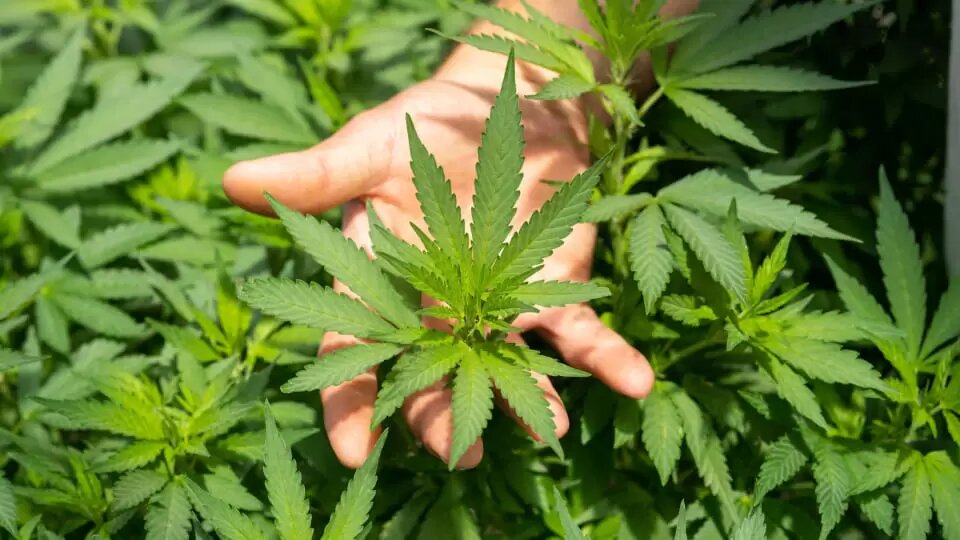
The vegetative phase, as observed in the cultivation of cannabis, represents a critical juncture in the plant’s lifecycle, spanning the interval from the emergence of the seedling to the commencement of the flowering stage. This period is distinguished by the plant’s concentrated effort towards constructing a robust structural foundation, which encompasses the development of roots, stems, and foliage. Such a foundation is indispensable for the support of the reproductive structures that the plant will subsequently generate during its flowering phase. The hallmark of the vegetative stage is its rapid growth rate, necessitating meticulous management of various factors to harness the plant’s full growth potential and maximize future yields.
During this pivotal vegetative phase, the cannabis plant undergoes significant morphological changes, which are crucial for its overall health and productivity. The expansion of the root system during this time is particularly noteworthy, as it allows for increased water and nutrient uptake, thereby supporting the accelerated growth of the plant’s aerial parts. Simultaneously, the growth of stems and leaves in the vegetative phase is crucial for photosynthesis, the mechanism through which the plant transforms light energy into chemical energy, essential for its growth and maturation.
The management of environmental conditions during this vegetative period is of paramount importance. Key factors such as lighting—both in terms of intensity and duration—as well as temperature and humidity levels, must be carefully controlled to mimic the plant’s natural growing conditions as closely as possible. Achieving this demands more than just a thorough comprehension of the physiological requirements of the cannabis plant. It also entails the capability to promptly adapt and enhance these conditions to avert stress and foster robust growth effectively.
In addition to environmental management, providing appropriate nutrition during the vegetative phase is crucial for the cannabis plant’s health and growth. This entails implementing a well-balanced fertilization schedule that fulfills the plant’s rising requirements for macronutrients like nitrogen, phosphorus, and potassium, along with vital micronutrients. The precise formulation and timing of nutrient application can greatly influence the efficiency of nutrient uptake and use by the plant, thereby affecting its growth rate and structural development.
Furthermore, the employment of various training techniques during the vegetative stage can significantly impact the plant’s form and the efficiency of its growth. Methods like topping, pruning, and low-stress training (LST) are frequently employed to alter the plant’s architecture, promoting a denser growth pattern, augmenting light exposure, and optimizing air circulation within the canopy. These practices not only contribute to a stronger structural foundation but also prepare the plant for optimal flower production during the subsequent flowering stage.
In sum, the vegetative phase in cannabis cultivation is a period of intense growth and development, requiring precise and proactive management of environmental conditions, nutrition, and plant training techniques. The efforts invested during this phase lay the groundwork for the plant’s future reproductive success, highlighting the importance of a thorough understanding and diligent care in optimizing the growth and potential yield of the cannabis plant.
Grasping the Essentials of the Vegetative Phase
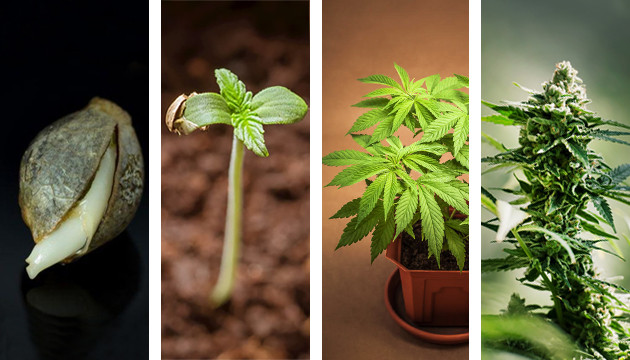
The duration of the vegetative phase in cannabis cultivation is subject to considerable variability, generally extending from three to sixteen weeks. This variation can be ascribed to various factors, such as the genetic traits of the strain being cultivated, the environmental conditions in which the cultivation takes place, and the specific objectives pursued by the grower through their cultivation methods. Notably, Indica strains of cannabis are recognized for their tendency to undergo comparatively shorter vegetative phases, whereas Sativa strains are characterized by their capacity to sustain vigorous growth for more extended periods.
Moreover, the advent of autoflowering cannabis strains represents a significant evolution in cannabis cultivation, offering a unique set of genetic traits that differentiate them from traditional Indica and Sativa strains. These autoflowering strains are genetically modified to shift from the vegetative phase to the flowering phase after a set duration, regardless of alterations in light exposure. This genetic programming ensures that autoflowering strains require a less protracted vegetative phase before initiating the flowering process, thereby facilitating a more rapid cycle of cultivation.
The strategic selection of cannabis strains according to their vegetative growth characteristics allows growers to tailor their cultivation practices to meet specific objectives. For instance, growers seeking to maximize yield within a limited timeframe may opt for autoflowering strains due to their shorter vegetative periods and overall faster growth cycle. Conversely, those aiming for cultivation projects that allow for greater plant development and size might prefer Sativa strains, which benefit from longer vegetative growth stages.
The influence of growing conditions on the length of the vegetative phase cannot be understated. Factors such as lighting, temperature, humidity, and nutrient availability play a critical role in determining the rate of plant growth during this stage. Optimal management of these conditions is essential for promoting healthy vegetative development, thereby setting the foundation for a successful flowering stage and eventual harvest. Growers must therefore possess a nuanced understanding of the environmental needs of their cannabis strains and exhibit flexibility in adjusting these parameters to support the desired growth trajectory.
In summary, the vegetative phase in cannabis cultivation presents a complex interplay between genetic predispositions, environmental conditions, and grower objectives. The strategic choice of cannabis strains, coupled with meticulous management of growth conditions, is paramount in navigating this critical stage of development. Through a deep understanding and careful stewardship of the vegetative phase, growers can significantly influence the health, vitality, and yield potential of their cannabis plants.
Illumination Necessities
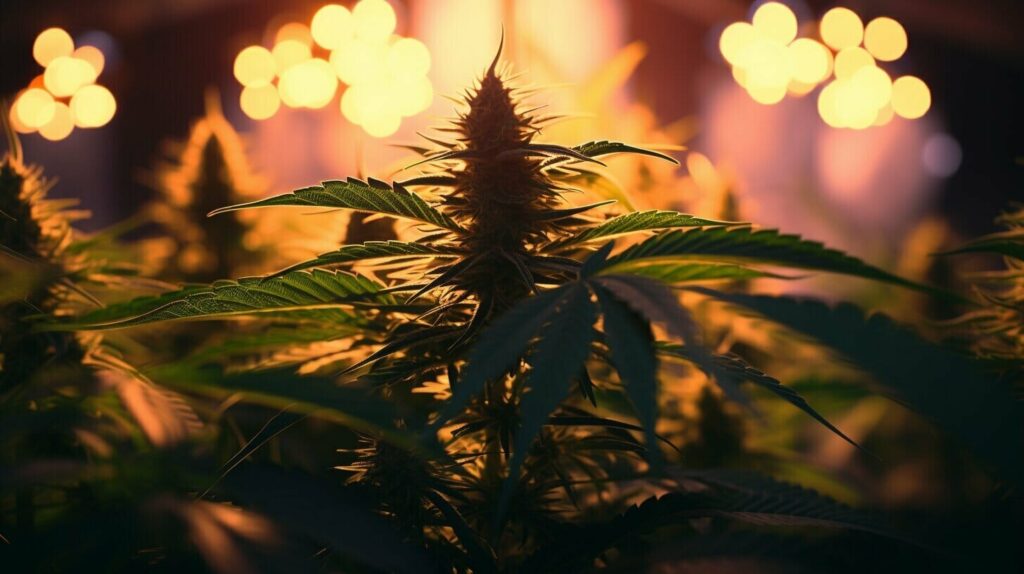
Adequate lighting is crucial during the vegetative phase of cannabis cultivation. For cannabis plants to sustain their vegetative phase, they necessitate a minimum of 18 hours of daily light. This prolonged exposure to light prompts the plants to prioritize vegetative growth over transitioning to the flowering stage. Cultivators aiming for rapid growth often opt for 24 hours of continuous light. This maximizes photosynthesis and, as a result, the growth potential of the plants.
Nevertheless, certain growers opt to incorporate a period of darkness into the daily cycle, usually consisting of 18 hours of light succeeded by 6 hours of darkness. This pattern is thought to mimic the natural day-night cycle, providing plants with a rest period. Advocates believe this rest enhances plant health and vigor. Additionally, this light management approach can reduce energy consumption and costs. The dark period may also lessen stress on plants, potentially leading to healthier growth.
The decision between continuous light and incorporating a dark period depends on the grower’s objectives and practical considerations like energy efficiency. The quality of light—its duration, intensity, and spectrum—is essential regardless of the chosen regimen. Proper lighting conditions are vital for robust vegetative growth and for preparing the plants for the flowering stage and a successful harvest.
In conclusion, managing lighting during the vegetative phase is critical for cannabis cultivation. Growers need to choose between continuous light or a cycle including darkness based on their goals. Paying close attention to the light requirements is fundamental for optimizing growth conditions, improving plant health, and enhancing cultivation efficiency.
Managing Temperature and Moisture Levels
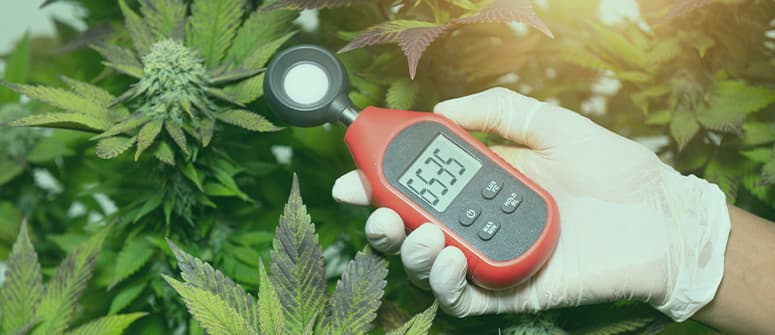
The establishment of optimal environmental conditions plays a pivotal role in ensuring the health and vigor of cannabis plants during their vegetative growth phase. Achieving and maintaining the ideal temperature range is fundamental to this process. During the daylight hours, a temperature range between 70°F (21°C) and 85°F (29°C) is considered optimal for the vegetative growth of cannabis. This temperature range provides the necessary thermal environment for facilitating key physiological processes within the plant, including photosynthesis and nutrient uptake.
As the day transitions into night, it is advisable to allow for a slight decrease in temperature. However, this reduction should not exceed a range of 10°F to 15°F, as significant temperature fluctuations can induce stress in the plants. Stress from temperature variations can manifest in a multitude of ways, including stunted growth, reduced photosynthetic efficiency, and an increased susceptibility to diseases and pests. Therefore, maintaining a stable temperature that does not deviate excessively from the day to nighttime is essential for promoting a stress-free environment conducive to healthy plant development.
In addition to temperature control, the management of relative humidity (RH) levels within the cultivation environment is equally critical. The recommended RH range for vegetative cannabis plants is between 40% and 70%. This range is crucial for supporting various aspects of plant physiology, including leaf development and the rate of transpiration. During the early stages of vegetative growth, it is beneficial to maintain humidity levels towards the higher end of this spectrum. Higher humidity levels assist in keeping the stomata on the leaf surfaces open, thereby facilitating efficient gas exchange and transpiration. As a result, this facilitates the efficient uptake of carbon dioxide for photosynthesis, while also ensuring proper hydration of the plants.
However, it is important to note that while higher humidity levels are advantageous during the initial vegetative stage, careful monitoring and adjustment of humidity are required as the plants mature. Excessively high humidity levels, particularly in the later stages of vegetative growth, can predispose cannabis plants to mold and mildew infections. Thus, a nuanced approach to humidity control, tailored to the specific needs of the plants at various stages of their vegetative development, is imperative for maintaining an environment that supports robust growth and minimizes the risk of disease.
In summary, the careful regulation of temperature and humidity within the cannabis cultivation environment is indispensable for the successful growth of vegetative plants. The ideal temperature and humidity levels provide a foundation for supporting critical physiological processes, contributing to the overall health, vigor, and productivity of the cannabis plants. Cultivators must therefore employ precise environmental control strategies to ensure that these optimal conditions are consistently achieved and maintained throughout the vegetative phase.
Fertilization and Irrigation Techniques
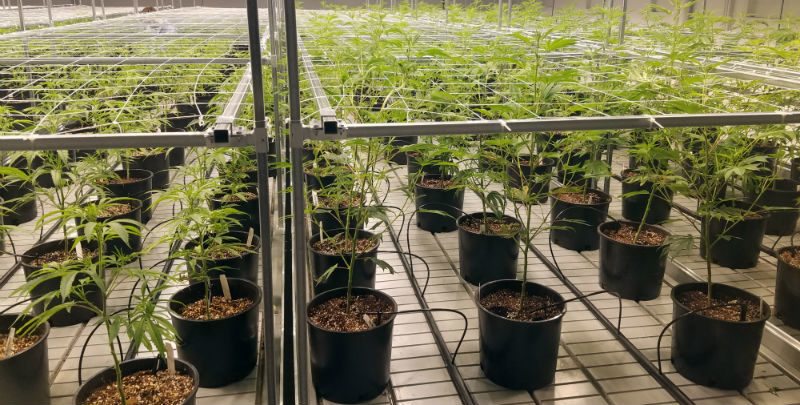
During the vegetative phase, cannabis plants have high nutrient needs, with rapid growth in leaves and stems. Nitrogen is crucial for building proteins essential for this growth, making it a key nutrient. Yet, a balanced diet including phosphorus, potassium, magnesium, and calcium is vital. Phosphorus supports root development and energy transfer, while potassium aids in water regulation and photosynthesis. Micronutrients like magnesium and calcium are crucial for chlorophyll and cell wall maintenance, supporting overall vegetative growth.
Watering practices are equally vital, with both over- and under-watering posing risks to plant health, especially affecting roots and nutrient absorption. A consistent watering schedule that allows the soil’s top inch to dry between sessions is recommended to ensure healthy root development and efficient nutrient uptake.
In summary, attentive nutritional and watering practices are essential during cannabis’s vegetative phase. Providing a balanced nutrient mix and managing watering carefully is crucial for robust growth, laying a strong foundation for successful cultivation.
Techniques for Training and Pruning Plants
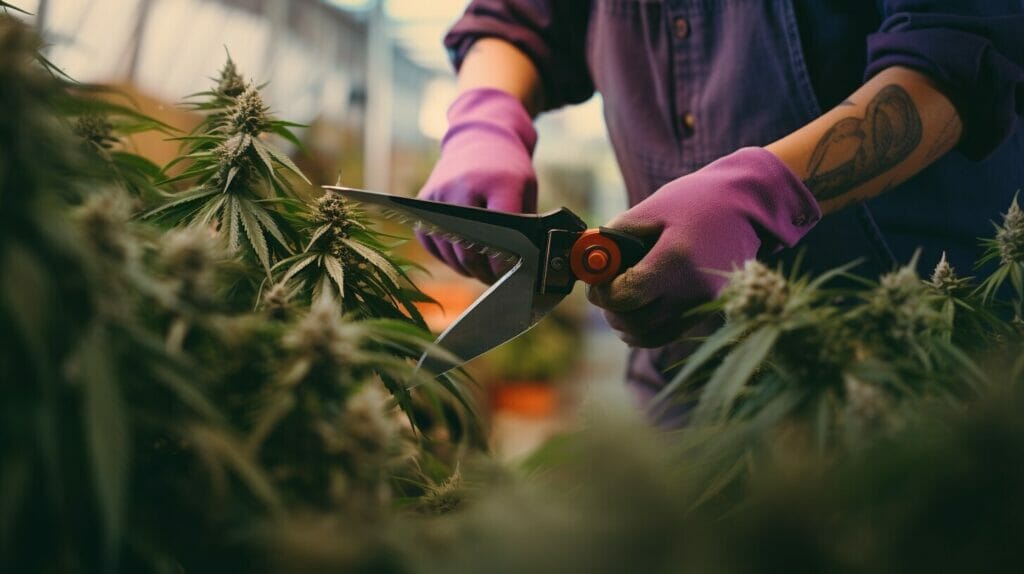
Training techniques during the vegetative stage of cannabis are crucial for shaping the plant’s growth for better yields. Techniques like topping, low-stress training (LST), and pruning are key methods for optimizing light penetration and airflow, crucial for strong growth.
Topping involves cutting the main stem’s top to promote the two main stems’ growth, leading to a bushier plant and potentially higher yields. It’s a deliberate cut aimed at enhancing the plant’s structure to support more flowers.
Low-stress training (LST) is a non-cutting method that involves bending and tying branches to increase light exposure to more of the plant. It spreads the plant out, optimizing light absorption without the stress of cutting, and leads to an even canopy.
Pruning focuses on removing lower growth that gets less light, redirecting the plant’s energy to top bud development. It’s based on the principle of conserving energy for the most productive parts of the plant, improving growth efficiency.
These techniques tailor the cannabis plant’s physical structure for better light and airflow, enhancing health, vigor, and yield potential. They provide a strategic approach to cultivation, enabling growers to meet their goals effectively. Proper application of these methods can greatly impact the success of the harvest.
Moving into the Flowering Phase
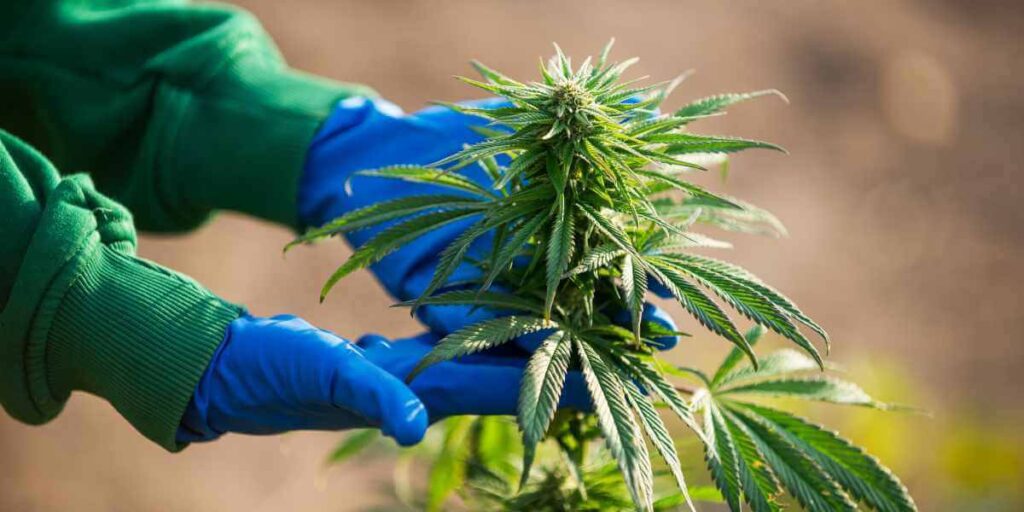
Transitioning cannabis from vegetative to flowering is a critical and carefully timed phase, requiring a shift to 12 hours of light followed by 12 hours of darkness. This mimics autumn’s natural light patterns, signaling the plants to start flowering. It’s essential to ensure plants have a strong structural foundation and are in optimal health before this change, as stress or deficiencies can hinder flowering and affect yields.
Before this transition, growers must ensure the plants are robust, with healthy roots, stems, and leaves, ready to support bud weight. Addressing any stress or nutritional deficiencies is vital for effective flowering. This period is also key for adjusting nutrient formulas, pest and disease management, and optimizing environmental conditions like temperature and humidity for bud development.
The move from vegetative growth to flowering is a delicate point in cannabis cultivation, demanding precise light cycle adjustments and ensuring plant health. Proper preparation boosts the chances of high-quality yields, highlighting the complexity of growing cannabis from seed to harvest.
Conclusion
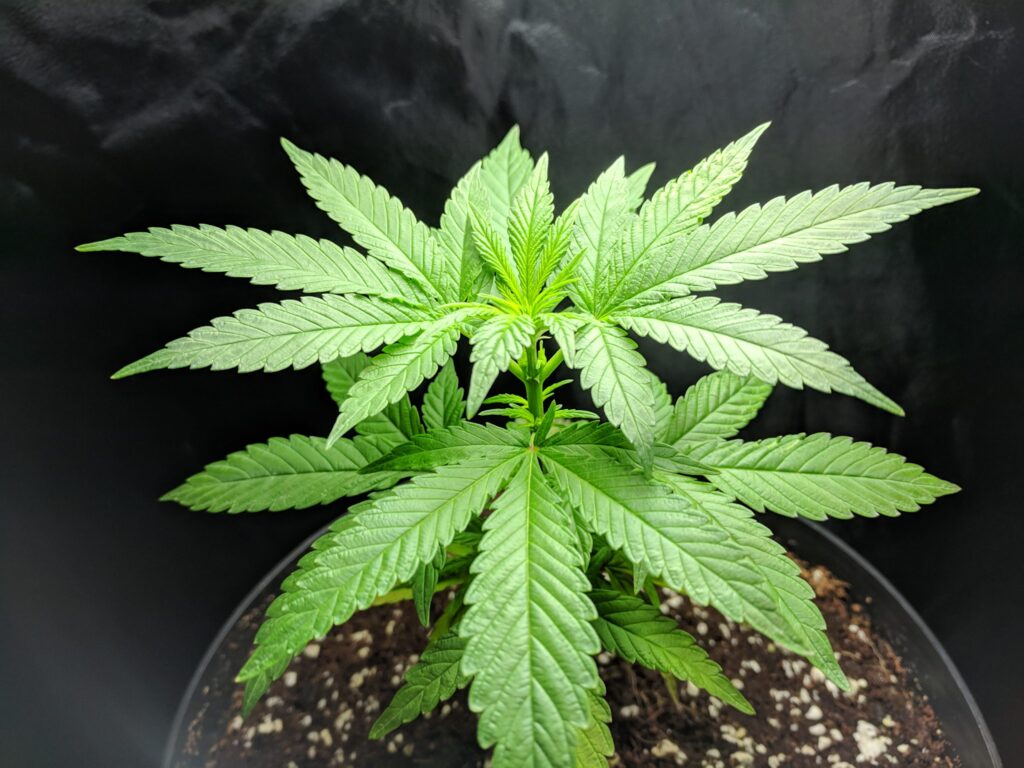
Cannabis cultivation in its vegetative phase is a delicate balance of art and science, requiring deep knowledge of plant biology and precise environmental and horticultural management. This crucial stage demands exact control over lighting, temperature, humidity, and nutrition, along with strategic training and pruning to optimize plant growth and prepare for flowering.
Light is essential for cannabis, driving photosynthesis and influencing growth and flowering timing. Managing temperature and humidity is also vital, affecting the plant’s metabolic rate and health. Nutrition, especially nitrogen, supports robust vegetative growth, while balanced feeding promotes a strong plant structure.
Employing training and pruning methods like topping and low-stress training (LST) shapes the plant for optimal growth and light exposure. These techniques help develop a plant capable of supporting the weight of future flowers.
The vegetative phase lays the groundwork for successful flowering, determining yield and quality potential. Attention to detail during this phase ensures a bountiful, potent harvest, rewarding the grower’s dedication with superior cannabis production.
