Table of Contents
How to grow weed
Introduction to Growing Cannabis: Essentials for Beginners
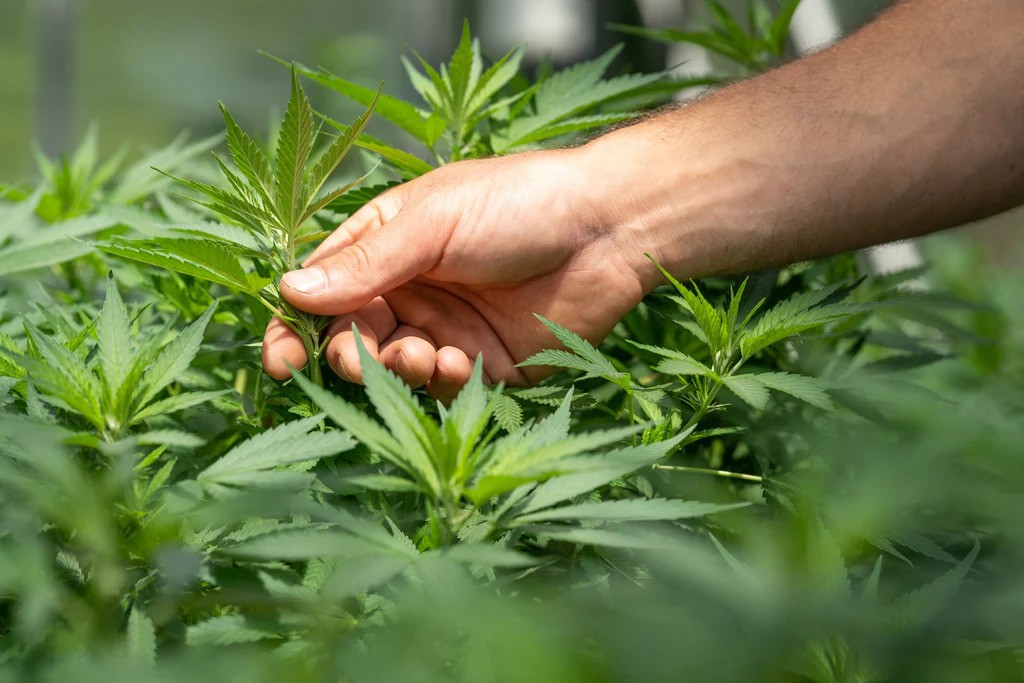
Embarking on the cultivation of cannabis offers both personal enrichment and potential medicinal benefits. For those new to this field, grasping the essential elements and practices is crucial for a successful start. This guide provides beginners with the necessary foundational information to initiate their venture into cannabis cultivation.
Fundamentals of Cannabis Cultivation
Successfully growing cannabis involves more than just sowing seeds; it necessitates a thoughtful approach to several critical aspects to optimize plant growth and yields. Key considerations include selecting the appropriate strain, understanding the plant’s lifecycle, and ensuring the plants receive the proper care.
1. Choosing a Strain: The selection of the cannabis strain is pivotal. Varieties differ in growth behavior, environmental requirements, and the effects they produce. Beginners should choose strains that are well-suited to their local climate and meet their expectations regarding yield and potency.
2. Plant Lifecycle Awareness: Cannabis goes through distinct life stages, each requiring specific care:
- Germination: The initiation phase where seeds sprout, needing moisture and warmth.
- Vegetative Stage: A growth phase where the plant requires extensive light (typically 18 hours a day) and sufficient nutrients.
- Flowering Stage: Triggered by reduced light exposure (about 12 hours a day), this stage influences the quality and volume of the yield.
- Harvesting: Timing the harvest is critical to enhance the potency and flavor of the cannabis.
3. Creating Ideal Growth Conditions: Providing a conducive environment is crucial for thriving cannabis plants, involving:
- Lighting: Adequate lighting is essential, whether natural or artificial, and must be carefully managed.
- Soil and Nutrients: Selecting the right soil and nutrient combination is vital for robust growth, requiring soil that drains well yet retains essential nutrients.
- Watering: Proper hydration is crucial, but it is important to avoid both overwatering and underwatering.
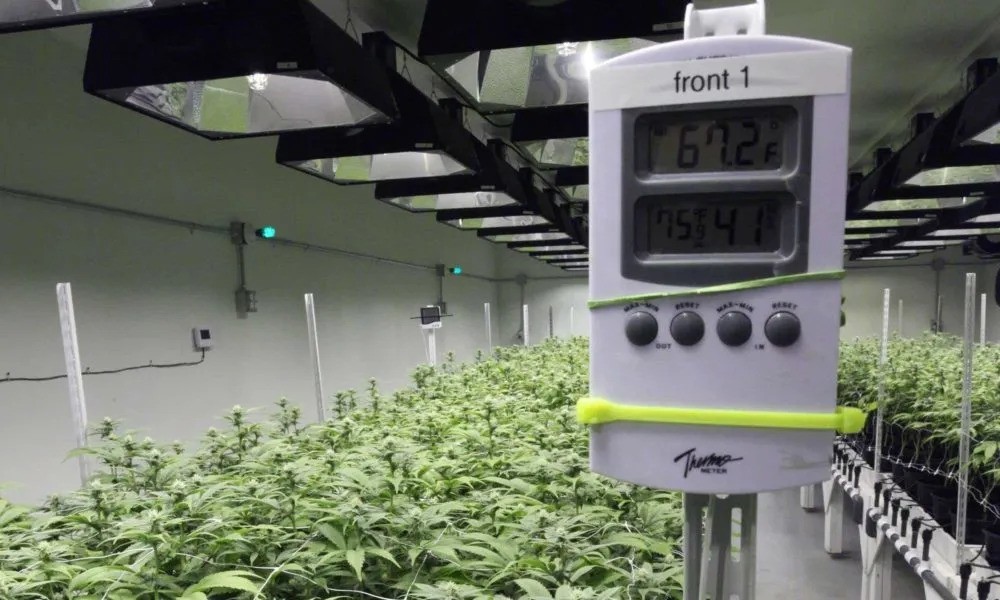
- Climate Control: In indoor settings, maintaining optimal temperature and humidity levels is key to emulating the plant’s natural environment.
Conclusion
For novice cannabis growers, starting with a strong understanding of the basics outlined in this guide is essential. By selecting the correct strain, thoroughly understanding the plant’s lifecycle, and providing the right conditions, beginners can establish a strong foundation for their cultivation efforts. Patience and ongoing education are important as they navigate through the challenges and refine their growing practices over time.
Legal Considerations: Understanding the Regulations in Your Area
For individuals and entities engaged in activities related to cannabis, understanding the specific legal constraints and requirements in their region is crucial. The legal status of cannabis varies extensively, encompassing complete prohibition, medicinal legality, and full recreational use. This document provides an essential overview to aid in understanding and adhering to the cannabis laws pertinent to one’s local jurisdiction.
Key Legal Considerations
- Cultivation: Legal parameters often stipulate eligibility criteria for growing cannabis, the conditions under which it can be cultivated, and the allowable number of plants. In many areas, cultivation for larger scales or commercial purposes requires obtaining appropriate permits or licenses.
- Distribution and Sales: The regulations may outline specific protocols for the marketing and sale of cannabis, including who is authorized to sell, where it can be sold, and the permissible customers.
- Possession Limits: Legal frameworks frequently establish caps on how much cannabis an individual can possess at any one time, with varying amounts stipulated for different forms such as dried flower, concentrates, and edibles.
- Usage Restrictions: There are also regulations governing the consumption of cannabis, with some laws restricting use to private properties and others allowing use in public spaces designated for such activities.
Steps to Understand Local Cannabis Laws
- Consult Authoritative Resources: Always refer to your government’s official communications for the most reliable and current information on cannabis regulations. Official government portals often offer detailed guidelines and resources.
- Engage Legal Counsel: In scenarios where the legal aspects are particularly intricate or ambiguous, it’s prudent to consult with a lawyer specializing in cannabis regulations. This is especially important for businesses to ensure full compliance and avoid legal pitfalls.
- Keep Updated: As cannabis legislation can change swiftly, maintaining awareness of any updates or reforms is vital. Staying informed ensures that your practices remain compliant with the latest laws.
Conclusion
Properly understanding and complying with the cannabis regulations in your area is fundamental for lawful participation in activities involving cannabis, be it for personal, medicinal, or commercial purposes. By proactively staying informed and consulting the appropriate experts as necessary, individuals and businesses can effectively navigate this complex legal landscape. Such diligence not only promotes compliance but also supports responsible and ethical engagement in the evolving cannabis market.
Choosing the Right Cannabis Strain to Grow
Choosing the right cannabis strain is a pivotal decision in the cultivation process, affecting everything from the growing requirements to the yield and characteristics of the final product. This guide offers detailed insights to help cultivators select the most suitable cannabis strain based on their specific requirements and environmental conditions, facilitating a successful cultivation endeavor.
Key Considerations in Strain Selection
- Purpose of Cultivation:
- Medicinal vs. Recreational: The end use of the cannabis is critical in strain selection. Strains rich in CBD are typically preferred for medical purposes for their therapeutic benefits, whereas strains high in THC are sought after for recreational use due to their psychoactive properties.
- Cultivation Setting:
- Indoor vs. Outdoor: Different strains excel in different environments. Some strains are better suited to the controlled conditions of indoor growing, while others flourish outdoors, benefiting from natural elements.
- Ease of Cultivation:
- Novice vs. Experienced Growers: Strains differ in their cultivation needs. Beginners may prefer robust, low-maintenance strains, whereas experienced cultivators might opt for strains that require more care but offer greater rewards in yield or potency.
- Yield and Growth Duration:
- Productivity and Cycle Time: The growth cycle duration and potential yield are crucial, especially in commercial cultivation where efficiency and output significantly impact economic viability.
- Adaptability to Local Conditions:
- Environmental Suitability: Selecting a strain that can thrive in the specific climatic and environmental conditions of the cultivation area is vital for ensuring healthy plant development and optimizing yield.
Methods for Selecting the Appropriate Strain
- Extensive Research: Investigating various strains through cultivation websites, seed bank reviews, and agricultural forums can provide valuable insights into their specific needs and benefits.
- Seek Expert Advice: Consulting with seasoned growers, participating in cultivation seminars, or seeking advice from cannabis cultivation consultants can offer practical guidance and recommendations.
- Trial Runs: Conducting experimental grows with a variety of strains can be an effective way to determine which strain best suits your needs, based on direct observation and performance.
Conclusion
The selection of a cannabis strain is a critical step that requires thoughtful consideration of the grower’s objectives, environmental factors, and resource availability. Through comprehensive research, expert consultations, and practical experimentation, cultivators can identify the strain that best meets their needs. Staying updated on new strains and technological advancements in cultivation will remain advantageous for making informed decisions within the ever-evolving field of cannabis cultivation.
Essentials of Indoor vs. Outdoor Growing: Pros and Cons
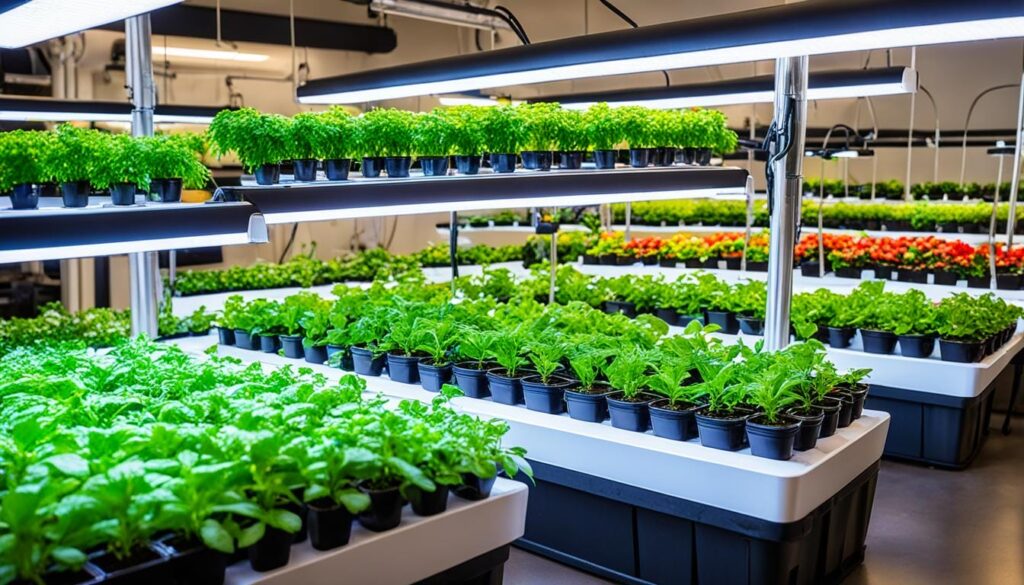
Deciding whether to cultivate cannabis indoors or outdoors is a critical choice that influences not only the growth and development of the plants but also the quality and quantity of the yield. Both indoor and outdoor growing environments offer unique benefits and drawbacks that can significantly affect the success of the cultivation process. This document outlines the pros and cons of each method, providing cultivators with the necessary insights to make an informed decision tailored to their specific circumstances.
Indoor Growing: Precision and Control in a Managed Environment
Pros:
- Environmental Control: Indoor cultivation allows growers to precisely manage environmental factors such as temperature, humidity, and lighting, facilitating optimal plant growth conditions throughout the year.
- Year-Round Harvests: Indoor growers can achieve multiple harvests annually by controlling light exposure, which is not typically possible in outdoor settings.
- Protection from External Threats: Plants grown indoors are shielded from adverse weather and pests, reducing potential losses and diminishing the need for pesticides.
Cons:
- Increased Costs: Setting up and maintaining an indoor grow facility involves significant financial investment in lighting, climate control, and ventilation systems.
- High Energy Usage: Dependence on artificial lighting and environmental management systems can lead to high electricity consumption, increasing both costs and environmental impact.
- Space Constraints: The scale of an indoor operation is often limited by the physical dimensions of the facility, potentially capping the grower’s production capacity.
Outdoor Growing: Leveraging Natural Resources for Cost-Effective Cultivation
Pros:
- Cost Efficiency: Outdoor growing minimizes the need for artificial lighting and extensive climate control, substantially reducing setup and operational expenses.
- Environmental Friendliness: By utilizing natural sunlight, outdoor cultivation lessens energy consumption and its associated environmental footprint.
- Expanded Production Potential: The ample space available outdoors typically allows for larger plant populations and bigger yields compared to indoor environments.
Cons:
- Weather Reliance: The success of outdoor cultivation is heavily dependent on local weather conditions, which can fluctuate and impact growth and yield.
- Increased Pest and Disease Risk: Outdoor plants are more vulnerable to insects, wildlife, and plant diseases, possibly necessitating additional pest management strategies.
- Security and Compliance Issues: Growing cannabis outdoors can pose challenges related to security and privacy, especially if local regulations are strict or if the cultivation area is easily accessible by the public.
Conclusion
Choosing whether to cultivate cannabis indoors or outdoors requires a careful evaluation of the advantages and disadvantages of each approach. Indoor cultivation offers enhanced control over environmental conditions and the possibility for several harvests annually, yet it incurs higher costs and increased energy consumption. Outdoor cultivation offers cost savings and environmental benefits but carries risks related to weather variability and pest exposure. Cultivators must consider their specific needs, resources, and environmental conditions to choose the optimal growing method that aligns with their production goals and operational capabilities.
Equipment Checklist: What You Need to Start Growing Weed
Initiating a cannabis cultivation project entails more than just planting seeds; it requires a comprehensive set of tools and equipment to foster plant growth, manage environmental conditions, and enhance the yield and quality of the harvest. This guide offers a comprehensive checklist of vital equipment necessary for anyone looking to begin growing cannabis, whether for personal enjoyment or commercial purposes.
Comprehensive Equipment List for Growing Cannabis
- Growing Medium
- Soil: Opt for nutrient-rich, well-draining soil, ideal for traditional cannabis cultivation.
- Hydroponic Systems: These soil-free systems can accelerate plant growth and increase yield, suitable for more controlled environments.
- Containers
- Pots: Ensure they are large enough to accommodate root growth and have adequate drainage.
- Grow Bags: Offer better root aeration and are easily portable, making them a convenient option for many growers.
- Lighting Solutions
- LED Grow Lights: Efficient and economical, these lights are preferred for indoor setups due to their low heat output and full spectrum capabilities.
- HID Lamps: Including options like Metal Halide (MH) and High-Pressure Sodium (HPS), these are beneficial for larger scale operations.
- Climate Control Devices
- Ventilation Systems: Comprising of fans and air filters to maintain air quality and regulate odors.
- Temperature and Humidity Controllers: Essential for monitoring and maintaining optimal growing conditions.
- Irrigation Supplies
- Watering Tools: Basic watering cans or hoses are necessary for manual watering practices.
- Automated Drip Systems: Ideal for consistent water delivery, particularly in larger or more advanced setups.
- Nutrients and pH Management
- Fertilizers: Select specific formulations that cater to the vegetative and flowering phases of cannabis growth.
- pH Adjustment Kits: Crucial for adjusting the pH levels of your growing medium to optimize the absorption of nutrients.
- Monitoring Instruments
- pH and EC Meters: For precise measurement of soil or water pH and nutrient strength.
- Thermometers and Hygrometers: Critical for tracking environmental conditions within the grow area.
- Cultivation and Harvesting Tools
- Pruning Tools: Necessary for maintaining plant health and optimizing light penetration within the canopy.
- Harvesting Scissors: Useful for precise cutting during harvest.
- Curing Racks or Nets: Important for the proper drying and curing of cannabis to achieve ideal potency and flavor.
Conclusion
Proper preparation with the right equipment is key to successfully cultivating cannabis. This equipment checklist is designed to assist beginners in assembling all necessary items before they begin their cultivation journey. Possessing the appropriate tools not only streamlines the growing process but also increases the likelihood of a more productive and gratifying cultivation experience. By preparing thoroughly, cultivators can focus on nurturing their plants and achieving the best possible outcomes.
The Cannabis Lifecycle: From Seed to Harvest
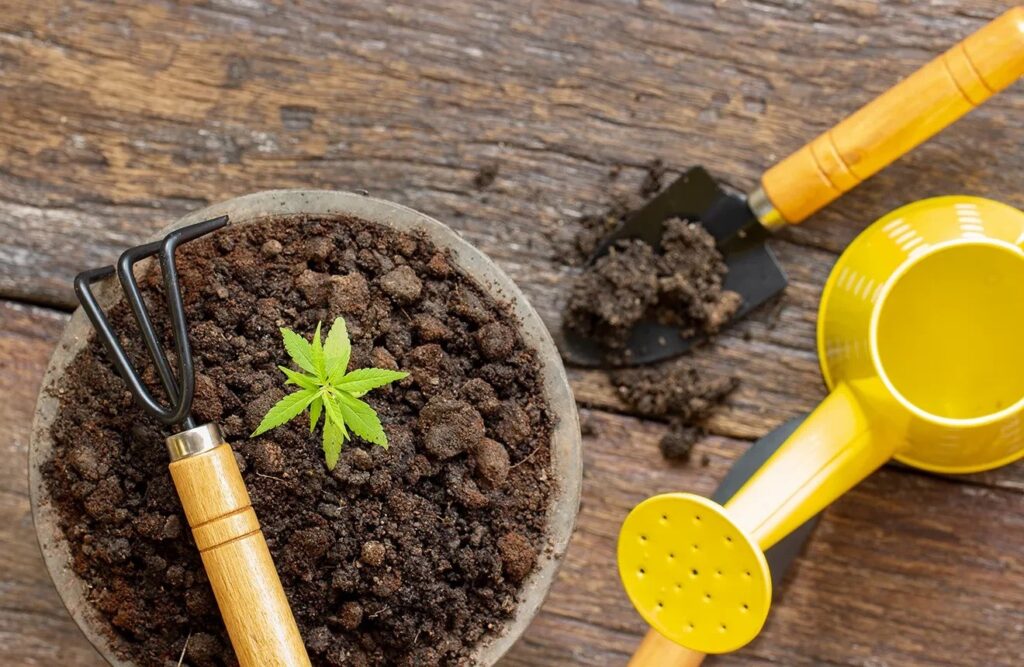
An in-depth understanding of the cannabis lifecycle is crucial for cultivators aiming to maximize the health and yield of their plants. This lifecycle comprises several key phases, each demanding specific care to optimize the plant’s development and productivity. This document outlines the stages of the cannabis lifecycle, providing detailed guidance from the initial germination of seeds to the final stages of harvest.
1. Germination Stage
The journey of a cannabis plant begins with seed germination, a critical phase that establishes the groundwork for a healthy plant. Typically, germination takes place within 3 to 10 days under the right conditions, which include:
- Sufficient moisture to trigger growth, avoiding oversaturation.
- Warmth, with temperatures ideally between 70-90°F (21-32°C).
- Limited exposure to light until seedlings break through the soil.
2. Seedling Stage
After germination, the plant progresses to the seedling stage, characterized by the emergence of cotyledons, or embryonic leaves, which are then followed by the appearance of the plant’s first true leaves.
Seedlings are extremely fragile and need:
- High humidity to facilitate leaf and stem development.
- Plenty of light (16-18 hours daily) to support healthy growth.
- Temperature control and careful watering to prevent stress and ensure stability.
3. Vegetative Stage
During the vegetative stage, the plant experiences significant growth, building a robust root system and expansive foliage. This stage is pivotal for shaping the plant’s structure through various training techniques. Key aspects include:
- Extended light exposure (18-24 hours per day) to promote growth.
- Incremental increases in water and nutrients to sustain the enlarging plant.
- Optimal environmental conditions to foster vigorous growth without stress.
4. Flowering Stage
The shift to the flowering stage is triggered by adjusting the light cycle to 12 hours of light followed by 12 hours of darkness. It is during this phase that the plant develops buds, with environmental stability being crucial for optimal bud formation. Requirements include:
- Adjustments in nutrient composition, reducing nitrogen while boosting phosphorus and potassium.
- Constant monitoring of environmental conditions to avoid stress that can negatively impact bud quality.
- Vigilance against pests and diseases, as the dense foliage and buds are particularly vulnerable.
5. Harvesting Stage
Harvesting is the culmination of the plant’s lifecycle. Timing the harvest correctly is crucial for maximizing both the potency and the yield of the crop. Signs that a plant is ready for harvest include the maturity of trichomes and pistils. Post-harvest processes involve:
- Slowly drying the buds in a controlled, dark, and ventilated space.
- Curing the buds in sealed containers, allowing humidity to decrease gradually.
- Storing the product in a cool, dark environment to preserve its potency and flavor.
Conclusion
Navigating through each stage of the cannabis lifecycle with attentiveness and care is vital for successful cultivation. Knowledge of these stages enables cultivators to enhance plant health, maximize yields, and ensure the quality of their cannabis. Effective management of these phases results in a product that optimizes both the medicinal and recreational properties of the plant.
Optimal Conditions for Growing Cannabis: Light, Temperature, and Humidity
Effective cannabis cultivation requires mimicking the plant’s natural environment by precisely managing key factors such as light, temperature, and humidity. This document provides comprehensive guidelines on establishing the ideal conditions for cannabis growth, crucial for fostering healthy development and achieving maximum yields.
Light: Essential for Photosynthesis and Growth
Light is fundamental for cannabis as it powers the photosynthesis process, influencing growth rates and physiological responses.
- Intensity and Spectrum: Cannabis thrives under intense, full-spectrum light. For indoor setups, full-spectrum LED lights or High-Intensity Discharge (HID) lamps, such as Metal Halide (MH) and High-Pressure Sodium (HPS) lamps, are ideal. These should replicate the sun’s spectrum to ensure robust plant development.
- Photoperiod Control: Managing the light schedule is critical at different growth stages. During the vegetative phase, plants require 18-24 hours of light daily. To initiate and maintain the flowering phase, plants require 12 hours of continuous darkness followed by 12 hours of light.
Temperature: Crucial for Metabolic Functioning
Appropriate temperature management ensures optimal metabolic activity and prevents stress that can negatively affect plant health.
- Optimal Temperature Ranges: During the vegetative phase, daytime temperatures should be between 70-85°F (21-29°C), dropping slightly at night but not falling below 60°F (15°C). During flowering, maintaining temperatures at the lower end of this spectrum can improve bud quality.
- Stability and Uniformity: Maintaining consistent temperatures reduces plant stress. Utilizing heating, cooling, and ventilation systems effectively can help achieve a stable environment suitable for cannabis growth.
Humidity: Regulating Moisture for Plant Health
Proper humidity is crucial for supporting vital plant processes such as transpiration and nutrient absorption, while also protecting against pests and diseases.
- Vegetative Stage Humidity: A relative humidity (RH) level of 40-60% is ideal during this stage, supporting healthy leaf and stem growth.
- Flowering Stage Humidity: It is beneficial to reduce humidity to 40-50% during the flowering phase to decrease the risk of fungal diseases, which can thrive in moist conditions and damage buds.
Conclusion
Optimally managing light, temperature, and humidity is critical for successful cannabis cultivation. Adhering to these guidelines not only promotes vigorous plant growth but also enhances the overall yield and quality of the harvest. Regular monitoring and careful adjustment of these environmental parameters, complemented by the right equipment, are key practices that lead to prosperous cannabis cultivation.
Common Pests and Diseases: Prevention and Treatment
The health of cannabis plants can be significantly compromised by the presence of pests and diseases, which pose a threat to both crop vitality and productivity. Effective prevention and treatment are essential to ensure the quality and safety of the harvested product. This document outlines the most prevalent pests and diseases affecting cannabis plants and offers comprehensive strategies for their prevention and control.
Key Pests in Cannabis Cultivation
- Spider Mites: Tiny pests that drain sap from plant leaves, causing them to become stippled and discolored, which can ultimately lead to plant death if uncontrolled.
- Prevention: Keep the cultivation area clean and manage humidity levels.
- Treatment: Employ organic miticides or introduce natural predators such as ladybugs.
- Aphids: These insects extract sap from cannabis plants, weakening them and encouraging mold growth through their excreted honeydew.
- Prevention: Inspect plants regularly, particularly the undersides of leaves, and quarantine new plants before introducing them to established grow areas.
- Treatment: Treat infestations with neem oil or insecticidal soaps designed for aphids.
- Whiteflies: Similar to aphids, these pests feed on plant juices, leading to yellowing leaves and wilting.
- Prevention: Monitor populations with sticky traps around the grow area.
- Treatment: Apply insecticidal soaps or horticultural oils effectively to infested plants.
Common Diseases Affecting Cannabis Cultivation
- Powdery Mildew: This fungal disease manifests as white powdery deposits on leaves and stems, impairing photosynthesis and reducing plant health.
- Prevention: Promote good air circulation and keep humidity levels within the recommended range.
- Treatment: Remove infected plant parts immediately and apply cannabis-safe fungicidal treatments.
- Botrytis (Gray Mold): Known for causing bud rot, this mold thrives in cool, damp environments and can devastate crops rapidly.
- Prevention: Lower humidity, improve air circulation, and maintain an open plant canopy to prevent mold buildup.
- Treatment: Prune affected areas carefully to prevent the spread and treat with fungicides where applicable.
- Root Rot: Often a result of overwatering or insufficient drainage, leading to degraded root health and stunted plant growth.
- Prevention: Ensure proper watering schedules and adequate drainage within the grow medium.
- Treatment: Isolate affected plants to contain the issue and consider using beneficial microbes to promote root health.
Conclusion
Maintaining the health of cannabis plants through proactive pest and disease management is crucial. Implementing regular surveillance, adhering to good cultivation practices, and applying safe and effective treatments promptly can mitigate risks and enhance plant productivity. Cultivators are encouraged to adopt these preventive and control strategies to protect their crops and ensure the production of high-quality cannabis.
