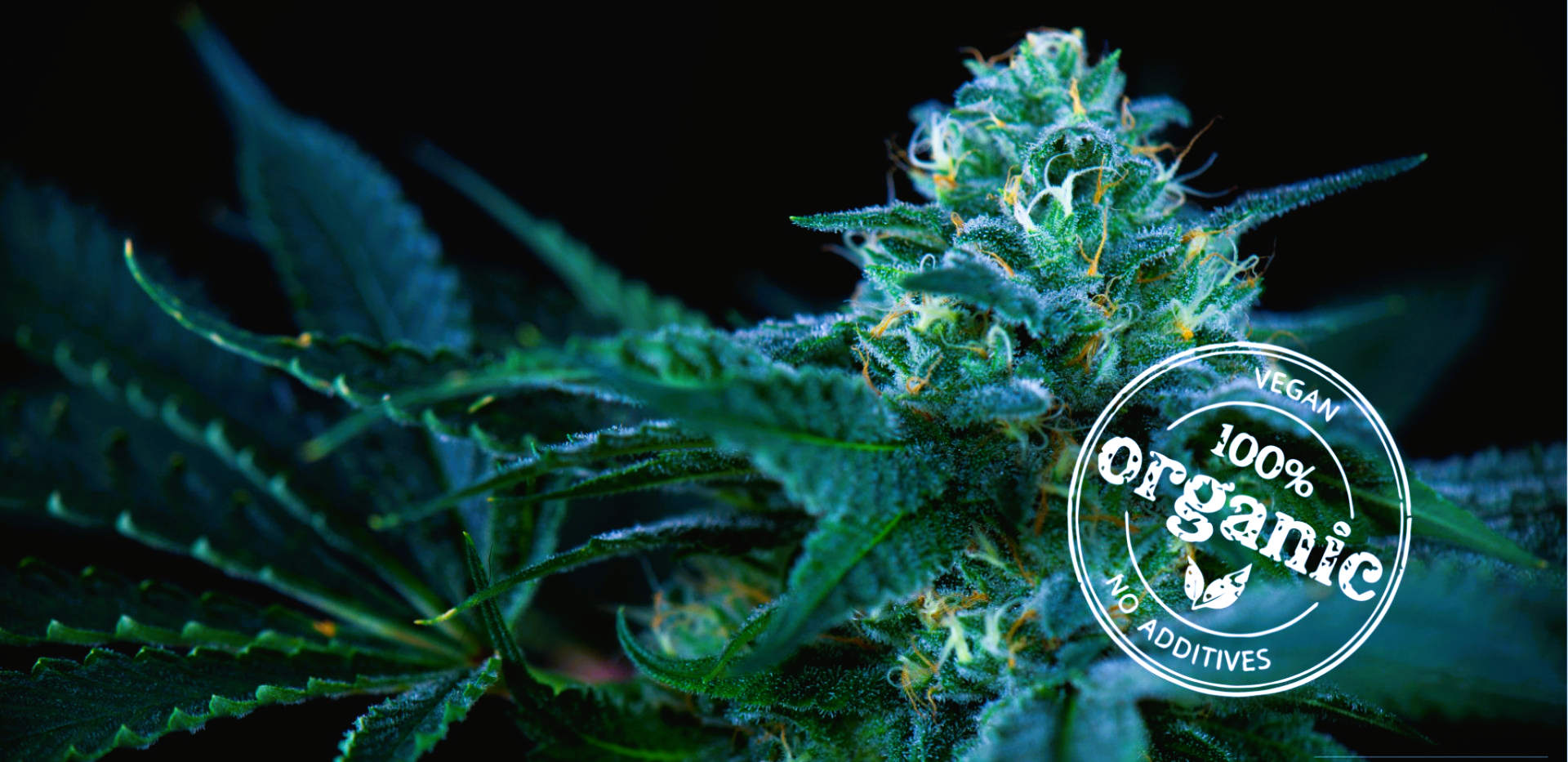
How to Grow Organic Cannabis.
Growing organic cannabis is a rewarding endeavor that involves cultivating cannabis plants using natural methods without synthetic chemicals. This approach not only produces high-quality cannabis but also promotes environmental sustainability. Here’s an in-depth guide to help you grow organic cannabis, covering every aspect from choosing the right strain to harvesting and curing your buds.
1. Choosing the Right Strain
Climate Compatibility
- Hot Climates: Strains like Durban Poison, Acapulco Gold, and Amnesia Haze are well-suited for high temperatures.
- Cold Climates: Northern Lights, White Widow, and Blueberry can withstand cooler temperatures.
- Humid Climates: Jack Herer, Green Crack, and Super Silver Haze resist mold and mildew.
- Dry Climates: Afghan Kush, OG Kush, and Hindu Kush thrive in arid conditions.
Indoor vs. Outdoor Growing
- Indoor: Compact strains like Northern Lights, Blue Cheese, and Granddaddy Purple are ideal for limited space.
- Outdoor: Taller strains like Sour Diesel, Super Lemon Haze, and Chocolope can grow large and bushy.
Medical Use of Organic Cannabis
Organic cannabis is highly valued for its medicinal properties, providing relief for various ailments without the potential risks associated with synthetic chemicals. Growing your own organic cannabis ensures that you have access to pure, uncontaminated medicine tailored to your needs. Here’s a detailed look at the medical use of organic cannabis, including how to choose the right strains and the benefits of different cannabinoids.
Benefits of Organic Cannabis for Medical Use
- Purity and Safety
- No Synthetic Chemicals: Organic cannabis is grown without synthetic pesticides, herbicides, or fertilizers, ensuring that the final product is free from harmful residues.
- Enhanced Health Benefits: The natural growing process preserves the plant’s full spectrum of cannabinoids, terpenes, and flavonoids, which can enhance the medicinal effects through the entourage effect.
- Environmental Sustainability
- Eco-Friendly Practices: Organic cultivation methods promote soil health, reduce pollution, and support biodiversity, contributing to a healthier environment.
- Sustainable Agriculture: By using organic methods, growers can reduce their carbon footprint and promote long-term agricultural sustainability.
- Personal Control
- Tailored Medicine: Growing your own cannabis allows you to select specific strains and control the growing conditions, ensuring a consistent and reliable supply of medicine.
Choosing the Right Strains for Medical Use
Selecting the appropriate strain is crucial for addressing specific medical conditions. Here are some recommendations based on common ailments:
- Pain Relief
- High-CBD Strains: Strains with a high CBD content are effective for pain management without the psychoactive effects of THC. Examples include:
- ACDC: Well-known for relieving pain without causing a tripping because to its high CBD level and low THC content.
- Harlequin: A balanced CBD/THC ratio, offering pain relief and mild euphoria.
- Cannatonic: High CBD with low THC, effective for chronic pain and muscle spasms.
- High-CBD Strains: Strains with a high CBD content are effective for pain management without the psychoactive effects of THC. Examples include:
-
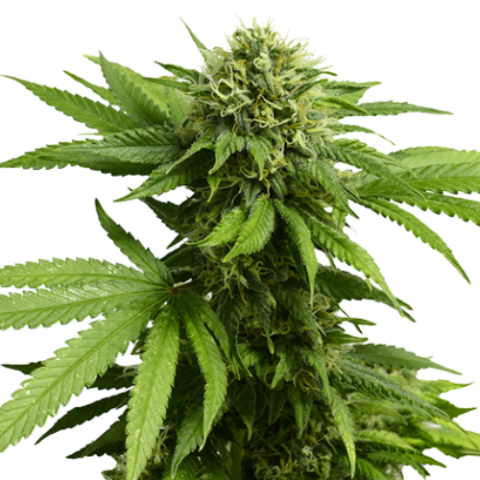 CBD ACDC Cannabis SeedsFrom: $24.99
 -
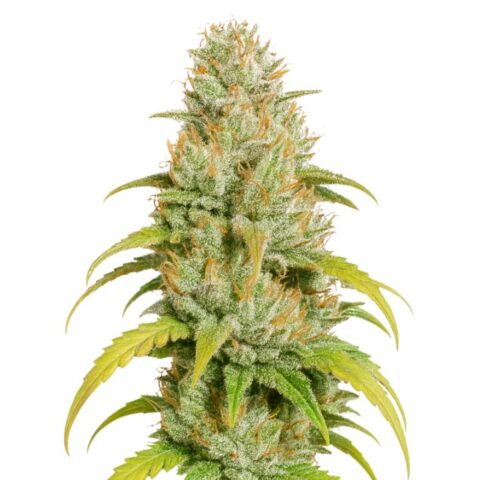 Harlequin CBD Cannabis SeedsFrom: $24.99
 -
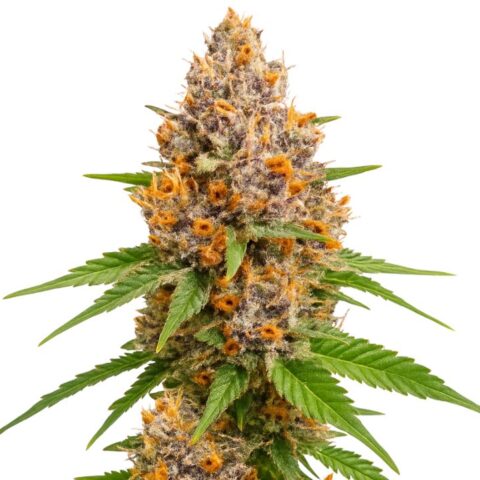
 Cannatonic CBD Cannabis SeedsFrom: $24.99
- Anxiety and Depression
- Balanced Strains: Strains with a balanced ratio of CBD to THC can help manage anxiety and depression by providing a calming effect without excessive psychoactivity. Examples include:
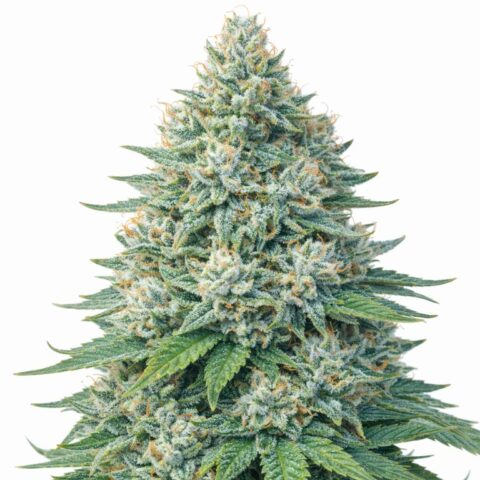
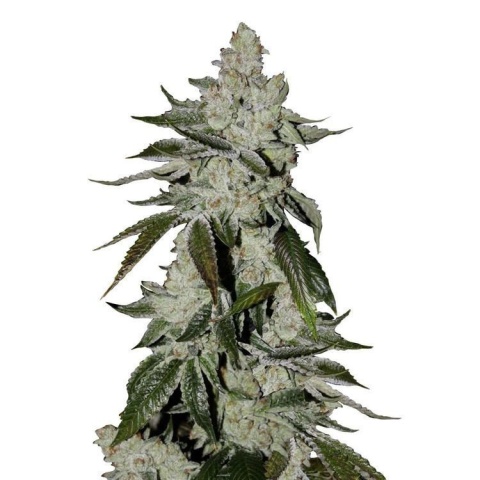
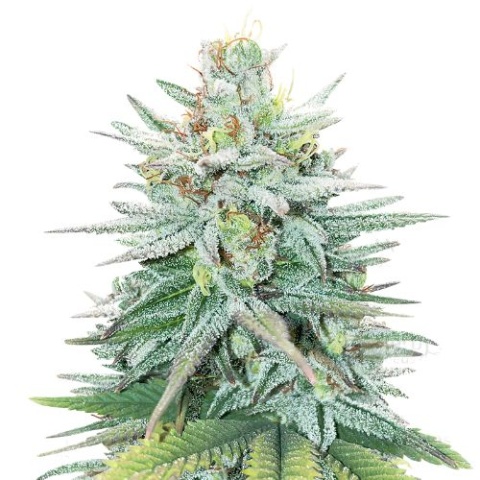
- Girl Scout Cookies: Offers relaxation and euphoria, helping to alleviate anxiety and depression.
- Cherry Pie: Known for its uplifting and calming effects, suitable for managing mood disorders.
- Blue Dream: A balanced hybrid that provides relaxation and euphoria, reducing anxiety and stress.
- Balanced Strains: Strains with a balanced ratio of CBD to THC can help manage anxiety and depression by providing a calming effect without excessive psychoactivity. Examples include:
-
Blue Dream Cannabis SeedsFrom: $24.99
-
Girl Scout Cookies Cannabis SeedsFrom: $24.99
-
Cherry Pie Cannabis SeedsFrom: $24.99
- Sleep Disorders
- Indica-Dominant Strains: Indica strains are known for their sedative effects, making them ideal for insomnia and other sleep disorders. Examples include:
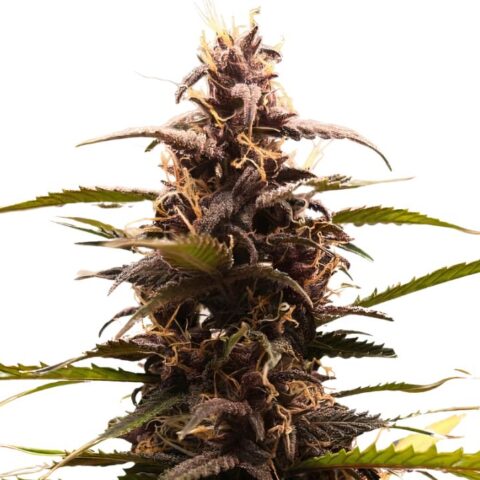
- Bubba Kush: Provides deep relaxation and sedation, promoting restful sleep.
- Purple Kush: A pure indica strain that induces relaxation and sleepiness.
- God’s Gift: Known for its potent sedative effects, helping to combat insomnia.
- Indica-Dominant Strains: Indica strains are known for their sedative effects, making them ideal for insomnia and other sleep disorders. Examples include:
-
Purple Kush Cannabis SeedsFrom: $24.99
-
Bubba Kush Cannabis SeedsFrom: $24.99
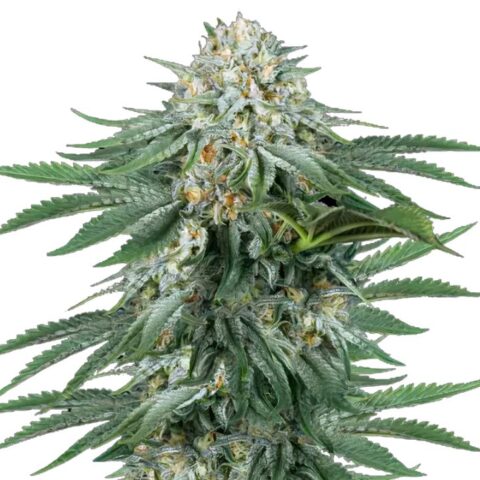
- Nausea and Appetite Stimulation
- THC-Rich Strains: Strains high in THC are effective for reducing nausea and stimulating appetite, making them beneficial for patients undergoing chemotherapy or suffering from eating disorders. Examples include:
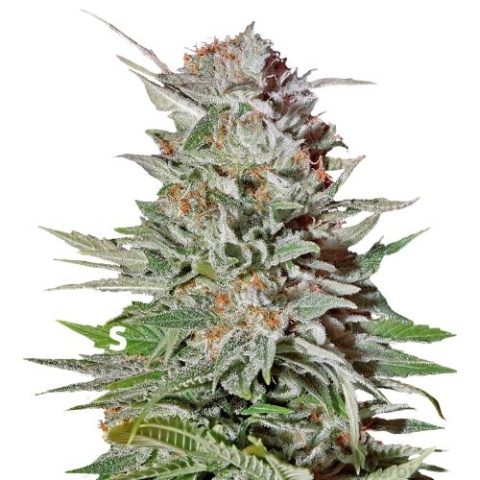
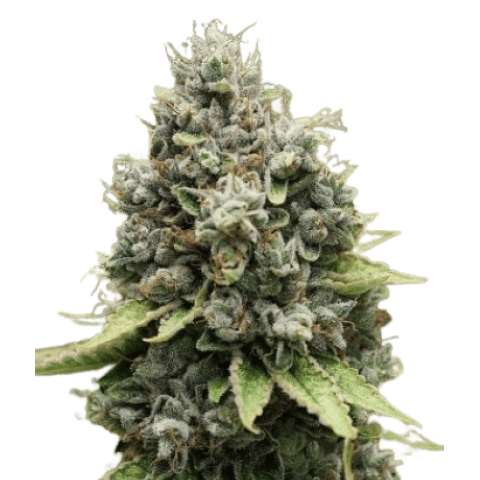
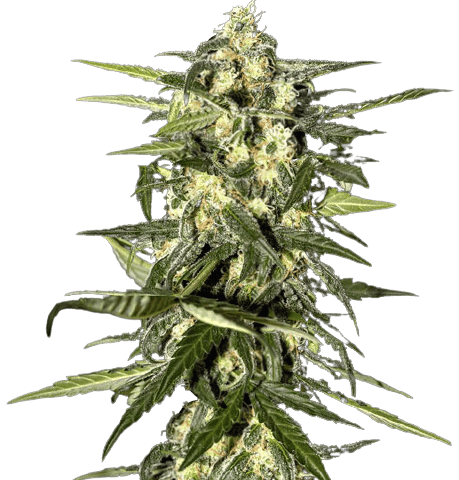
- Sour Diesel: Provides energy and appetite stimulation, helping to combat nausea.
- Jack Herer: Known for its uplifting effects and ability to reduce nausea.
- Super Lemon Haze: Offers a balance of euphoria and appetite stimulation, suitable for patients with eating disorder.
- THC-Rich Strains: Strains high in THC are effective for reducing nausea and stimulating appetite, making them beneficial for patients undergoing chemotherapy or suffering from eating disorders. Examples include:
-
Super Lemon Haze Cannabis SeedsFrom: $24.99
-
Sour Diesel Cannabis SeedsFrom: $24.99
-
 Jack Herer Cannabis SeedsFrom: $24.99
Cannabinoids and Their Medical Benefits
Understanding the different cannabinoids in cannabis can help tailor the treatment to specific conditions:
- CBD (Cannabidiol)
- Anti-Inflammatory: Reduces inflammation and is effective for conditions like arthritis.
- Anti-Anxiety: Helps manage anxiety and stress without psychoactive effects.
- Neuroprotective: Provides protection for neurological conditions such as epilepsy and multiple sclerosis.
- THC (Tetrahydrocannabinol)
- Pain Relief: Effective for chronic pain and neuropathic pain.
- Appetite Stimulation: Increases appetite, beneficial for patients with cancer or eating disorders.
- Anti-Nausea: Reduces nausea, especially in chemotherapy patients.
- CBN (Cannabinol)
- Sedative: Known for its sedative effects, making it useful for sleep disorders.
- Pain Relief: Provides mild pain relief, complementing other cannabinoids.
- CBG (Cannabigerol)
- Anti-Inflammatory: Reduces inflammation and pain.
- Antibacterial: Has potential antibacterial properties.
- Terpenes
- Myrcene: Sedative and relaxing, enhances the effects of THC.
- Limonene: Uplifting and mood-enhancing, helps reduce anxiety.
- Linalool: Calming and anti-anxiety, contributes to the sedative effects of certain strains
Growth Characteristics
- Pest and Disease Resistance: Strains like Northern Lights, OG Kush, and White Widow are known for their resilience.
- Yield Potential: High-yielding strains include Big Bud, Critical Mass, and Amnesia Haze.
- Flowering Time: For a shorter growing cycle, strains like Northern Lights, Blueberry, and Quick One (autoflowering) are preferable.
2. Preparing Your Growing Medium
Organic Soil
Using high-quality organic soil is crucial for healthy cannabis plants. You can either purchase organic soil from a garden center or make your own mix. A good organic soil mix includes:
- Compost: Provides a rich source of nutrients and beneficial microbes.
- Coconut Coir: Enhances aeration and water retention.
- Perlite: Improves drainage.
- Worm Castings: Supply essential nutrients and beneficial bacteria.
Making Compost
Compost can be made at home using kitchen scraps, garden waste, and other organic materials. Retain a balance between brown (rich in carbon) and green (rich in nitrogen) components. Regularly turn the compost to ensure proper aeration and decomposition.
3. Nutrients and Fertilizers
Organic Nutrients
Feeding your plants with organic nutrients is essential for their growth and health. Some common organic fertilizers include:
- Compost Tea: A nutrient-rich liquid made by steeping compost in water. It boosts microbial activity and provides essential nutrients.
- Fish Emulsion: A nitrogen-rich fertilizer derived from fish waste, promoting healthy vegetative growth.
- Bone Meal: Provides phosphorus, essential for root development and flowering.
- Kelp Meal: Supplies potassium and trace minerals, enhancing overall plant health.
- Bat Guano: Rich in either nitrogen or phosphorus, depending on the type, it supports robust growth and flowering.
4. Watering
Quality of Water
Use clean, pH-balanced water for your plants. Rainwater or filtered water is preferable to avoid chlorine and other chemicals found in tap water.
Watering Schedule
Keep up a regular watering regimen to prevent the soil from becoming too wet. Underwatering can result in nutrient shortages, while overwatering can induce root rot.
5. Pest and Disease Management
Natural Methods
Preventing pests and diseases is crucial for organic growing. Here are some natural methods:
- Companion Planting: Plant herbs like basil, mint, or marigold nearby to repel pests.
- Neem Oil: A natural pesticide and fungicide that can be applied to plants to control pests and prevent fungal infections.
- Beneficial Insects: Introducing ladybugs and predatory mites can help control pests like aphids and spider mites.
- Diatomaceous Earth: A natural powder that can be sprinkled around plants to deter crawling insects.
6. Light
Indoor Lighting
For indoor growing, use full-spectrum LED lights to mimic natural sunlight. Make certain that your plants receive 12 hours of light during the flowering period and 18–24 hours during the vegetative stage.
Outdoor Light
For outdoor growing, ensure your plants receive at least 6-8 hours of direct sunlight daily. Position them in a spot that maximizes light exposure while protecting them from harsh weather conditions.
7. Air Circulation and Ventilation
Indoor Airflow
Ensure proper air circulation to prevent mold and mildew. Use oscillating fans to circulate air and maintain a consistent temperature and humidity level.
Outdoor Airflow
Plant in a well-ventilated area to lower the chance of pests and mold growth. To guarantee that every plant has adequate room to breathe, try not to overcrowd them.
8. Training and Pruning
Training Techniques
Training your plants can maximize yields and improve light penetration. Some common techniques include:
- Topping: Cutting the top of the plant to promote bushier growth and multiple colas.
- Low-Stress Training (LST): bending and fastening branches to enhance light exposure and establish a uniform canopy.
- Screen of Green (ScrOG): Using a screen to spread out the plant canopy, increasing light penetration and yield.
Pruning
To enhance air circulation and get rid of dead or yellowing leaves, trim your plants on a regular basis. Pruning also directs the plant’s energy to the main colas, enhancing bud development.
9. Harvesting
Timing
When to harvest your plants to get the most flavor and potency. Look for the following signs:
- Trichomes: When the trichomes are milky white with some amber-colored, it’s time to harvest.
- Pistils: Most of the pistils should have turned brown or reddish-orange.
Harvesting Process
Carefully cut the branches and remove large fan leaves. Take care not to damage the trichomes by handling the buds roughly.
10. Drying and Curing
Drying
Hang the branches upside down in a dark, well-ventilated room with a temperature of 60-70°F (15-21°C) and humidity around 50-60%. Drying usually takes 7-10 days, depending on the environment.
Curing
Once the buds are dry, place them in airtight glass jars. For the first week, keep the jars in a cool, dark place and open them every day to let out any extra moisture. Open the jars once a week after the first one. Curing can take two to four weeks or longer and improves the flavor, strength, and smoothness of the buds.
Final Tips for Success
To ensure a successful organic cannabis growing experience, here are some final tips that encapsulate the essential aspects of the process and provide additional insights:
Start Small
Begin with a Few Plants: If you’re new to growing cannabis, starting small allows you to manage your garden more easily and learn the intricacies of organic cultivation without feeling overwhelmed. This approach minimizes potential losses and helps you gain valuable experience.
Monitor Plants Closely
Regular Inspections: Frequently check your plants for signs of pests, nutrient deficiencies, or any other issues. Major issues can be avoided from becoming more serious by detecting and treating smaller ones early on.
- Pest Signs: Look for yellowing leaves, bite marks, or tiny insects on your plants.
- Nutrient Deficiencies: Monitor for discoloration or abnormal growth patterns, which can indicate a lack of essential nutrients.
Keep a Journal
Detailed Records: Maintain a detailed journal documenting your growing process. Note down watering schedules, nutrient feedings, pruning activities, and any problems encountered.
- Learning Tool: This record serves as a valuable reference for future grows, helping you refine your techniques and avoid past mistakes.
- Growth Patterns: Tracking growth patterns can help you understand how different strains respond to various conditions.
Stay Informed
Continual Learning: The world of cannabis cultivation is constantly evolving. Stay updated with the latest organic growing practices by reading books, joining online forums, and watching instructional videos.
- Networking: Engage with other growers to exchange tips, share experiences, and gain new insights.
- Research: Keep abreast of scientific research and developments in cannabis horticulture.
Invest in Quality Tools and Materials
Proper Equipment: Invest in high-quality tools and materials, such as pH meters, soil testers, and grow lights. Reliable equipment ensures better control over your growing environment.
- Organic Supplies: Use reputable sources for organic soil, nutrients, and pest control products to ensure purity and effectiveness.
Maintain Hygiene
Clean Growing Environment: A clean growing space reduces the risk of pests and diseases. Regularly disinfect tools and equipment, and ensure your growing area is free from debris and mold.
- Sanitation Practices: Wash your hands before handling plants and avoid introducing contaminants from the outside environment.
Be Patient and Observant
Patience is Key: Organic growing is a slower process compared to using synthetic fertilizers and pesticides. Trust the natural process and be patient with your plants.
- Observation: Pay attention to your plants’ needs and respond accordingly. Each strain and individual plant may have unique requirements.
Optimize Environmental Conditions
Temperature and Humidity: Maintain optimal temperature (70-85°F or 20-29°C) and humidity levels (40-60%) for your plants. Use fans, heaters, or humidifiers as needed to create a stable environment.
- Light Cycle: Ensure your plants receive the correct amount of light. For indoor growing, control the light cycle to mimic natural conditions, with 18-24 hours of light during the vegetative stage and 12 hours during the flowering stage.
Practice Sustainable Methods
Water Conservation: Use water-efficient practices, such as drip irrigation or rainwater harvesting, to conserve water and reduce waste.
- Natural Amendments: Regularly add organic matter to your soil to maintain fertility and soil structure. This promotes a healthy microbial ecosystem.
Experiment and Adapt
Trial and Error: Try experimenting with various strains, methods, and products without fear. Modify your techniques according to what your particular plants and conditions require.
- Feedback Loop: Use feedback from each grow cycle to improve your practices. Adjustments and refinements are part of the learning process.
Respect Legal Regulations
Compliance: Ensure that your growing activities comply with local laws and regulations regarding cannabis cultivation. Understanding the legal landscape helps avoid potential legal issues.
By following these final tips and incorporating them into your organic cannabis growing routine, you’ll increase your chances of success. Growing organic cannabis is a rewarding journey that not only provides high-quality buds but also fosters a deeper connection with nature and sustainable practices. Embrace the process, continue to learn, and enjoy the fruits of your labor. Happy growing!
Conclusion
Growing organic cannabis is a journey that requires patience, dedication, and a deep respect for nature. The process of cultivating cannabis organically not only produces superior-quality buds but also contributes to environmental sustainability and personal well-being. Here’s a detailed recap of what you’ve learned and the benefits of growing cannabis organically:
The Essence of Organic Growing
Organic growing is all about using natural methods and materials to cultivate your cannabis plants. This approach eschews synthetic chemicals and pesticides, instead relying on the natural ecosystem to foster healthy plant growth. By building a healthy soil ecosystem, utilizing organic nutrients, and employing natural pest control methods, you create an environment where cannabis plants can thrive naturally.
Key Steps in Organic Cannabis Cultivation
- Choosing the Right Strain: Selecting a strain that suits your climate, growing conditions, and desired effects is crucial. Consider factors like climate compatibility, indoor vs. outdoor growing, medical or recreational use, and growth characteristics to make an informed choice.
- Preparing Your Growing Medium: Organic soil, rich in nutrients and beneficial microbes, forms the foundation of your plants’ health. You can use a high-quality commercial organic soil or create your own mix using compost, coconut coir, perlite, and worm castings.
- Nutrients and Fertilizers: Organic nutrients such as compost tea, fish emulsion, bone meal, kelp meal, and bat guano provide essential elements for your plants’ growth. These natural fertilizers promote robust root development, healthy vegetative growth, and abundant flowering.
- Watering: Using clean, pH-balanced water is vital. Rainwater or filtered water is ideal to avoid the harmful effects of chlorine and other chemicals. A consistent watering schedule ensures your plants receive the right amount of moisture.
- Pest and Disease Management: Organic pest control methods, including companion planting, neem oil, beneficial insects, and diatomaceous earth, help maintain a healthy garden without resorting to harmful chemicals.
- Light: Providing adequate light is essential for photosynthesis. Indoor growers can use full-spectrum LED lights, while outdoor growers should ensure their plants receive sufficient sunlight.
- Air Circulation and Ventilation: Proper air circulation prevents mold and mildew, and maintains optimal temperature and humidity levels. Fans and good ventilation are crucial for indoor grows, while outdoor plants benefit from a well-ventilated environment.
- Training and Pruning: Techniques like topping, low-stress training (LST), and pruning help maximize yields and improve light penetration, leading to healthier and more productive plants.
- Harvesting: Knowing the right time to harvest is key to obtaining potent and flavorful buds. Monitoring trichomes and pistils helps determine the optimal harvest time.
- Drying and Curing: Proper drying and curing enhance the flavor, potency, and smoothness of the buds. This process involves careful drying in a controlled environment and curing in airtight jars.
The Benefits of Organic Cannabis
- Healthier Plants and Buds: Organic growing produces cannabis that is free from synthetic chemicals, resulting in healthier plants and cleaner, safer buds for consumption.
- Enhanced Flavor and Potency: Organic cannabis often boasts superior flavor profiles and potency due to the natural nutrients and careful cultivation methods.
- Environmental Sustainability: Organic growing practices promote soil health, reduce pollution, and support biodiversity. By using natural materials and methods, you contribute to a healthier planet.
- Personal Satisfaction: Growing cannabis organically is a fulfilling and educational experience. It connects you with nature and teaches you valuable skills in sustainable agriculture.
Final Thoughts
Embarking on the journey of organic cannabis cultivation requires a commitment to learning and adapting. Each step, from selecting the right strain to harvesting and curing, plays a crucial role in the success of your grow. By embracing organic methods, you are not only cultivating high-quality cannabis but also fostering a deeper connection with the natural world.
Stay curious, keep learning, and continue to refine your techniques. Join online communities, read books, and share your experiences with fellow growers. The knowledge and skills you gain will not only benefit your cannabis garden but also enhance your overall appreciation for sustainable living and natural cultivation practices.
Growing organic cannabis is more than just a method; it’s a philosophy that celebrates the harmony between plants and their environment. By choosing to grow organically, you are making a positive impact on your health, your community, and the planet. Enjoy the process and may your organic cannabis garden flourish abundantly.
