Table of Contents
How to Grow One Plant Per Seed Efficiently
Growing one cannabis plant per seed efficiently is a cornerstone of small-scale and personal cultivation. This method allows for a highly controlled environment tailored to the needs of a single plant, which can translate into optimized growth, higher yield per plant, and superior quality. Whether grown indoors or outdoors, growing one plant per seed involves strategic planning, precision in care, and a thorough understanding of plant biology.
1. Seed Selection and Genetics
Efficient cultivation starts with high-quality genetics. Choosing the right seed determines the plant’s growth pattern, resistance to stress, cannabinoid profile, and yield potential.
Types of Seeds:
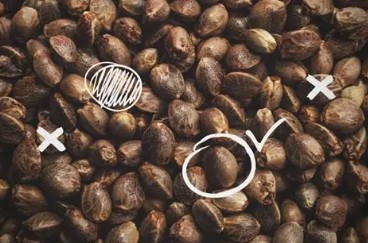
- Regular Seeds Generate plants that are both male and female. If you want a guaranteed flower-producing plant, you must identify and discard males.
- Feminized Seeds are genetically modified to produce only female plants, which bear the cannabinoid-rich flowers.
- Autoflowering Seeds switch to the flowering phase based on age rather than light cycle and are ideal for quick, simple grows but often yield less.
Tip: For one-plant grows, feminized photoperiod strains offer the best control and yield, especially indoors.
2. Medium and Container Selection
Your choice of growing medium and container directly affects root development, nutrient absorption, and water retention.
Growing Mediums:
- Soil: Organic and forgiving, ideal for beginners.
- Coco Coir: Excellent oxygenation and nutrient retention, best with regular feeding.
- Hydroponics: Maximizes growth rate and yield but requires technical knowledge.
Container Size:
- Indoor: Use 3–5 gallon (11–19 L) fabric pots for full growth cycles.
- Outdoor: 7+ gallon (26+ L) pots or in-ground for maximum root spread.
Tip: Fabric pots promote air pruning, preventing root-bound conditions and improving efficiency.
3. Environment Control (Indoor Grows)
Creating a stable, optimized environment is critical for maximizing one plant’s potential.
Key Environmental Factors:
- Light: Provide full-spectrum LED or HPS lights with at least 300–600 PPFD. For veg, run 18–24 hours of light; for flower, switch to 12/12.
- Temperature: Keep between 70–85°F (21–29°C) during veg, and 65–80°F (18–27°C) during flowering.
- Humidity: Maintain 40–70% in veg and 40–50% during flowering.
- Airflow: Use oscillating fans and carbon filters to circulate air and control odors.
Tip: Invest in a digital hygrometer and thermometer to monitor conditions precisely.
4. Nutrition and Watering
A single plant still needs a full nutrient spectrum, but overfeeding is a risk.
Nutrient Phases:
- Vegetative Stage: High nitrogen (N) intake supports leafy growth.
- Flowering Stage: Boost phosphorus (P) and potassium (K) for bud development.
Use cannabis-specific nutrients or organic amendments like worm castings, bat guano, and kelp meal.
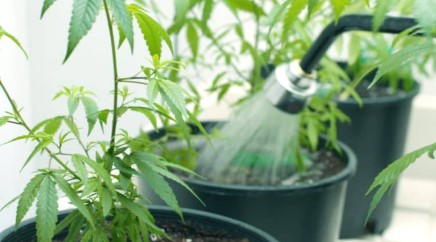
Watering Best Practices:
- When the top 1-2 inches (2.5-5 cm) of soil is completely dry, water.
- Ensure pH between 6.0–6.5 in soil and 5.8–6.2 in hydro/coco.
- Use filtered or dechlorinated water to avoid soil microbiome disruption.
Tip: Record feedings and runoff pH/EC to catch early signs of deficiency or salt buildup.
5. Training Techniques for One Plant
Training is essential for maximizing canopy light exposure and yield from a single plant.
Low-Stress Training (LST):
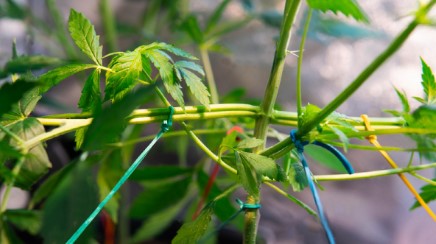
- Tie down main branches early in veg to flatten canopy and create multiple tops.
- Great for small grow spaces.
High-Stress Training:
- Topping: Cut the main stem above a node to promote side growth.
- FIMing: Similar to topping but less aggressive, can produce 3–4 main colas.
Screen of Green (ScrOG):
- Use a mesh screen to guide branch growth horizontally.
- Maximizes bud site exposure and yield in limited vertical space.
Tip: Start training early (weeks 2–3 of veg) and continue adjusting throughout the vegetative phase.
6. Pest and Disease Prevention
One plant doesn’t mean less risk pests or mold can still ruin the harvest.
Prevention Tactics:
- Maintain cleanliness in your grow area.
- Preventatively use insecticidal soap or neem oil.
- Sticky traps for fungus gnats and thrips.
- Ensure good air circulation to avoid mold/mildew.
Common Issues:
- Spider Mites: Look for webbing under leaves.
- Powdery Mildew: White, dusty coating on leaves.
- Root Rot: Caused by overwatering or poor drainage.
Tip: Inspect your plant daily, including under leaves and around the base.
7. Flowering and Bud Development
Transitioning your plant into the flowering stage marks the beginning of critical yield development.
Light Cycle (Photoperiod):
- Change to 12 hours of complete darkness.
- Use timers to ensure consistency.
Bud Development Stages:
- Weeks 1–3: Stretch and pre-flower.
- Weeks 4–5: Buds begin to bulk.
- Weeks 6–8+: Resin production increases, pistils change color, and trichomes mature.
Tip: Avoid major stress during flowering (e.g., pruning or transplanting), as it can reduce yield or cause hermaphroditism.
8. Harvesting Efficiently
Harvest timing affects potency, flavor, and yield.
Indicators:
- Pistils: 70–90% have darkened and curled in.
- Trichomes: Use a microscope to check color.
- Clear = immature
- Cloudy = peak THC
- Amber = more CBN, sedative effects
Harvest Process:
- Cut branches and trim fan leaves.
- Perform wet or dry trimming based on preference and humidity.
Tip: Harvest in a dark period (before lights come on) to preserve terpenes and reduce stress hormone levels in the plant.
9. Drying and Curing
Post-harvest steps are critical for quality, taste, and smoothness.
Drying:
- Hang branches in a dark room at 60–70°F and 50–60% humidity.
- Dry for 7–14 days until stems snap, not bend.
Curing:
- Place buds in airtight glass jars.
- Open jars daily for 10–15 minutes for the first 1–2 weeks (burping).
- For optimal effects, cure for at least two to four weeks.
Tip: Use humidity packs to maintain 58–62% RH during curing.
10. Maximizing Efficiency: Tips and Tools
- Grow Tents: Provide a controlled environment for one-plant indoor grows.
- Digital Timers: Automate lighting and feeding schedules.
- Smart Sensors: Track temperature, humidity, and VPD remotely.
- Journaling: Log everything strain, dates, feed schedule, symptoms to improve each future grow.
Legal and Ethical Considerations:
- Always check your local laws regarding cultivation limits and plant counts.
- Keep grows discreet and secure, especially in shared residences.
Conclusion
Growing one plant per seed efficiently is a practice that combines science, precision, and patience. It allows hobbyists and personal users to deeply understand plant development while yielding high-quality flowers. With the right genetics, environmental control, training, and care, a single cannabis plant can produce impressive results rivaling multi-plant grows. Whether for personal use, breeding, or experimentation, focusing on a single plant encourages mindfulness and mastery of the cultivation process.
