Table of Contents
How to grow marijuana outside
Outdoor cannabis cultivation has been practiced for millennia, taking advantage of the natural sunlight, air circulation, and cost-effectiveness. Unlike indoor cultivation, outdoor growing leverages environmental elements, making understanding ecological, biological, and environmental science vital. This guide explores the cultivation process in-depth, rooted in botany, soil science, agronomy, and climate biology.
Choosing the Right Strain for Outdoor Growth
Climate Compatibility
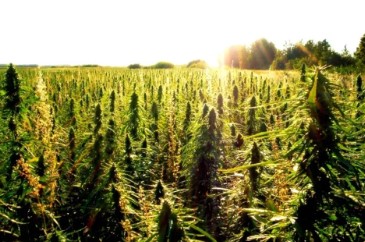
Select strains based on local climate:
- Equatorial climates (e.g., Colombia, Thailand) – Long-flowering sativas.
- Temperate climates (e.g., California, Spain) – Hybrids.
- Short-season climates (e.g., Canada, Northern U.S.) – Autoflowers or early-finishing indicas.
Photoperiod vs Autoflowering
- Photoperiod strains require specific light cycles to flower.
- Autoflowers flower based on age, suitable for unpredictable climates.
Site Selection
Sunlight Exposure
Cannabis thrives with 8–12 hours of direct sunlight. South-facing slopes are ideal in the Northern Hemisphere. Use solar calculators or apps to assess seasonal sun movement.
Airflow and Humidity
Good airflow reduces pests and mold. Avoid valleys or low-lying areas prone to stagnant air and high humidity. Gentle breezes help strengthen plant stems.
Security and Discretion
Choose discreet locations:
- Use fencing and natural camouflage (e.g., companion plants).
- Consider laws and neighbors’ visibility.
Soil Science and Preparation
Soil Composition
Ideal soil is loamy – a mix of sand (40%), silt (40%), and clay (20%) – ensuring drainage, water retention, and aeration.
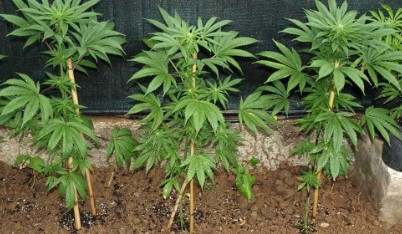
Soil pH and Microbiome
- Optimal pH: 6.0–6.8
- Promote a healthy rhizosphere with:
- Compost
- Mycorrhizal fungi
- Beneficial bacteria (e.g., Bacillus subtilis)
Amending Native Soil
Test soil for NPK (nitrogen, phosphorus, potassium), pH, and texture.
Common amendments:
- Compost/earthworm castings – Adds microbes and organic matter.
- Perlite/pumice – Increases drainage.
- Bone meal/rock phosphate – Boosts phosphorus.
- Kelp meal – Adds potassium and micronutrients.
Germination and Transplanting
Germination Methods
- Paper towel method
- Soil planting (0.5–1 inch deep)
- Starter plugs or jiffy pellets
Maintain temps between 70–85°F and humidity around 70%.
Hardening Off
Before transplanting seedlings outdoors, gradually acclimate them to sunlight, wind, and temperature over 7–10 days.
Transplanting Timing
Wait until the last frost date has passed. Soil should be consistently above 60°F. Transplant during early morning or evening to reduce transplant shock.
Watering Strategies
Water Quality
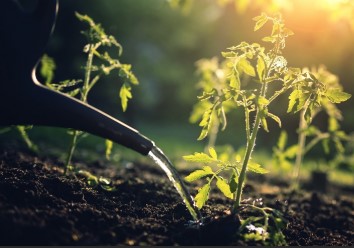
Use dechlorinated water if possible. pH range should remain between 6.0–7.0. Rainwater and well water are usually ideal, but test for heavy metals and pH.
Irrigation Techniques
- Drip irrigation – Efficient, targets root zone.
- Mulching – Conserves moisture, suppresses weeds.
- Deep watering – Encourages root expansion.
Avoid overwatering – signs include drooping and yellowing.
Nutrient Management
Macronutrients
- Nitrogen (N) – Vital for vegetative growth.
- Phosphorus (P) – Flower formation and root development.
- Potassium (K) – Regulates water, improves resilience.
Micronutrients
- Zinc, magnesium, calcium, boron – support enzyme function and bud formation.
Nutrient Application
Use organic fertilizers:
- Vegetative stage – High in nitrogen (e.g., fish emulsion, alfalfa meal).
- Flowering stage – Low nitrogen, high phosphorus and potassium (e.g., bat guano, seabird guano, wood ash).
Avoid synthetic over-fertilization; it can kill beneficial microbes and lead to salt buildup.
Plant Training and Support
Low-Stress Training (LST)
Gently bend and tie branches to promote horizontal growth and increase light penetration.
High-Stress Training (HST)
Techniques include topping (removing the apical tip), super cropping (pinching stems), and fimming to encourage multiple colas.
Trellising and Staking
Use tomato cages, bamboo stakes, or SCROG (screen of green) setups to support heavy buds.
Pest and Disease Management
Integrated Pest Management (IPM)
- Monitor regularly.
- Encourage natural predators (e.g., ladybugs, lacewings).
- Use physical barriers like neem oil, diatomaceous earth.
Common Pests
- Spider mites – Tiny, often under leaves.
- Aphids – Suck sap, weaken growth.
- Caterpillars – Cause bud rot.
Common Diseases
- Powdery mildew – White fungus on leaves.
- Bud rot (Botrytis) – Gray mold that destroys flowers.
- Fusarium or Pythium – Root rots from waterlogged soil.
Use microbial inoculants (e.g., Trichoderma) and ensure airflow to mitigate disease.
Environmental Management
Wind Protection
While light wind strengthens stems, intense gusts can cause damage. Use natural windbreaks or protective fencing.
Rain and Humidity
- Excessive moisture fosters mold.
- Cover plants with plastic greenhouses or tarps during storms.
- Space plants adequately (3–6 ft) for airflow.
Flowering and Ripening
Triggering Flowering
Photoperiod strains begin flowering when days shorten (around late July to August in most temperate zones). Autoflowers initiate based on age (~3–5 weeks).
Bud Development
Buds swell and become resinous in final weeks. Pistils darken and trichomes shift from clear to cloudy/amber.
Outdoor vs. Indoor Considerations
| Factor | Outdoor | Indoor |
|---|---|---|
| Light Source | Sunlight (free) | Artificial (costly, but controlled) |
| Space | Virtually unlimited | Limited |
| Cost | Low | High |
| Environmental Control | Minimal | Complete |
| Harvests/year | Usually 1 | Multiple (with controlled lighting) |
| Pest Risk | Higher | Lower |
Sustainability and Environmental Impact
Soil Regeneration
Use cover crops like clover or alfalfa during the off-season to fix nitrogen and improve soil structure.
Water Conservation
- Employ rainwater harvesting.
- Mulch heavily to reduce evaporation.
- Avoid runoff into local waterways.
Organic Practices
- Eschew chemical pesticides and fertilizers.
- Foster biodiversity with companion plants (e.g., marigolds for pest control, basil to improve terpene production).
Conclusion
Growing cannabis outdoors is both an art and a science. Success hinges on understanding plant biology, tailoring cultivation to your specific environment, and using sustainable practices that honor the ecosystem. With time and attention, outdoor cannabis can yield abundant, high-quality harvests that reflect the synergy between plant and planet.
