Table of Contents
How to grow marijuana
Introduction to Growing Marijuana
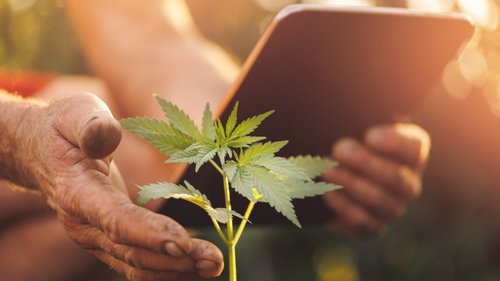
The cultivation of cannabis, with its origins tracing back millennia, has evolved dramatically, particularly with the advent of modern horticulture. As cannabis legalization expands globally for both medicinal and recreational use, a thorough understanding of the cultivation process is invaluable for both beginners and seasoned growers. This introduction aims to outline the fundamental components critical for successful cannabis growth.
Botanical Characteristics
Cannabis sativa, commonly referred to as cannabis, is an annual dioecious flowering herb originally from Eastern Asia, now grown worldwide. This plant features distinct serrated leaves, robust stems, and flowering buds that are rich in cannabinoids such as tetrahydrocannabinol (THC) and cannabidiol (CBD). The genetic composition of cannabis not only dictates its growth behavior and resilience but also influences the potency and types of cannabinoids produced.
Cultivation Conditions
Optimal cannabis growth requires meticulous attention to several environmental factors:
- Light: Adequate lighting is crucial for cannabis, with specific light cycles tailored to its vegetative and flowering phases. Indoor growers often employ artificial lighting to simulate natural conditions.
- Soil: Cannabis thrives in well-aerated, nutrient-rich soil with good drainage, essential for healthy root growth. Many growers prefer soilless mixes or hydroponic setups to better manage nutrient delivery.
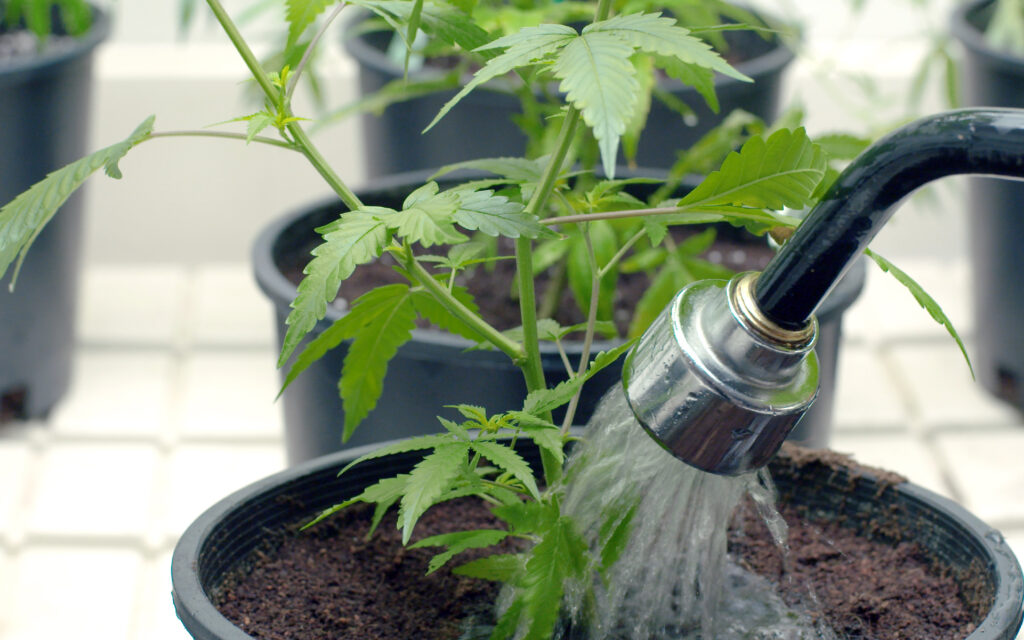
- Water: Regular and consistent watering is essential to maintain the appropriate soil moisture levels, avoiding both over and under-watering which can lead to nutrient issues and plant stress.
- Temperature and Humidity: Managing these elements is critical, especially indoors, to prevent mold and optimize plant health. Conditions should be adjusted carefully across different growth stages.
Cultivation Techniques
Several techniques are employed in the cultivation of cannabis, each requiring specific methods and presenting unique challenges:
- Indoor vs. Outdoor Cultivation: Indoor growing allows for more controlled environmental conditions, generally resulting in higher quality and potency. Outdoor growing utilizes natural sunlight and can be more cost-effective, though it is more vulnerable to environmental factors and may face legal restrictions.
- Pruning and Training: Techniques such as topping and low-stress training (LST) contribute to better light distribution and airflow throughout the plant, leading to notable improvements in yield and overall plant vitality.
- Pest Management: Employing integrated pest management (IPM) strategies is essential for keeping pests and diseases at bay. Organic and biological approaches are preferred to maintain the health and purity of the plants.
Legal Considerations
Prospective growers must thoroughly understand the legal framework surrounding cannabis cultivation in their locale, including required licenses, plant count limitations, and adherence to safety regulations.
Conclusion
Growing cannabis requires a blend of artistic flair and scientific precision, necessitating thorough understanding of plant biology, environmental factors, and adherence to legal regulations. Whether pursued as a personal interest or a business venture, becoming proficient in cannabis cultivation can bring significant satisfaction and economic advantages, especially amidst the ongoing growth and development of the industry. As restrictions lessen and the market for cannabis grows, expertise in its cultivation will become increasingly crucial.
Legal Considerations Before You Start
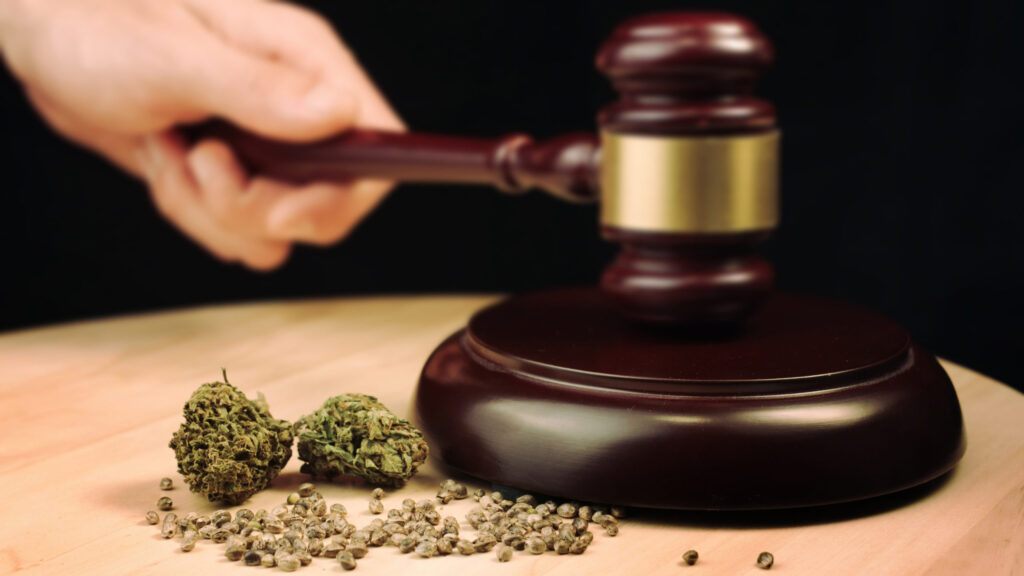
As cannabis legalization continues to expand across the globe, individuals interested in cultivating cannabis must carefully consider the legal landscape before beginning their operations. Whether the intent is personal use, medicinal production, or commercial growth, it is crucial to understand and adhere to the applicable laws to ensure legal compliance and avoid any legal issues. This document highlights essential legal considerations for prospective cannabis growers.
Navigating Local and National Regulations
- Diverse Legal Environments: The legality of cannabis varies significantly across different regions. While some localities have embraced legalization, cannabis may still be prohibited under national laws. It is critical for cultivators to familiarize themselves with both local and national laws and understand how they interact.
- Licensing and Permits: In many places, cultivators are required to secure licenses or permits, especially for commercial cultivation. These licenses typically come with various stipulations, such as security measures, detailed record-keeping, and periodic inspections by authorities.
- Zoning Restrictions: Prospective growers must also be aware of local zoning laws that may limit where cannabis can be cultivated. Restrictions often include distance from schools, parks, and other public facilities.
Adherence to Cultivation Restrictions
- Limits on Plant Numbers and Canopy Size: Legal jurisdictions that permit cannabis cultivation often impose limits on the number of plants and the allowable canopy area. These restrictions can vary based on whether the cultivation is for personal or commercial purposes and the type of cultivation license held.
- Standards for Product Safety and Testing: In legalized markets, cultivators must meet high standards for product safety, including regular testing for contaminants like pesticides. Cultivators may need to submit their products for lab testing to ensure they comply with regulatory standards regarding THC content and safety.
Regulations Governing Sales and Distribution
- Commercial Regulations: For those involved in commercial cultivation, it’s essential to grasp the regulations overseeing the sale and distribution of cannabis. These regulations often cover aspects such as packaging, labeling, and marketing to ensure they are safe and do not target minors.
- Tax Obligations: Legal cannabis operations face specific taxation rules that include detailed reporting requirements and potentially high tax rates.
- Adhering to these tax regulations is vital to prevent facing fines and penalties.
Protection of Intellectual Property
- Strain Development and Brand Protection: As the cannabis industry matures, safeguarding the intellectual property associated with unique strains and branding is increasingly important. Securing trademarks and patents can provide legal protections and significant market advantages.
Conclusion
Understanding the legal intricacies is a vital step for anyone considering entering the cannabis cultivation field. Conducting comprehensive research and seeking legal advice if necessary are prudent steps to ensure compliance with all legal requirements. Adhering to these legal standards not only prevents legal complications but also supports the credibility and longevity of the cultivation venture. As the regulatory landscape of the cannabis industry evolves, maintaining compliance with the law remains crucial for operational success.
Choosing the Right Cannabis Strains
The choice of cannabis strains is crucial for both growers and users, impacting cultivation dynamics and the efficacy and enjoyment derived from the end product. With a vast array of strains available, each possessing unique traits and potential effects, informed selection is essential. This guide offers a systematic approach to choosing the most suitable cannabis strains, taking into account various practical and personal considerations.
Strain Types and Genetic Makeup
- Categories of Strains: Cannabis strains fall into three primary categories: Indica, Sativa, and hybrids. Indicas typically produce calming effects and are preferred for relaxation and pain relief. Sativas, in contrast, tend to energize users and are ideal for daytime use to stimulate creativity and social interaction. Hybrid strains blend characteristics from both Indica and Sativa varieties, designed to produce particular effects or therapeutic benefits.
- Cannabinoid Content: The psychoactive and medicinal properties of a strain are largely determined by its THC and CBD content. High-THC strains are favored for their strong psychoactive effects, while high-CBD strains are chosen for their medical benefits without producing a significant high.
- The ratio of THC to CBD in a strain can signal its appropriateness for various purposes and individual preferences.
Cultivation Factors
- Environmental Suitability: Choosing a strain that matches the local climate and environmental conditions is vital for successful cultivation. Sativas generally require warmer climates and longer cultivation periods, whereas Indicas are more robust and adaptable to cooler climates with shorter growing seasons.
- Growth Characteristics and Yield: Considerations such as plant height, flowering time, and yield are crucial. These factors should align with the grower’s space availability and cultivation resources to ensure that the chosen strain can be managed effectively within the given constraints.
Therapeutic and Recreational Preferences
- Targeted Medical Benefits: For medicinal cannabis users, selecting a strain with the right cannabinoid profile is critical. Strains with high CBD levels are beneficial for managing anxiety, inflammation, and seizures, while those with high THC are effective for treating severe pain and stimulating appetite.
- Recreational Effects: Recreational preferences might include the type of high desired, such as whether the user prefers a relaxing or euphoric experience. The strain’s terpene profile, which influences its aroma and flavor, can also enhance recreational use by providing more enjoyable and varied sensory experiences.
Safety and Legal Issues
- Testing and Safety Standards: It is essential to ensure that the chosen strain is free from harmful contaminants, including pesticides and metals. Consumers should opt for products from reputable sources where strict safety standards are upheld.
- Adherence to Legislation: Ensuring that the selected strain and its potency comply with local laws is critical to avoid legal issues. Users should always verify that their activities align with regional cannabis regulations.
Conclusion
Selecting the right cannabis strain requires careful consideration of the plant’s genetic profile, cultivation needs, desired effects, and compliance with legal standards. Whether aimed at medical relief, recreational enjoyment, or cultivation efficiency, an informed approach to choosing cannabis strains ensures optimal outcomes. As knowledge and experience within the cannabis industry expand, users and growers are better equipped to make choices that suit their specific needs and circumstances.
Indoor vs. Outdoor Growing: Pros and Cons
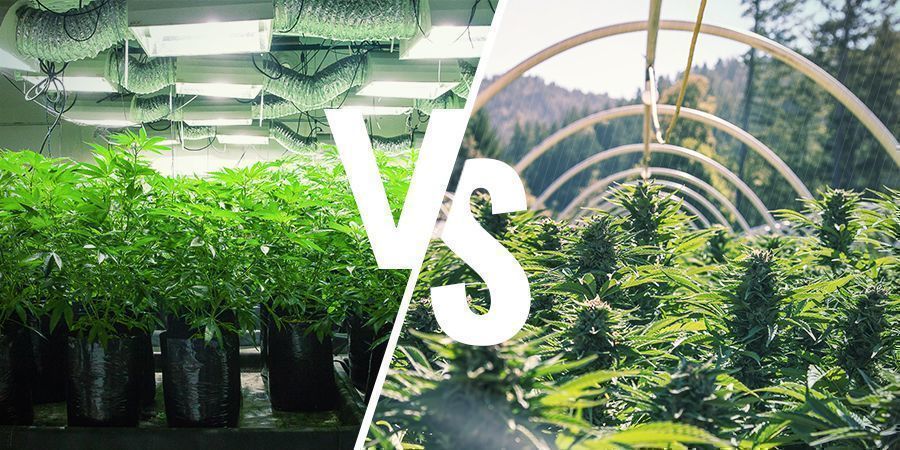
Cannabis cultivation can be conducted through two main methodologies: indoor and outdoor. Each approach offers unique benefits and poses specific challenges that can significantly influence the efficiency, quality, and profitability of the operation. This comparative analysis explores the pros and cons of indoor and outdoor cannabis growing, helping cultivators make informed decisions that best suit their production goals and local conditions.
Indoor Cannabis Cultivation
Advantages:
- Environmental Control: Indoor growing environments allow for meticulous control over factors such as temperature, humidity, lighting, and carbon dioxide levels, leading to consistently superior-quality cannabis. This control shields plants from external weather fluctuations.
- Year-Round Production: The ability to manipulate light cycles enables indoor growers to produce multiple harvests annually, as opposed to the single-season yield typical of outdoor settings.
- Enhanced Security and Privacy: Growing indoors offers heightened security against theft and keeps the cultivation process discreet, which is essential in areas where cannabis growing might draw unwanted attention or scrutiny.
Disadvantages:
- Higher Costs: Establishing an indoor grow facility requires substantial upfront investment in specialized equipment like lights and HVAC systems. The ongoing energy costs for these systems can also be significant.
- Complexity and Expertise Required: Successful indoor cultivation demands advanced knowledge of agricultural technologies and systems management to sustain optimal growing conditions.
- Space Constraints: The scale of indoor operations is often limited by the size of the facility, which can curtail production capabilities.
Outdoor Cannabis Cultivation
Advantages:
- Cost-Effectiveness: Outdoor growing significantly reduces initial and ongoing expenditures, as it eliminates the need for costly lighting and extensive climate control systems, relying instead on natural sunlight.
- Scalability: The expansive space available outdoors allows for larger plant growth and broader operational scale, enhancing potential yield volumes.
- Eco-Friendliness: Using natural sunlight reduces reliance on artificial energy sources, positioning outdoor cultivation as a more environmentally sustainable option.
Disadvantages:
- Environmental Risks: Outdoor plants are at the mercy of natural elements and external threats such as adverse weather, pests, and diseases, which can adversely affect the yield and quality.
- Seasonal Limitations: Outdoor cultivation generally restricts producers to one harvest per year, limiting productivity compared to the continuous cycles achievable indoors.
- Increased Security and Legal Challenges: Securing outdoor grow areas can be challenging, and these operations may face higher legal and compliance risks, especially in tightly regulated regions.
Conclusion
Choosing between indoor and outdoor cannabis cultivation involves weighing the specific advantages and disadvantages of each method. Indoor cultivation provides greater control over the growing environment and security, resulting in high-quality cannabis but requires significant technical expertise and investment. Outdoor cultivation is less expensive and more environmentally friendly but comes with greater exposure to environmental variables and potential legal complications. Cultivators must consider their unique circumstances, resources, and objectives when deciding on the optimal approach for their cannabis growing operations.
Essential Equipment for Growing Marijuana
Successful cannabis cultivation hinges on more than just expertise in plant care it also requires specific tools and equipment tailored to enhance the growing process. Both home growers and commercial cultivators must equip themselves with the necessary hardware to ensure optimal plant health and maximize yields. This guide provides an overview of the critical equipment needed for effective cannabis growing, encompassing both indoor and outdoor setups.
Equipment for Indoor Cannabis Cultivation
- Lighting Solutions: Adequate lighting is crucial for cannabis growth. Indoor growers generally use LED or HID lighting systems.
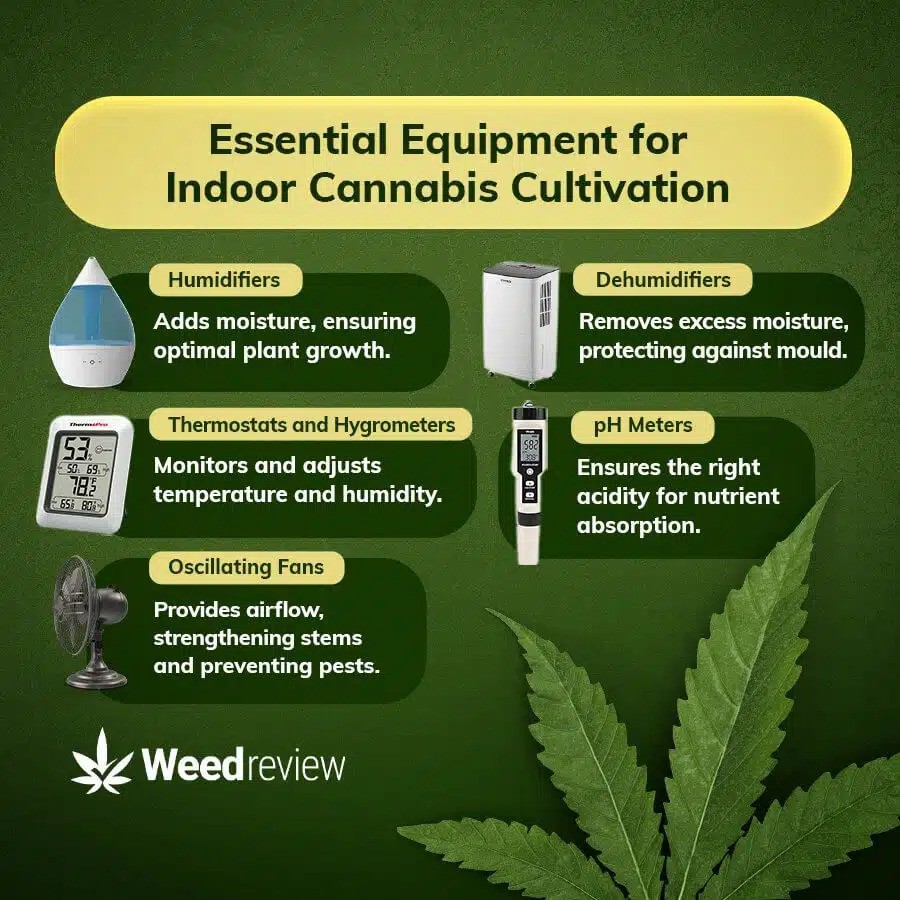
LEDs are preferred due to their efficiency and minimal heat emission, whereas HIDs, such as metal halide and high-pressure sodium lamps, are esteemed for their ability to stimulate growth effectively. - Climate Control Equipment: Managing the microclimate around cannabis plants is vital. Essential tools include HVAC systems to regulate air temperature and humidity, along with oscillating fans, dehumidifiers, and humidifiers to maintain the proper growing environment.
- Growing Mediums: Indoor cultivation can be soil-based or hydroponic. Hydroponics may involve systems such as ebb and flow, deep water culture, or aeroponics, requiring sophisticated setups with water pumps, nutrient delivery systems, and pH control equipment.
- Plant Containers and Hydroponic Reservoirs: Appropriate containers are necessary to support the root system and accommodate plant growth. Hydroponic setups also need reservoirs to hold the water and nutrient solution.
- Nutrients and pH Management Tools: Nutrient solutions are essential for plant nourishment, particularly in hydroponic systems. pH adjusters are also necessary to keep the nutrient solution at an optimal pH for plant absorption.
- Automation with Timer Systems: To streamline operations and ensure consistency in light exposure and watering, timers are indispensable in controlling lighting and irrigation systems.
Equipment for Outdoor Cannabis Cultivation
- Greenhouses: In climates that are not ideal for outdoor growing, greenhouses provide a controlled yet natural environment to protect plants from extreme weather while utilizing sunlight.
- Irrigation Systems: Effective watering mechanisms, such as drip irrigation or soaker hoses, are vital for outdoor grows, ensuring water efficiency and direct delivery to plant roots.
- Soil and Organic Amendments: Selecting high-quality soil and enriching it with compost and organic matter can greatly enhance soil fertility and moisture retention.
- Organic Pest Control: To safeguard outdoor cannabis plants from pests and diseases, organic pest control methods and protective barriers like netting and fencing are recommended.
- Plant Support Structures: Given the potential height of cannabis plants, especially Sativa varieties, supports such as stakes, trellises, and cages are essential to manage plant structure and support healthy growth.
Conclusion
Equipping oneself with the right cultivation tools is fundamental to the success of any cannabis growing operation. Whether managing an indoor controlled environment or harnessing the natural conditions outdoors, the appropriate equipment can make a significant difference in the health of the cannabis plants and the quality of the final yield. As the field of cannabis cultivation advances, staying updated on the latest tools and technologies remains crucial for both novice and experienced growers aiming to optimize their production capabilities.
Watering Techniques and Schedules
Watering is a critical component of cannabis cultivation, significantly influencing the health, development, and yield of the plants. Implementing the correct watering strategies is crucial to maintaining the ideal moisture balance in the soil, thus avoiding the detrimental effects of both overwatering and underwatering. This guide provides detailed insights into advanced watering techniques and scheduling that are tailored to meet the specific hydration needs of cannabis plants.
Determining Water Needs for Cannabis
The hydration requirements of cannabis plants can vary depending on several key factors, including the stage of growth, size of the plant, environmental conditions, and the growing medium used. For instance, young seedlings have lower water demands compared to fully mature plants, and plants in the flowering stage need increased water to support bud development.
Advanced Watering Techniques for Cannabis
- Monitoring Soil Moisture: It’s essential to check the soil’s moisture level frequently. The finger test, where the soil is felt at a depth of up to the second knuckle, is a practical method—if the soil feels dry at this depth, watering is necessary.
- Deep Watering Approach: This method involves thoroughly watering the plants so that moisture reaches deep into the soil, which encourages the roots to grow deeper. Ensuring that the soil partially dries between waterings is crucial for improving root oxygen levels and preventing root diseases.
- Drip Irrigation System: Ideal for both indoor and outdoor settings, drip irrigation delivers water slowly and directly to the plant’s base. This method conserves water and significantly reduces the likelihood of overwatering.
- Automated Watering Systems: In larger or commercial setups, using automated systems can ensure consistent and accurate watering. These systems can be programmed with timers or equipped with soil moisture sensors to adjust watering based on the plants’ needs as they grow and as environmental factors change.
Scheduling Watering for Optimal Growth
- Growth Phase Adjustments: Watering needs to be adjusted as the plant matures. Seedlings need small, regular amounts of water to keep the soil moist but not soggy. As plants grow, both the volume and frequency of watering should increase, especially during the flowering phase when the plant’s water consumption typically peaks.
- Environmental Influences: Factors such as temperature, humidity, and light intensity play critical roles in determining how much water the plants need. Hotter, drier conditions usually require more frequent watering, while cooler, moist conditions may lessen the need.
- Type of Soil: The soil’s composition affects its water retention capabilities. Soils with good drainage need watering more often than those that retain moisture well. Adapting watering schedules based on the type of soil is essential to maintaining the appropriate moisture level.
Conclusion
Adopting precise watering strategies is vital for the successful cultivation of cannabis. By carefully assessing and responding to the plants’ varying water requirements throughout different growth stages and under diverse environmental conditions, growers can ensure optimal plant health and maximize yield quality. Continuous monitoring and adjustment of watering practices based on real-time observations and environmental shifts are recommended to sustain plant vitality and productivity.
Managing Pests and Diseases in Cannabis Cultivation
Effective management of pests and diseases is paramount in cannabis cultivation to ensure healthy plant growth and optimize yield quality. Pests and diseases can cause significant damage to cannabis plants, leading to reduced productivity and inferior quality of the final product. Understanding the principles of integrated pest management (IPM), along with the use of specific control methods, is crucial for maintaining a successful cannabis operation. This document offers an extensive overview of tactics for handling pests and diseases in cannabis cultivation.
Identification of Common Pests and Diseases
Effective management begins with the accurate identification of common pests and diseases that affect cannabis plants. Common pests include spider mites, aphids, whiteflies, and thrips, each of which can significantly damage plant health by feeding on leaves and stems. Diseases often seen in cannabis plants include powdery mildew, botrytis (gray mold), and fusarium, which can lead to wilting, leaf spots, and bud rot.
Integrated Pest Management (IPM) Strategies
- Prevention: The initial line of defense in Integrated Pest Management (IPM) is to hinder the establishment of pests and diseases. This can be achieved by maintaining clean cultivation areas, using sterilized soil or growth mediums, and ensuring proper plant spacing to reduce humidity levels around the plants.
- Cultural Practices: By adopting robust cultural practices like crop rotation, choosing disease-resistant strains, and ensuring proper nutrient management, plant health and resilience to pests and diseases can be significantly improved.
- Physical and Mechanical Controls: These methods encompass utilizing barriers or traps to physically deter pests from reaching the plants, as well as removing infected plant parts to contain diseases.
- Biological Controls: Utilizing natural predators or parasites that attack specific pests can be an effective and environmentally friendly option. For example, introducing ladybugs to control aphid populations or using Bacillus thuringiensis as a biological pesticide against certain caterpillars and larvae.
- Chemical Controls: When necessary, the use of chemical pesticides may be considered. However, it is essential to select products that are safe for cannabis plants and approved for use in cannabis cultivation. It is also important to apply chemicals judiciously to avoid developing pesticide resistance and to minimize environmental impact.
Monitoring and Regular Inspection
Regular monitoring of cannabis plants is crucial for early detection of any signs of pest or disease presence. Routine inspections can help identify issues before they become severe, allowing for timely interventions that are less disruptive to plant health and more cost-effective in the long run.
Documentation and Record Keeping
Keeping detailed records of pest and disease outbreaks, along with notes on treatments and their effectiveness, can provide valuable information that helps refine IPM strategies over time. This documentation is also essential for meeting regulatory compliance requirements in jurisdictions where cannabis cultivation is legalized.
Conclusion
Managing pests and diseases in cannabis cultivation requires a comprehensive approach that integrates various strategies to prevent and control infestations. Through the utilization of a blend of preventive measures, cultural practices, physical and biological controls, and judicious application of chemical treatments, cultivators can safeguard their plants from substantial damage. Ongoing monitoring and adaptation of strategies based on specific environmental conditions and pest pressures are key to maintaining healthy cannabis plants and achieving optimal production outcomes.
Advanced Techniques for Increased Yield
Achieving optimal yields in cannabis cultivation is a primary goal for both professional growers and enthusiastic amateurs. Beyond basic gardening practices, employing advanced techniques that enhance plant vitality and increase flowering efficiency is essential for maximizing production. This document delineates a range of progressive strategies designed to boost cannabis yield through state-of-the-art horticultural methods.
Enhanced Nutrient Management
- Tailored Nutrient Solutions: Effective nutrient management entails providing a balanced mix of essential nutrients tailored to different growth stages. Adjusting nutrient concentrations and formulations based on the specific needs of cannabis during vegetative and flowering phases is crucial for optimal growth.
- Hydroponics: Implementing hydroponic systems offers precise control over water and nutrients, delivering them directly to plant roots. This method can significantly improve nutrient absorption efficiency, leading to increased yields.
Advanced Lighting Techniques
- Controlled Light Cycles: Adjusting light schedules to simulate ideal environmental conditions can stimulate faster and more robust plant growth. Changing the light from longer durations in the vegetative stage to shorter periods during flowering can trigger substantial bud development.
- Spectrum Optimization: Using advanced LED lighting that allows for spectrum adjustment can tailor light wavelengths to promote specific growth responses, enhancing processes like flowering and vegetative growth.
Atmospheric Optimization
- CO2 Supplementation: Enhancing the carbon dioxide levels in the growing environment can speed up photosynthesis, especially when optimal light and temperature are also maintained. CO2 generators are commonly used in advanced setups to maintain elevated CO2 levels.
- Precise Climate Control: Keeping the growing environment within ideal temperature and humidity ranges is vital. Sophisticated climate control systems that automatically adjust these parameters can help sustain an environment conducive to high yields.
Plant Training and Maintenance
- High-Stress Training (HST): Techniques such as super cropping, which involves deliberately stressing plants by bending and slightly injuring stems, can encourage a more compact, bushier growth form and increase flowering sites.
- Low-Stress Training (LST): This technique involves bending and fastening branches to enhance light exposure to the lower sections of the plant, stimulating the development of productive tops in these areas.
- Pruning and Defoliation: Pruning plants correctly and selectively removing leaves can redirect the plant’s energy towards flower production while enhancing light penetration and airflow around the buds.
Genetic Advancement and Cloning
- Selective Strain Breeding: Choosing strains known for their high yield potential and robust growth characteristics is critical. Cloning from exemplary plants ensures genetic consistency, allowing growers to reproduce the most successful plants in subsequent cycles.
Conclusion
Advanced cultivation techniques are instrumental in maximizing cannabis yields. These sophisticated methods include precise nutrient and water management, innovative lighting adjustments, controlled atmospheric conditions, and strategic plant training. By implementing these techniques, cultivators can significantly enhance plant performance and yield, ensuring high-quality production and economic efficiency.
Troubleshooting Common Growing Problems
Cultivating cannabis successfully involves overcoming various challenges that can hinder plant health and reduce yields. Effective problem-solving techniques are essential for maintaining healthy crops and achieving optimal growth. This guide explores frequent issues encountered in cannabis cultivation, providing diagnostic tips and solutions to help growers maintain robust and productive plants.
Nutrient Imbalances
- Identification: Symptoms of nutrient imbalances include discolored leaves, stunted growth, and abnormal leaf shapes. Nitrogen deficiencies often cause older leaves to yellow, while potassium deficiencies might lead to browning at the leaf edges.
- Solution: Regular checks of soil pH and nutrient concentrations are crucial. Adjusting fertilizer applications based on the plant’s growth stage and specific symptoms can help rectify these imbalances. Employing balanced, slow-release fertilizers can prevent such issues from recurring.
Watering Issues
- Overwatering: Indicators include droopy, over-saturated leaves and potential root rot, which occurs from lack of sufficient oxygen to the roots.
- Underwatering: Manifests as dry, brittle leaves and hindered growth.
- Solution: Implementing a regular and adaptive watering schedule that accounts for the current environmental conditions and plant size is key. Using moisture meters or manual checks can help ensure the soil maintains ideal moisture levels.
Pest and Disease Control
- Common Pests: Cannabis plants are often threatened by pests such as spider mites, aphids, and whiteflies, which damage the plants by extracting sap and spreading diseases.
- Disease Issues: Fungal diseases like powdery mildew and botrytis thrive in humid environments.
- Solution: Adopting an integrated pest management (IPM) strategy is effective. This includes regular plant inspections, the use of biological control agents, and eco-friendly pesticides. Managing diseases involves controlling humidity and ensuring good air circulation around the plants.
Lighting and Air Circulation
- Insufficient Lighting: Poor growth, characterized by elongated stems and undersized leaves, often signals inadequate light.
- Inadequate Ventilation: Poor air movement can lead to moisture buildup and temperature discrepancies, fostering mold growth.
- Solution: Ensuring that plants receive ample light through properly positioned full-spectrum LED lights and maintaining effective air circulation with strategically placed fans can address these issues.
Environmental Stress
- Extreme Temperatures and Humidity: High temperatures and excessive moisture can encourage pest and disease proliferation, while low temperatures and dry conditions can stress plants, causing them to wilt.
- Solution: Employing HVAC systems to regulate the growing environment and using hygrometers to continually monitor these conditions allow growers to make necessary adjustments promptly.
Genetic Considerations
- Suboptimal Plant Genetics: Some strains may naturally exhibit weaker growth or reduced disease resistance.
- Solution: Choosing high-quality, genetically robust seeds or clones from reputable suppliers is crucial. Furthermore, experimenting with various strains can help identify those that are most suitable for particular climates and growing conditions.
Conclusion
Addressing common cultivation problems effectively requires a proactive stance and a thorough understanding of potential plant health indicators. By recognizing and addressing issues early, growers can ensure their cannabis plants remain healthy and productive. Continuous learning and adjusting cultivation strategies are essential to navigating these challenges and securing successful harvests.
