Table of Contents
How to grow marijuana indoors
Indoor cannabis cultivation offers control over environmental conditions, enabling year-round production and optimized plant health. The objective is to replicate the plant’s natural environment as closely as possible while leveraging technology to enhance yield, potency, and overall quality.
Growers looking for a complete foundation—from germination through harvest—can explore our cannabis seed growing guides before diving into indoor-specific techniques.
Selecting the Right Strain
Genetic Considerations
Cannabis genetics largely determine growth patterns, flowering time, yield, and cannabinoid/terpene profiles. Broadly, cannabis is divided into:
- Indica: Short, bushy plants with broad leaves and faster flowering.
- Sativa: Tall, lanky plants with narrow leaves and longer flowering cycles.
- Hybrids: Crosses that offer combined traits.
Choose a strain based on your spatial limits, desired cannabinoid profile (e.g., high THC or high CBD), and intended effects (e.g., relaxation vs. stimulation).
Autoflowering vs. Photoperiod
- Autoflowering strains initiate flowering based on age (~2–4 weeks), not light cycle.
- Photoperiod strains require a switch from 18/6 (veg) to 12/12 (flower) light schedule.
Preparing the Grow Space
Space Design
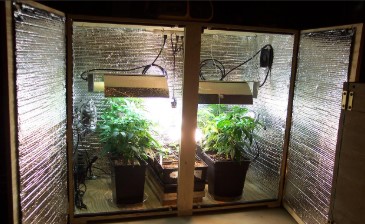
Grow tents or dedicated rooms are ideal for containing light, odor, and humidity. Key aspects:
- Lightproofing: Prevent light leaks during dark periods.
- Reflective walls: Use Mylar or white paint for light efficiency.
- Air-tightness: For controlling air exchange and odor.
Environmental Control
Maintain these parameters for optimal growth:
- Vegetative Stage: Temp: 22–28°C; RH: 50–70%
- Flowering Stage: Temp: 20–26°C; RH: 40–50%
- Air Exchange: Fresh air every 1–3 minutes; CO₂ enrichment if sealed.
Lighting Systems
Light Types
- HID (High-Intensity Discharge): HPS (flowering), MH (veg); high intensity, high heat.
- LEDs: Full-spectrum, energy-efficient, low heat, long lifespan.
- CFLs: Low-intensity, good for clones and early veg.
Light Cycles
- Vegetative: 18–24 hours of light/day.
- Flowering: Every day, twelve hours of complete darkness.
Use timers to maintain consistency and prevent stress-induced hermaphroditism.
Growing Media Options
Soil-Based Systems
- Organic soil: Contains nutrients and beneficial microbes.
- Pros: Natural buffer against nutrient imbalances.
- Cons: Slower growth, harder to adjust.
Soilless (Inert) Medium
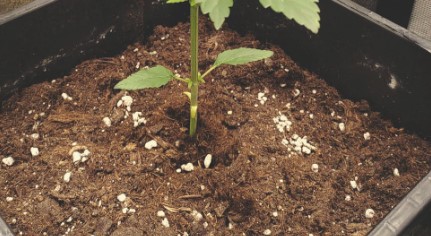
- Coco coir, perlite, peat moss: Require external nutrient supply.
- Faster growth, more control, but greater need for precision.
Hydroponics and Aeroponics
- Hydroponics: Roots in water/nutrient solution (e.g., DWC, NFT).
- Aeroponics: Roots misted with nutrient solution.
- Offer rapid growth and high yields but require close monitoring.
Nutrient Management
Macronutrients
- Nitrogen (N): Leaf development and vegetative growth.
- Phosphorus (P): Root formation, flowering.
- Potassium (K): Overall health, disease resistance.
Micronutrients
Include Ca, Mg, Fe, Zn, Cu, Mn, B, Mo—small but essential quantities.
Feeding Schedules
- Veg stage: High N, moderate P and K.
- Early flower: Moderate N, high P, high K.
- Late flower: Low N, high P and K.
Use EC (electrical conductivity) meters to gauge nutrient concentration and pH meters to maintain 5.8–6.5 (in hydro) or 6.0–7.0 (in soil).
Watering Techniques
Frequency
Water when the top inch of soil is dry or the pot feels light. Steer clear of excessive watering as this might lead to root rot.
Water Quality
- Use filtered water with low PPM (ideally <150 ppm).
- Avoid chlorine/chloramine; use RO water if needed.
- Monitor and adjust pH for nutrient availability.
Vegetative Growth Phase
Objectives
- Establish strong root system.
- Maximize leaf and branch development.
- Train plant structure for yield optimization.
Techniques
- Topping: Cut central stem to promote bushier growth.
- Low-Stress Training (LST): Gently bend stems to expose more bud sites.
- Screen of Green (ScrOG): Train plants through a net for even canopy.
Maintain adequate airflow to prevent mold and encourage stem strength.
Flowering Phase
Induction
Switch to 12/12 light schedule for photoperiod strains. Flowering begins within 1–2 weeks.
Bud Formation
- Monitor for pre-flowers (pistils on females, pollen sacs on males).
- Remove males unless breeding.
Nutritional Shift
Transition to a bloom fertilizer low in nitrogen and rich in phosphorus and potassium.
Pest and Mold Monitoring
Flowering plants are vulnerable to:
- Powdery mildew
- Botrytis (bud rot)
- Fungus gnats, spider mites
Use neem oil or insecticidal soap early on; avoid late spraying near harvest.
Environmental Monitoring and Control
Ventilation
- Inline fans and carbon filters maintain airflow and odor control.
- Oscillating fans prevent hot spots and mildew.
Humidity and Temperature
Use:
- Humidifiers/dehumidifiers to adjust RH.
- Heaters/AC units for temperature control.
Implement VPD (Vapor Pressure Deficit) charts to optimize transpiration and nutrient uptake.
CO₂ Supplementation
Adding CO₂ (up to 1200–1500 ppm) during the light cycle can boost yields by 20–30%, especially in sealed environments. Use CO₂ tanks, generators, or bags with strict monitoring for safety and efficiency.
Harvesting
Signs of Maturity
- Trichomes: Use a magnifier to observe color changes.
- Clear: Immature
- Cloudy: Peak potency
- Amber: Sedative, degraded THC
- Pistils: Should turn from white to orange/brown.
Harvest Techniques
Cut branches and trim large fan leaves. Handle gently to preserve trichomes.
Drying and Curing
Drying
- Hang upside down in darkness.
- Temp: 18–22°C; RH: 45–55%
- Duration: 7–14 days
- Avoid When stems shatter cleanly, buds are ready.
Curing
- Place in airtight jars.
- Open daily for the first 2 weeks (“burping”).
- Cure for 4–8 weeks for optimal flavor and potency.
Common Problems and Solutions
Nutrient Deficiencies
- Nitrogen deficiency: Yellowing lower leaves.
- Calcium/Magnesium: Leaf spotting, interveinal chlorosis.
- Remedy with targeted supplements and pH adjustments.
Over/Underwatering
- Overwatered: Drooping, swollen leaves.
- Underwatered: Dry, crispy leaves. Check substrate moisture and drainage.
Heat Stress
- Symptoms: Leaf curling, bleaching, slowed growth.
- Solution: Improve ventilation, reduce light intensity.
pH Imbalance
- Nutrient lockout occurs if pH is off.
- Regular testing and adjustment with pH up/down solutions are critical.
Advanced Techniques
Cloning
Take cuttings from a mother plant and root in humid environments using cloning gel and domes.
Breeding
Control male and female plants for genetic selection. Use isolation to prevent accidental pollination.
Phenohunting
Grow multiple seeds from the same strain and select the best phenotypes based on yield, potency, and resistance.
Legal and Safety Considerations
Understand local laws regarding:
- Number of plants.
- Growing indoors vs. outdoors.
- Sale and distribution.
Ensure fire safety with proper electrical setup (use surge protectors, avoid overloading circuits). Keep out of reach of children and pets.
Conclusion
Growing cannabis indoors combines botany, environmental science, and technology. Success relies on meticulous attention to lighting, air quality, nutrition, and care throughout the plant’s life cycle. While it requires investment and learning, indoor cultivation offers the ability to produce high-quality, customized cannabis year-round under tightly controlled conditions.
