Table of Contents
How to grow marijuana from seed
Growing marijuana from seed to harvest involves a complex interplay of genetics, environmental conditions, and horticultural techniques. Whether for medical or recreational use, understanding the plant’s biology and cultivation science is essential for optimizing yield, potency, and cannabinoid profile. This guide provides a detailed, scientifically grounded walkthrough for successfully growing marijuana from seeds.

Understanding Cannabis Seeds
Cannabis seeds are the reproductive result of pollination between a male and female plant. They contain the full genetic blueprint for a new plant and vary by strain, phenotype, and cannabinoid potential.
Seed Types
- Regular Seeds: Contain both male and female genes; approximately 50% of seeds will be male.
- Feminized Seeds: Genetically manipulated to produce only female plants, maximizing cannabinoid production.
- Autoflowering Seeds: Contain Cannabis ruderalis genetics, causing flowering based on age rather than photoperiod.
Seed Viability
Healthy cannabis seeds should be:
- Dark brown with tiger stripes
- Firm to the touch
- Stored in a cool, dark, dry place
Germination (2–10 Days)
Biology of Germination
Germination is the process by which the seed activates its embryo, initiating cell division and growth. Moisture penetrates the seed coat, triggering enzymes to convert stored carbohydrates into usable sugars.
Germination Methods
- Paper Towel Method
- Place seeds between moist paper towels.
- Keep in a warm (70–80°F / 21–27°C), dark area.
- Roots (radicles) emerge within 1–7 days.
- Direct Soil Germination
- Plant seed 0.5–1 inch deep in moist seed-starting soil.
- Maintain consistent moisture and temperature.
- Water Soaking
- Soak seeds in a cup of water for 24 hours.
- Transfer to a paper towel or soil once seeds crack.
Seedling Stage (2–3 Weeks)
Once the taproot is established, the seedling emerges with cotyledons (embryonic leaves), followed by true leaves. This stage is crucial for root development and early photosynthesis.
Environmental Requirements
- Light: 18–24 hours daily under fluorescent or LED lights
- Temperature: 70–80°F (21–27°C)
- Humidity: 60–70%
- Soil pH: 6.0–6.5
- Nutrients: Minimal, balanced with a slight nitrogen bias
Common Issues
- Overwatering leads to root rot
- Poor light causes stretching
- Nutrient toxicity can burn leaves
Vegetative Stage (3–8 Weeks)
The vegetative phase involves rapid growth of stems, branches, and fan leaves. Photosynthesis intensifies, and the plant’s architecture develops to support future bud sites.
Scientific Focus
- Chlorophyll Production: Enables energy capture from light
- Apical Dominance: Main stem dominates; can be modified via topping
- Phototropism: Growth direction responds to light exposure
Environmental Requirements
- Light: 18–24 hours daily; 300–600 PPFD
- Humidity: 50–70%
- Temperature: 70–85°F (21–29°C)
- Nutrients: Potassium (K), mild phosphorus (P), and high nitrogen (N)
Training Techniques
- Low-Stress Training (LST): Bending stems to promote lateral growth
- Topping/FIMing: Removing apical growth to promote bushier growth
- Screen of Green (ScrOG): Horizontal training using a net
re-Flowering and Sexing (1–2 Weeks)
Photoperiod-dependent plants begin to show pre-flowers with a shift to a 12/12 light cycle. Sex is determined genetically but influenced by stress and environment.
Identifying Sex
- Female: Small white pistils at nodes
- Male: Pollen sacs resembling balls
- Hermaphrodites: Both sexes present, often stress-induced
Remove males or hermaphrodites if growing for sensimilla (seedless buds).
Flowering Stage (6–12 Weeks)
Triggered by photoperiod change (12/12), flowering marks the shift from vegetative growth to reproductive development. Female plants develop calyxes and trichomes.
Flowering Biology
- Hormonal Shift: Drop in phytochrome red to far-red ratio triggers flowering hormones (e.g., florigen)
- Trichome Development: Glandular trichomes produce cannabinoids and terpenes
- Bud Formation: Calyx clusters (colas) swell with resin
Environmental Requirements
- Light: 12 hours daily; 600–1000 PPFD
- Humidity: 40–50%
- Temperature: 65–80°F (18–27°C)
- Nutrients: Low N, high P and K (e.g., 1-3-2 ratio)
Flowering Stages
- Early Flowering (Week 1–3): Stretching and early pistil development
- Mid Flowering (Week 4–6): Buds form; trichomes begin to develop
- Late Flowering (Week 7–10): Resin production peaks; pistils darken
Harvesting (Based on Trichomes)
Harvest timing determines potency, flavor, and effects.
Scientific Indicators
- Pistils: 70–90% dark and curled
- Trichomes:
- Clear = immature
- Cloudy = peak THC
- Amber = more CBN (sedative)
Use a microscope (60–100x) to inspect trichomes on calyxes.
Harvest Process
- Flush plants with pure water 7–14 days prior.
- Trim big fan leaves and cut branches.
- Optional wet trimming before drying.
Drying and Curing
Proper drying and curing prevent mold and enhance cannabinoid/terpene preservation.
Drying
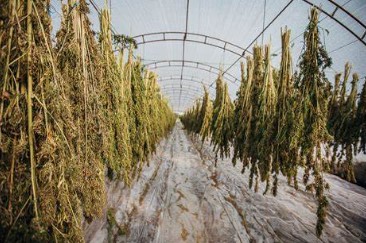
- Environment: 60–70°F (15–21°C), 50–60% humidity, darkness, air circulation
- Duration: 7–14 days
- Goal: Stems snap, not bend
Curing
- Place dried buds in glass jars
- Open daily for gas exchange (“burping”) during first 2 weeks
- Cure for 3–8 weeks for optimal flavor and potency
Environmental Control and Optimization
Lighting
- Seedlings: Fluorescent or low-wattage LEDs (100–200 PPFD)
- Vegetative: Full-spectrum LED or MH (300–600 PPFD)
- Flowering: HPS, LED (600–1000 PPFD)
Temperature & Humidity
- VPD (Vapor Pressure Deficit): Optimized to promote transpiration and nutrient uptake
| Stage | Temp (°F) | RH (%) | Ideal VPD |
|---|---|---|---|
| Seedling | 70–80 | 60–70 | 0.4–0.8 kPa |
| Vegetative | 70–85 | 50–70 | 0.8–1.2 kPa |
| Flowering | 65–80 | 40–50 | 1.2–1.6 kPa |
Soil and Growing Media
Soil Composition
- Loamy texture, rich in organic matter
- pH between 6.0 and 6.8
- Drainage with perlite or vermiculite
Alternative Media
- Coco Coir: Inert, pH-neutral, retains water
- Hydroponics: Nutrients delivered in water
- Aeroponics: Roots suspended in air, misted
Each system affects nutrient uptake rates and growth speed.
Nutrient Science
Macronutrients
- Nitrogen (N): Leaf and stem growth
- Phosphorus (P): Root development, flowering
- Potassium (K): Water uptake, enzyme activation
Micronutrients
Iron, zinc, manganese, boron, copper, molybdenum — required in trace amounts for enzymatic and cellular processes.
Feeding Strategies
- Start with diluted concentrations (¼ strength)
- Monitor for deficiencies/toxicities
- Use EC/TDS meters and pH pens
Cannabis Plant Physiology and Genetics
Cannabinoid Biosynthesis
- Trichomes synthesize cannabinoids via the mevalonate and polyketide pathways
- THC and CBD derive from CBGA, the “mother cannabinoid”
Terpene Synthesis
- Produced in the same glandular trichomes
- Impact aroma, flavor, and entourage effect
Genotype x Environment (GxE)
- Genetic potential interacts with environmental inputs
- Phenotypic expression varies by light spectrum, temperature, nutrients
Pest and Disease Management
Common Threats
- Fungi: Powdery mildew, botrytis
- Insects: Spider mites, aphids, fungus gnats
- Bacteria: Root rot (Pythium), leaf spot (Xanthomonas)
Integrated Pest Management (IPM)
- Biological Controls: Ladybugs, nematodes
- Cultural Controls: Sanitation, airflow
- Chemical Controls: Neem oil, insecticidal soap (avoid during late flowering)
Advanced Techniques
Tissue Culture
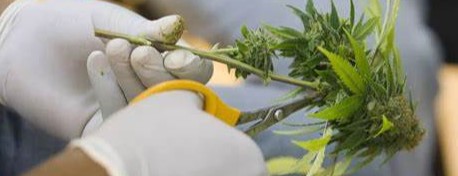
- Clone plants from a few cells; useful for preserving genetics
Breeding and Backcrossing
- Selective breeding for traits (e.g., cannabinoid profile, resistance)
- Stabilize strains through F1, F2, and backcross generations
CO₂ Enrichment
- Increasing CO₂ to 1000–1500 ppm can boost yield up to 30% if light and nutrients are adequate
Legal and Ethical Considerations
- Understand local laws on cultivation
- Follow safety guidelines when using high-wattage lights and chemicals
- Ethical breeding and sustainable practices are essential for long-term viability
Conclusion
It is both an art and a science to grow cannabis from seed. By understanding the biological processes, environmental variables, and cultivation techniques, growers can optimize for yield, potency, and quality. Mastery comes with practice, careful observation, and continual adaptation to each plant’s needs.
