Table of Contents
In the intricate domain of cannabis cultivation, the advent of indoor farming illuminated by artificial light stands as a groundbreaking evolution. This innovative approach has fundamentally transformed the dynamics of cannabis production. It empowers growers to have unparalleled command over environmental factors like temperature, humidity, and light schedules. Proficiency in managing these conditions opens the door to year-round cultivation, regardless of external weather fluctuations. The ability to cultivate cannabis irrespective of seasonal changes or geographical latitudes marks a significant leap forward in the agricultural science of cannabis.
Despite these advancements, the reliance on artificial lighting systems to achieve control over these environmental factors is not without significant drawbacks. Chief among these is the considerable consumption of electrical energy. This level of consumption not only leads to increased operational expenses but also adds to a broader environmental impact. The energy-intensive nature of artificial lighting, especially when deployed at the scale necessary for commercial cannabis production, presents pressing concerns amid growing awareness around issues of sustainability and environmental conservation. The carbon emissions and resource depletion associated with generating the required electricity cast a shadow over the benefits of indoor cannabis cultivation, prompting a reevaluation of cultivation practices.
In response to these challenges, this comprehensive guide explores an alternative methodology for indoor cannabis cultivation that eschews the conventional reliance on artificial lighting. This approach advocates for the utilization of natural light as the primary source of illumination for plant growth. Through harnessing solar energy, cultivators can greatly diminish their reliance on artificial lighting sources. This not only addresses sustainability concerns but also presents a cost-effective solution for cultivators, potentially lowering operational costs while maintaining, or even enhancing, crop yield and quality.
The implementation of natural light in indoor cannabis cultivation involves innovative architectural designs and strategic planning. Greenhouses, for example, can be optimized to maximize light capture and distribution. This optimization utilizes materials and structures that enhance light penetration and retention. Advanced technologies such as light-reflecting surfaces, transparent solar panels for energy generation, and automated shading systems to control light exposure can further augment the efficiency of natural light utilization. These solutions offer a way to circumvent the limitations of traditional indoor cultivation setups, providing a sustainable pathway that harmonizes the needs of high-yield, high-quality cannabis production with the imperative of environmental responsibility.
In essence, the pivot towards natural light in indoor cannabis cultivation represents a synthesis of ancient agricultural wisdom and modern technological innovation. This guide endeavors to explore the multifaceted aspects of this approach. From the architectural innovations required to optimize light exposure to the agronomic techniques that ensure plant health and productivity under natural lighting conditions, this strategy offers a more sustainable, cost-effective, and environmentally conscious path. By adopting this strategy, cultivators can embark on a new era in the cultivation of cannabis. This era respects the delicate balance of our planet’s ecosystems while fulfilling the demands of an ever-expanding market.
How to Grow Cannabis Indoors Without Lights
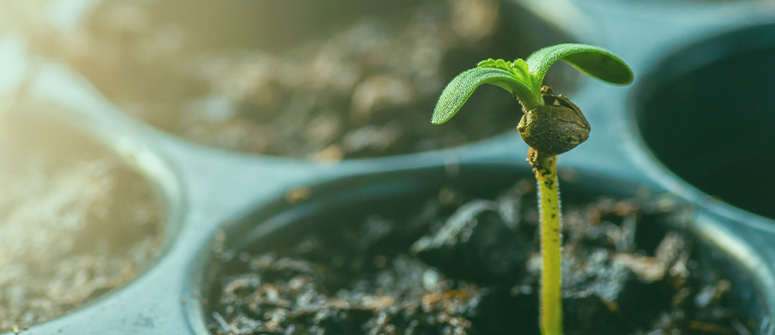
Cannabis relies on photosynthesis for growth, transforming light, carbon dioxide, and water into glucose and oxygen. Glucose fuels plant activities, highlighting the need for optimal lighting in cultivation. Indoor farming presents challenges in providing light that mirrors the sun’s spectrum and intensity, usually met with artificial lighting.
The shift to growing cannabis indoors without artificial lights leans towards sustainability. This approach requires understanding the plant’s light needs across growth stages. Ensuring natural sunlight reaches the plants involves strategic planning. Factors like light entry angle, exposure duration, and daily sunlight intensity are crucial. Designing indoor spaces to maximize light involves considering window orientation and using reflective materials.
Utilizing natural sunlight in indoor cultivation requires adapting to the solar cycle and seasonal changes. Cultivators must adjust their strategies to ensure plants get enough light for photosynthesis without artificial light. Innovations like movable plant platforms or light-diffusing materials can enhance sunlight capture and manage light stress.
Incorporating natural light necessitates monitoring and adjusting indoor conditions to support this strategy. Managing temperature, humidity, and air circulation is vital for an environment conducive to photosynthesis and plant health. While sustainable and cost-effective, using natural light introduces challenges requiring in-depth knowledge of plant science and environmental management.
In conclusion, using natural sunlight for indoor cannabis cultivation offers a sustainable, resource-efficient approach. It reduces reliance on artificial lighting, cutting energy use and environmental impact. However, success depends on careful planning, understanding cannabis physiology, and adaptable management strategies. As the industry evolves, refining sustainable cultivation methods is key to promoting environmental stewardship and operational efficiency.
The Photoperiodic Nature of Cannabis
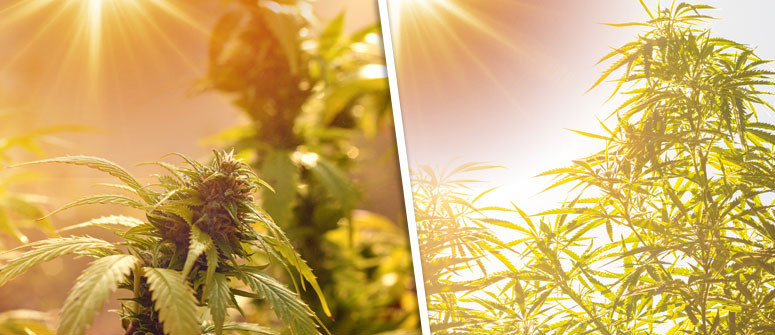
Cannabis plants are highly sensitive to light, relying on changes in the light-to-dark ratio to transition from vegetative growth to flowering. This sensitivity means that ample light is crucial for their development during the vegetative stage, laying the groundwork for later growth. As plants move to the flowering stage, they require more darkness. This shift in light exposure is key for cultivators aiming to optimize plant growth and encourage successful flowering.
Growing cannabis without artificial light demands careful planning to align with seasonal daylight patterns. The abundant light of spring and summer supports vegetative growth, while the longer nights of autumn trigger flowering. Cultivators need to schedule planting and harvesting with these seasonal changes in mind to ensure plants receive the correct light-to-dark ratios.
Aligning the cultivation cycle with natural daylight requires understanding both the plant’s light needs and local seasonal patterns. This approach not only supports sustainable and cost-effective cultivation but also minimizes the environmental impact of growing cannabis. By capitalizing on natural light cycles, cultivators can steer clear of the elevated energy expenses linked to artificial lighting.
In conclusion, cultivating photoperiod-sensitive cannabis without artificial lights involves aligning with seasonal light changes. This method ensures plants receive the natural light-to-dark ratios necessary for growth and flowering. Adopting this approach improves sustainability and efficiency in cannabis cultivation, reflecting a commitment to environmental stewardship and the optimization of natural resources.
Strategies for Indoor Cultivation Without Lights
Selecting the Right Location
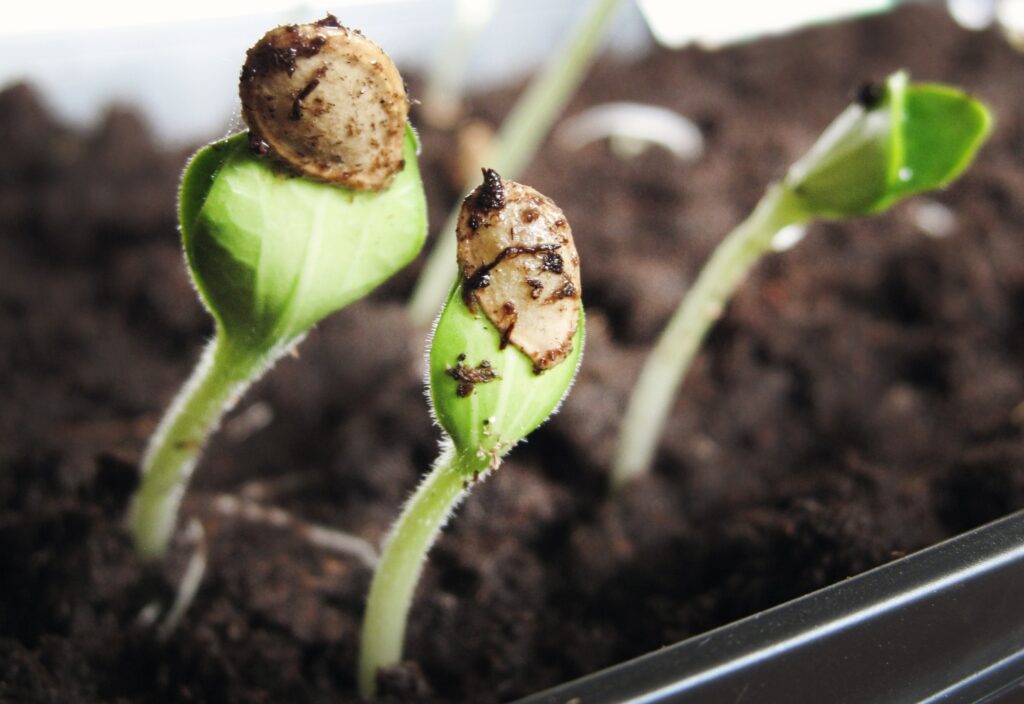
The initial step in optimizing natural light for indoor cannabis cultivation involves the careful selection of an appropriate location. This decision is paramount, as the chosen environment will significantly influence the amount of natural light the plants receive, which is critical for their photosynthetic processes and overall health.
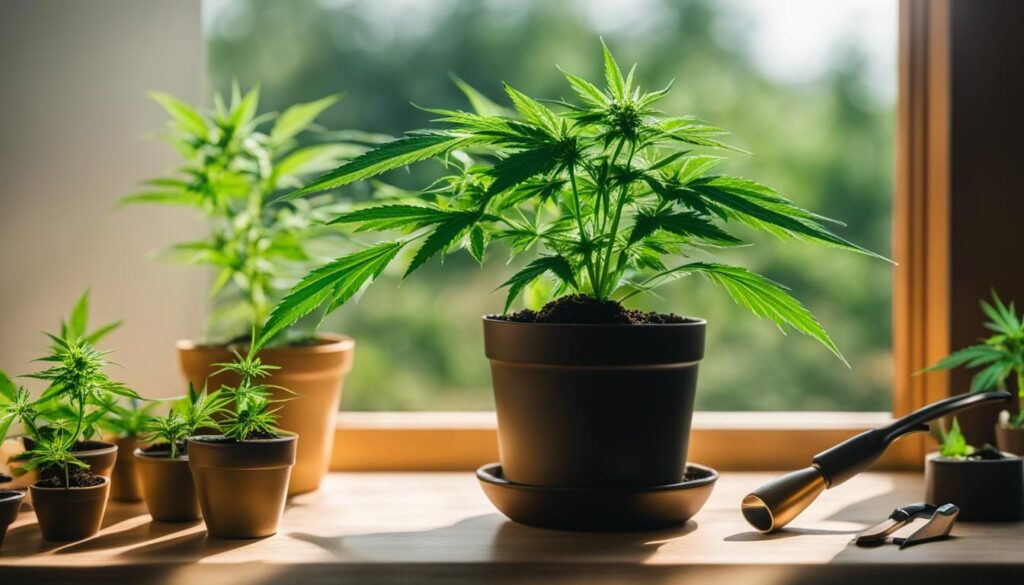
Windows and Sunrooms: When choosing a cultivation space, prioritize areas with ample natural light, often found in rooms with windows designed to capture the sun’s movement. In the Northern Hemisphere, south-facing windows are ideal, offering maximum sunlight due to their alignment with the sun’s path, while north-facing windows serve the same purpose in the Southern Hemisphere. Sunrooms or conservatories, enveloped in windows on several sides and possibly above, are optimal for natural light, ensuring plants receive sunlight from multiple angles. This setup is particularly beneficial for indoor cannabis cultivation, allowing plants to flourish with minimal need for artificial lighting.
Skylights: Another architectural feature that can significantly enhance the natural lighting of an indoor cultivation space is the skylight. Rooms equipped with skylights benefit from direct overhead light, which closely mimics the sun’s natural trajectory through the sky. Vertical illumination proves especially advantageous during the midday hours when the sun reaches its zenith, guaranteeing plants receive a strong dose of light that permeates deeply into the foliage. Skylights also have the advantage of distributing light more evenly across the plant canopy, reducing the occurrence of shadowed areas and promoting uniform growth. This is crucial for achieving balanced development among all plants, as uneven light distribution can lead to disparities in growth rates and yield quality.
In summary, the strategic selection of the cultivation location, with a focus on maximizing natural light exposure through the use of south-facing windows (or north-facing, depending on the hemisphere), sunrooms, and skylights, is a fundamental consideration in the pursuit of efficient and sustainable indoor cannabis cultivation. These architectural choices play a critical role in harnessing the power of natural sunlight, thereby reducing reliance on artificial lighting solutions and fostering a more natural and environmentally friendly growing environment.
Utilizing Reflective Surfaces
An integral component of enhancing the efficiency of natural light in indoor cannabis cultivation lies in the strategic utilization of reflective surfaces. This method is aimed at maximizing the distribution of available light within the growing area, ensuring that every part of the cannabis plant, including the typically shadowed lower leaves and branches, receives ample light. Reflective materials serve to capture light that would otherwise be lost and redirect it back onto the plants, thereby optimizing the light’s utility and contributing significantly to the overall growth and development of the plant.
Reflective Materials: Among the most effective reflective materials for this purpose is Mylar, a polyester film known for its outstanding reflective properties. Mylar can reflect up to 97% of the light that hits its surface, making it an excellent choice for lining the walls, ceiling, and even the floor of the growing area. Its durability and resistance to heat also make it a preferred option among cultivators seeking to enhance their natural lighting setup.
Alternatively, white paint, specifically flat white latex paint, is another viable option for reflective surfaces. While not as reflective as Mylar (reflecting about 85-95% of light), white paint is cost-effective and easy to apply to a variety of surfaces. It offers the added benefit of a uniform light distribution, which can be particularly useful in larger grow areas where consistent light coverage is essential.
Aluminum foil, while readily available and inexpensive, is generally considered less effective than Mylar or white paint due to its tendency to crinkle. This can create uneven reflective surfaces that might direct light unpredictably, potentially causing hotspots or areas of concentrated light that can stress the plants. Despite this, aluminum foil can still be used as a temporary or supplementary reflective surface, provided it is applied as smoothly as possible to minimize inconsistencies in light reflection.
Implementation and Considerations: The implementation of reflective surfaces within the growing area requires careful consideration and planning. It is essential to ensure that the reflective materials are securely affixed and cover as much of the interior surface area as possible to create an encompassing light environment. Careful consideration should also be given to the placement of the plants within the area to optimize their exposure to the reflected light. Additionally, the maintenance of reflective surfaces is crucial, as dust and other residues can diminish their reflective efficiency over time. Regular cleaning and inspection of these surfaces will help maintain their effectiveness throughout the cultivation cycle.
In conclusion, the strategic use of reflective surfaces represents a cost-effective and efficient method to enhance the distribution of natural light within an indoor cannabis grow area. By selecting the appropriate reflective materials and implementing them thoughtfully, cultivators can significantly improve the light environment for their plants, promoting vigorous growth and development even in the absence of artificial lighting. This method not only enhances the sustainability of the cultivation process but also highlights the innovative strategies that can be utilized to adapt to and optimize natural resources for indoor farming practices.
Timing and Seasonal Consideration
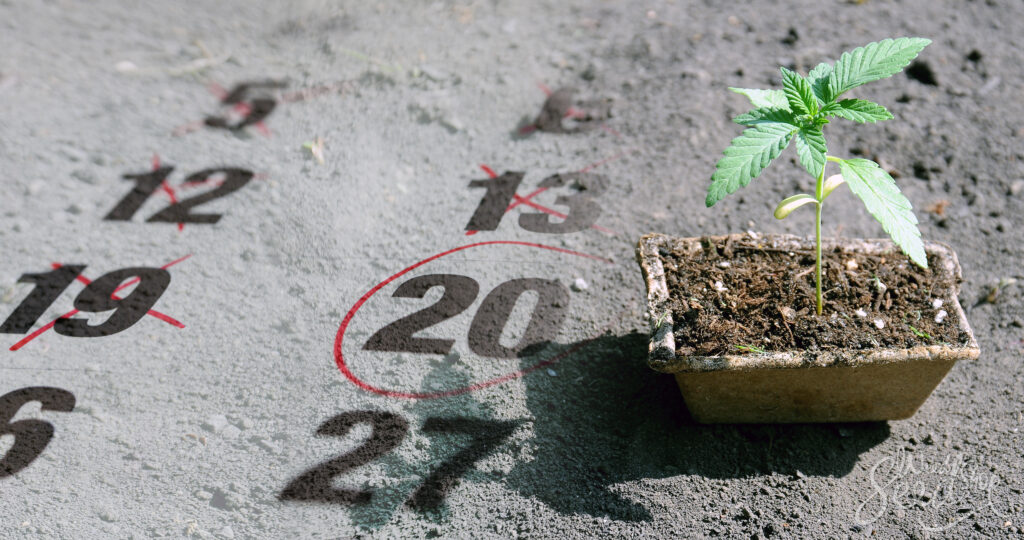
The meticulous planning of the grow cycle to coincide with the natural progression of seasons is an essential strategy in leveraging the advantages of natural light for indoor cannabis cultivation. This approach necessitates a nuanced understanding of the photoperiodic responses of cannabis and how these responses can be optimized by aligning cultivation practices with seasonal variations in daylight hours. Such alignment is critical for harnessing the cyclical and dynamic nature of natural lighting, which directly impacts the growth phases of the cannabis plant.
Initiating the Grow Cycle: The commencement of the grow cycle in early spring is a strategic choice designed to synchronize the vegetative growth stage of cannabis with the period of increasing daylight hours. This period is characterized by longer days and shorter nights, a condition that is conducive to the vegetative growth phase of cannabis. During this phase, cannabis plants require extensive light exposure to facilitate photosynthesis, the process by which they convert light energy into the chemical energy needed for growth. Starting seedlings in early spring ensures that they receive the extended periods of daylight necessary to foster robust vegetative growth, laying a solid foundation for the subsequent flowering stage.
Transitioning to the Flowering Stage: As daylight hours decrease with the changing seasons, cannabis plants naturally transition from vegetative growth to flowering, usually in late summer to fall. This shift, marked by shorter days and longer nights, signals the approaching end of the growing season, prompting plants to enter the critical flowering stage where buds and seeds develop. Aligning the growth cycle with this natural change in daylight eliminates the need for artificial light adjustment, ensuring the plants flower under ideal conditions.
Seasonal Adjustments: To maximize the benefits of natural light and accommodate the unique requirements of different cannabis strains, cultivators may need to make adjustments based on the specific seasonal conditions of their geographic location. Factors such as local climate, latitude, and the presence of microclimates can influence the availability and intensity of natural light throughout the year. Cultivators must remain adaptable, and ready to adjust their growing schedules and practices in response to these environmental variables to ensure the continued health and productivity of their plants.
In summary, the integration of timing and seasonal considerations into the planning of the growing cycle is a sophisticated method that aligns cannabis cultivation with the natural rhythms of the environment. By starting seedlings in early spring and transitioning to the flowering stage as daylight hours shorten, cultivators can optimize the use of natural light throughout the plant’s life cycle. This strategy not only enhances the sustainability and efficiency of cannabis cultivation but also pays homage to the deep interconnectedness between plant life and the cyclical patterns of nature.
Plant Training and Pruning
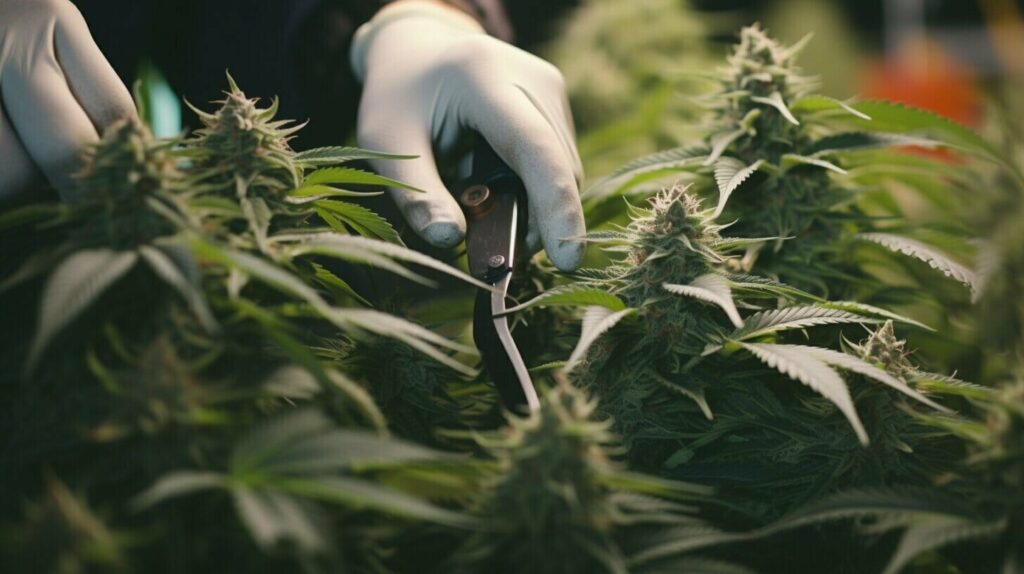
The implementation of strategic plant training and pruning techniques forms a cornerstone of sophisticated cannabis cultivation practices, particularly in scenarios where maximizing the efficiency of natural light is paramount. These methodologies are designed to manipulate the physical structure of the cannabis plant, optimizing its exposure to available light and, consequently, enhancing its growth and yield potential.
Low-Stress Training (LST): Low-Stress Training (LST) is a cultivation technique that gently manipulates cannabis plant growth by bending and securing branches to spread the plant and reduce its height. This approach promotes even light distribution across the canopy, allowing lower and inner parts of the plant to receive adequate light, which they would normally miss. Utilizing soft ties or wires to guide branches without harm, LST aims to create a flat, expansive canopy, enhancing photosynthesis and leading to uniform growth.
Pruning: In conjunction with LST, pruning stands as a vital component of plant management, aimed at optimizing light absorption. This technique involves the selective removal of parts of the plant, particularly lower growth that receives insufficient light. Pruning enables the cultivator to channel the plant’s energy and resources towards the upper canopy, where light exposure is most concentrated. By removing less productive lower branches and leaves, the plant can devote more energy to the growth of buds and leaves in the upper sections, which significantly contribute to overall productivity. Moreover, pruning enhances airflow around and through the plant, decreasing the likelihood of mold and pest infestations that thrive in dense foliage.
Strategic Considerations: The application of LST and pruning requires thoughtful consideration and a strategic approach. Timing is crucial, as these interventions should be carried out at specific stages of the plant’s growth to maximize their benefits and minimize stress. For instance, LST is most effective when applied during the vegetative stage, before the plant has fully matured and the stems have become too rigid. Similarly, pruning should be conducted with care to avoid over-removal of foliage, which could stress the plant and hinder its development. Cultivators must also be mindful of the natural growth patterns and tendencies of their specific cannabis strains, as these can influence the effectiveness of different training and pruning techniques.
In conclusion, the integration of plant training and pruning into the cultivation process represents a refined approach to enhancing the efficiency of natural light exposure for indoor cannabis plants. By employing low-stress training techniques and strategic pruning, cultivators can manipulate the physical structure of their plants to optimize light distribution and absorption. This not only improves the overall health and vigor of the plants but also contributes to increased yield and quality, underscoring the importance of these techniques in the pursuit of successful and sustainable cannabis cultivation.
Choosing the Right Strains
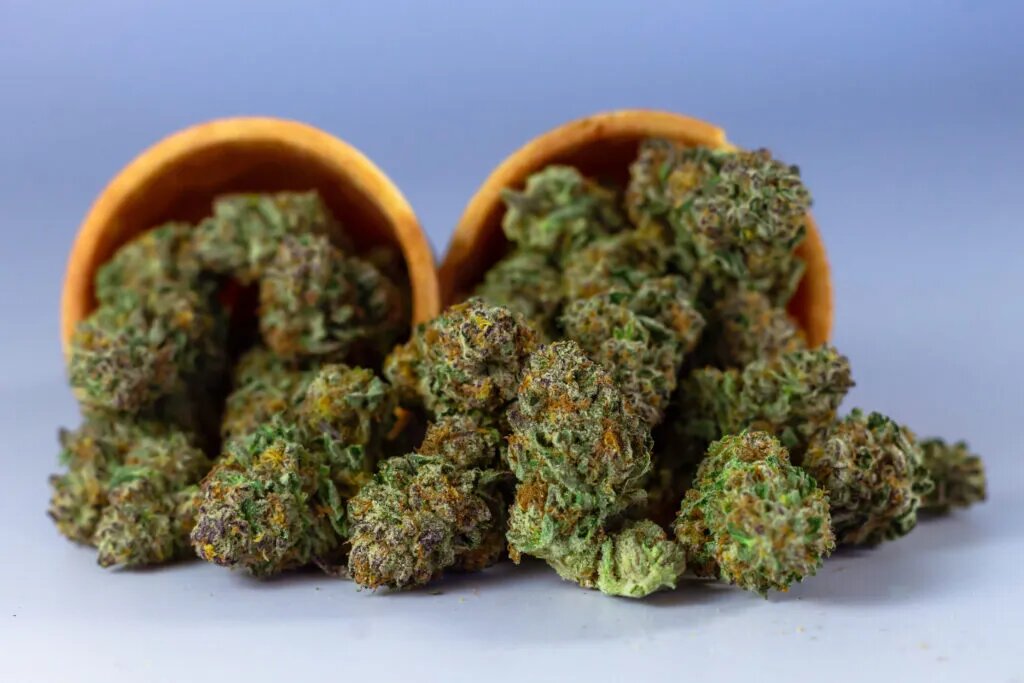
The selection of appropriate cannabis strains constitutes a critical decision-making process for cultivators seeking to optimize their use of natural light. This choice can significantly influence the efficiency and success of the cultivation endeavor, especially when operating under the constraints of natural light availability. Understanding the genetic predispositions and growth patterns of different strains allows growers to align their cultivation strategies with the innate characteristics of their chosen plants, thereby enhancing the potential for optimal growth and yield.
Auto-flowering Strains: Auto-flowering cannabis strains represent a revolutionary development in cannabis cultivation, particularly suited to scenarios where control over light cycles is limited or non-existent. These varieties carry a distinct genetic characteristic inherited from Cannabis ruderalis, a subspecies recognized for its capability to flower based on age, rather than shifts in the light-to-dark ratio. As a result, auto-flowering plants can transition to the flowering stage without the need for specific light conditions, making them an ideal choice for growers utilizing natural light. The resilience and adaptability of auto-flowering strains to varying light conditions render them a forgiving option for both novice and experienced cultivators alike, especially those contending with the unpredictable nature of natural sunlight.
Fast-Flowering Strains: In addition to auto-flowering varieties, fast-flowering strains of cannabis also offer a viable solution for cultivators working within the limitations of natural light cycles. These strains are selectively bred to have a shorter flowering period, enabling them to complete their life cycle more quickly than traditional strains. Fast-flowering strains can be particularly advantageous in regions with shorter growing seasons or when trying to fit multiple harvests within a single cycle of seasons. By reducing the time to harvest, these strains allow cultivators to achieve efficient production without the prolonged exposure to light typically required for cannabis cultivation.
Strain Selection Considerations: Choosing the appropriate cannabis strains for cultivation under natural light necessitates thoughtful consideration of various factors, such as the unique growing conditions, the cultivator’s expertise, and the desired traits of the end product. Cultivators should research the growth habits, yield potential, and light requirements of potential strains, taking into account reviews and experiences from other growers. Furthermore, understanding the unique challenges and opportunities presented by the local climate and seasonal light variations is essential for making informed decisions about strain selection.
In summary, choosing the right cannabis strains is a fundamental aspect of successfully cultivating cannabis with natural light. Opting for auto-flowering or fast-flowering strains can mitigate some of the challenges associated with the dependence on natural light cycles, offering a more flexible and resilient approach to cultivation. This strategic decision not only impacts the ease and efficiency of the growing process but also the quality and quantity of the yield. As such, careful strain selection is indispensable for cultivators aiming to maximize the advantages of natural light in their cannabis cultivation practices.
Supplementing Light Naturally
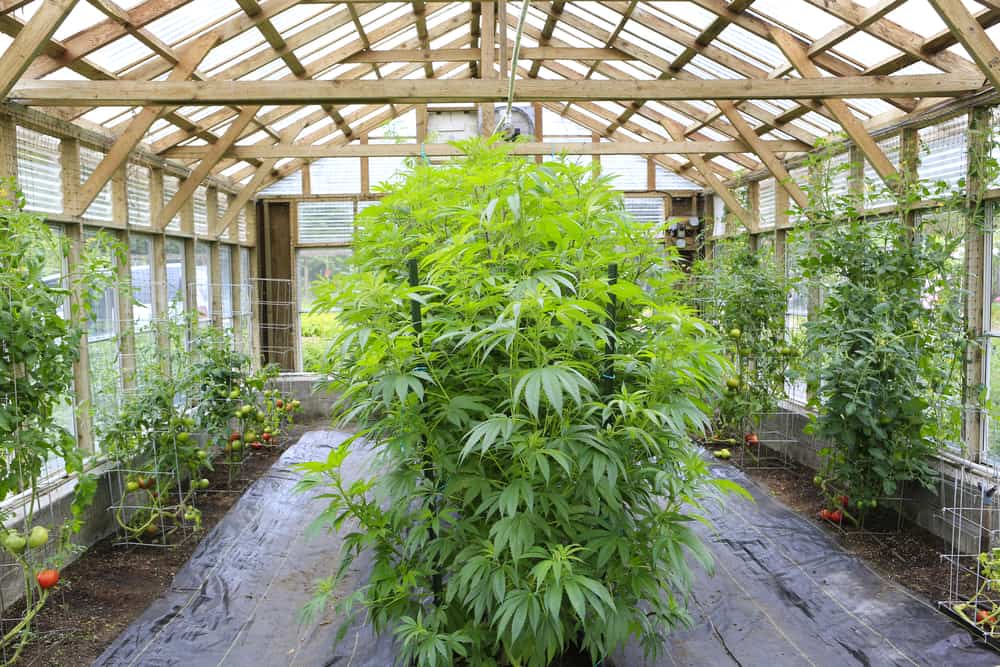
The endeavor to supplement light naturally in indoor cannabis cultivation presents a suite of innovative strategies that optimize the utilization of sunlight, thereby enhancing plant growth and development without relying solely on artificial light sources. These methods are instrumental in ensuring that all parts of the plant receive adequate light, particularly those areas that might otherwise be neglected due to their positioning or the architectural constraints of the grow space.
Light Movers: The concept of light movers extends beyond electronic devices designed to move artificial lights across a predetermined path. In a natural light setting, this concept can be ingeniously applied through the use of mirrors or other highly reflective objects. These manual light movers can be strategically positioned to reflect sunlight into shaded areas of the plant that require additional exposure. This practice involves the careful adjustment of the reflective surfaces throughout the day to follow the sun’s path, ensuring that light is distributed evenly across the canopy. Such meticulous manipulation of natural light not only maximizes photosynthetic efficiency but also promotes uniform growth and development across the entire plant.
Outdoor Time: Taking plants outside during peak sunlight hours is a beneficial strategy to enhance natural light exposure, leveraging the sun’s direct and intense rays to boost plant growth. However, transitioning plants from indoors to outdoors demands caution to prevent temperature shock and stress caused by varying indoor and outdoor temperatures. Moreover, outdoor exposure increases the risk of pests and diseases, potentially harming the plants if not carefully managed. Thus, while outdoor sunlight can significantly aid growth, it necessitates meticulous planning and vigilance to ensure it doesn’t adversely affect the plants’ health.
Implementing Strategies with Care: The implementation of natural light supplementation strategies, such as the use of light movers and providing outdoor time, demands a thoughtful and measured approach. Cultivators should consider the specific needs and sensitivities of their cannabis plants, tailoring these strategies to complement the existing light conditions and environmental parameters. Regular observation and adjustment are key to ensuring that these methods effectively enhance light exposure without compromising the plants’ well-being.
In conclusion, supplementing light naturally within indoor cannabis cultivation is a sophisticated practice that leverages innovative techniques to optimize sunlight exposure. By employing manual light movers and carefully managed outdoor time, cultivators can significantly improve the light availability to their plants, promoting healthier growth and potentially higher yields. These strategies, while requiring careful execution and constant vigilance, embody a sustainable approach to cannabis cultivation that harmonizes with the natural rhythms of the environment.
Addressing Challenges and Limitations
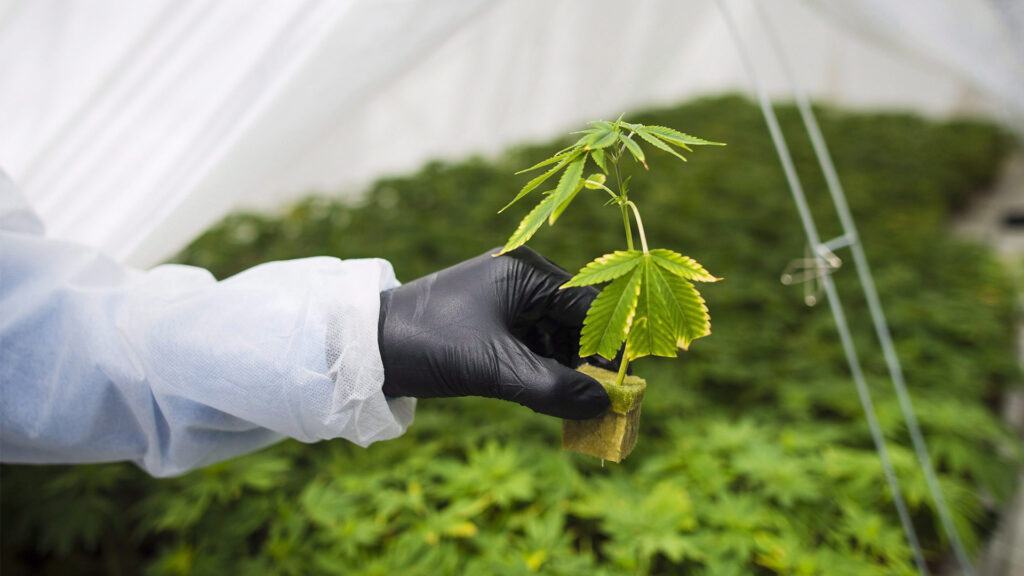
Cultivating cannabis indoors using only natural light presents a unique set of challenges that demand thoughtful consideration and creative solutions to surmount. These challenges are pivotal to address for the successful cultivation of cannabis in environments devoid of artificial illumination.
Variable Light Intensity: One of the primary obstacles encountered in this cultivation method is the inconsistency of light intensity. Natural sunlight can vary dramatically based on weather conditions, with cloudy or overcast days significantly reducing the amount of light that reaches the plants. Moreover, the change of seasons brings about variations in daylight hours, with winter months offering fewer hours of sunlight compared to the longer days of summer. This variability can pose difficulties in providing consistent light levels necessary for the sustained growth and development of cannabis plants.
Temperature Control: Another significant challenge is maintaining an optimal temperature range within the grow space. Artificial grow lights typically emit a substantial amount of heat, which, beyond providing light, also helps maintain a warm cultivation environment. In the absence of these lights, cultivators must explore alternative methods to ensure temperature regulation, especially during the colder months when temperatures can drop below the ideal range for cannabis growth. This might involve the use of heating systems or insulation techniques to retain warmth within the growing area, ensuring that plants remain in a conducive environment for photosynthesis and growth.
Yield Size: Additionally, cultivators may face challenges related to the size of the yields produced by plants grown under natural light conditions. Cannabis plants thriving under the full spectrum and intensity of artificial lighting often have the potential to produce larger yields due to controlled and optimized light exposure. In contrast, plants grown with natural light alone may not achieve the same levels of productivity, particularly if light availability is compromised by the factors previously mentioned. The reduced light intensity and shorter periods of daylight exposure can limit the plant’s ability to photosynthesize effectively, potentially resulting in smaller yields.
To address these challenges, cultivators must employ strategic planning and adaptive management practices. For instance, maximizing light exposure through the careful positioning of plants near windows or utilizing reflective surfaces can help mitigate the effects of variable light intensity. Implementing temperature control measures, such as using space heaters or insulating the growing area, can compensate for the lack of heat generated by artificial lights. Additionally, selecting strains that are better suited to variable light conditions or that are known for their resilience can help offset potential reductions in yield size.
In summary, cultivating cannabis indoors without the use of artificial lights necessitates a detailed understanding of the unique challenges presented by this approach. Variable light intensity, difficulties in temperature control, and potential reductions in yield size are significant hurdles that require innovative solutions and diligent management. By addressing these challenges head-on, cultivators can navigate the complexities of natural light cultivation, embracing a more sustainable and environmentally friendly approach to growing cannabis indoors.
Conclusion
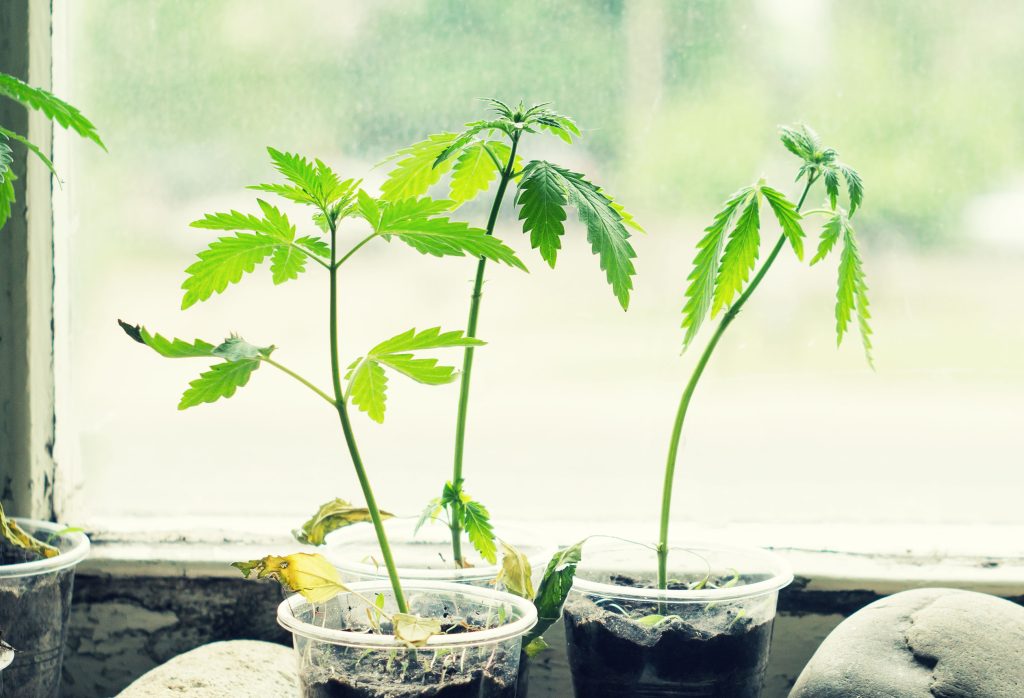
Growing cannabis indoors without artificial light presents challenges but also stands as a sustainable choice for those aiming to lessen their environmental impact and costs. This method requires a deep understanding of the plant’s needs and careful planning. With the right approach, cultivators can use natural sunlight effectively, ensuring high-quality cannabis production.
Adaptability is key in this cultivation style due to the variable nature of natural light and environmental conditions. Cultivators need to be responsive to changes in sunlight, temperature, and humidity to keep the growing environment ideal for the plants.
This method also promotes environmental awareness among growers. By avoiding artificial lights, energy consumption and carbon emissions are reduced, contributing to a more eco-friendly cultivation practice. It showcases sustainable agriculture’s potential, proving that mindful management and respect for natural processes can yield top-quality cannabis responsibly.
Additionally, this approach deepens the grower’s connection with their cannabis plants. It encourages alignment with the natural cycles of growth and dormancy, offering a more intimate cultivation experience. This connection enriches the grower’s appreciation for the plant and its natural growth processes.
In summary, growing cannabis indoors without artificial lighting poses unique challenges but also provides a sustainable, cost-effective, and environmentally friendly cultivation option. By adopting principles of adaptability, and environmental consciousness, and engaging deeply with the plant’s natural cycles, growers embark on a rewarding cultivation journey. This approach not only produces quality cannabis but also aligns with sustainability and ecological responsibility, marking a significant advancement in greener cultivation practices in the cannabis industry.
