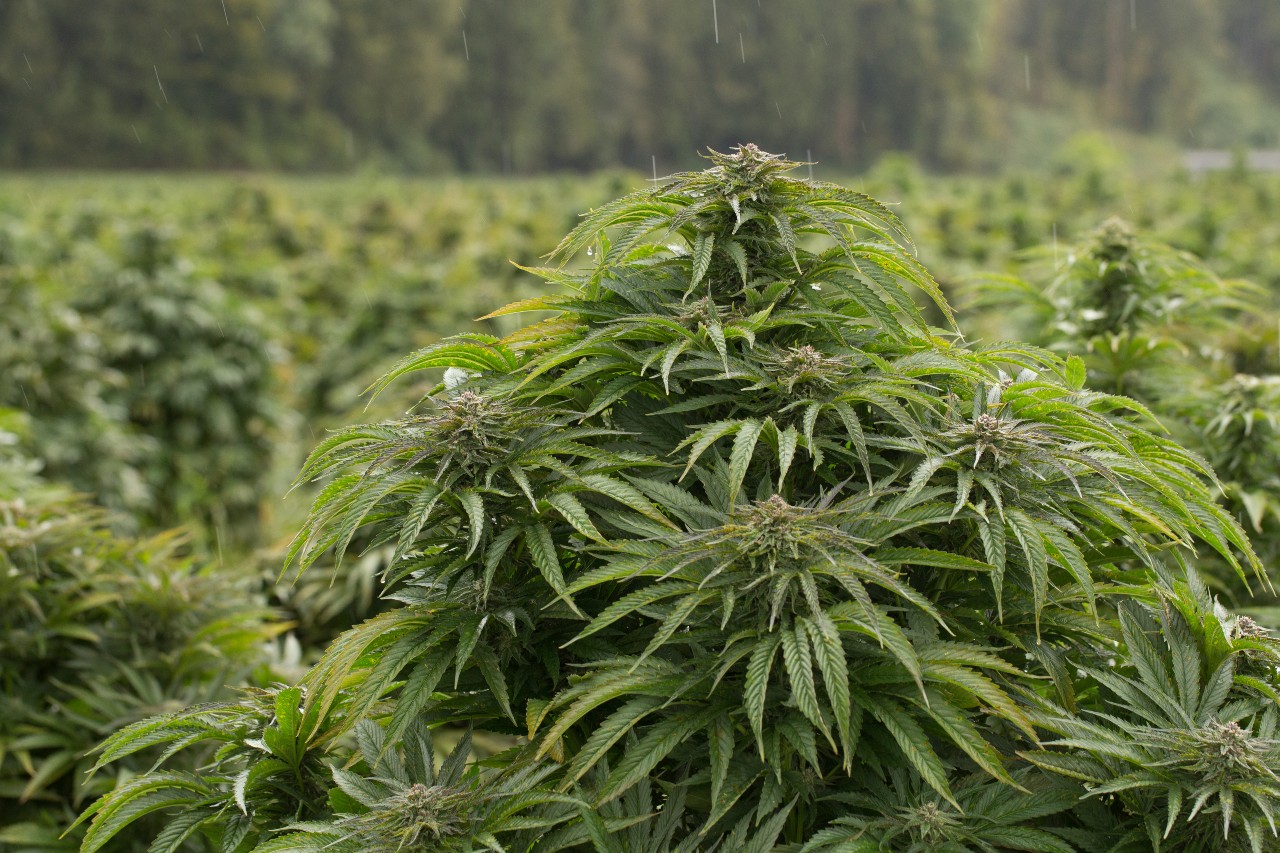
Introduction: Growing Cannabis in Diverse Environments
As a seasoned cannabis grower, one of the most rewarding experiences is successfully cultivating cannabis in diverse climates. Whether you’re battling the heat of summer, enduring cold winter nights, or managing the moisture of a humid environment, each climate presents unique challenges and opportunities. Understanding how to grow cannabis in different climates is crucial for achieving healthy, high-yielding plants. With the right approach, you can adapt your growing practices to suit your local environment, ensuring a bountiful harvest regardless of where you live.
In this guide, I’ll share my hands-on experience growing cannabis in various conditions and offer practical tips for thriving in hot, cold, and humid climates. I’ll also explain how environmental factors influence plant health and growth, and provide expert advice on optimizing your grow conditions to suit your climate.
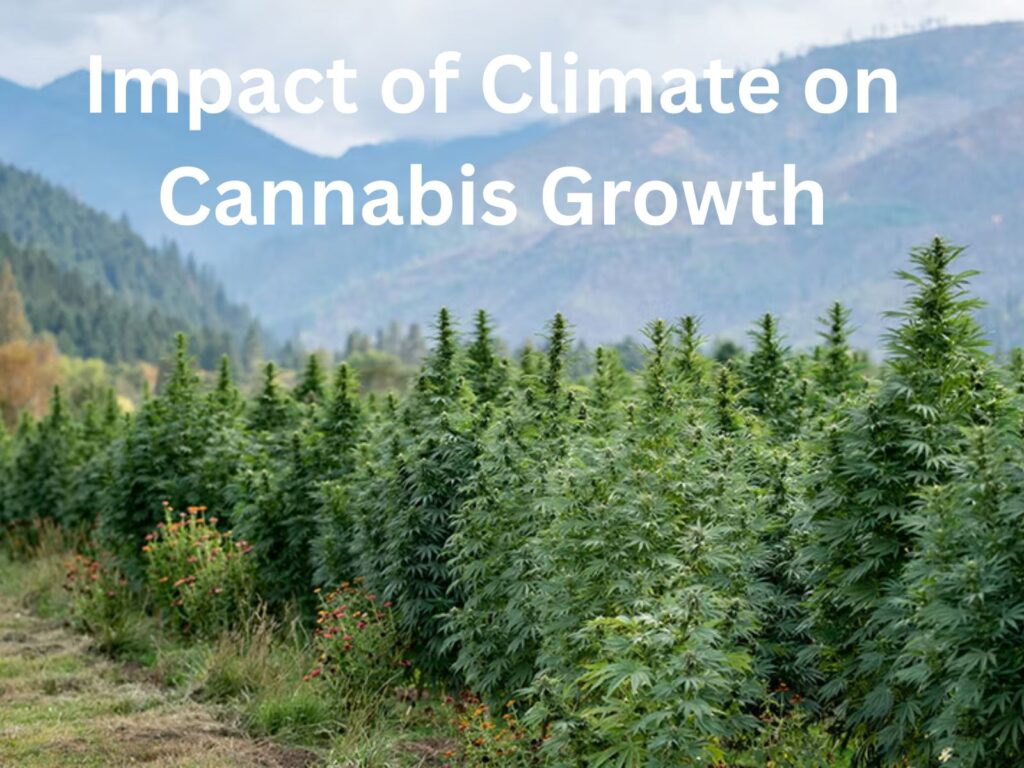
Understanding the Impact of Climate on Cannabis Growth
Cannabis plants are highly sensitive to their environment, and climate plays a pivotal role in their development. While cannabis is a hardy plant, different environmental conditions—temperature, humidity, and sunlight—can either enhance or hinder growth. Understanding how each climate affects cannabis cultivation allows growers to adapt their techniques and maximize their yields.
Hot Climates
In hot climates, cannabis thrives with abundant sunlight, but extreme heat can lead to heat stress, drying out plants, and affecting their growth cycle. Cannabis plants need a balance of warmth and moisture, and managing the temperature and water content is essential.
Cold Climates
Cold environments pose unique challenges for cannabis growth, especially with freezing temperatures and shorter growing seasons. Cannabis plants are frost-sensitive, so growers in colder areas must focus on frost protection and extending the growing season.
Humid Climates
Humidity can be a double-edged sword for cannabis plants. While cannabis enjoys moderate humidity during vegetative growth, too much moisture can encourage mold and mildew. Humidity control is crucial in tropical and subtropical climates to ensure plant health.
Growing Cannabis in Hot Climates
Growing cannabis in hot climates offers many benefits—long sunny days and generally warmer temperatures. However, the heat can also present challenges that require extra attention to detail.
Key Considerations for Hot Climates
Temperature Regulation
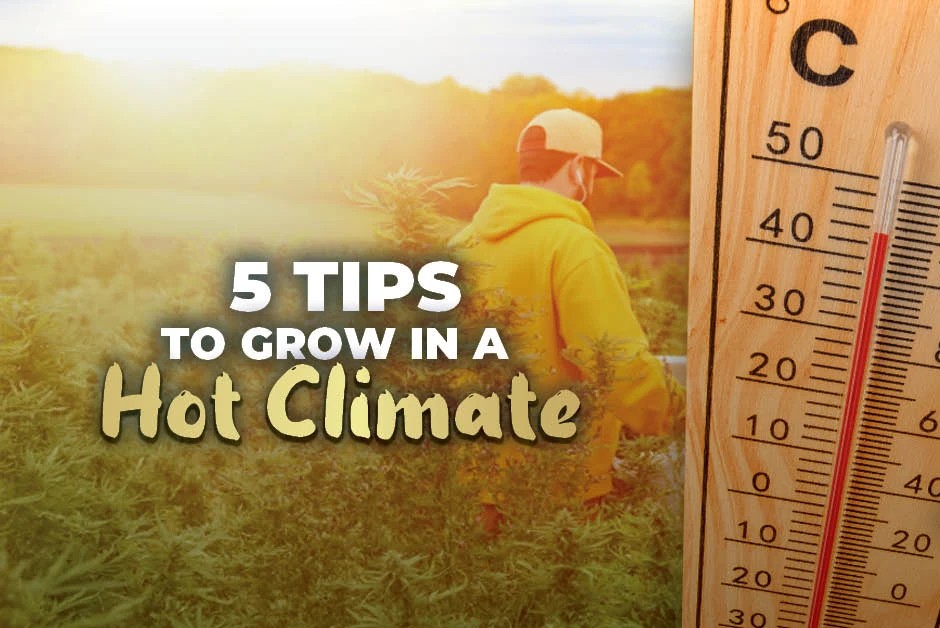
Cannabis plants are best suited to temperatures ranging from 65°F to 85°F (18°C to 30°C). Prolonged exposure to temperatures above 90°F (32°C) can cause heat stress and impair plant growth. If you live in an area with scorching summers, consider using shade cloth, planting in the morning or late afternoon to avoid peak heat, or even growing indoors with controlled temperature settings.
Watering Techniques
In hot climates, cannabis plants may require more frequent watering to combat water loss due to evaporation. However, it’s crucial not to overwater, as this can lead to root rot. A deep watering schedule that allows the roots to absorb moisture thoroughly is essential. Using a drip irrigation system or self-watering pots can help maintain consistent moisture levels.
Soil and Nutrients
Cannabis grown in hot climates requires nutrient-rich, well-draining soil. Adding organic matter like compost or mulch can help retain moisture while keeping the roots cool. Hot weather can also increase nutrient uptake, so it’s essential to monitor plant health closely and adjust nutrient levels as needed.
Protecting from Overexposure to Sunlight
While cannabis loves the sun, excessive sunlight can cause sunburn, particularly on the leaves. Growing your plants in areas that receive partial shade during the hottest part of the day can provide relief. Alternatively, consider growing cannabis strains with natural resistance to high temperatures, such as those bred for desert environments.
Growing Cannabis in Cold Climates
Cold climates present a more challenging environment for cannabis cultivation. With shorter growing seasons and a higher risk of frost, growers in colder regions must take extra precautions to ensure a successful harvest.
Key Considerations for Cold Climates
Frost Protection
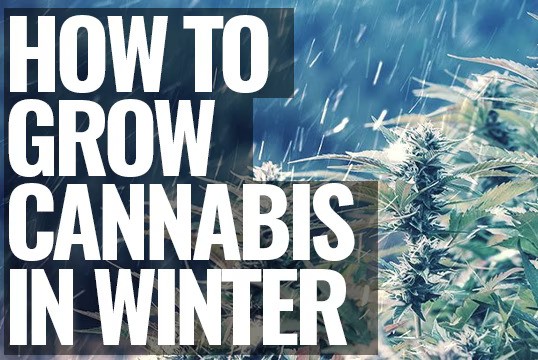
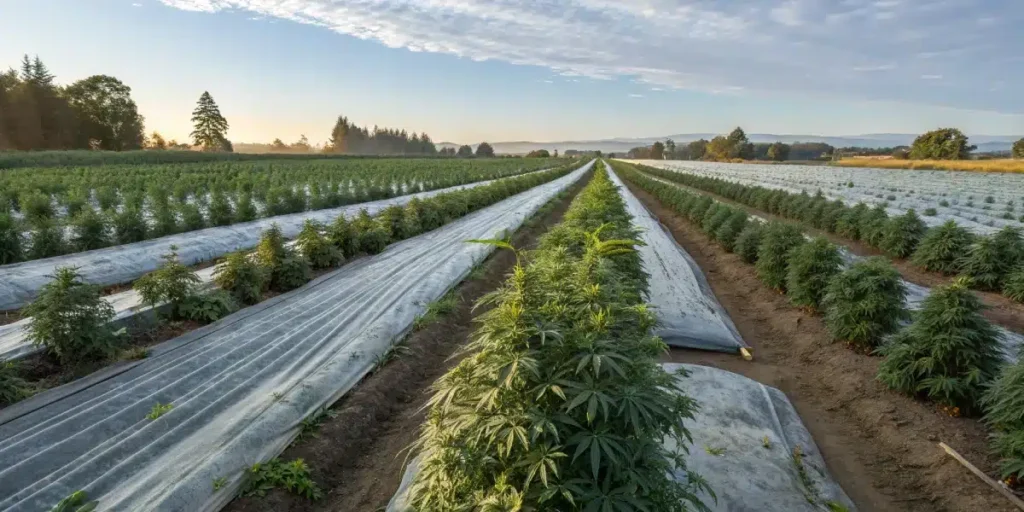
Frost is one of the most significant threats to cannabis plants in cold climates. Frost can stunt growth, kill plants, and ruin your harvest. To protect cannabis from frost, plant it in areas that receive maximum sunlight and consider using row covers or greenhouses. Greenhouses are an excellent option for creating a controlled environment, extending the growing season and protecting your plants from cold temperatures.
Shorter Growing Season
Cold climates often come with shorter growing seasons, which means that cannabis plants may not have enough time to mature. To compensate, choose fast-flowering strains that can complete their lifecycle before the first frost. Autoflowering varieties are especially beneficial in these climates, as they automatically switch from vegetative growth to flowering, regardless of the light schedule.
Indoor Growing Options
If the outdoor temperature is too low, consider indoor growing as an alternative. Indoor setups with grow lights, fans, and temperature control can create a stable environment for your cannabis plants. Growing indoors allows you to control all aspects of the environment, ensuring optimal temperature and humidity levels for healthy growth.
Soil and Watering
Cannabis grown in cold climates typically requires a different watering approach. Cold air can dry out the soil more quickly, so be sure to water deeply but less frequently. Rich, loamy soil helps retain moisture and nutrients. Additionally, adding a layer of mulch can protect the soil and keep the roots insulated from the cold.
Growing Cannabis in Humid Climates
Cannabis plants thrive in moderate humidity, but excessive moisture can lead to fungal problems, such as mold and mildew. In humid climates, controlling humidity and airflow is crucial to ensuring a successful harvest.
Key Considerations for Humid Climates
Humidity Control
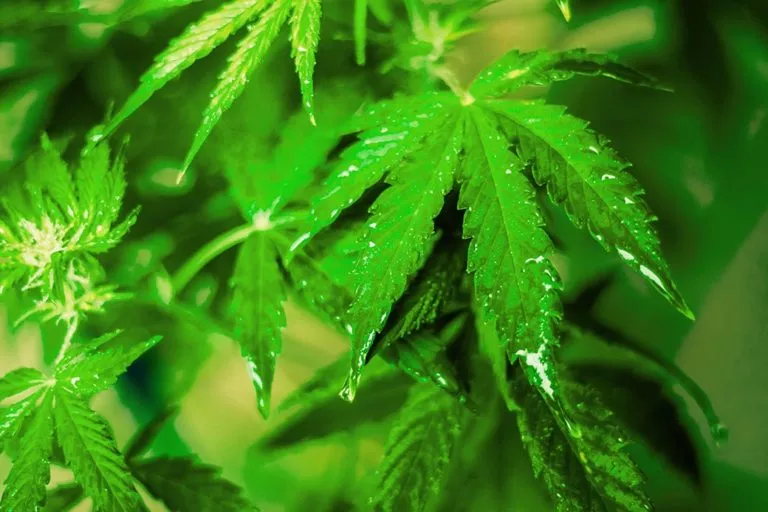
Cannabis plants are most comfortable in humidity levels between 40% and 60% during the vegetative phase and 40% to 50% during the flowering phase. Humidity above 70% can cause mold and mildew to develop, especially in dense buds. To manage humidity, consider installing a dehumidifier or growing cannabis in well-ventilated areas. A greenhouse with proper ventilation can also help regulate humidity levels while protecting your plants from the elements.
Air Circulation
Good airflow is crucial in humid climates to prevent the growth of mold and mildew. Using oscillating fans or installing an exhaust system can help circulate air and reduce the risk of fungal infections. Proper spacing between plants allows air to flow freely and reduces humidity buildup around the leaves and buds.
Choosing the Right Strains
Some cannabis strains are more resistant to high humidity and fungal issues. Look for strains with strong mold resistance, such as certain indica or hybrid varieties that are bred for tropical or humid environments. These strains are more robust and capable of handling the challenges that come with high moisture levels.
Watering Practices
In humid climates, overwatering can exacerbate moisture issues, leading to root rot. Ensure that your soil drains well and that water doesn’t pool around the roots. Water your plants early in the day to allow them to dry out before nightfall, reducing the chances of mold growth.
Final Tips for Successful Cannabis Cultivation in All Climates
No matter the climate, there are a few universal tips that can help you grow cannabis successfully:
- Monitor Weather Patterns: Keep a close eye on weather forecasts and adjust your growing practices accordingly. If a heatwave or frost is approaching, take steps to protect your plants.
- Use the Right Tools: Invest in tools that help regulate temperature, humidity, and airflow, such as grow tents, fans, and dehumidifiers.
- Choose Resilient Strains: Select strains that are suited to your climate. Many seed breeders offer strains specifically designed for hot, cold, or humid environments.
- Learn from Experience: Every growing season offers new lessons. Take notes on what works and what doesn’t, and adapt your techniques for the next grow.
Conclusion
Growing cannabis in different climates requires knowledge, adaptability, and careful attention to detail. By understanding how temperature, humidity, and soil interact with cannabis plants, you can successfully cultivate in hot, cold, or humid environments. Whether you’re protecting your plants from the heat, managing a short growing season, or controlling excess moisture, the right techniques will lead to a healthy and productive harvest. As with any aspect of cannabis cultivation, learning from hands-on experience is the best way to become a successful grower, no matter the climate.
Author
Sierra Langston is an experienced cannabis grower with years of hands-on cultivation in various climates, from scorching hot deserts to humid subtropical environments. Throughout her journey, she has honed her skills and refined her techniques to maximize the health and yield of her cannabis plants. Sierra’s expertise is grounded in practical experience, with a focus on adapting growing practices to the specific challenges presented by different climates. Her goal is to help fellow growers achieve successful harvests by sharing her knowledge and insights on how to grow cannabis in diverse environmental conditions.
Related Products
-

$100 OG Cannabis Seeds
From: $24.99 -
24k Gold Cannabis Seeds
From: $24.99 -
303 OG Cannabis Seeds
From: $24.99 -
3X Crazy Cannabis Seeds
From: $24.99