How to Get Rid of Spider Mites from Cannabis Plants Without Pesticides: A Detailed Guide for Medical Cannabis Cultivators
Spider mites are a significant concern for medical cannabis cultivators due to their potential to devastate crops. The plant sap that these microscopic arachnids consume turns leaves yellow, wilts, and eventually dies. In a medical context, maintaining the purity and safety of cannabis is paramount, which makes the use of pesticides undesirable. This guide provides comprehensive, non-pesticide strategies for managing and eradicating spider mites, with a focus on the medical cannabis industry.
Understanding Spider Mites
What Are Spider Mites?
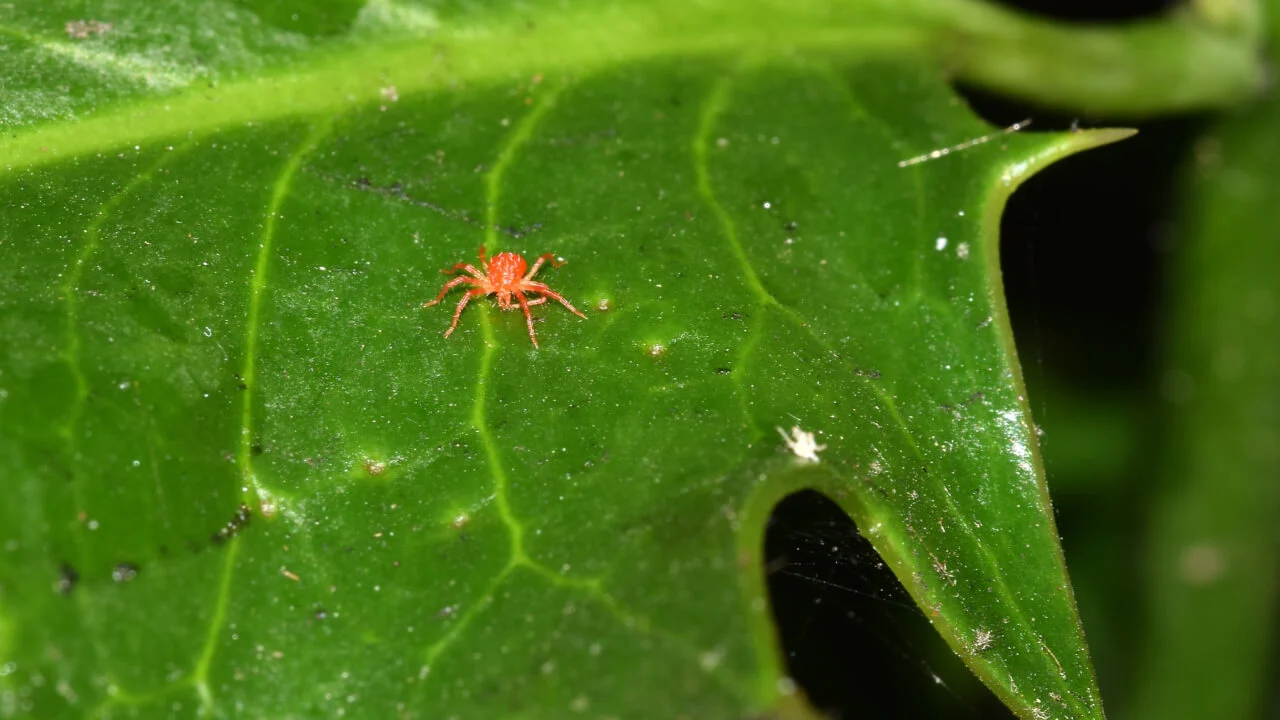
Spider mites are among the most frequent pests that harm cannabis plants. They are a member of the Tetranychidae family. They are extremely small, often less than 1 mm in length, and can be red, green, or yellow. Their ability to reproduce rapidly under favorable conditions makes them a formidable pest.
The Impact of Spider Mites on Cannabis Plants
Spider mites damage cannabis plants by piercing the leaf cells and sucking out the contents, which disrupts photosynthesis. This can lead to stunted growth, reduced yields, and compromised cannabinoid content, all of which are critical concerns in medical cannabis cultivation.
Medical Implications of Spider Mite Infestation
In a medical context, spider mite infestations can have serious consequences. Not only do they reduce the quality and yield of the cannabis, but they also create conditions that can promote mold growth, particularly when webs and fecal matter are present. Mold on cannabis is a severe risk for immunocompromised patients, and ensuring a clean, contaminant-free product is essential for patient safety.
Non-Pesticide Strategies for Managing Spider Mites

Given the need to avoid pesticides in medical cannabis cultivation, alternative methods must be employed to control and eradicate spider mites. These methods can be categorized into cultural controls, biological controls, and physical/mechanical controls.
Cultural Controls
1. Maintain Optimal Growing Conditions
Spider mites thrive in hot, dry environments. By maintaining a cooler, more humid environment, you can make your grow area less hospitable to these pests.
- Temperature and Humidity Control: Keep the grow room temperature between 65-80°F and humidity levels around 50-60%. This not only discourages spider mites but also supports healthy plant growth.
- Proper Ventilation: Ensure your grow room has adequate airflow. Use oscillating fans to create a gentle breeze, which helps prevent spider mites from settling on your plants.
2. Regular Monitoring and Early Detection
A full-blown infestation can be avoided by making an early identification. Regularly inspect the undersides of leaves for the telltale signs of spider mites: small yellow or white spots, fine webbing, and the mites themselves.
- Use a Magnifying Glass: Spider mites are tiny and difficult to see with the naked eye. You can identify them early with the aid of a magnifying glass or a microscope.
- Sticky Traps: Yellow sticky traps can be placed near the plants to monitor for spider mites. While they won’t catch all the mites, they can serve as an early warning system.
3. Sanitation Practices
Keeping the grow area clean is essential for preventing spider mite infestations.
- Remove Debris: Regularly remove dead leaves and plant material from the grow area, as these can harbor spider mites.
- Sanitize Tools and Equipment: Use alcohol or a bleach solution to clean your instruments and equipment to stop pests from spreading.
Biological Controls
Biological controls involve the use of natural predators to control spider mite populations. This method is highly effective in medical cannabis cultivation as it avoids chemical residues that could affect the safety of the final product.
1. Predatory Mites
Predatory mites, such as Phytoseiulus persimilis, Neoseiulus californicus, and Amblyseius andersoni, are natural enemies of spider mites. They feed on all life stages of spider mites and can significantly reduce their numbers.
- Release Strategy: Introduce predatory mites at the first sign of spider mites or as a preventative measure. Ensure the environment is conducive to their survival, with appropriate humidity and temperature levels.
- Application: Release predatory mites onto the plants in the early morning or late evening to avoid high temperatures and direct light, which can stress them.
2. Ladybugs and Lacewings
Ladybugs and lacewings are also effective predators of spider mites. They are particularly useful in outdoor or greenhouse settings where they can roam freely.
- Ladybugs: Release adult ladybugs in the evening. They will feed on spider mites and lay eggs, leading to a second generation of predatory larvae.
- Lacewings: Lacewing larvae, known as aphid lions, are voracious predators of spider mites. Introduce them in a similar manner to ladybugs.
Physical/Mechanical Controls
These methods involve physically removing or excluding spider mites from the cannabis plants.
1. Water Sprays
Spider mites are delicate creatures and can be dislodged from plants with a strong stream of water.
- High-Pressure Water Spray: Use a garden hose with a strong spray setting to wash the undersides of leaves where spider mites congregate. Do this every few days to keep their numbers in check.
- Water Temperature: Use cool water to further discourage spider mites, as they prefer hot, dry conditions.
2. Vacuuming
For small infestations, a vacuum cleaner can be used to remove spider mites from plants.
- Handheld Vacuum: Use a handheld vacuum with a soft brush attachment to gently remove spider mites from the leaves. To avoid re-infestation, make sure you dispose of the vacuum bag and its contents right away.
3. Isolation and Quarantine

If an infestation is detected, it’s crucial to isolate the affected plants to prevent the spread of spider mites to healthy plants.
- Quarantine Area: Set up a quarantine area away from the main grow room. Treat the affected plants separately until the infestation is under control.
- Removal of Severely Infested Plants: In cases of severe infestation where the plant cannot be saved, it may be best to remove and destroy the plant to protect the rest of the crop.
Natural Remedies
Several natural remedies can be used to control spider mites without introducing harmful chemicals into the grow environment.
1. Neem Oil

The seeds of the neem tree (Azadirachta indica) are used to make neem oil, a natural pesticide. It interferes with spider mites’ ability to feed and reproduce, upsetting their life cycle.
- Application: Mix neem oil with water and a small amount of mild soap to create an emulsion. Apply this combination to the afflicted plants, paying particular attention to the leaf undersides. Until the infestation is under control, repeat the application every five to seven days.
- Precautions: Avoid using neem oil during the flowering stage, as it can affect the taste of the final product.
2. Horticultural Oils
Horticultural oils, such as mineral oil and cottonseed oil, work by smothering spider mites and their eggs.
- Application: Mix the oil with water according to the manufacturer’s instructions and spray it on the plants. Make sure all areas are covered, especially the undersides of leaves, which are the most common places for spider mites to hide.
- Timing: Apply horticultural oils during the early morning or late evening to minimize the risk of burning the plants in direct sunlight.
3. Insecticidal Soaps
Insecticidal soaps are potassium-based soaps that can be used to kill spider mites on contact.
- Application: Spray the soap solution directly onto the affected plants, focusing on the undersides of the leaves. Insecticidal soaps are most effective when the solution remains in contact with the mites for several minutes.
- Repeat Applications: Since insecticidal soaps do not have residual effects, multiple applications may be necessary to achieve full control.
4. Garlic and Hot Pepper Sprays
Garlic and hot pepper sprays can be used as natural deterrents for spider mites. These sprays work by repelling the mites rather than killing them directly.
- Garlic Spray: Crush a few cloves of garlic and combine with water. After letting the mixture steep for a few hours, strain and mist the plants.
- Hot Pepper Spray: Blend hot peppers with water, strain the mixture, and spray it onto the plants. Be careful when handling hot peppers, and avoid contact with your skin and eyes.
Environmental Controls
Modifying the environment in which your cannabis plants are grown can significantly reduce the risk of spider mite infestations.
1. Humidity Control
Spider mites thrive in low humidity environments. By increasing the humidity, you can create a less favorable environment for them.
- Humidity Levels: Aim to keep the humidity around 55-60% during the vegetative stage. Be cautious during the flowering stage, as high humidity can lead to mold issues.
- Misting: Regularly mist your plants with water to maintain humidity and disrupt spider mite activity.
2. Temperature Control
Keeping temperatures in check is another way to manage spider mites.
- Temperature Range: Maintain a temperature range of 65-80°F. Avoid letting the temperature rise above 85°F, as this can encourage rapid spider mite reproduction.
- Cool Nights: If possible, allow the temperature to drop slightly at night, as cooler temperatures can slow down the mites’ life cycle.
3. Light Management
Spider mites prefer lower light conditions, so ensuring your plants receive adequate light can help deter them.
- Lighting: Provide your cannabis plants with sufficient light during the day. Consider using grow lights with a full spectrum that mimics natural sunlight.
- UV Light: Some growers use ultraviolet (UV) light to disrupt the life cycle of spider mites. UV light can damage their DNA and reduce their reproductive capacity.
Organic and Sustainable Practices
For medical cannabis cultivators, adopting organic and sustainable practices is essential to ensure the safety and efficacy of the final product.
1. Composting and Soil Health
Plants that are in good health start with healthy soil. By improving soil health, you can increase the plants’ natural resistance to pests, including spider mites.
- Composting: Compost can be used to add organic matter and healthy bacteria to the soil. This not only promotes plant growth but also supports a healthy ecosystem that can naturally suppress spider mites.
- Soil Amendments: Incorporate soil amendments such as worm castings, kelp meal, and mycorrhizal fungi to improve soil structure and fertility.
2. Companion Planting
Companion planting involves growing certain plants alongside your cannabis to deter pests or attract beneficial insects.
- Marigolds: Marigolds are known to repel spider mites and other pests. Plant them around the perimeter of your cannabis grow area.
- Basil and Mint: These herbs have strong scents that can confuse and repel spider mites. Plant them near your cannabis to create a natural barrier.
3. Crop Rotation and Intercropping
Rotating crops and intercropping can help prevent the buildup of pests, including spider mites.
- Crop Rotation: Crop rotation is the technique of planting various crops in the same spot each season if you produce cannabis outdoors. This lowers the possibility of infestations by upsetting the pests’ life cycle.
- Intercropping: Plant different crops in close proximity to each other. This can create a more diverse ecosystem that is less prone to pest problems.
Restrictions on Using Cannabis in the Medical Field as a Last Resort
Using cannabis as a last resort in the medical field is highly regulated to ensure it’s only prescribed when other treatments have failed. Strict documentation, specialist approval, and patient consent are required to justify its use. Monitoring THC levels in medical cannabis is crucial to prevent psychoactive effects, especially in vulnerable populations like the elderly, children, and those with mental health conditions. By adhering to low THC limits, employing careful dosing, and prioritizing non-psychoactive alternatives like CBD, healthcare providers can safely integrate cannabis into treatment plans while minimizing risks for patients.
Conclusion
Managing spider mites on medical cannabis plants without using pesticides is a multifaceted challenge that requires a deep understanding of both the pest and the plant. The use of non-pesticide methods is particularly important in the medical cannabis field, where patient safety and product purity are paramount. The strategies outlined in this guide—ranging from cultural and biological controls to physical and mechanical methods—offer effective ways to combat spider mites while preserving the integrity of the cannabis crop.
Cultural controls emphasize the importance of maintaining optimal growing conditions, regular monitoring, and rigorous sanitation practices. These preventative measures are the first line of defense against spider mites, helping to create an environment that is less hospitable to these pests. By focusing on these foundational aspects, growers can reduce the likelihood of infestations and catch any problems early, before they escalate.
Biological controls leverage natural predators like predatory mites, ladybugs, and lacewings, which can significantly reduce spider mite populations without introducing harmful chemicals into the grow environment. This method aligns perfectly with the needs of the medical cannabis industry, as it ensures that the final product remains free from pesticide residues that could harm patients.
Physical and mechanical controls, such as high-pressure water sprays, vacuuming, and isolation of infested plants, provide immediate, non-toxic methods for reducing spider mite numbers. These techniques, while labor-intensive, are crucial for managing infestations in a way that preserves the quality of the cannabis plants.
Natural remedies, including neem oil, horticultural oils, insecticidal soaps, and homemade garlic or hot pepper sprays, offer additional tools for controlling spider mites. These options are particularly valuable in the medical context, where the use of synthetic chemicals is often restricted or undesirable. However, careful application and monitoring are essential to avoid potential side effects that could impact the safety and efficacy of the medical cannabis.
Environmental controls, such as adjusting humidity, temperature, and light conditions, can make the grow environment less favorable to spider mites while also supporting the overall health of the cannabis plants. These adjustments not only help manage pests but also promote optimal plant growth and cannabinoid production, which are critical for producing high-quality medical cannabis.
Organic and sustainable practices, like composting, companion planting, crop rotation, and intercropping, contribute to a healthier growing ecosystem. These practices enhance the soil and plant health, making the cannabis plants more resilient to pests and reducing the need for interventions. By adopting these methods, medical cannabis cultivators can produce a safer, more sustainable product.
In the broader context of medical cannabis, the use of cannabis as a last resort is governed by stringent regulations designed to ensure that it is only used when absolutely necessary. This approach reflects the cautious stance that medical authorities take towards cannabis, balancing its potential benefits against the need to protect patients from potential risks. Monitoring THC levels in medical cannabis products is a critical aspect of this caution, as excessive THC can lead to unwanted psychoactive effects, particularly in vulnerable patient groups. By adhering to strict THC limits, employing precise dosing strategies, and prioritizing patient safety, healthcare providers can integrate cannabis into treatment regimens while minimizing the risk of adverse effects.
In conclusion, the successful management of spider mites in medical cannabis cultivation without pesticides requires a comprehensive and integrated approach. By combining cultural, biological, physical, environmental, and natural controls, alongside organic practices, growers can effectively protect their crops from these pests while ensuring that the final product is safe, pure, and of the highest quality. These methods, when applied within the regulatory framework governing medical cannabis use, ensure that patients receive the therapeutic benefits of cannabis without exposure to harmful substances or unwanted psychoactive effects. As the medical cannabis field continues to evolve, the commitment to safe, sustainable, and effective pest management will remain a cornerstone of responsible cultivation practices.
