Table of Contents
How to Get Medical Marijuanas Card KY
Medical cannabis became legal in Kentucky through Senate Bill 47, signed into law by Governor Andy Beshear on March 31, 2023, with a program launch date of January 1, 2025. This legislation establishes a regulated medical cannabis program, providing access to cannabis for qualifying patients under medical supervision. Here’s a step-by-step guide detailing how to get a medical marijuana card in Kentucky, including eligibility, the application process, regulations, and what patients can expect.

1. Understand Kentucky’s Medical Marijuana Law
Kentucky’s medical cannabis program is regulated by the Kentucky Cabinet for Health and Family Services (CHFS). The law legalizes the use of cannabis for medicinal purposes only, not recreational use. The program became operational on January 1, 2025, and access is only granted to individuals who are certified by a registered medical provider for certain medical conditions.
2. Check If You Have a Qualifying Medical Condition
To be eligible for a medical marijuana card in Kentucky, a patient must be diagnosed with one or more of the following qualifying conditions (as outlined in SB 47 and updated guidance):
- Cancer
- Chronic, severe, intractable, or debilitating pain
- Epilepsy or other seizure disorders
- Multiple Sclerosis (MS)
- Chronic nausea or cyclical vomiting syndrome that has proven resistant to other conventional treatments
- Post-Traumatic Stress Disorder (PTSD)
- Parkinson’s disease
- Crohn’s disease
- Sickle cell anemia
- Terminal illness with a life expectancy of under one year
Note: The CHFS may add more qualifying conditions based on ongoing medical research and public input.
3. Find a Licensed Medical Cannabis Provider
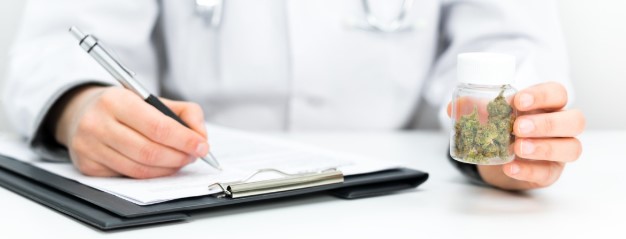
Patients must be evaluated and certified by a licensed practitioner (a physician, physician assistant, or advanced practice registered nurse) who is registered with the CHFS to recommend medical cannabis. Not all providers in the state are automatically enrolled in the program — they must undergo special certification.
How to Find a Provider:
- Check the CHFS online registry of certified providers.
- Use telehealth services (available through approved platforms starting in 2025).
- Confirm with your regular doctor whether they are certified.
4. Obtain a Written Certification
Once evaluated, if the practitioner determines that medical cannabis is appropriate, they will issue a written certification. This document must include:
- The whole legal name and birthdate of the patient.
- The date of examination.
- One or more qualifying conditions have been diagnosed.
- Provider’s name, medical license number, and signature.
- A recommendation for medical cannabis.
This certification is valid for 60 days from the date of issuance. It must be submitted as part of the online application for a medical marijuana card.
5. Register With the Kentucky Medical Cannabis Program
Patients must submit an application to the Kentucky Medical Cannabis Program online via the CHFS portal. Here’s what is generally required for registration:
Required Documents:
- Government-issued photo ID (e.g., driver’s license, state ID)
- Proof of residency in Kentucky (utility bill, lease agreement, etc.)
- Medical cannabis written certification from a registered provider
- Payment for the application fee
Application Fee:
The fee has been set by CHFS as $50 for patients and $25 for caregivers, though fee reductions may be available for patients on Medicaid or other assistance programs.
Application Steps:
- Visit the CHFS medical cannabis portal.
- Create an account and complete the patient registration form.
- Upload required documents and certification.
- Pay the application fee.
- Submit and await approval (generally processed within 14 days).
Once approved, you will receive your Kentucky Medical Cannabis Card via mail or digitally (e-card).
6. Designate a Caregiver (If Needed)
Patients who are under 18 or unable to access medical cannabis themselves may appoint a caregiver. Caregivers must:
- Be at least 21 years old.
- Register separately with CHFS.
- Undergo a background check.
- Receive approval and certification to assist a qualifying patient.
Each caregiver may assist up to three patients, and each patient may have up to two caregivers.
7. Understand Possession Limits and Usage Restrictions
As of 2025, patients may legally possess medical cannabis products, but Kentucky does not allow raw flower or smoking.
Permitted Forms:
- Capsules
- Tinctures
- Topicals (lotions, balms)
- Edibles
- Vaporized concentrates (vape oils)
Prohibited:
- Combustible (smokable) cannabis
- Home cultivation of cannabis
- Cannabis consumption in public or in a motor vehicle
Possession Limits:
Patients may possess a 30-day supply as determined by their provider. Exact quantities depend on the type of product and dosage, as defined by CHFS guidelines.
8. Where to Purchase Medical Cannabis
Kentucky’s program authorizes licensed dispensaries, which are regulated and inspected by the state. Dispensaries began opening in early 2025, and only those licensed by the state may sell cannabis to registered patients and caregivers.

Patients can only purchase cannabis from approved dispensaries within Kentucky. Products sold at these facilities must be tested, labeled, and traceable in the state’s seed-to-sale tracking system.
9. Out-of-State Patients
Kentucky law includes reciprocity provisions, meaning out-of-state medical marijuana cardholders may purchase and possess cannabis within the Commonwealth, subject to Kentucky’s form and use restrictions.
However, this is conditional and may change based on implementation updates.
10. Renewal Process
Medical marijuana cards in Kentucky are valid for one year from the date of issuance. Renewal involves:
- Acquiring a fresh written certification from a provider who is registered.
- Updating personal or medical information if needed.
- Reapplying through the CHFS portal and paying the renewal fee.
Patients are encouraged to begin the renewal process at least 30 days before expiration to prevent lapse in legal access.
11. Legal Protections and Employment
Legal Protections:
Registered patients and caregivers are protected from criminal prosecution under state law for possession and use in compliance with the program’s regulations.
Employment:
SB 47 provides limited employment protections. Employers are not required to accommodate medical cannabis use, and may still maintain drug-free workplace policies. However, employers may not discriminate solely based on a patient’s enrollment in the program unless safety-sensitive jobs are involved.
12. Frequently Asked Questions (FAQs)
Can I grow my own medical marijuana in Kentucky?
No. Home cultivation is not allowed under Kentucky law.
Is smoking medical marijuana permitted?
No. Smoking cannabis is explicitly prohibited. Vaporizing concentrates and using other non-smokable forms are allowed.
Are there age restrictions?
Yes. Patients must be 18 years or older. Minors must have a caregiver and two written certifications from separate providers.
Will insurance cover medical marijuana?
No. Health insurance does not currently cover cannabis, as it remains federally classified as a Schedule I substance.
Final Thoughts
Kentucky’s medical marijuana program offers relief to patients suffering from debilitating conditions under a tightly regulated structure. While access is available as of 2025, patients must adhere to all legal requirements including certification, application, and compliance with usage rules. By following the steps outlined above, eligible individuals can safely and legally obtain medical cannabis to improve their quality of life.
For the most accurate updates, always refer to the official Kentucky Cabinet for Health and Family Services (CHFS) website.
