Table of Contents
How to Get Medical Marijuanas Card IL
In Illinois, medical marijuana has been legal since the Compassionate Use of Medical Cannabis Pilot Program Act was passed in 2013. The state has since expanded access through the Medical Cannabis Patient Program (MCPP), which allows qualifying individuals to legally obtain and use medical marijuana to manage a variety of health conditions. Here’s everything you need to know to successfully apply for a medical marijuana card in Illinois.
1. Determine Eligibility
To qualify for a medical marijuana card in Illinois, you must meet the following basic requirements:
Age and Residency:
- Be a resident of Illinois with proof of residency (e.g., driver’s license or state ID).
- Be 18 years or older. (Minors are eligible under the Compassionate Use of Medical Cannabis Program, but need parental consent and certification from two physicians.)
Qualifying Conditions:
As of 2025, the Illinois Department of Public Health (IDPH) recognizes more than 50 qualifying health issues, such as but not restricted to:
- Cancer
- Glaucoma
- HIV/AIDS
- Hepatitis C
- ALS
- Crohn’s Disease
- Epilepsy
- PTSD
- Multiple Sclerosis (MS)
- Parkinson’s Disease
- Autism
- Migraines
- Chronic pain (under Opioid Alternative Program)
You can find the full list on the IDPH website.
2. Obtain Certification from a Healthcare Provider
To move forward with your application, you must get a written certification from a qualified healthcare professional. This must be:
- A state-licensed physician, nurse practitioner, or physician assistant
- Someone with whom you have a bona fide provider-patient relationship
- Submitted through the Illinois Cannabis Tracking System (ICTS) by the provider (not by the patient)
The provider will attest that:
- You have a qualifying condition
- Cannabis may provide therapeutic or palliative benefit
This certification is valid for 90 days, so you must complete your application before it expires.
3. Register Online
Illinois uses an online platform known as the Illinois Cannabis Tracking System (ICTS). Here’s how to register:
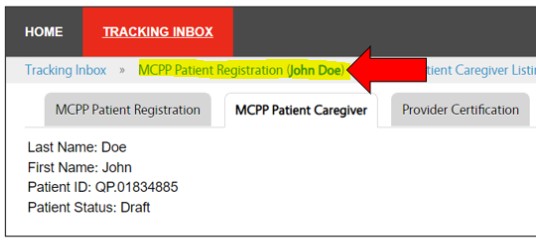
Step-by-step registration process:
- Create an account on the ICTS portal.
- Click on “MCPP Patient Registration.”
- Complete your application including:
- Personal information
- Valid email address
- Proof of Illinois residency
- Recent photograph (passport-style, no hats/glasses, white background)
- Certification number from your healthcare provider
- Choose between 1-year, 2-year, or 3-year card durations.
- Pay the applicable non-refundable application fee:
- 1 Year: $50
- 2 Years: $100
- 3 Years: $125
- Reduced fees available for veterans and those receiving disability benefits (proof required)
4. Fingerprinting and Background Check (No Longer Required for Most Patients)
Important update: As of recent changes in Illinois legislation, most new applicants and renewals are no longer required to submit fingerprints or undergo a criminal background check. This streamlines the process considerably.
However, exceptions exist (e.g., caregivers or applicants with a complicated legal history may be asked for additional information).
5. Designate a Caregiver (Optional)
Patients who need help obtaining or using medical marijuana may assign a caregiver. A caregiver:
- Must be 21 or older
- Must apply through the same ICTS system
- Needs to undergo a separate application and pay a fee
- Can only assist one patient at a time (unless they’re assisting minors or patients in hospice)
Caregivers can purchase, transport, and administer cannabis on behalf of the patient.
6. Wait for Approval
The IDPH processes most applications within 30 days, though delays can happen. You’ll receive updates via the email linked to your ICTS account. Once approved:
- A digital version of your card will be available immediately.
- A physical card is mailed if requested.
Make sure to save your login credentials to renew your card, update information, or check application status.
7. Purchase Medical Cannabis
Once approved, you can visit any licensed medical cannabis dispensary in Illinois. You are no longer limited to a single dispensary, thanks to program updates in recent years.
Benefits of being a medical cardholder vs. recreational user:
- Lower taxes (1% vs. up to 30% for recreational products)
- Higher purchase and possession limits
- Broader product access, including higher-potency items
- Priority during shortages
- Access to exclusive dispensaries and strains
8. Renewing Your Card
You’ll receive a renewal reminder before your card expires. Renewals require:
- Updated healthcare provider certification
- Updated documents if your address, name, or photo changed
- Payment of renewal fees (same as initial fees)
Apply at least 45 days before expiration to avoid lapses in access.
9. Opioid Alternative Pilot Program (OAPP)
Illinois offers an alternative route called the Opioid Alternative Pilot Program, allowing patients who would otherwise receive opioids to use cannabis instead.
Key highlights:
- Faster approval (within 24 hours in many cases)
- Temporary registration valid for 90 days (renewable)
- Healthcare provider submits OAPP certification
- Requires less documentation
Ideal for individuals facing acute or chronic pain conditions where opioids are being considered.
10. Special Considerations for Minors
Minors under 18 can qualify for medical cannabis with specific conditions:
- Require certifications from two different providers
- Must have a parent/legal guardian as a caregiver
- Limited to cannabis-infused (non-smokable) products only
- Must submit a Minor Patient Application
Conditions commonly approved include severe epilepsy, autism, cancer, and cerebral palsy.
11. Legal Protections and Limitations
Legal protections:
- Registered patients are protected from prosecution under Illinois state law for possession/use within legal limits.
- Employers can’t discriminate solely based on cardholder status, though job-specific regulations (e.g., CDL drivers, federal employees) still apply.
Limitations:
- Federal law still prohibits cannabis use.
- You cannot use cannabis in public, near schools, or in vehicles.
- Driving when intoxicated is definitely prohibited.
- Even with a medical card, it is illegal to transport cannabis across state boundaries.
12. Using Out-of-State Cards in Illinois
Illinois does not currently recognize out-of-state medical marijuana cards. However, out-of-state visitors can legally purchase cannabis for recreational use if they’re 21 or older (within reduced possession limits).
13. Where to Get Help
If you need assistance with your application or technical issues with the ICTS platform:
- Call the Medical Cannabis Patient Program at 855-636-3688
- Visit your local dispensary, many of which offer support services
- Contact organizations like Elevate Holistics, Veriheal, or Leafwell for telehealth evaluations and help with paperwork
Conclusion
Getting a medical marijuana card in Illinois is a structured but accessible process. By meeting eligibility criteria, obtaining physician certification, and properly applying through the ICTS portal, patients can gain access to cannabis treatments that help manage chronic pain, neurological conditions, and more. With legal protections and tax savings compared to recreational users, becoming a registered medical cannabis patient in Illinois offers practical and therapeutic advantages.
If you’re considering cannabis for a qualifying condition, consulting with a licensed provider and starting your application early ensures a smoother journey into the state’s robust medical marijuana program.
