Table of Contents
How to Get a Medical Marijuanas Card in CA
California has one of the most established medical cannabis programs in the United States. While adult-use cannabis is legal statewide, holding a Medical Marijuana Identification Card (MMIC) provides expanded legal protections, tax benefits, and access to higher dosage or quantity limits. This guide walks you through everything you need to know to obtain a medical marijuana card in California from eligibility criteria to final approval and renewal.

1. Why Consider a Medical Marijuana Card in California?
Despite legal recreational access, there are distinct advantages to being a registered medical marijuana patient in California:
- Greater restrictions on cultivation and possession compared to recreational users.
- Exemption from sales and use taxes when purchasing from licensed dispensaries.
- Stronger legal protections in public, law enforcement, and court situations.
- Access to specific products often reserved for medical patients.
- Ability for caregivers to purchase or cultivate cannabis on your behalf.
- Minors (under 18) can qualify for use through a designated caregiver.
- Greater flexibility in dosage and product types, particularly for chronic or severe conditions.
For patients dealing with long-term or serious health conditions, the medical route is often more cost-effective and legally secure.
2. Who Is Eligible for a Medical Card?
To qualify for a medical cannabis card in California, you must meet a few baseline requirements:
a. Age and Residency
- You must be at least 18 years old to apply independently.
- If you are under 18, you may still qualify if you have parental consent or a designated caregiver.
- You must be a California resident with proof of current residency, such as a utility bill, lease agreement, or government-issued ID with a California address.
b. Qualifying Medical Conditions
California has a broad and flexible list of qualifying conditions. You may be eligible if you have one or more of the following:
- Chronic pain
- Severe nausea
- Epilepsy or other seizure disorders
- Arthritis
- Migraine headaches
- Cancer
- Glaucoma
- Multiple sclerosis
- Anxiety or depression (in certain cases)
- HIV/AIDS
- Crohn’s disease or gastrointestinal conditions
- PTSD
- Insomnia
- Cachexia (wasting syndrome)
The law also allows physicians to recommend cannabis for any condition that substantially interferes with your quality of life or poses a threat to your health if not treated.
3. Step-by-Step Process to Get a Medical Marijuana Card
Step 1: Schedule a Medical Evaluation
The first step is to undergo an evaluation by a licensed California physician. This can be done in person or via a telehealth platform. During the consultation, you’ll discuss your medical history, current symptoms, past treatments, and how cannabis may help manage your condition.
The doctor’s job is to determine whether cannabis is appropriate for you. If approved, they will issue a written recommendation letter, which is required for obtaining a state-issued medical card.
Step 2: Obtain a Written Recommendation
A valid recommendation from a licensed physician must include:
- Your birthdate and complete name
- The physician’s contact information and license number
- A statement confirming that you qualify for cannabis use under California law
- The date of issue
- The physician’s signature
This recommendation can be used immediately to access medical dispensaries, but to receive full legal protections and tax exemptions, you should continue to the official MMIC application.
Step 3: Gather Required Documents
To apply for the state-issued MMIC, you will need:
- A copy of the physician’s recommendation
- A completed application form (usually CDPH 9042)
- Valid government-issued photo ID (e.g., California driver’s license)
- Proof of California residency, such as a rental agreement, recent utility bill, or vehicle registration
- Application fee payment (typically varies by county)
- If applying for a minor, you will need additional documentation and a caregiver declaration
These items must be submitted to your local county health department—California’s medical cannabis program is administered at the county level.
Step 4: Submit Your Application to Your County
Once your documentation is ready, submit your application to the Medical Marijuana Program (MMP) office in your county of residence. Most counties require you to apply in person and have your photo taken for the card. Some counties may allow submission by mail or offer appointments for convenience.
The application will be reviewed by county health staff. If approved, your MMIC will be sent to you via mail or picked up in person, based on the policies of your county.
4. Application Fees and Processing Time
Fees for a medical marijuana card vary by county but are capped statewide at $100. If you are a Medi-Cal recipient, you are eligible for a 50% fee reduction. Those who are eligible under indigent care programs may have the fee waived entirely.
After submission, the processing time typically ranges from two to five weeks, although some counties may take longer depending on workload.
If you need faster access, some physicians provide an instant digital recommendation, which can be used to buy cannabis at medical dispensaries while your MMIC is being processed.
5. Receiving and Using Your MMIC
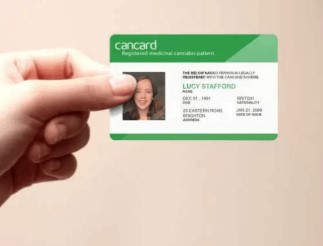
Your Medical Marijuana Identification Card will include:
- Your name
- A unique patient ID number
- Issue and expiration dates
- County seal
- Photo of the patient (or caregiver, if applicable)
This card is valid for up to 12 months and can be renewed annually. You can now present the card at licensed medical cannabis dispensaries across California to purchase products and avoid sales tax.
The MMIC also enhances your legal protection in case of interactions with law enforcement, especially if you’re found in possession of quantities beyond recreational limits.
6. Legal Possession and Cultivation Limits
With an MMIC, patients are allowed to possess:
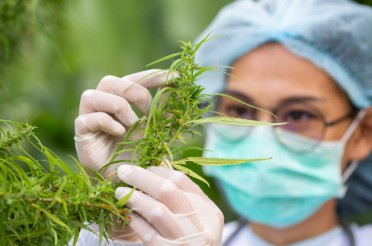
- Up to 8 ounces of dried cannabis
- Six mature plants or 12 immature plants (or more if authorized by the physician)
Some local jurisdictions permit larger cultivation areas based on patient needs or land size, but all cultivation must be conducted discreetly and securely. Always check your city or county ordinances, as local rules may further regulate or restrict home grows.
7. Designating a Caregiver
Patients who are minors or adults unable to manage their own cannabis use can designate a primary caregiver. The caregiver must be at least 18 years old, a California resident, and consistently responsible for the patient’s care. They also must apply for their own MMIC tied to the patient’s file.
Caregivers can:
- Purchase and transport cannabis on the patient’s behalf
- Cultivate cannabis for the patient
- Possess the patient’s allowed limits legally
Like patients, caregivers must renew their card annually.
8. Renewing Your Card
Before your MMIC expires (usually after one year), begin the renewal process by:
- Getting a new physician evaluation
- Filling out a renewal application
- Re-submitting your documentation and photo (some counties may keep photos on file)
- Paying the renewal fee, if applicable
Renewing on time ensures uninterrupted access to dispensaries and preserves your tax exemption and legal benefits.
9. Staying Compliant
Having an MMIC does not mean unlimited rights. You must still follow all applicable state and local laws:
- Never use cannabis while operating a motor vehicle.
- Only purchase from licensed dispensaries
- Store cannabis securely and out of reach of minors
- Do not take cannabis across state lines, even to another legal state
- Adhere to cultivation rules and zoning regulations
Patients found violating local ordinances may still be subject to penalties or card revocation.
Conclusion
Getting a medical marijuana card in California is a fairly straightforward process that begins with a physician’s evaluation and ends with a county-issued identification card. While recreational cannabis is legal, holding an MMIC can offer significant legal and financial advantages for individuals dealing with chronic illnesses or debilitating symptoms.
From higher purchase limits and tax exemptions to added legal protection and the ability to grow your own medicine, the medical program is designed to support patients with safe, affordable access. Whether you choose to apply through your local health department or via a telehealth platform, the most important step is consulting with a qualified physician who understands your condition and supports your use of medical cannabis.
