Table of Contents
How to get a medical marijuanas card
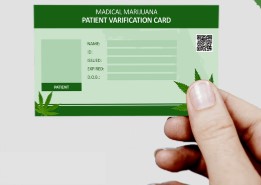
Obtaining a medical marijuana card involves a regulated process that varies by state or country, but the general steps are similar. Here’s a comprehensive guide to help you understand how to get a medical marijuana card:
1. Understand Eligibility Criteria
Before applying, ensure you meet your jurisdiction’s legal requirements. Most states require patients to be diagnosed with a qualifying medical condition such as chronic pain, cancer, epilepsy, multiple sclerosis, PTSD, glaucoma, or HIV/AIDS. Check your state’s medical marijuana program website for a complete list of approved conditions.
2. Consult a Licensed Healthcare Provider

Schedule an appointment with a physician, nurse practitioner, or other state-approved medical professional. During the visit, provide medical records and discuss your condition and symptoms. If the provider believes medical cannabis could be beneficial, they will issue a recommendation or certification.
3. Complete the Application
Once certified, visit your state’s health department or medical marijuana program website to fill out an application. This typically includes:
- Personal identification
- Proof of residency (e.g., driver’s license or utility bill)
- Physician’s recommendation
- Application fee (usually ranges from $25 to $100)
Some states allow applications to be submitted online, while others may require mailed documentation.
4. Wait for Approval
Processing dates vary but normally take 1–4 weeks. Once accepted, you will receive a digital or physical medical marijuana card.
5. Visit a Licensed Dispensary

With your card, you can legally purchase cannabis products from licensed dispensaries. Limits on purchase amounts, product types, and possession vary by state.
6. Renewal
Cards generally expire after one year and require re-evaluation by a healthcare provider for renewal.
Note: Laws differ significantly by state and country, so always consult local regulations before beginning the process.
