Table of Contents
How to germinate seeds
Introduction to Seed Germination
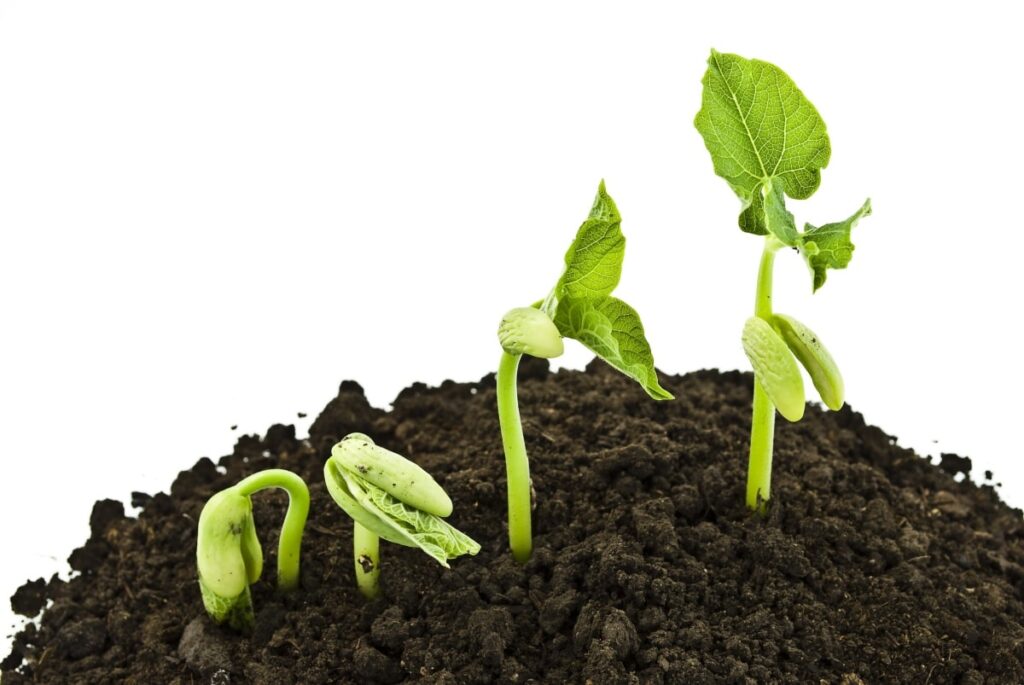
Seed germination is the pivotal process through which a seed develops into a new plant, marking a crucial transition in the plant life cycle. This stage is essential for the propagation of plant species both in natural ecosystems and agricultural settings. It involves a series of physiological changes that awaken the seed from dormancy and prepare it for growth. This document offers an in-depth look at the stages of seed germination and the environmental factors that influence its success.
Biological Stages of Seed Germination
The germination process involves several critical steps that transform the dormant seed into an active seedling:
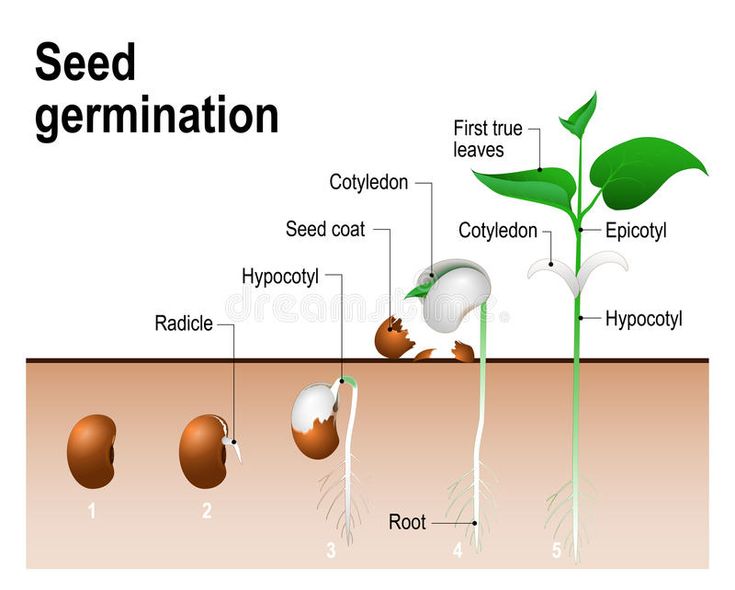
- Imbibition: The initial stage where the seed absorbs water, swelling and breaking the seed coat. This hydration triggers the seed’s metabolic processes, which have been dormant during the dry state.
- Metabolic Activation: Following water absorption, metabolic pathways within the seed are reactivated. This includes the activation of enzymes that convert stored nutrients into energy, fueling the growth of the plant embryo.
- Radicle Emergence: The emergence of the radicle, the embryonic root, is the first sign of growth. This new root grows downward to anchor the plant and absorb water and nutrients from the soil, supporting further development of the seedling.
Influential Factors in Germination
Several environmental conditions critically affect the germination rate and success, including:
- Temperature: Seeds have specific temperature requirements that facilitate optimal germination. Deviations from this temperature range can inhibit germination or lead to developmental abnormalities.
- Moisture: Essential for activating germination, moisture must be carefully balanced, as too much can cause seed rot and too little can prevent germination.
- Oxygen: Necessary for respiration, adequate oxygen is crucial during germination. Overly compacted or waterlogged soils can impede oxygen supply and thus germination.
- Light: Light requirements vary by species; some seeds need light to trigger germination, while others require darkness, depending on their phytochrome system which responds to specific light conditions.
Agricultural Implications
Understanding and optimizing the conditions for seed germination can dramatically improve agricultural productivity. Techniques such as seed priming moistening the seeds to start germination, then drying them to return them to dormancy prepare seeds for a more synchronized and successful germination once planted.
Conclusion
Seed germination is a vital early phase in the plant’s lifecycle with significant ecological and agricultural implications. Mastery of germination processes and the environmental factors affecting them can enhance plant establishment and growth, leading to more successful cultivation in diverse settings. By effectively managing key factors such as moisture, temperature, and light exposure, cultivators can greatly improve germination rates and plant vitality.
Understanding the Basics of Seed Dormancy
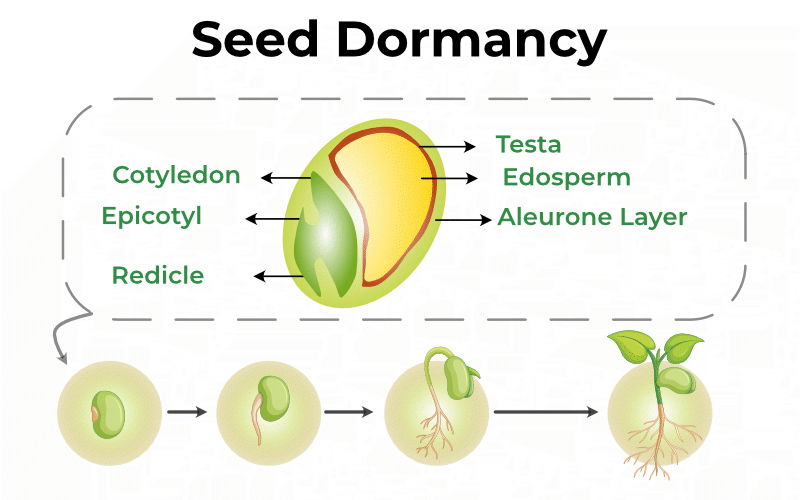
Seed dormancy is an evolutionary adaptation that plays a crucial role in plant survival and reproduction. It prevents seeds from germinating until conditions are optimal, ensuring that seedlings are more likely to thrive. This document delves into the physiological underpinnings of seed dormancy, its ecological importance, and the various triggers that can initiate germination.
Physiological Mechanisms of Seed Dormancy
Seed dormancy is maintained through several mechanisms that can be broadly categorized as follows:
- Exogenous Dormancy: This type of dormancy arises from external factors, such as hard seed coats that impede the absorption of water and gases, or chemical inhibitors present in the seed coat that suppress germination.
- Endogenous Dormancy: This form is dictated by internal physiological or biochemical barriers within the seed itself, often involving a hormonal balance between abscisic acid, which promotes dormancy, and gibberellins, which encourage germination.
- Morphological Dormancy: Here, dormancy results from incomplete embryo development at the time of seed dispersal, requiring a period of time post-dispersal to complete development before germination can occur.
Ecological Implications of Seed Dormancy
Seed dormancy offers several advantages to plant species, including:
- Optimal Timing: Dormancy guarantees that seeds germinate only during periods when environmental conditions are optimal, such as in the spring when moisture levels and temperatures are ideal for the establishment of seedlings.
- Enhanced Dispersal: Dormancy allows seeds to be dispersed over wider areas over extended periods, facilitating broader species distribution and habitat colonization.
- Risk Mitigation: By preventing all seeds from germinating simultaneously, dormancy reduces the risk of entire populations being decimated by adverse weather, predation, or other threats at once.
Overcoming Seed Dormancy
Breaking seed dormancy often requires specific environmental or mechanical stimuli:
- Stratification: Cold stratification mimics winter conditions, reducing internal hormonal barriers and preparing the seed for spring germination.
- Scarification: This involves physically or chemically weakening the seed coat to allow water and gases to penetrate, initiating the germination process.
- Environmental Triggers: Factors such as light exposure, temperature shifts, and even exposure to smoke can signal to the seed that growing conditions have become favorable.
Conclusion
Seed dormancy is a sophisticated survival mechanism that influences the reproductive success and geographic distribution of plant species. A deeper understanding of seed dormancy not only sheds light on plant ecology but also has practical implications for agriculture, horticulture, and conservation. By manipulating dormancy factors, humans can improve crop yields, restore ecosystems, and maintain biodiversity. Advances in our understanding of seed dormancy will continue to enhance our ability to manage and propagate plants effectively in various environments.
Essential Conditions for Successful Germination
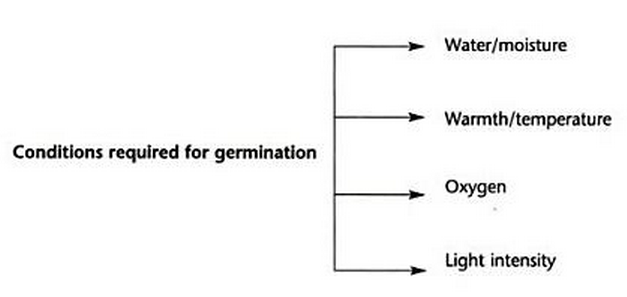
Germination is the foundational stage in a plant’s lifecycle, marking the transition of a seed into a seedling. This stage is pivotal for the continuation of plant species and heavily influenced by environmental conditions. Proper understanding and management of these conditions are essential in both natural settings and cultivated environments, to ensure the successful germination and subsequent growth of plants. This document elaborates on the essential environmental factors necessary for optimal seed germination, emphasizing their roles and interactions.
Water
Water is paramount for initiating the germination process. It activates the seed by allowing imbibition, which softens the seed coat and swells the seed, triggering metabolic activity. This hydration kick-starts the enzymatic breakdown of stored nutrients within the seed, supplying the necessary energy for growth and development.
Temperature
Temperature greatly influences germination, with each plant species having a specific temperature range that facilitates optimal growth. Correct temperatures ensure that the necessary biochemical processes are carried out efficiently. Extreme temperatures, whether excessively high or low, can obstruct or entirely stop the process of germination. Some seeds also require exposure to fluctuating temperatures or specific cold or heat treatments to break dormancy.
Oxygen
Oxygen is crucial for the respiration process in germinating seeds, which powers the metabolic activities needed for growth. Good soil aeration is essential to provide continuous oxygen supply; without it, seeds may fail to germinate due to insufficient energy production. Conditions that compact the soil or cause waterlogging can obstruct oxygen availability and should be avoided.
Light
Light requirements vary by seed type; some seeds germinate best in the presence of light, while others require darkness. This dependence is often governed by phytochromes—light-sensitive proteins that regulate growth in response to specific light conditions. Managing light exposure to align with the seed’s requirements can significantly enhance the probability of successful germination.
Soil pH
The pH level of the soil or growing medium influences the availability of nutrients and overall seed metabolism. Most seeds germinate effectively in a slightly acidic to neutral pH environment, though this preference can vary. Adjusting the pH to meet the specific needs of the seed is vital for facilitating robust germination.
Nutrients
While seeds initially rely on stored nutrients for germination, subsequent growth phases require external nutrient sources. Adequate nutrient availability in the growing medium ensures that the seedling can continue to develop once its own reserves are depleted. Ensuring a balanced nutrient profile helps support the early stages of seedling growth.
Conclusion
Effective seed germination is contingent upon a delicate balance of several environmental factors. Water, temperature, oxygen, light, pH, and nutrients each play integral roles in the successful transition from seed to seedling. Mastery of these conditions is critical for those engaged in planting and cultivation, as it ensures not only the germination of seeds but also the health and vitality of emerging seedlings. Properly managing these factors can lead to improved germination rates and stronger plant growth, fundamental to successful agriculture and ecological conservation efforts.
Methods of Seed Germination
Germination marks the critical initiation of a plant’s life cycle, transitioning seeds into viable seedlings. To optimize this essential phase, various germination techniques have been developed, catering to different seed types and specific environmental requirements. These methods are designed to improve germination rates, enhance seedling health, and support successful plant development. This document explores prevalent seed germination methods, describing their mechanisms and practical uses.
Soil-Based Germination Methods
- Direct Sowing: Planting seeds directly in their permanent growing medium is the most straightforward germination method. It requires careful management of soil moisture and texture to prevent issues like waterlogging, which can impede seed germination.
- Using Potting Mixes: Employing sterile potting mixes can offer a controlled germination environment free of pathogens. These mixes typically combine peat moss, perlite, and vermiculite to optimize moisture retention and aeration.
Paper Towel Germination Technique
- Germination on Moist Paper Towels: This technique involves placing seeds between wet paper towels inside a sealed plastic bag or container to maintain humidity. It allows for easy observation and maintenance of the seeds, ensuring they remain moist and free from mold.
Hydroponic Germination Methods
- Rockwool Cube Germination: Commonly used in hydroponics, Rockwool cubes provide a sterile and inert medium ideal for seed germination. This method facilitates easy transplantation into hydroponic setups without disturbing the developing roots.
- Direct Water Soaking: Particularly suited for seeds of aquatic plants, soaking seeds directly in water replicates natural, waterlogged conditions conducive to germination.
Advanced Germination Techniques
- Scarification: This involves mechanically breaking down the seed coat to improve water and air intake, aiding seeds with particularly tough outer shells.
- Stratification: Imitating the natural cold exposure of winter, stratification involves chilling seeds within a moist substrate to break dormancy and trigger germination, especially effective for seeds requiring cold periods before sprouting.
- Applying Growth Regulators: Using plant hormones such as gibberellins can induce germination in dormant seeds, which is especially useful in agricultural settings to achieve fast and uniform sprouting.
Conclusion
The choice of germination technique is pivotal in plant cultivation, affecting the initial development and overall success of seedling growth. Each method provides distinct advantages and is tailored to specific seed types and environmental conditions. Selecting the right germination method enables cultivators to significantly enhance seedling establishment and ensure robust plant growth. As advancements in agricultural technologies continue, innovative germination techniques are likely to emerge, providing even greater control over environmental factors that influence the early stages of plant growth.
Common Mistakes in Seed Germination
Seed germination is the crucial first stage in a plant’s life, and even minor mistakes during this phase can adversely affect the growth and health of seedlings. Properly addressing common germination errors can dramatically increase the likelihood of successful plant development. This document delineates typical mistakes encountered during the seed germination process and provides strategies to mitigate these issues, enhancing both the efficiency and effectiveness of this foundational stage.
1. Improper Watering
Watering inaccurately either too much or too little is a frequent error during seed germination. Overwatering can create overly moist conditions that suffocate seeds, cutting off their oxygen supply and encouraging fungal infections like damping-off. Conversely, underwatering might prevent seeds from receiving the moisture necessary to kickstart their metabolic processes.
Solution: Achieve optimal moisture levels by using a spray bottle to water the seeds gently, ensuring the medium is consistently moist but not saturated. Using a moisture meter can help accurately gauge soil moisture.
2. Inadequate Soil Temperature
Temperature plays a critical role in seed germination, with each plant species requiring a specific temperature range to optimize germination. Variations from this temperature range can decelerate or prevent the enzymatic processes critical for the development of seedlings.
Solution: Employ a heating mat beneath seed trays to maintain stable soil temperatures, especially beneficial in cooler conditions. Regular checks with a soil thermometer can ensure temperatures stay within the ideal range for germination.
3. Suboptimal Growing Medium
Using an unsuitable or low-quality growing medium can hinder the germination process. Media that are too compact may impede root growth and restrict oxygen flow, while unsterilized soils can introduce pathogens harmful to seed development.
Solution: Choose a specialized, lightweight germination medium that promotes air circulation and water retention, such as mixes containing peat, vermiculite, or coconut coir. Ensure the medium is sterile to avoid soil-borne diseases.
4. Incorrect Seed Planting Depth
Seeds planted at improper depths face germination issues; seeds set too deeply may lack the energy to break through the soil surface, whereas those planted too shallowly might be exposed and unable to sprout effectively.
Solution: Adhere to the recommended planting depths typically two to three times the diameter of the seed to ensure proper soil coverage without placing seeds too deep to emerge successfully.
5. Inadequate Lighting
Many seeds require specific light conditions to germinate properly. Lack of sufficient light can result in elongated, weak seedlings that fail to develop robustly.
Solution: Position seed trays in areas with ample natural light or utilize artificial grow lights to supplement light levels. Adjust the lighting to prevent it from being overly intense, which could harm young seedlings.
Conclusion
By recognizing and correcting common germination mistakes, cultivators can significantly enhance the success rates of their seed germination efforts. Key to this process is controlling environmental conditions such as moisture, temperature, and light, as well as choosing the appropriate growing medium and planting depth. Attention to these critical factors sets the stage for healthy seedling development and a successful cultivation cycle.
Caring for Seedlings After Germination
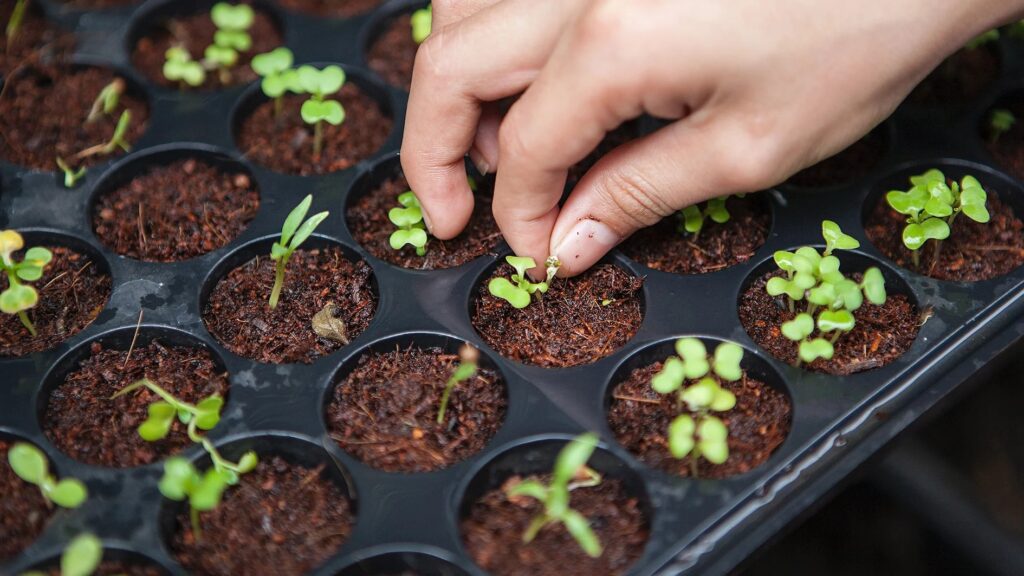
The stage immediately after germination is critical for the young plant’s survival and growth. Proper post-germination care is essential to ensure that these fledgling seedlings develop into healthy, robust plants. This document outlines key practices necessary for the effective nurturing of seedlings after they emerge, emphasizing the management of environmental factors, precise nutritional support, and proactive disease and pest control.
Optimal Environmental Conditions
- Lighting: Sufficient lighting is critical for seedling health. Inadequate light can lead to frail, elongated plants. Seedlings should either be exposed to adequate natural light or placed under artificial grow lights for approximately 14-16 hours daily to simulate the beneficial effects of sunlight.
- Temperature and Humidity Control: It is important to maintain stable and suitable temperature and humidity levels to support seedling vitality. Daytime temperatures should be kept between 65-75°F (18-24°C), with slightly cooler temperatures at night. Humidity should be carefully controlled to prevent the growth of mold and fungi, using methods such as humidity domes initially, which should be gradually removed to adjust seedlings to ambient air moisture.
- Air Circulation: Proper ventilation is crucial to prevent high humidity around the seedlings and to encourage strong stem development. A gentle, indirect breeze from a fan helps mimic the natural movement of air, enhancing plant strength and resilience.
Nutrition and Watering
- Watering Techniques: Seedlings require consistent moisture but are susceptible to damage from overwatering. Maintain soil moisture without oversaturation, allowing the surface to dry slightly between waterings to promote deeper root development.
- Fertilization Strategy: Seedlings initially rely on their seed’s nutrient reserves and generally do not require additional fertilization until true leaves appear. At that point, introducing a mild solution of balanced fertilizer can support growth without risking nutrient burn from over-fertilization.
Disease and Pest Prevention
- Regular Inspection: Keeping a close eye on seedlings for any signs of disease or pest activity is essential for early intervention. Preventative measures, such as maintaining optimal humidity and avoiding wetting the foliage, can help reduce the incidence of common ailments like damping-off.
- Careful Transplanting: When seedlings grow large enough to handle, transplanting them into bigger pots or into the garden is necessary. This process should be handled delicately to prevent damage to the fragile roots and stems, ensuring the plants have sufficient space to expand and access fresh nutrients.
Conclusion
Providing seedlings with attentive care following germination is crucial for establishing a strong foundation for further growth. Managing light exposure, temperature, humidity, and air quality, alongside judicious watering and fertilization, prepares seedlings for a successful transition to more mature stages of growth. Diligent monitoring for any health issues and gentle handling during transplanting further ensures the development of vigorous and healthy plants. By adhering to these guidelines, gardeners and cultivators can significantly enhance the survival and health of their young plants.
Troubleshooting Poor Germination Rates
Optimal seed germination is essential for the successful establishment of plants, yet many cultivators face difficulties that inhibit proper seed development. Poor germination rates can significantly impact the growth, health, and yield of crops. This document details the typical issues that affect seed germination and outlines practical solutions to mitigate these problems, thereby improving germination success and plant vitality.
Common Causes of Poor Germination
- Seed Viability and Quality: A major factor in germination failure is the use of seeds that are either too old or have been stored under conditions that diminish their viability.
- Incorrect Planting Techniques: Seeds that are buried too deeply or sown too shallowly may not germinate effectively due to improper moisture access or exposure to unsuitable temperatures.
- Adverse Environmental Conditions: Germination requires specific environmental conditions, including optimal temperature and consistent moisture levels. Any deviation from these conditions can adversely affect germination rates.
- Soil Issues: Compacted soil or insufficient aeration can hinder water uptake and reduce oxygen availability to the seeds, both critical for successful germination.
- Pests and Diseases: Early seed or sprout losses can also be attributed to pest infestations or fungal diseases, such as damping-off.
Solutions to Improve Germination Rates
- Verifying Seed Quality: Ensure the use of fresh, high-quality seeds and store them in conditions that preserve their health and viability. Performing a germination test before planting can provide an indication of potential success rates.
- Proper Seed Planting: Adhere to species-specific guidelines regarding seed depth and spacing to ensure optimal development. Seeds should be placed at a depth where moisture is sufficient but not excessive.
- Controlling Environmental Factors: Maintain precise control over environmental variables like temperature and humidity to suit the specific needs of the seed. Using greenhouses or germination chambers can help stabilize these conditions.
- Conditioning the Soil: Prepare a loose, fertile, and well-draining growth medium to enhance root penetration and oxygen access. Avoid soil compaction and ensure the medium is free from large clumps and debris.
- Maintaining Ideal Moisture Levels: Keep the soil consistently moist but not waterlogged. Utilizing soil moisture meters can help maintain the optimal moisture balance required for germination.
- Disease and Pest Prevention: Implement preventive strategies including the use of treated seeds, crop rotation, and sanitization of planting tools and equipment to reduce the incidence of pests and diseases.
Conclusion
Addressing the common challenges in seed germination involves a strategic approach that encompasses the assessment of seed quality, the optimization of planting and environmental conditions, and the prevention of diseases and pests. By adopting these tailored solutions, cultivators can greatly enhance seed germination rates, thereby establishing a strong foundation for healthy plant growth and increased agricultural productivity. These practices not only ensure the viability of the seedlings but also contribute to the overall success of the planting initiative.
Transitioning Seedlings to Larger Growing Spaces
The process of transplanting seedlings from their initial germination settings to more spacious growing environments is a pivotal phase in plant development. Proper execution of this step is essential to ensure the seedlings’ health and promote robust growth. This document provides a comprehensive guide on the optimal practices for transplanting seedlings, highlighting crucial aspects such as optimal timing, careful handling, and diligent post-transplant care.
Optimal Timing for Transplanting
- Assessing Seedling Readiness: The ideal time to transplant is when seedlings have developed their first true leaves, indicating they are sufficiently mature to withstand the transplanting process and have adequate foliage to support further growth.
- Root System Consideration: Before transplanting, check that the seedlings’ roots are well-formed but not excessively crowded in their current containers to avoid growth issues related to being root-bound.
Preparing for Transplant
- Choosing a Suitable New Location: Selecting the right environment for the seedlings, whether it’s a larger container or a garden plot, involves evaluating soil quality, available light, and protection from harsh elements.
- Soil Preparation: Amend the soil in the new location with nutrients, ensuring it is loose and well-drained to support the expanding root systems of the transplanted seedlings.
Transplanting Techniques
- Minimizing Root Disruption: Gently remove each seedling from its initial container, maintaining the integrity of the root ball to reduce stress and facilitate quicker adaptation to the new setting.
- Correct Planting Depth: Ensure seedlings are re-planted at their original growing depth to prevent stress and exposure that could lead to poor development or increased susceptibility to disease.
- Initial Watering: Thoroughly water the seedlings immediately after transplanting to help establish them in their new environment, settle the soil, and reduce air gaps around the roots.
Care After Transplanting
- Close Observation: Monitor the seedlings for any signs of transplant shock, such as drooping or discolored leaves, and make necessary adjustments to their care regimen to mitigate stress.
- Hardening Off: For seedlings moving from an indoor environment to an outdoor setting, gradually acclimate them to the external conditions by slowly introducing them to increased sunlight and variations in temperature, thereby reducing potential shock.
- Nutritional Support: Post-transplant, it is vital to continue providing the seedlings with essential nutrients to encourage growth. Application of a balanced fertilizer can promote both root and foliage development.
Conclusion
Transplanting seedlings successfully is critical for their health and productivity. By ensuring that seedlings are ready for the transition, handling them with care during the transplant, and providing vigilant care afterward, cultivators can greatly improve the survival rate and health of their plants. These strategic practices are instrumental in nurturing seedlings through a vulnerable stage of their growth cycle and setting a strong foundation for their future development.
Tips for Specific Types of Seeds
Effective germination is crucial for the successful cultivation of plants, with each type of seed having distinct requirements that influence its development. Tailoring germination and care practices to accommodate the unique needs of different seeds can significantly improve plant health and yield. This document offers detailed cultivation tips for a variety of seed types, ranging from common vegetables and flowers to more exotic and challenging species, aimed at ensuring successful outcomes in diverse horticultural endeavors.
1. Vegetable Seeds
- Tomatoes and Peppers: These seeds require warm conditions to germinate effectively. Maintain soil temperatures between 75-85°F (24-29°C) using a heating mat. Start these seeds indoors approximately 6-8 weeks prior to the last expected frost to ensure a robust start.
- Leafy Greens (Lettuce, Spinach): Preferring cooler germination temperatures of 60-70°F (15-21°C), these seeds can be directly sown into the garden. Since they need light to germinate, either lightly cover them with a thin layer of soil or just press them gently into the ground.
2. Flower Seeds
- Sunflowers: Direct sowing is recommended for sunflowers as they do not transplant well. Plant seeds 1-2 inches deep in their final growing location and ensure thorough watering.
- Petunias: These small seeds should not be buried, as they need light to germinate. Press them gently onto the soil surface and keep moist, using a fine mister to water without displacing the seeds.
3. Herb Seeds
- Basil: Basil seeds need warmth and light to sprout. Sow in moist, well-drained soil at temperatures of at least 70°F (21°C) and do not cover the seeds, as they require light to germinate.
- Mint: Mint seeds are best sown on the soil surface and pressed down lightly. To maintain adequate moisture, covering the pot with plastic wrap until germination can be beneficial.
4. Exotic and Tropical Seeds
- Orchids: Due to their complex germination requirements involving symbiotic relationships with fungi, orchid seeds are challenging to germinate at home. It is typically advised to begin with young plants or divisions.
- Palm Seeds: Scarification can help hasten germination by breaking the tough seed coat. Soak palm seeds in warm water for 48-72 hours before planting to soften them.
5. Tree Seeds
- Maples: Stratify maple seeds by refrigerating them for 1-2 months to simulate winter conditions, which promotes spring germination.
- Oaks: Acorns, particularly those from white oaks, ought to be planted right after collection because they do not keep well.
- Use deep containers to accommodate their taproots, ensuring the pointed end of the acorn is directed downward.
Conclusion
Adopting specific germination and cultivation techniques tailored to the needs of different seed types can greatly enhance plant establishment and growth. By understanding and applying these specialized guidelines, gardeners and cultivators can maximize the potential of their plants, ensuring healthy development from seed to maturity.
