Germinating old cannabis seeds can be a challenging process, but with the right techniques and knowledge, it is possible to achieve successful germination. This thorough tutorial offers a variety of techniques and advice to assist you in successfully germination of older cannabis seeds.
Understanding Cannabis Seed Viability
Cannabis seed viability refers to the ability of a seed to successfully germinate and grow into a healthy plant. Several factors influence the viability of cannabis seeds, including age, storage conditions, genetics, and seed quality. Understanding these factors is crucial for growers aiming to maximize germination rates and ensure healthy plant development.
Key Factors Affecting Seed Viability
1. Age of the Seeds
- Seed Longevity: Cannabis seeds have a finite lifespan. Fresh seeds (less than 1-2 years old) typically have the highest viability. The ability of seeds to germinate declines with age. Seeds older than 5 years may have significantly reduced viability, though proper storage can extend their lifespan.
- Dormancy: Some cannabis seeds enter a state of dormancy, where they require specific conditions to break dormancy and germinate. Understanding the dormancy characteristics of the seed strain can aid in successful germination.
2. Storage Conditions
- Temperature: It is best to keep seeds in a cool place. Optimal storage temperatures range from 40°F to 50°F (4°C to 10°C). Higher temperatures can accelerate seed aging and reduce viability.
- Humidity: Seeds must be kept dry. High humidity can cause seed rot and the formation of mold. Ideal humidity levels for seed storage are around 20-30%.
- Light: It is best to keep seeds in a dark place. Exposure to light can trigger premature germination processes and reduce seed viability.
- Airtight Containers: Storing seeds in airtight containers, such as glass jars with rubber seals or vacuum-sealed bags, helps maintain optimal temperature and humidity levels.
3. Genetic Quality
- Strain Genetics: The genetic makeup of the cannabis strain influences seed viability. High-quality genetics from reputable breeders generally result in more viable seeds.
- Parent Plant Health: Seeds from healthy, robust parent plants tend to have higher viability. Plants that are stressed, diseased, or poorly cared for may produce weaker seeds with lower germination rates.
4. Seed Quality
- Physical Characteristics: Viable cannabis seeds are typically dark brown or gray with a hard, smooth shell. They may have tiger stripes or mottled patterns. Immature seeds are often green or white and soft to the touch, indicating poor viability.
- Size and Weight: Larger, heavier seeds generally have better viability than smaller, lighter ones. This is because larger seeds usually contain more stored energy to support early growth stages.
Preparing for Germination
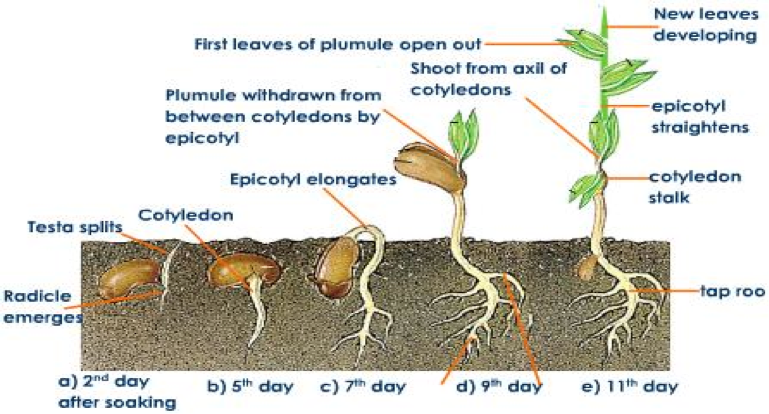
Preparing cannabis seeds for germination is a crucial step that can significantly influence the success rate of sprouting and the overall health of the seedlings. This section covers the necessary preparations to ensure optimal conditions for seed germination, including assessing seed viability, pre-germination treatments, and setting up the germination environment.
Assessing Seed Viability
Before starting the germination process, it’s important to assess the viability of the seeds. This helps in identifying which seeds are likely to germinate successfully.
Visual Inspection
- Color: Viable seeds are usually dark brown or gray. Light-colored or green seeds are often immature and less likely to germinate.
- Shell Hardness: Healthy seeds have a hard shell. Gently squeeze the seed between your fingers; if it cracks or crushes easily, it is likely not viable.
- Pattern: Look for tiger stripes or mottled patterns on the seed coat, which are often indicators of maturity and health.
Float Test
- Procedure: Place the seeds in a glass of water and let them sit for 1-2 hours.
- Results: Viable seeds usually sink to the bottom, while non-viable seeds float. This test is not foolproof but can give a general indication of seed health.
Moisture Content
- Dryness: Viable seeds should feel dry to the touch. Seeds that feel damp or have visible mold are likely non-viable.
- Hydration: If seeds appear excessively dry or brittle, they may benefit from pre-soaking in water before germination.
Pre-Germination Preparation
Pre-germination preparation involves steps that can help improve the chances of successful germination, especially for older or hard-to-germinate seeds.
Hydration
Old seeds often have a hard shell that can inhibit water absorption. Soaking seeds in water can help soften the shell.
- Soaking in Water: Use room-temperature distilled water and soak the seeds for 12-24 hours. Initiating the germination process and rehydrating the seeds are the benefits of this.
- Hydrogen Peroxide: Adding a few drops of hydrogen peroxide to the soaking water can help kill any pathogens on the seed surface and promote germination.
Scarification
Scarification is the process of gently scuffing the seed coat to make it easier for water to penetrate and stimulate germination.
- Method: Use fine sandpaper or a nail file to gently scuff the outer surface of the seed coat. This helps break down the hard shell and allows moisture to reach the embryo.
- Caution: Be careful not to damage the seed embryo. Scarification should be done gently and only to the outer surface of the seed coat.
Stratification
Stratification mimics natural environmental conditions to break seed dormancy and promote germination.
- Cold Stratification: For some cannabis strains, exposing seeds to cold temperatures can help break dormancy. Place seeds in a damp paper towel, seal them in a plastic bag, and refrigerate for 1-2 weeks.
- Warm Stratification: For other strains, a period of warm stratification may be beneficial. Place seeds in a warm, damp environment for a few days before germination.
Germination Techniques
Germinating cannabis seeds can be done using various methods, each with its own advantages and suitability depending on the grower’s preferences and resources. This section will detail several popular germination techniques, including the paper towel method, soil method, water method, Rockwool cubes, and peat pellets, as well as enhancements and troubleshooting tips to improve germination success.
Paper Towel Method
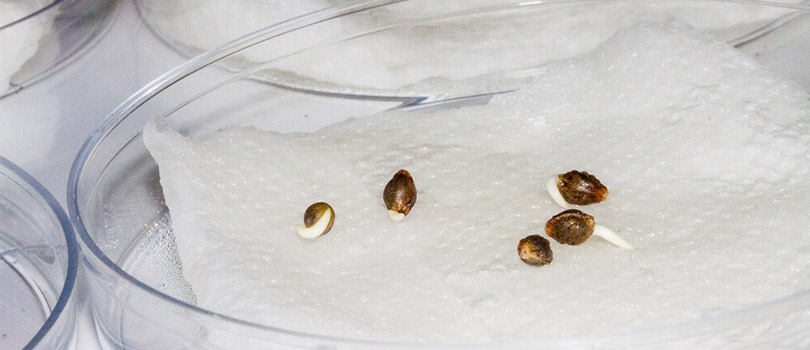
The paper towel method is a simple and effective technique for germinating cannabis seeds.
Materials Needed
- Paper towels
- Plastic zip-lock bags
- Distilled water
- A flat surface (e.g., a plate or tray)
Steps
- Moisten the Paper Towel: Dampen a paper towel with distilled water. Ensure it is moist but not waterlogged.
- Place the Seeds: Lay the seeds on the damp paper towel, spacing them out to avoid overcrowding.
- Fold the Paper Towel: Fold the paper towel over the seeds, covering them completely.
- Seal in a Bag: Place the folded paper towel inside a plastic zip-lock bag. Seal the bag to retain moisture.
- Warm, Dark Place: Keep the bag in a warm, dark place, such as a cupboard or drawer, where the temperature is between 70-85°F (21-29°C).
- Check Daily: Open the bag daily to check for germination. Seeds typically sprout within 3-10 days. It is time to plant the seeds once the taproot appears.
Tips
- Make sure there’s some moisture on the paper towel without it being soggy.
- Avoid handling the seeds too much to prevent damage to the emerging taproot.
Soil Method
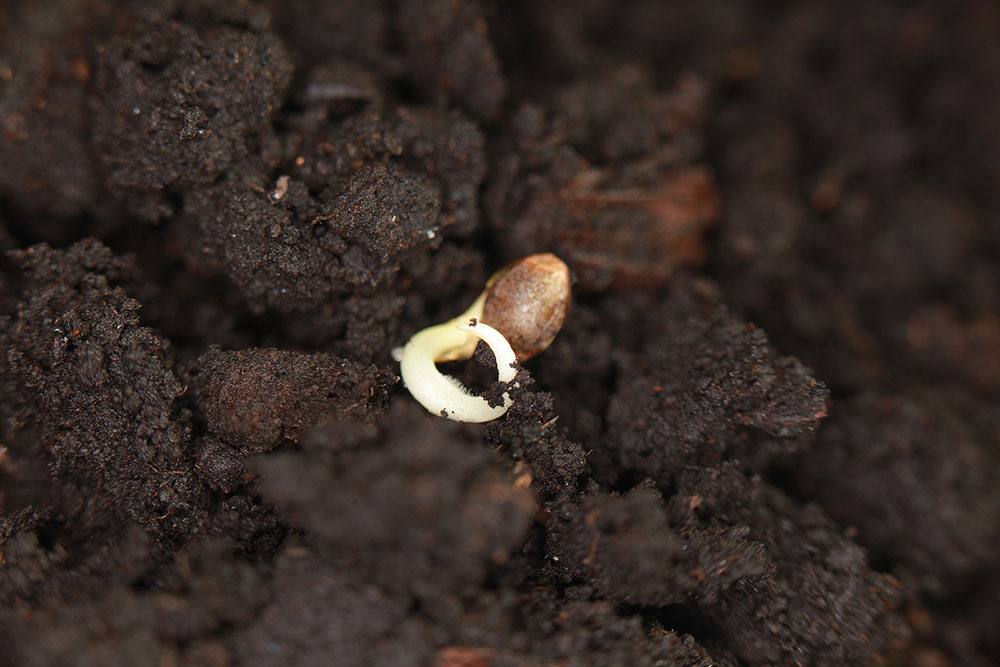
Germinating seeds directly in soil mimics natural conditions and can be less stressful for the seedlings during transplantation.
Materials Needed
- Seed-starting soil mix
- Small pots or seedling trays
- Distilled water
- A warm, dark location
Steps
- Prepare the Soil: Fill small pots or seedling trays with a seed-starting soil mix. The soil should be loose, well-aerated, and lightly moistened.
- Create Holes: Make small holes about 1/4 inch (6 mm) deep in the soil using a pencil or your finger.
- Plant the Seeds: Place one seed in each hole and gently cover it with soil.
- Water Gently: Lightly water the soil to settle it around the seeds. Avoid overwatering.
- Maintain Conditions: Place the pots or trays in a warm, dark location. Keep the soil moist but not soggy.
- Monitor Growth: Check for seedling emergence within 5-14 days. Once seedlings appear, move them to a well-lit area.
Tips
- If you want to keep the ideal moisture levels, use a humidity dome.
- Avoid using heavy soils that can compact and inhibit seedling growth.
Water Method
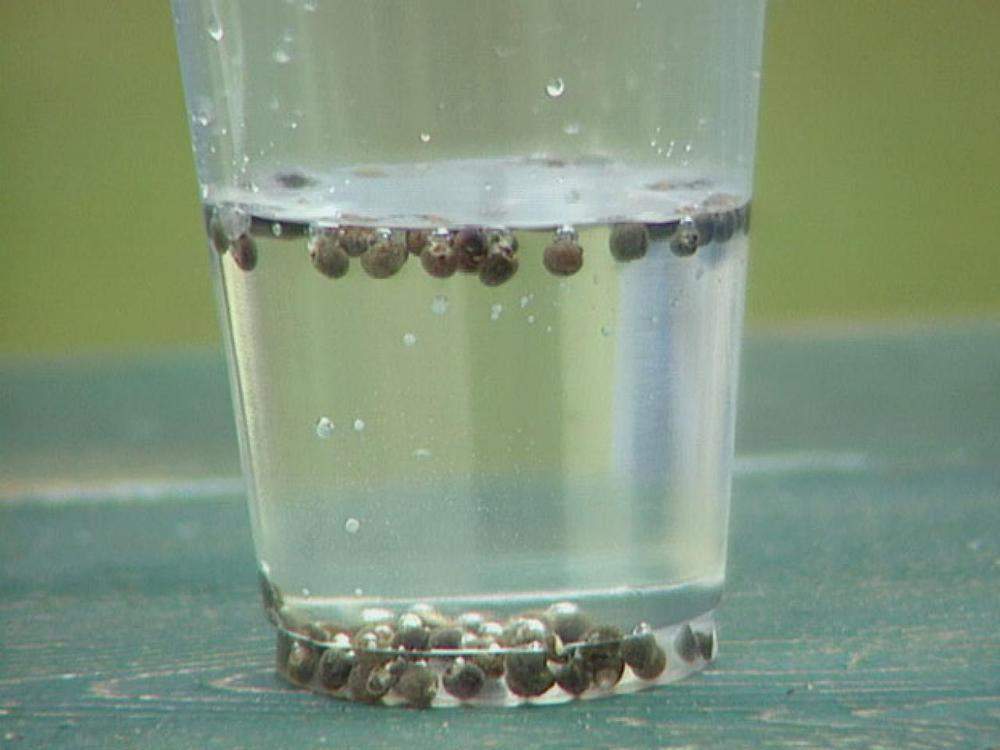
The water method is a straightforward technique that involves soaking seeds in water to initiate germination.
Materials Needed
- Distilled water
- A glass container
- A dark, warm place
Steps
- Fill the Container: Fill a glass container with distilled water at room temperature.
- Add the Seeds: Drop the seeds into the water. Some may float initially, but they should sink over time.
- Wait for Germination: Place the container in a dark, warm place. Change the water daily to prevent stagnation.
- Check for Sprouting: Seeds typically begin to sprout within 3-7 days. Once the taproot emerges, transfer the seeds to soil or another growing medium.
Tips
- Do not leave the seeds in water for too long after they sprout to avoid drowning.
- Handle sprouted seeds gently to avoid damaging the taproot.
Rockwool Cubes
Rockwool cubes provide an excellent medium for seed germination, particularly for hydroponic setups.
Materials Needed
- Rockwool cubes
- Distilled water
- A small container
- A warm, dark place
Steps
- Soak the Cubes: Soak Rockwool cubes in distilled water for a few hours to fully hydrate them.
- Place the Seeds: Insert a seed into the small hole at the top of each cube.
- Maintain Conditions: Place the cubes in a warm, dark environment.
- Keep Moist: Ensure the cubes remain moist by misting with distilled water as needed.
- Monitor Growth: Germination should occur within 5-14 days. Once seedlings emerge, move them to a well-lit area.
Tips
- Avoid letting Rockwool cubes dry out completely.
- Use a humidity dome to maintain optimal moisture levels.
Peat Pellets
Peat pellets are another convenient medium for germinating cannabis seeds, especially for soil-based growing systems.
Materials Needed
- Peat pellets
- Distilled water
- A small container
- A warm, dark place
Steps
- Soak the Pellets: Soak peat pellets in distilled water until they expand fully.
- Insert the Seeds: Place a seed in the center of each pellet.
- Maintain Conditions: Keep the pellets in a warm, dark place.
- Moisten as Needed: Add water to keep the pellets moist, but not waterlogged.
- Monitor Growth: Seeds should germinate within 5-14 days. Once seedlings emerge, move them to a well-lit area.
Tips
- Avoid letting the pellets dry out completely.
- Transplant seedlings to larger containers once they develop a few sets of true leaves.
Enhancing Germination Rates
Enhancing the germination rates of cannabis seeds, especially older or stubborn ones, can be achieved through various techniques and treatments. These methods focus on optimizing conditions and utilizing specific treatments to encourage seed viability and successful sprouting.
Use of Hormones and Growth Stimulants
1. Gibberellic Acid (GA3)
Gibberellic acid (GA3) is a plant hormone that can stimulate germination by breaking seed dormancy and promoting cell elongation.
- Preparation: Dissolve a small amount of gibberellic acid (10-100 ppm) in distilled water.
- Soaking: Soak the seeds in the GA3 solution for 24 hours before starting the germination process.
- Benefits: GA3 can significantly enhance germination rates, especially for older seeds or those with hard shells.
2. Seaweed Extract
Seaweed extract contains natural growth hormones like cytokinins and auxins, which can promote seed germination and early growth.
- Preparation: Mix seaweed extract with distilled water (1-2 teaspoons per gallon of water).
- Soaking: Soak the seeds in the diluted solution for 12-24 hours before germination.
- Benefits: Seaweed extract can improve seedling vigor and increase germination rates.
3. Fulvic and Humic Acids
Fulvic and humic acids are organic compounds that can enhance nutrient uptake and improve soil health.
- Preparation: Dilute fulvic or humic acid according to the product’s instructions.
- Soaking: Soak the seeds in the solution for a few hours before germination.
- Benefits: These acids can improve germination rates and promote healthy root development.
Pre-Germination Treatments
1. Scarification
Scarification involves physically breaking down the hard seed coat to allow water absorption.
- Method: Gently scuff the seed surface with fine sandpaper or a nail file.
- Caution: Be careful not to damage the seed embryo. The goal is to slightly roughen the surface, not to penetrate the seed coat.
- Benefits: Scarification can improve water uptake and speed up germination, especially for older seeds with hard shells.
2. Stratification
Stratification mimics natural environmental conditions to break seed dormancy.
- Cold Stratification: After placing the seeds in a plastic bag with a damp paper towel, they should be refrigerated for one to two weeks. For seeds that need a time of cold to germinate, this technique works well.
- Warm Stratification: For some strains, a period of warm stratification (exposure to warm temperatures) may be beneficial. Place seeds in a warm, damp environment for a few days before germination.
- Benefits: Stratification can help break dormancy and trigger germination in seeds that require specific environmental cues.
Environmental Control
1. Temperature Regulation
Maintaining a consistent and optimal temperature is crucial for seed germination.
- Optimal Temperature: The ideal temperature range for cannabis seed germination is between 70-85°F (21-29°C).
- Heating Mats: Use heating mats to provide a stable and warm environment, especially in cooler climates or during the winter.
- Thermostats: Monitor and regulate temperature using a thermostat to avoid fluctuations that can stress the seeds.
2. Humidity Management
High humidity levels are essential during the germination process to keep the seed coat soft and promote water absorption.
- Humidity Levels: Maintain a humidity level of around 70-90%.
- Humidity Domes: Use humidity domes or plastic covers to create a microenvironment with optimal moisture levels.
- Misting: Regularly mist the seeds and growing medium with distilled water to maintain moisture without overwatering.
Optimizing Germination Medium
Choosing the right germination medium and maintaining optimal conditions within it can significantly influence germination success.
1. pH Levels
The pH level of the germination medium should be slightly acidic to neutral.
- Optimal pH: Aim for a pH range of 6.0-7.0.
- Testing: Use pH testing kits to monitor and adjust the pH of the water and growing medium.
2. Oxygenation
Seeds need oxygen for respiration during the germination process.
- Aeration: Ensure the germination medium is well-aerated. Overly compacted soil or medium can suffocate seeds.
- Hydrogen Peroxide: Adding a few drops of hydrogen peroxide to the soaking water can help increase oxygen availability and promote germination.
3. Light Exposure
While seeds should generally germinate in darkness, light conditions post-germination are crucial.
- Initial Darkness: Keep seeds in the dark during germination to prevent premature exposure.
- Light After Germination: Once seedlings emerge, provide 16-18 hours of light per day using grow lights or natural sunlight to prevent them from becoming leggy and weak.
Troubleshooting Germination Issues
Common Problems
- Non-Germinating Seeds: If seeds fail to germinate, it could be due to old age, improper storage, or insufficient hydration. Retry with fresh seeds or try different germination methods.
- Mold and Rot: Excessive moisture can lead to mold or seed rot. Ensure proper ventilation and avoid overwatering.
- Weak Seedlings: Seedlings may become weak and leggy if they lack sufficient light. In order to encourage healthy growth, provide enough lighting.
Solutions
- Rehydrate Seeds: If seeds appear dry and wrinkled, rehydrate them by soaking in distilled water or a diluted seaweed extract solution for an extended period (24-48 hours).
- Improve Storage: Store seeds in a cool, dark, and dry environment to maintain viability. Use airtight containers and consider refrigerating or freezing seeds for long-term storage.
- Try Multiple Methods: Experiment with different germination methods to find the most effective one for your seeds.
Post-Germination Care
Transplanting Seedlings
- Timing: Transplant seedlings once they have developed a few sets of true leaves and a healthy root system.
- Handling: Handle seedlings gently to avoid damaging delicate roots. Use a spoon or similar tool to lift seedlings from their germination medium.
- Medium: Transplant seedlings into a well-draining soil mix or hydroponic system.
Seedling Care
- Light: Provide 16-18 hours of light per day using grow lights or natural sunlight. Ensure lights are positioned close to the seedlings to prevent stretching.
- Watering: Make sure the growing medium or soil is regularly moist but not soggy. Spray bottles work well for light irrigation.
- Temperature and Humidity: Maintain a temperature range of 70-85°F (21-29°C) and a humidity level of 50-70% for optimal growth.
Nutrient Management
- Initial Feeding: Seedlings have enough nutrients in their seed for the first few weeks. Avoid feeding until they develop a few sets of true leaves.
- Nutrient Solution: Once seedlings are ready for feeding, use a diluted nutrient solution designed for cannabis seedlings. For dilution rates, adhere to the manufacturer’s guidelines.
Conclusion
Germinating old cannabis seeds can be a challenging yet rewarding process. By understanding the factors affecting seed viability, such as age, storage conditions, genetics, and seed quality, growers can better prepare for successful germination. Assessing seed viability through visual inspection, float tests, and moisture content analysis provides valuable insights into which seeds are likely to germinate.
Preparation is key. Pre-germination treatments like hydration, scarification, and stratification can significantly enhance the chances of germination, especially for older or hard-to-germinate seeds. Creating the right environment by controlling temperature, humidity, and light exposure is essential for optimal germination conditions.
Several germination techniques are available, each with its own advantages. The paper towel method, soil method, water method, Rockwool cubes, and peat pellets are popular choices that can be tailored to the grower’s preferences and resources. Enhancing germination rates can be achieved through the use of hormones and growth stimulants, such as gibberellic acid, seaweed extract, and fulvic and humic acids. Proper temperature regulation, humidity management, and optimizing the germination medium are crucial for success.
Troubleshooting common issues like non-germinating seeds, mold, and weak seedlings involves careful monitoring and adjustments. Ensuring proper hydration, avoiding overwatering, and providing adequate light and nutrients can help mitigate these problems.
In conclusion, germinating old cannabis seeds requires patience, attention to detail, and the right techniques. By assessing seed viability, preparing the seeds and environment properly, and using effective germination methods, growers can increase their chances of successful germination. Employing enhancement techniques and troubleshooting issues as they arise will lead to healthy seedlings and a successful cannabis cultivation experience. With persistence and proper care, even older seeds can be coaxed into life, paving the way for a productive and rewarding growing journey.
