Table of Contents
How to germinate cannabis seeds
Germinating cannabis seeds is the crucial first step in cultivating healthy, productive plants. The success of the entire grow often depends on this foundational stage. Germination is the biological process by which a seed emerges from dormancy, absorbs water, activates enzymes, and begins the transition into a seedling. While cannabis is relatively easy to germinate under the right conditions, understanding the science behind the process ensures a higher success rate and healthier plants.
The Biology of Cannabis Seed Germination
Seed Anatomy
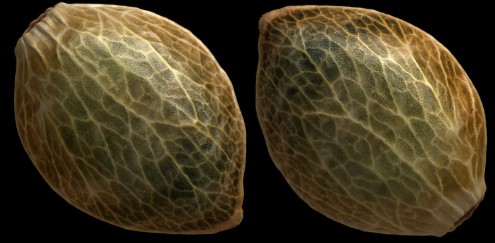
Cannabis seeds contain the embryo of the plant and are protected by a hard outer shell called the testa. Inside, the seed contains:
- Radicle: the embryonic root that emerges first.
- Plumule: the embryonic shoot.
- Cotyledons: seed leaves that provide initial energy.
- Endosperm: a nutrient-rich tissue supplying energy for germination.
The testa prevents desiccation and protects the embryo from physical and microbial damage. To germinate, the seed must break this dormancy, usually triggered by environmental conditions such as temperature, moisture, and oxygen availability.
Germination Phases
Cannabis seed germination typically involves three phases:
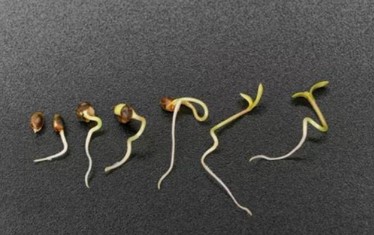
- Imbibition: Water is absorbed through the micropyle and seed coat, swelling the seed.
- Activation: Enzymes are activated; metabolic processes begin, such as the breakdown of stored lipids and carbohydrates.
- Emergence: The radicle breaks through the seed coat and becomes the primary root.
Prerequisites for Successful Germination
Viable Seeds
Viable cannabis seeds are mature and undamaged. Indicators include:
- Darker coloration (brown, grey, or tiger-striped).
- Hard and firm to touch.
- Large and symmetrical.
- No cracks or green hues (immature seeds).
Older seeds may still be viable but may require pre-treatment (e.g., scarification or soaking in water with hydrogen peroxide).
Environmental Requirements
Water
Water is the most critical factor in initiating germination. It:
- Activates hydrolytic enzymes.
- Softens the seed coat.
- Initiates cellular respiration.
Ideal moisture content for germination media is around 70–80%.
Oxygen
Oxygen is essential for aerobic respiration, which provides energy (ATP) needed for cell division and growth. Avoid overly waterlogged conditions, which reduce oxygen availability and can lead to seed rot.
Temperature
The optimal temperature for cannabis seed germination is 21–26°C (70–79°F). Lower temperatures slow metabolic processes; higher temperatures can kill the embryo.
Darkness
While not strictly necessary, cannabis seeds germinate better in the dark or low-light conditions. Light becomes important during the seedling stage, not germination.
Germination Methods
Paper Towel Method
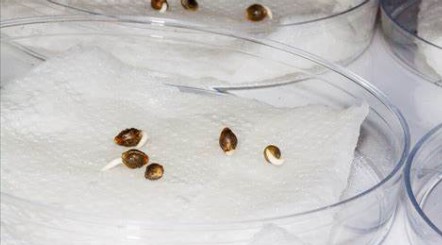
Materials:
- Paper towels
- Two plates or a plastic container
- pH-balanced water (6.0–7.0)
- Optional: 1–2% hydrogen peroxide solution to prevent mold
Procedure:
- Moisten two paper towels with distilled water. Wring out excess moisture.
- Place seeds spaced apart between the towels.
- Put the towels between two plates or inside a container to maintain humidity.
- Store in a warm, dark environment (closet, grow tent).
- Check daily. Germination typically occurs within 24–96 hours.
Pros: Easy, observable, cost-effective.
Cons: Paper towels can dry out or stick to emerging roots.
Soaking in Water
Procedure:
- Place seeds in a glass of distilled water (~22°C).
- Optional: Add a drop of hydrogen peroxide to inhibit pathogens.
- Leave seeds for 12–24 hours. Do not exceed 48 hours.
- Transfer seeds showing signs of cracking to another method (e.g., paper towel or soil).
Pros: Encourages water absorption.
Cons: Risk of drowning if left too long.
Direct Soil Germination
Procedure:
- Use a light, aerated seed-starting mix with high drainage.
- Moisten the medium.
- Plant seeds 0.5–1 inch deep with the pointed end down.
- Cover lightly with soil.
- Maintain temperature (22–25°C) and humidity (70–80%).
Pros: Natural method, no transplant shock.
Cons: Cannot monitor germination progress; slower.
Starter Plugs or Cubes (e.g., Jiffy, Rapid Rooter)
Procedure:
- Hydrate plugs per manufacturer instructions.
- Insert seeds into the pre-made hole.
- Place in a humidity dome or propagation tray.
- Keep warm and humid.
Pros: Convenient, transplantable, cleaner.
Cons: Higher cost, must avoid drying out.
Enhancing Germination Success
Pre-soaking in Beneficial Solutions
- Gibberellic acid (GA3): Promotes germination in aged or dormant seeds by mimicking natural plant hormones.
- Seaweed extract: Contains natural cytokinins and auxins that enhance vigor.
- Hydrogen peroxide (1–2%): Disinfects seeds and provides extra oxygen.
Scarification
Carefully scratching or nicking the seed coat with sandpaper or a blade can help water penetrate tough seeds. Only for experienced growers, as improper scarification can damage the embryo.
Stratification
Refrigerating seeds for 1–2 weeks can simulate winter conditions and break dormancy in some strains, especially landrace or wild cultivars.
Post-Germination Seedling Care
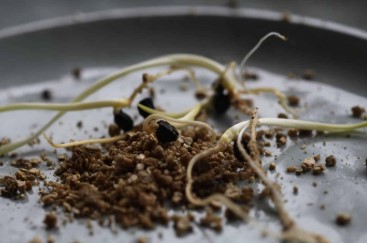
Once the radicle emerges, promptly transfer the germinated seed into a grow medium. Key considerations:
Orientation
- Place the seed with the radicle pointing downward. Gravity will assist root penetration and cotyledon emergence.
Medium Choice
- Soil: Use light, nutrient-free soil for seedlings to avoid “burn.”
- Coco coir: Excellent for hydroponic-style germination, especially when pre-buffered.
- Rockwool: Common in hydroponics; must be pH adjusted to ~5.8 before use.
Watering
- Keep the medium moist but not saturated.
- Avoid overhead watering that may displace seeds.
Light Requirements
Once cotyledons emerge, expose seedlings to 18–24 hours of low-intensity light (~100–200 PPFD). Avoid strong HID or LED lights early on to prevent photobleaching.
Common Mistakes and Troubleshooting
| Problem | Cause | Solution |
|---|---|---|
| No germination after 7 days | Old or non-viable seeds | Try GA3 soak or replace seeds |
| Mold on paper towels | Excess moisture or contamination | Use peroxide, reduce humidity |
| Seedlings are leggy | Lack of light | Increase light intensity |
| Seeds cracked but no root | Seed coat too hard | Pre-soak longer or scarify |
| Root broke off | Mishandling or transplant shock | Handle with tweezers or root plug |
Scientific Factors Influencing Germination Rate
Genetics and Breeding
Different cannabis strains germinate at different rates due to their genotype. Hybrids may show faster germination than landraces. Autoflowers (Cannabis ruderalis crosses) often have shorter dormancy.
Seed Storage Conditions
Proper storage increases longevity:
- Temperature: 4–8°C
- Humidity: <10%
- Darkness: Avoid light exposure
- Containers: Use vacuum-sealed bags or mylar packs
Hormonal Regulation
Plant hormones (phytohormones) like abscisic acid (ABA) and gibberellins (GA) regulate seed dormancy and germination. ABA maintains dormancy; GA triggers enzymatic activity and growth.
Stress conditions (cold, drought) increase ABA levels, whereas favorable environments increase GA synthesis.
Germination Rates and Data Analysis
In a controlled study (e.g., comparing methods or strains), scientists measure:
- Germination percentage: (# seeds germinated / total) × 100
- Mean germination time (MGT): average time taken for seeds to germinate
- Germination rate index (GRI): speed of germination
These metrics help breeders and growers select optimal seeds and techniques.
Automation and Modern Technology
Germination Chambers
Professional operations use germination chambers with:
- Climate control (temp/humidity)
- Timed irrigation
- Light sensors
These allow standardization and high throughput.
Machine Learning for Seed Viability
Emerging technologies now analyze seed characteristics (size, shape, color) using AI and machine vision to predict germination potential.
Hydropriming and Biopriming
These are techniques where seeds are pre-treated in water (hydropriming) or water with beneficial microbes/fungi (biopriming), enhancing stress resistance and uniform germination.
Legal and Ethical Considerations
Ensure that germination is legal in your jurisdiction. In some regions, even possessing viable cannabis seeds may be restricted or subject to regulation. Ethically, prioritize high-quality genetics and avoid breeding from hermaphroditic or unstable lines.
Conclusion
Germinating cannabis seeds is both an art and a science. With the right understanding of biological mechanisms, environmental factors, and germination methods, growers can consistently achieve high success rates and lay the foundation for robust plant development. Whether using traditional paper towel methods or modern starter cubes, attention to detail in the early stages will pay dividends throughout the cannabis plant’s life cycle.
