Table of Contents
A critical phase in the post-harvest process, drying has a big impact on the final product’s potency, flavor, aroma, and general quality. Done improperly, drying can lead to mold growth, loss of terpenes and cannabinoids, or harsh smoke. When done correctly, it helps preserve the plant’s chemical integrity and ensures a smooth, pleasant smoking or vaporizing experience.
Drying is just one step in what happens after harvest, and understanding how post-harvest handling fits into the larger cannabis cultivation cycle helps explain why this stage is so important.
1. How to dry marijuana
After harvesting cannabis, the plant remains filled with moisture. Proper drying removes this moisture slowly, allowing the chlorophyll and other unwanted byproducts of the plant to degrade. This process also sets the stage for curing, a longer-term process that further enhances the bud’s quality.
The goal of drying is to reduce the moisture content of cannabis buds from approximately 75–80% at harvest down to around 10–15%. This drying window usually lasts 5–15 days depending on environmental conditions and plant characteristics.
2. Importance of Proper Drying
Drying serves several critical purposes:
- Prevents mold and mildew: Reducing moisture inhibits the growth of mold and bacteria.
- Preserves cannabinoids and terpenes: A controlled dry retains the compounds responsible for potency and aroma.
- Improves smoke quality: Properly dried buds burn evenly and provide smoother inhalation.
- Enhances shelf life: Dried cannabis is more stable and resistant to degradation over time.
3. Pre-Drying Preparations
Harvesting at the Right Time
Timing your harvest is essential. Most growers harvest when trichomes shift from clear to milky or amber, indicating peak THC levels. Harvesting early or late can affect cannabinoid profiles and drying dynamics.
Trimming Techniques
You can trim your buds before or after drying:
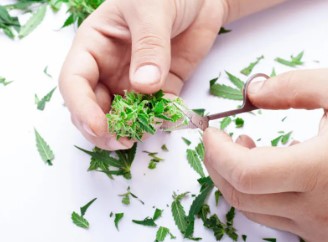
- Wet Trimming: Removing fan leaves and sugar leaves immediately after harvest. This method helps buds dry faster and makes manicuring easier, especially in high-humidity environments.
- Dry Trimming: Hanging whole plants or branches without trimming. Once dried, the leaves are more brittle and easier to remove. This method is better in arid climates to slow the drying process.
4. Drying Methods
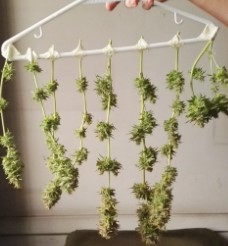
A. Traditional Hanging Method
The most common and effective method involves:
- Cutting branches into manageable lengths.
- Hanging them upside down using string, wire, or drying racks in a controlled space.
- Keeping enough space between branches for airflow.
Pros:
- Slower drying retains more terpenes.
- Natural gravity helps draw chlorophyll away from the buds.
B. Dry Racks / Screens
Drying racks or mesh trays are ideal for wet-trimmed buds:
- Buds are laid flat on mesh surfaces in single layers.
- Multiple trays can be stacked to optimize space.
Pros:
- Saves room.
- Prevents stem moisture from affecting buds.
Cons:
- Buds may flatten on one side.
- Requires more handling to rotate for even drying.
5. Environmental Control Parameters
Drying is all about consistency and control. The three most important variables are:
1. Temperature
- Ideal: 60–70°F (15–21°C)
- High temperatures degrade THC and terpenes.
- Too cold, and drying takes too long, increasing mold risk.
2. Humidity
- Ideal: 50–60% RH (Relative Humidity)
- Below 45% causes buds to dry too fast and become brittle.
- Above 65% increases mold and mildew risk.
3. Airflow
- Use oscillating fans to circulate air without directly blowing on buds.
- Fresh air intake and exhaust systems help maintain CO₂ balance and temperature.
4. Darkness
- UV light degrades cannabinoids. Dry in complete darkness to preserve potency.
6. Monitoring the Drying Process
Proper drying is part science, part observation. Key indicators to look out for are as follows:
A. Touch Test
- When touched, buds should feel dry but not crunchy.
- Outer leaves may be brittle, but the core retains slight flexibility.
B. Stem Snap Test
- Try bending the smaller stems:
- If they snap cleanly, the buds are usually ready for curing.
- If they bend without breaking, they need more time to dry.
7. Drying Duration
Drying time varies based on:
- Plant size and density: Larger, denser buds take longer.
- Climate: More humidity means slower drying.
- Trim method: Wet-trimmed buds dry faster than whole branches.
Average timeframes:
- 5–7 days for small buds or wet-trimmed flowers.
- 7–14 days for whole plants or branches.
Pro tip: Aim for a slow, even dry. Rushing the process can ruin the final product’s flavor and smoothness.
8. Advanced Techniques
Slow Drying
In very dry climates, increase humidity (via humidifiers or sealing the room) to slow the dry and preserve terpene content.
Drying Tents or Boxes
These enclosed spaces allow better environmental control. Many growers modify grow tents with dehumidifiers, fans, and carbon filters for odor control.
Boveda Packs
Some growers use humidity-control packs (e.g., Boveda 62%) toward the end of drying to stabilize RH levels before curing.
9. Common Drying Mistakes to Avoid
- Drying too fast: Leads to “hay smell,” poor terpene retention, and harsh smoke.
- Too much airflow directly on buds: Can desiccate outer layers prematurely.
- Ignoring humidity spikes: High RH promotes mold and bud rot.
- Overcrowding: Reduces airflow and promotes uneven drying.
- Drying in light: UV exposure degrades THC and oxidizes cannabinoids.
10. Transitioning to Curing
Once the buds pass the stem snap test and feel dry to the touch, they’re ready for curing—a process that further reduces moisture and enhances potency and smoothness.
Steps:
- Trim dried buds (if dry trimming).
- Place in airtight glass jars (not plastic).
- Fill jars 2/3 full to allow air exchange.
- Store in a dark, cool location.
- Open jars daily (burping) for 10–15 minutes for the first 1–2 weeks.
- After 2–4 weeks, buds are cured; longer curing (up to 6 months) can improve quality even further.
11. Drying for Different End Uses
Smoking or Vaping
- Ideal moisture content: 10–12%
- Buds should be springy but not wet.
Long-Term Storage
- Store in vacuum-sealed or humidity-controlled containers.
- Keep in a cool, dark environment.
- Avoid freezing, which can damage trichomes.
Making Concentrates
- Some extractors prefer fresh frozen buds.
- Others prefer thoroughly dried flowers for hash or BHO production.
12. Tools That Help
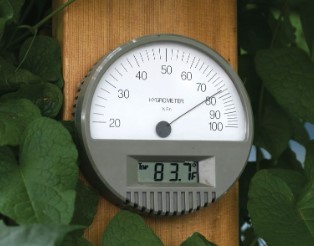
- Hygrometers: Track RH inside the drying room or jars.
- Dehumidifiers/Humidifiers: Maintain consistent humidity.
- Temperature controllers: Prevent overheating.
- Inline fans with carbon filters: Manage odor and airflow.
Conclusion
Drying marijuana is a fundamental step in the cannabis cultivation process, bridging the gap between a freshly harvested plant and a consumable, high-quality product. When done with care and attention to environmental conditions, drying enhances not just the shelf life but also the potency, aroma, and flavor profile of your cannabis. Whether you’re cultivating for personal use or commercial production, mastering the drying process ensures you get the most out of your hard work—and your harvest.
