Table of Contents
How To Dramatically Boost Yields With Cannabis Lollipopping
In the sophisticated and intricate world of cannabis cultivation, achieving an optimal yield while preserving the integrity and quality of the final product is a paramount objective. This goal guides the actions and decisions of cultivators across the globe. The quest for balance between quantity and quality necessitates advanced agricultural techniques. These techniques are essential for enhancing the productivity and health of cannabis plants.
Among the various methods employed, lollipopping has emerged as a cornerstone strategy. It is widely embraced by experienced cultivators for its effectiveness in promoting plant vigor and yield. This technique is not just about aesthetics. It is grounded in a deep understanding of plant biology and resource allocation.
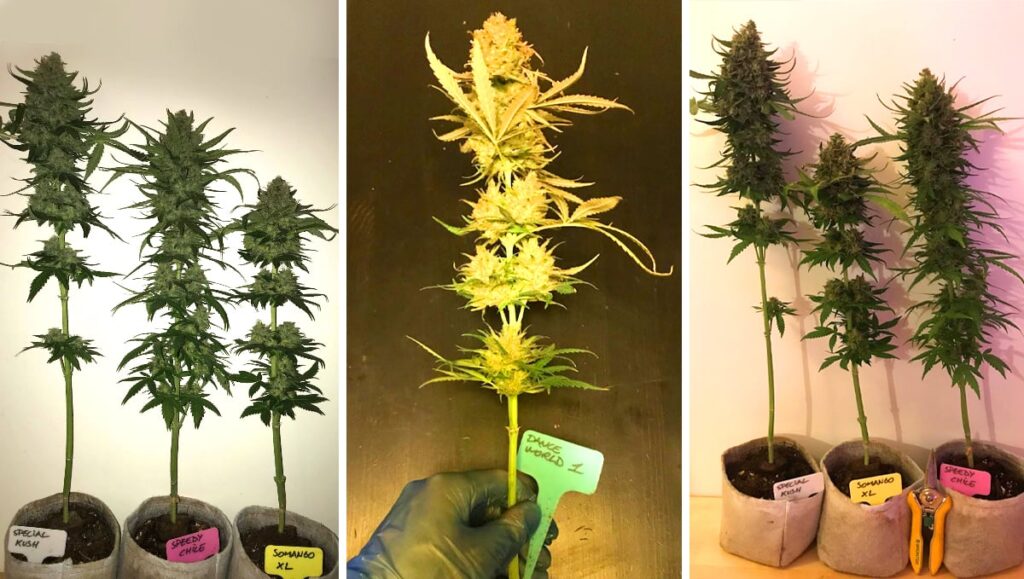
Lollipopping involves the careful and strategic removal of lower branches and leaves. This method focuses on eliminating parts of the plant that receive less light and contribute minimally to overall energy production. By doing so, it directs the plant’s resources toward the development of the upper canopy, where light exposure is maximized.
The principle of optimizing the cannabis plant’s energy distribution is at the heart of lollipopping. In nature, plants strive to maximize their photosynthetic efficiency and growth potential. In the controlled environment of a cannabis cultivation facility, the objective is to produce the highest quality and quantity of buds. Directing the plant’s energy towards the most productive parts becomes an essential strategy.
Lollipopping effectively reduces the plant’s energy expenditure on lower, less productive branches. This enhances the growth and development of the main cola and surrounding buds. By adopting this approach, cultivators can dramatically increase their plant’s yield without sacrificing quality.
This comprehensive guide aims to elucidate the principles underlying the lollipopping technique. It provides a detailed methodology for its application and outlines the myriad benefits it offers to cannabis cultivation. Through a step-by-step exploration of the lollipopping process, cultivators are empowered. This guide ensures they have the knowledge and skills necessary to optimize their cannabis plants‘ growth, ensuring a bountiful and high-quality harvest.
Yield-focused techniques like lollipopping are most effective when applied within a solid understanding of the overall cannabis growing process, which is outlined in our cannabis cultivation knowledge base.
Understanding the Principles of Lollipopping
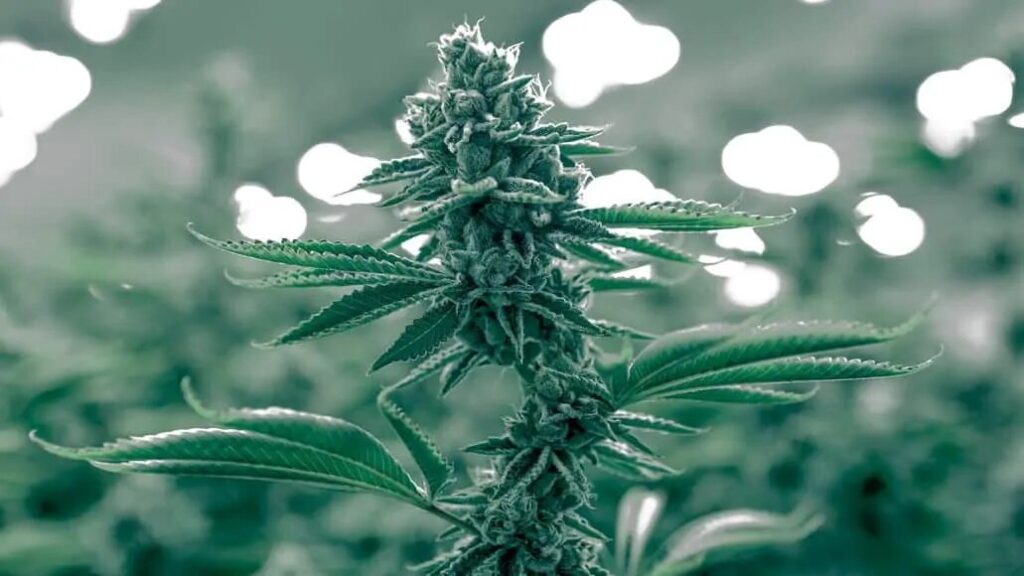
Lollipopping, a sophisticated horticultural technique employed within the realm of cannabis cultivation, is fundamentally based on the principle of optimized energy distribution within the plant itself. This innovative method involves a deliberate and strategic removal of the lower branches and foliage of the cannabis plant. These parts are identified as receiving an insufficient amount of light, making their removal a calculated decision to enhance the plant’s overall productivity and efficiency in energy usage.
Upon the removal of these lower, less light-exposed sections, the cannabis plant initiates a natural process. It reallocates its vital energy resources towards the development and nourishment of the upper canopy. This reallocation is a critical step in optimizing the plant’s growth potential.
It is in this upper echelon of the plant structure that one observes significant exposure to abundant sunlight. This sunlight exposure is crucial for the photosynthetic process, which is essential for the plant’s growth and development. The enhanced light absorption facilitates a more vigorous growth pattern in the plant’s upper sections.
The upper canopy of the cannabis plant is notably where the most potent and sizable buds tend to form. These buds are highly sought after for their superior quality. This quality is directly influenced by the amount of light and energy they receive during their developmental phase, highlighting the importance of focused energy distribution.
Through the practice of lollipopping, cultivators can effectively ensure that the plant’s energy is not squandered across the less productive, lower sections of the plant. Instead, this energy is meticulously concentrated on fostering the growth of high-quality buds in the upper canopy. This strategic focus ensures that the most valuable parts of the plant receive the optimal conditions for growth.
By implementing the lollipopping technique, cultivators can manipulate the plant’s natural growth patterns. This manipulation is aimed at maximizing the yield of top-tier cannabis buds. The principle behind this technique is deeply rooted in an understanding of plant physiology and the optimal distribution of resources for enhanced growth.
Through this targeted approach, cultivators can significantly improve the efficiency of their cannabis plants. This ensures that energy is utilized in the most effective manner possible, leading to a more productive and high-quality yield.
In summary, lollipopping is a testament to the intricate balance of art and science in cannabis cultivation. It showcases a profound understanding of the plant’s needs and the environmental factors that influence its growth. By focusing energy on the development of the upper canopy, where the conditions are most conducive to the formation of quality buds, cultivators can achieve remarkable improvements in their harvests. This method not only optimizes the plant’s energy distribution but also contributes to the production of cannabis that is both potent and of exceptional quality.
Step-by-Step Methodology of Lollipopping
Timing
Identifying the most opportune moment for the implementation of the lollipopping technique within the cannabis cultivation cycle is of paramount importance for achieving optimal results. The vegetative stage of the cannabis plant’s life cycle, just before the transition to the flowering stage, is widely recognized as the ideal period for conducting this strategic pruning. This precise timing is not arbitrary but is instead based on a thorough understanding of the plant’s growth dynamics and physiological responses.
During the vegetative stage, the cannabis plant is in a phase of robust growth, focusing its energy on the development of leaves and stems, thereby establishing a solid foundation for the subsequent flowering phase. It is during this period that the plant exhibits a heightened capacity for recovery from any form of physical intervention, including pruning. Engaging in lollipopping at this juncture ensures that the plant has sufficient time to heal and adapt to the changes imposed by the removal of its lower branches and leaves.
The act of pruning, while beneficial, induces a certain degree of stress upon the plant. By scheduling this activity just before the onset of the flowering stage, cultivators allow the cannabis plant to recuperate from this stress promptly. This recovery is crucial, as it precedes a phase of significant physiological change where the plant shifts its focus towards bud development and reproduction.
The strategic redirection of the plant’s energy resources towards the upper canopy, facilitated by the timely application of lollipopping, plays a critical role as the plant enters the flowering stage. This stage is characterized by the development of buds, which are the primary objective of cannabis cultivation. By concentrating the plant’s energy on the uppermost parts, where light exposure is maximized, cultivators significantly enhance the potential for producing buds of superior quality and size.
Furthermore, this approach ensures that the plant’s vitality is not diluted across an excessive number of buds, which might result from an unpruned lower canopy. Instead, the energy is focused on a select number of buds, thereby optimizing the conditions for their development during the crucial bud development phase. This concentration of resources is instrumental in achieving a harvest that is not only abundant but also of the highest possible quality.
In conclusion, the timing of lollipopping is a critical factor that requires careful consideration by cannabis cultivators. By performing this technique during the late vegetative stage, just before the transition to the flowering stage, cultivators can maximize the effectiveness of this practice. This strategic timing ensures that the plant is in the optimal condition to recover from pruning stress and to redirect its energy towards the development of a lush, productive upper canopy as it enters the critical phase of bud development.
Selection of Branches
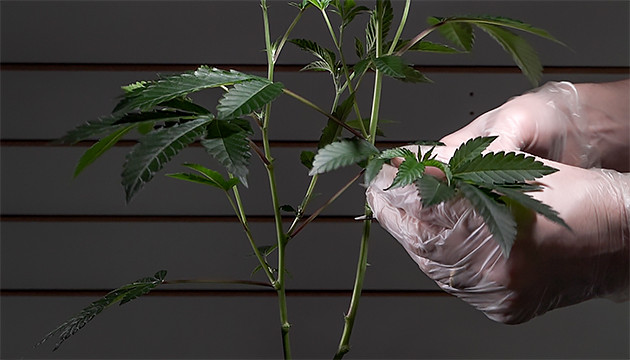
The meticulous process of lollipopping, particularly the identification of the lower third of the cannabis plant for pruning, requires a keen observational skill set and an understanding of plant physiology. This initial step is crucial, as it involves discerning which branches are least likely to contribute to the plant’s overall yield due to inadequate light exposure. These branches, typically located on the lower echelon of the plant, are characterized by several distinguishable features that render them less productive in the context of bud formation.
Firstly, cultivators should direct their attention towards identifying noticeably spindly branches. These branches are usually thin and weak, lacking the robustness found in more vigorously growing parts of the plant. Their slender appearance is a clear indication of insufficient light absorption, a factor that significantly hampers their potential to develop into fruitful sites for bud production.
Additionally, the presence of small leaves on these lower branches serves as another indicator of their limited contribution to the plant’s productivity. Leaves are the primary sites of photosynthesis, the process through which plants convert light into the energy required for growth and development. Smaller leaves are less efficient at capturing light, thereby reducing the branch’s overall capacity for supporting bud development.
Moreover, signs of underdevelopment in these branches can also manifest in various other forms, such as a lack of vibrant foliage or the absence of growth nodes, which are critical for bud formation. Such branches often exhibit a stunted growth pattern, further emphasizing their minimal role in the plant’s reproductive process.
The careful selection of branches for pruning, based on these criteria, is a testament to the cultivator’s proficiency in enhancing the plant’s energy efficiency. By removing these less productive branches, the cultivator ensures that the plant’s resources are not squandered on parts that contribute minimally to the final yield. Instead, the energy is redirected towards the upper canopy, where conditions are more favorable for the development of substantial and potent buds.
In conclusion, the identification of the lower third of the plant for pruning is a critical first step in the lollipopping process. This phase demands a meticulous examination of the plant to pinpoint spindly branches, bear small leaves, or exhibit signs of underdevelopment. The removal of these branches is not merely a task of physical pruning but a strategic decision aimed at optimizing the plant’s energy distribution. Through this selective elimination, cultivators can significantly enhance the growth potential and productivity of the cannabis plant, paving the way for a bountiful and high-quality harvest.
Pruning Technique
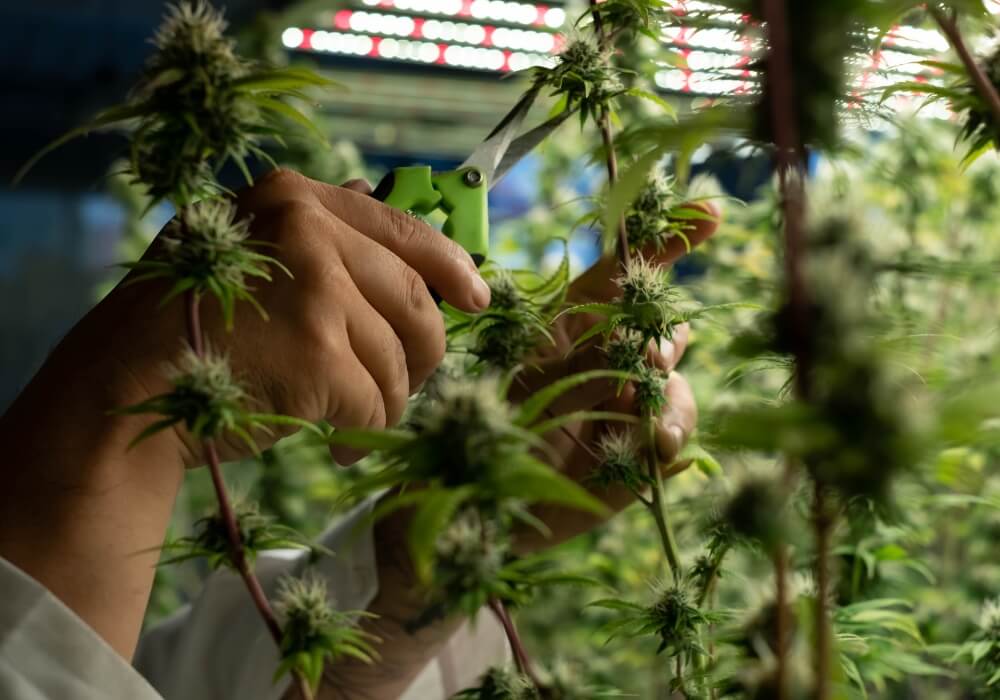
The execution of the pruning process, specifically within the context of the lollipopping technique, necessitates the utilization of tools that are both sterile and sharp, such as pruning scissors or shears. This requirement is paramount, as the integrity and health of the cannabis plant are directly influenced by the condition and cleanliness of the tools employed. The selection of sterile equipment is a critical precautionary measure designed to mitigate the risk of introducing pathogens to the freshly pruned areas, which could lead to infections detrimental to the plant’s overall health and productivity.
In addition to sterility, the sharpness of the pruning tools plays a significant role in ensuring that the cuts made on the selected branches are clean and precise. The use of dull instruments can result in jagged or incomplete cuts, which not only cause unnecessary stress to the plant but also hinder its ability to efficiently heal and recover from the pruning process. Sharp scissors or shears, on the other hand, facilitate a smooth cut that minimizes damage to the plant tissue, thereby promoting a quicker and more effective healing process.
When executing the cuts, it is of utmost importance to perform them at the base of the selected branches, as close to the main stem as possible. This technique ensures that the remaining stub is minimized, reducing the area’s susceptibility to potential infections or pest infestations. Moreover, cutting close to the main stem enhances the plant’s aesthetic appearance and maintains the structural integrity of the cannabis plant, allowing for more efficient energy distribution towards the upper canopy.
The precision of the cuts is another aspect that demands careful attention. Precise cuts are essential for minimizing stress on the plant, which can impact its growth and development. Stress can trigger a range of defensive mechanisms in the plant, including the diversion of energy away from growth and towards healing, which may compromise the plant’s productivity and the quality of the final yield. By ensuring that the cuts are made cleanly and accurately, cultivators can significantly reduce the plant’s recovery time, thereby facilitating a smoother transition back to its normal growth patterns.
In summary, the use of sterile, sharp pruning scissors or shears to cleanly cut the selected branches at their base is a critical component of the lollipopping process. This approach not only safeguards the plant against infections and stress but also supports its recovery and continued growth. By adhering to these best practices, cultivators can enhance the effectiveness of their pruning efforts, ultimately contributing to a more vigorous and productive cannabis plant. The meticulous attention to detail in this phase underscores the importance of precision and care in the cultivation process, elements that are indispensable for achieving a successful and high-quality harvest.
Post-Pruning Care
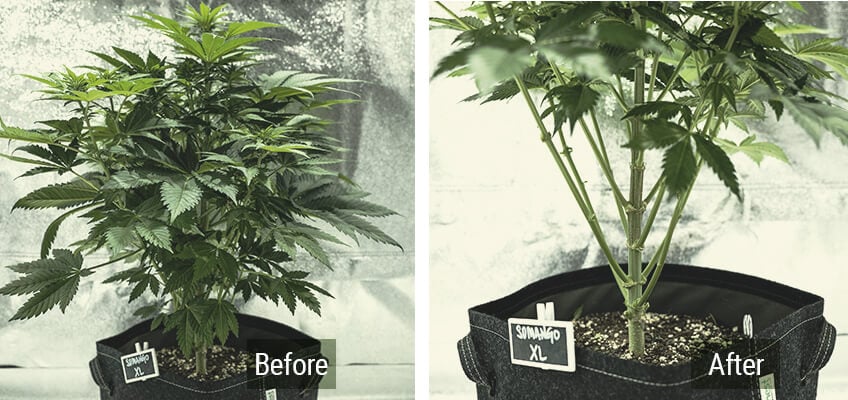
Following the implementation of the pruning process, particularly one as strategic and impactful as lollipopping, it is imperative to engage in vigilant monitoring of the plant’s hydration levels. This meticulous attention to the plant’s water requirements is crucial, as the act of pruning, by its very nature, induces a certain level of stress upon the cannabis plant. Adequate hydration plays a pivotal role in facilitating the plant’s recovery, enabling it to redirect its energies more effectively towards growth and development, especially in the crucial areas of the upper canopy.
The significance of proper hydration cannot be overstated. Water is the lifeblood of the plant, essential for the transport of nutrients from the soil to the various parts of the plant, including the newly prioritized growth areas. Furthermore, water participates directly in the photosynthesis process, thereby influencing the plant’s overall health and its ability to produce high-quality buds. Ensuring that the soil or growing medium retains optimal moisture levels without veering into waterlogging is a delicate balance that requires constant attention. This balance is especially important in the aftermath of pruning, as the plant’s altered physical structure may affect its water uptake and transpiration rates.
In conjunction with careful water management, the provision of adequate nutrients post-pruning is another cornerstone of fostering a conducive environment for the plant’s recovery and further growth. Nutrients play a myriad of roles in plant physiology, including supporting the development of strong and healthy foliage, enhancing the plant’s resistance to pests and diseases, and, most critically, fueling the formation of buds. After pruning, the plant’s nutrient needs may shift, necessitating adjustments in the fertilizer regimen to accommodate its current growth phase and the specific demands of bud production.
It is not uncommon for plants to exhibit signs of stress following pruning, manifested in slowed growth or temporary wilting. During this period, additional attention and care are paramount in mitigating stress effects and ensuring the plant’s robust development. Techniques such as adjusting the light exposure to optimize photosynthesis efficiency, ensuring the growing environment has appropriate humidity and temperature, and possibly incorporating stress-reducing compounds or supplements can be beneficial.
Moreover, the emphasis on the upper canopy’s development post-pruning calls for a strategic approach to nutrient delivery. Focusing on nutrients that bolster the growth of buds and enhance their quality becomes a priority. Elements such as phosphorus and potassium are particularly valuable during the flowering stage, as they support bud formation and overall plant health.
In summary, the period following pruning is a critical phase in the cultivation process, requiring diligent care and monitoring to ensure the plant’s successful recovery and continued growth. Adequate hydration and nutrient provision are fundamental to this care, catering to the plant’s adjusted needs and supporting its development toward a fruitful and high-quality yield. Cultivators must remain attentive to the plant’s responses during this time, ready to adjust care practices as necessary to promote a healthy, vigorous cannabis plant capable of producing premium buds.
Benefits of Lollipopping
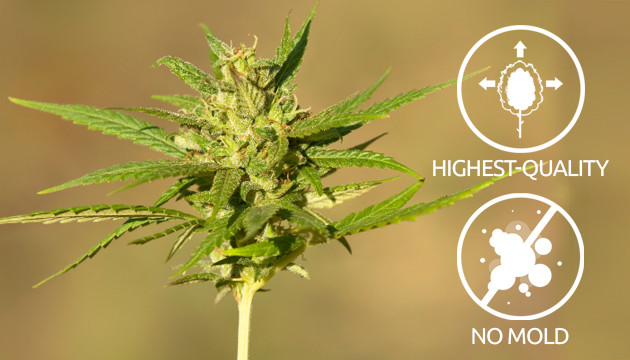
Enhanced Light Penetration and Air Circulation
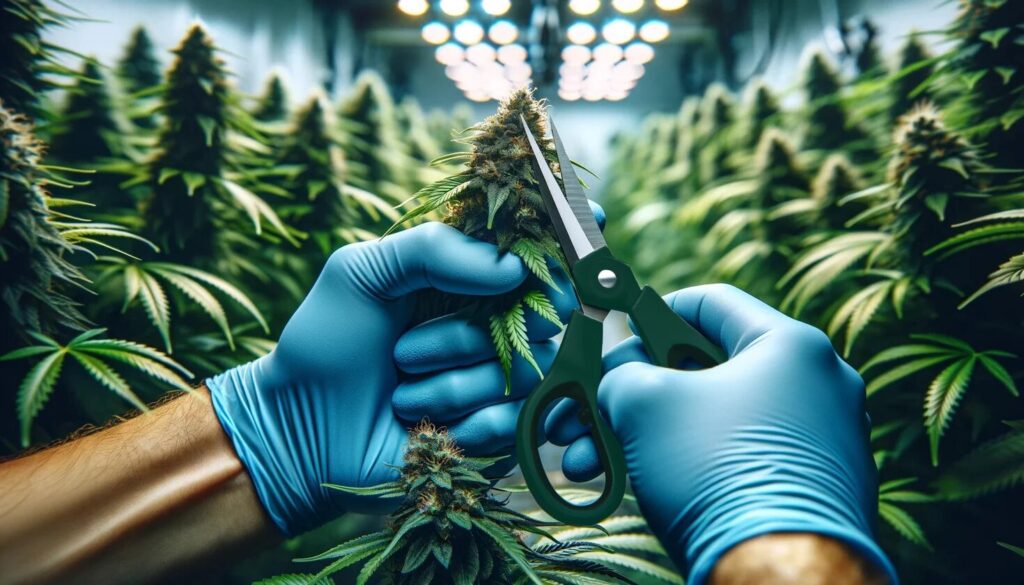
The practice of lollipopping, by strategically removing the lower branches of the cannabis plant, plays a pivotal role in optimizing environmental conditions conducive to healthy growth and development. This targeted pruning technique significantly enhances light penetration throughout the plant. As a result, the upper canopy receives an abundance of light, a fundamental resource for plants. Light drives the photosynthesis process, which fuels growth and bud development. By increasing light exposure to the most productive parts of the plant, lollipopping directly contributes to the vigor and potential yield of the cannabis crop.
In addition to improving light accessibility, the removal of lower branches substantially augments air circulation around the plant. This increased airflow is crucial for maintaining an environment that is less hospitable to the development of mold and pest infestations. Mold spores and many pests prefer environments that are damp and stagnant. Poor air circulation facilitates the accumulation of moisture on plant surfaces. By enhancing air movement around the plant, lollipopping helps keep the foliage dry and less attractive to these common threats.
The benefits of improved air circulation extend beyond mere prevention of mold and pests. A well-ventilated environment also supports the overall health and metabolic efficiency of the plant. Adequate airflow aids in the transpiration process. Through this process, plants release excess water into the atmosphere, helping to regulate their internal water balance and nutrient uptake. This process is essential for maintaining optimal physiological conditions within the plant, allowing for more efficient use of resources and energy.
Moreover, the strategic thinning of the plant through lollipopping facilitates a more uniform distribution of resources. With fewer branches demanding a share of the plant’s available nutrients and water, those that remain can thrive with increased access to these vital inputs. This redistribution of resources further enhances the growth and development of the upper canopy, where the potential for high-quality bud production is greatest.
Furthermore, by reducing the density of the plant’s foliage, lollipopping minimizes the risk of microclimates forming within the canopy. Microclimates with higher humidity levels can become breeding grounds for diseases, further stressing the plant and potentially compromising its health and yield. The improved environmental conditions resulting from lollipopping contribute to a more stable and controlled growth atmosphere, promoting the overall resilience of the cannabis plant against abiotic and biotic stress factors.
In essence, the practice of lollipopping embodies a multifaceted approach to cannabis cultivation. It enhances light penetration and air circulation, while simultaneously mitigating risks associated with mold and pest infestations. This method not only aids in the development of the upper canopy but also establishes a foundation for a healthier, more productive plant. Cultivators employing this technique can anticipate a harvest that is both abundant and of superior quality. This is underscored by the strategic manipulation of environmental factors to favor the most valuable segments of the cannabis plant.
Increased Bud Quality and Yield
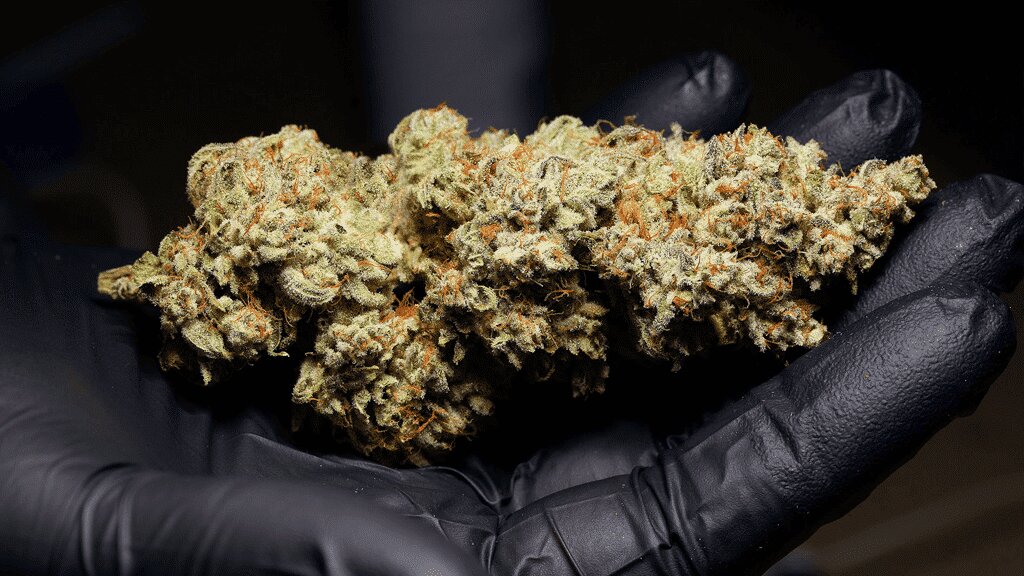
The strategic concentration of a cannabis plant’s energy towards the nurturing and development of its upper canopy is a practice rooted in the principles of advanced horticultural science. This methodical approach ensures that the plant’s resources are deliberately channeled into the most productive areas, specifically the uppermost regions where sunlight exposure is maximized. The direct consequence of this targeted energy allocation is the production of buds that are not only larger in size but also superior in potency. These enhancements are pivotal for cultivators aiming to achieve a harvest that is both quantitatively abundant and qualitatively exceptional.
The rationale behind focusing the plant’s energy on the upper canopy lies in optimizing the environmental factors that are integral to the photosynthetic process. By reducing the energy expended on lower branches that receive inadequate light, the plant can allocate more resources toward the synthesis of essential compounds. This includes a wide range of cannabinoids, terpenes, and flavonoids, which collectively contribute to the therapeutic and recreational qualities of cannabis. As a result, the buds developed in the upper canopy exhibit a richer cannabinoid profile, enhancing their overall efficacy and appeal.
Moreover, this practice of targeted energy allocation does not merely increase the physical size of the buds. It also significantly influences their chemical composition, leading to improvements in both the diversity and concentration of cannabinoids. These chemical compounds are responsible for the plant’s psychoactive and medicinal effects, making their enhancement a key objective for cultivators. By concentrating the plant’s energy on the upper canopy, growers can effectively influence the biosynthetic pathways that determine cannabinoid production, thereby tailoring the plant’s output to meet specific quality standards.
The impact of this approach extends beyond the mere quantitative increase in yield. It also encompasses substantial improvements in bud quality, as manifested in aspects such as aroma, flavor, and trichome density. These qualitative attributes are directly influenced by the plant’s environmental conditions and resource allocation, underscoring the importance of strategic pruning and canopy management. The cultivation of cannabis, therefore, transcends simple plant growth, evolving into a sophisticated art form that combines scientific knowledge with meticulous care.
In essence, the focused investment of the plant’s energy into the development of the upper canopy is a testament to the intricate interplay between plant physiology and cultivation techniques. This targeted energy allocation not only promises a significant increase in yield but also ensures enhancements in bud quality and cannabinoid profiles. For the discerning cultivator, these outcomes represent the culmination of a carefully executed cultivation strategy, designed to maximize the genetic potential of the cannabis plant. Through this deliberate manipulation of growth patterns, cultivators can achieve exceptional results, marking the pinnacle of horticultural expertise in cannabis production.
Efficient Resource Utilization
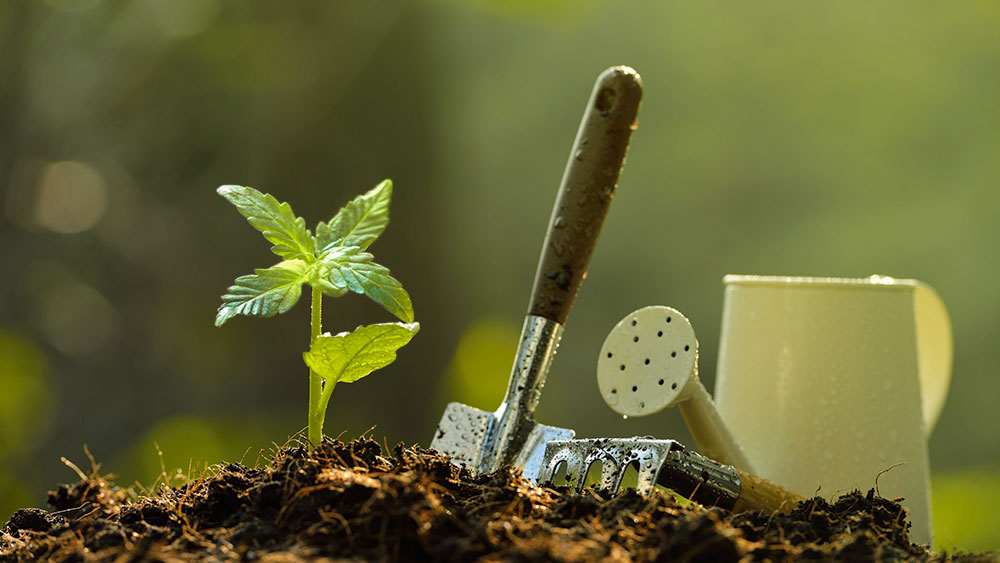
The technique known as lollipopping represents a paradigm shift in the approach to cannabis cultivation, embodying a strategy that emphasizes the efficient utilization of vital resources such as water, nutrients, and light. This method involves meticulously removing the lower, less productive branches of the cannabis plant. Doing so facilitates a concentrated allocation of resources towards the areas of the plant that demonstrate the highest potential for growth and bud production. This strategic focus ensures that the resources are directed towards fostering the development of the upper canopy, where the conditions for photosynthesis and bud maturation are most favorable.
Water, a fundamental requirement for all plant life, is utilized more effectively as a result of lollipopping. Traditional cultivation practices often lead to water being absorbed by the entire plant, including areas that contribute minimally to the yield. By reducing the plant’s overall leaf mass through pruning, less water is required to sustain the plant’s health. The remaining foliage represents the most efficient parts of the plant in terms of water use for photosynthesis and growth. This targeted approach not only optimizes water usage but also mitigates the risk of overwatering, which can lead to root rot and other moisture-related ailments.
Similarly, the distribution of nutrients within a lollipopped cannabis plant becomes more efficient. Nutrients are critical for the plant’s development and are integral to various physiological processes, including the synthesis of proteins, enzymes, and other compounds essential for growth and bud formation. By concentrating nutrient delivery to the thriving upper canopy, cultivators ensure that these valuable inputs contribute directly to the enhancement of bud size and quality. This efficiency in nutrient use can lead to reductions in the overall quantity of fertilizers required, thereby lowering cultivation costs and minimizing the environmental impact of excess nutrient runoff.
Light, the catalyst for photosynthesis, is also utilized more efficiently in the context of lollipopping. The removal of lower branches, which are often shaded and less productive, enhances light penetration to the central and upper regions of the plant. This increased light exposure maximizes photosynthetic activity in the parts of the plant that are most conducive to producing high-quality buds. As a result, the energy derived from light is used more effectively, supporting vigorous growth and the development of dense, resinous flowers.
By focusing resources on the most productive parts of the plant, cultivators employing the lollipopping technique can achieve superior yields with potentially lower inputs. This optimized resource allocation not only enhances the economic efficiency of the cultivation process but also promotes a more sustainable approach to cannabis farming. The ability to produce higher yields with fewer resources is particularly advantageous in regions where water or nutrient availability is limited, demonstrating the broader implications of lollipopping for the agricultural practices of cannabis cultivation.
In conclusion, lollipopping exemplifies a strategic refinement of resource utilization within the realm of cannabis cultivation. Through the judicious management of water, nutrients, and light, this technique enables cultivators to maximize the productive potential of their plants. The outcomes of this approach are manifold, including enhanced yield quality, reduced cultivation inputs, and a more environmentally friendly cultivation footprint. Lollipopping thus stands as a testament to the evolving sophistication of cannabis cultivation techniques, highlighting the importance of efficiency and sustainability in the pursuit of agricultural excellence.
Conclusion
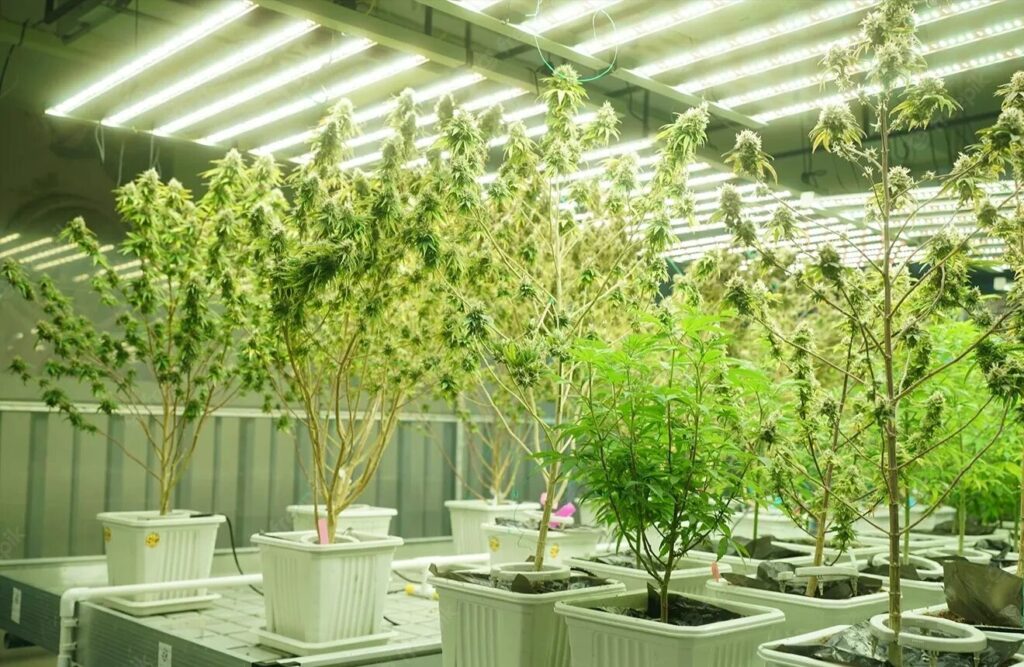
Lollipopping stands as a distinguished cultivation technique within the realm of cannabis farming. It embodies a method that, when meticulously executed, can lead to substantial enhancements in both the yield and quality of cannabis buds. This technique hinges on the profound understanding and application of strategic pruning principles.
By adeptly optimizing the distribution of energy throughout the cannabis plant, cultivators are poised to foster enhanced bud development and promote overall plant health. The essence of success in employing the lollipopping technique lies in the cultivator’s patience, precision, and attentive care. Adherence to the comprehensive guidelines delineated for this method allows cultivators to fully actualize the potential inherent within their cannabis plants.
This careful execution facilitates significant increments in yield while simultaneously safeguarding the utmost quality of the harvest. However, it is imperative to acknowledge that lollipopping, akin to any nuanced cultivation technique, may not universally align with the needs or adaptability of all cannabis strains or growing conditions. Cultivators are encouraged to engage in a thorough assessment of the distinct needs and characteristics of their specific plant varieties.
Additionally, cultivators should consider the nuances of their environmental context before the adoption of lollipopping or any analogous advanced cultivation technique. The journey towards optimizing yield and quality is one of experimentation and keen observation. This process is essential for ascertaining the most efficacious strategies tailored to the unique circumstances of each cultivation scenario.
Moreover, the cultivation of cannabis is deeply intertwined with ethical and legal frameworks. It is of paramount importance for cultivators to navigate their practices within the confines of legality, ensuring strict adherence to local laws and regulations governing cannabis cultivation. As the legal landscape surrounding cannabis continues to shift and evolve, maintaining an informed awareness of the current statutes is crucial.
This vigilance is indispensable for all individuals engaged in the cannabis industry, safeguarding their operations against legal repercussions. In summary, lollipopping emerges as a formidable technique within the cultivator’s repertoire. It offers a scientifically substantiated approach to elevating plant productivity and enhancing the quality of buds.
Through the judicious selection and elimination of non-productive lower branches, cultivators can channel the plant’s energy more effectively toward producing robust, high-caliber buds in the upper canopy. The application of lollipopping, when conducted with meticulous regard for timing, technique, and comprehensive plant care, promises to markedly augment yields.
This renders lollipopping an essential technique, indispensable for both novice and experienced cannabis cultivators in their quest to achieve the pinnacle of cultivation success.
