Table of Contents
How to cure marijuana
Curing marijuana is a vital post-harvest process that directly impacts the potency, flavor, smoothness, and overall quality of the final product. While drying removes much of the surface moisture from cannabis buds, curing allows the internal moisture to evenly dissipate while initiating complex chemical processes that enhance cannabinoids and terpenes. Done properly, curing cannabis can significantly improve shelf life and consumer experience.
1. Understanding the Importance of Curing
A. Chemical and Biological Rationale
Curing affects several important elements of cannabis quality:
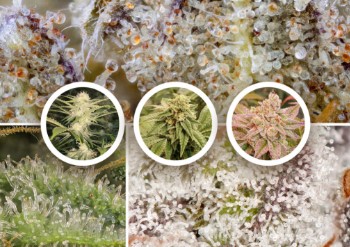
- Chlorophyll Breakdown: During curing, remaining chlorophyll continues to break down, reducing harsh flavors and the “green” grassy taste.
- Cannabinoid Maturation: THCA slowly decarboxylates into THC at room temperature, while THC can oxidize into CBN if improperly cured or stored.
- Terpene Preservation: Proper curing prevents terpenes (aromatic compounds) from volatilizing due to high heat or airflow.
- Microbial Control: It helps reduce the risk of mold by managing moisture content in a slow, controlled manner.
B. Outcome Benefits
- Smoother smoke or vapor
- Enhanced flavors and aromas
- Maximized potency and psychoactive effects
- Longer shelf life (up to 2 years with optimal storage)
2. Initial Preparation: Harvest and Drying
Before curing begins, the cannabis must be properly harvested and dried.
A. Harvesting
- Harvest plants at peak ripeness (milky white trichomes with some amber).
- Trim large fan leaves immediately after harvest.
- Wet trimming (trimming before drying) or dry trimming (after drying) depends on the grower’s preference and environmental humidity.
B. Drying Process
- Hang trimmed branches or lay buds on drying racks.
- Keep in a dark, ventilated space at 60–70°F (15–21°C) and 50–60% relative humidity (RH).
- Use fans for air circulation, but avoid direct airflow on buds.
- Drying typically takes 7–14 days. Buds are ready for curing when stems snap cleanly instead of bending.
3. Curing Environment and Tools
A. Necessary Tools
- Airtight glass jars (Mason jars or similar): Preferably quart-sized for home growers
- Hygrometers: Small digital or analog devices that measure RH inside jars
- Humidity control packs (like Boveda or Integra Boost) [optional]
- Dark storage location: A cupboard or drawer that maintains room temperature (60–70°F)
B. Ideal Environmental Parameters
- Relative humidity (RH) inside the jar: 58–65% (target 62%)
- Temperature: 60–70°F (16–21°C)
- No light exposure
- Good air circulation in the room, but not in the jar
4. The Curing Process: Step-by-Step Guide
Step 1: Filling the Jars
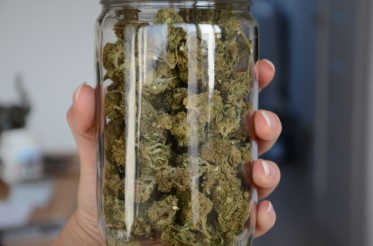
- Place buds loosely in jars—don’t overpack (aim for 70–75% full).
- Use hands or gloves to gently pack buds without compressing them.
- Each jar should be able to “breathe” with ample air space at the top.
Step 2: Initial Burping (Days 1–7)
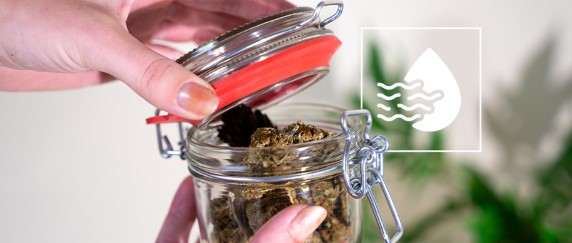
- Frequency: Open jars 2–3 times per day for 5–10 minutes.
- Purpose: Allows fresh air in and lets excess moisture escape.
- What to Watch: If you smell ammonia or the buds feel too wet, leave jars open longer or reduce overall jar fullness.
- Check RH with a hygrometer. If RH is over 70%, remove buds and air them out for 1–2 hours.
Step 3: Secondary Burping (Days 8–21)
- Frequency: Once a day for 5–10 minutes.
- Buds should begin to feel drier to the touch but still slightly sticky.
- Aroma should develop more complexity and strength.
Step 4: Late Curing (Weeks 3–6)
- Frequency: Burp once every 2–3 days.
- Most cannabis reaches peak quality by week 4, but longer curing (up to 8–10 weeks) may further enhance terpene depth.
- Buds should feel dry on the outside but springy, and not brittle.
5. Signs of Properly Cured Cannabis
- Texture: Slightly spongy but dry exterior; not crispy or crumbly.
- Smell: Strong, rich, and complex aromas; no grass or ammonia odors.
- Smoke: Smooth with minimal harshness or coughing.
- Taste: Full expression of strain-specific terpene profiles.
- Burn Quality: Even burn with white or light gray ash.
6. Avoiding Common Mistakes
A. Rushing the Process
- Skipping or shortening curing time drastically reduces flavor and smoothness.
- Even high-THC cannabis will seem weak or harsh if not cured properly.
B. Overdrying
- If buds become too dry (RH under 55%), terpene degradation increases.
- Rehydration is possible with humidity packs, orange peels (temporary), or a leaf of lettuce, but this can introduce mold risks if not carefully managed.
C. Underdrying Before Curing
- If buds are placed into jars too wet, moisture can accumulate and cause mold or bacteria growth.
- Always ensure stems snap and buds feel dry before sealing.
7. Long-Term Storage Post-Cure
After curing, cannabis can be stored long term under ideal conditions.
A. Storage Conditions
- Keep in glass jars with tight seals.
- Use humidity packs to maintain stable RH.
- Store in a cool, dark place; UV light degrades THC into CBN.
- Avoid plastic containers, which can create static and degrade trichomes.
B. Freezing (Advanced)
- Freezing is viable for long-term preservation (6+ months), but requires airtight vacuum sealing.
- Must be thawed slowly to prevent trichome damage and moisture imbalance.
8. Curing Alternatives and Innovations
A. Commercial Curing Chambers
- Some growers use climate-controlled curing chambers for large-scale or high-precision results.
- These systems maintain exact RH and temperature while automating airflow cycles.
B. Cannatrol Units
- Cannabis-specific curing boxes like the Cannatrol Cool Cure use vapor pressure deficit (VPD) science to dry and cure simultaneously.
- These tools are expensive but reduce manual labor and error for commercial growers.
9. Scientific Insights and Quality Indicators
- THC Degradation Curve: Improper curing and storage conditions (above 75°F or under 55% RH) significantly increase THC oxidation into CBN.
- Terpene Volatility: Most terpenes begin volatilizing at temperatures above 70°F; limonene and myrcene are particularly sensitive.
- Moisture Content Targets: Ideal moisture content is 10–12% by weight for well-cured cannabis.
Conclusion
Curing marijuana is an essential process that should not be overlooked or rushed. While drying prepares the buds for storage by reducing surface moisture, curing allows internal moisture to redistribute, encourages beneficial chemical transformations, and dramatically improves sensory qualities. By carefully managing humidity, temperature, and airflow over the span of several weeks, cultivators can unlock the full potential of their cannabis harvest delivering a smoother, tastier, and more potent product.
With attention to detail and patience, curing transforms raw flower into premium-grade cannabis. Whether you’re a home grower or a commercial cultivator, proper curing is the hallmark of high-quality marijuana.
