Table of Contents
The evolution of cannabis cultivation from hidden endeavors to a celebrated form of botanical artistry reflects the shifting societal views towards cannabis, appreciating its multifaceted benefits and cultural significance. Nowadays, cannabis enthusiasts and cultivators embrace the challenge of perfecting their craft, particularly through the meticulous endeavor of nurturing just a single plant. This method is especially appealing for those constrained by space or seeking a deeper, more personalized engagement with their cultivation project. It allows for an intensive focus on the plant’s needs, creating a symbiotic relationship between the grower and their cannabis plant, where every variable is carefully controlled to enhance growth and maximize potency.
The journey of growing a single cannabis plant is intricate, requiring a thorough grasp of cannabis botany and a keen attention to detail in managing environmental factors. Critical decisions, from the selection of a suitable strain to the adjustment of soil composition, nutrient schedules, lighting cycles, and irrigation techniques, all play pivotal roles in nurturing a healthy and productive plant. Moreover, vigilance against potential threats such as pests and diseases is essential to safeguard the well-being of the cannabis plant, ensuring a flourishing growth cycle.
This guide is designed to demystify the process of single-plant cultivation, laying out a comprehensive roadmap from the initial seed selection through to the final stages of harvest. It encapsulates the collective wisdom of experienced growers, distilling it into actionable insights and strategies tailored to optimize the cultivation experience. By following the guidance provided, cultivators of all expertise levels can embark on a journey towards producing a premium quality cannabis plant, armed with the knowledge and techniques necessary for success.
Ultimately, the pursuit of growing a single cannabis plant transcends mere cultivation; it is an enriching practice that hones one’s gardening acumen and fosters a profound connection with the plant. This guide serves as a beacon for aspiring and seasoned growers alike, steering them through the intricacies of cannabis cultivation with a focus on patience, precision, and the best cultivation practices. Embracing this detailed approach not only elevates the grower’s skillset but also contributes significantly to the broader narrative of cannabis cultivation as a refined and respected art form, celebrating the plant’s versatility and the grower’s dedication.
Understanding the Basics of How to Cultivate a Single Cannabis Plant
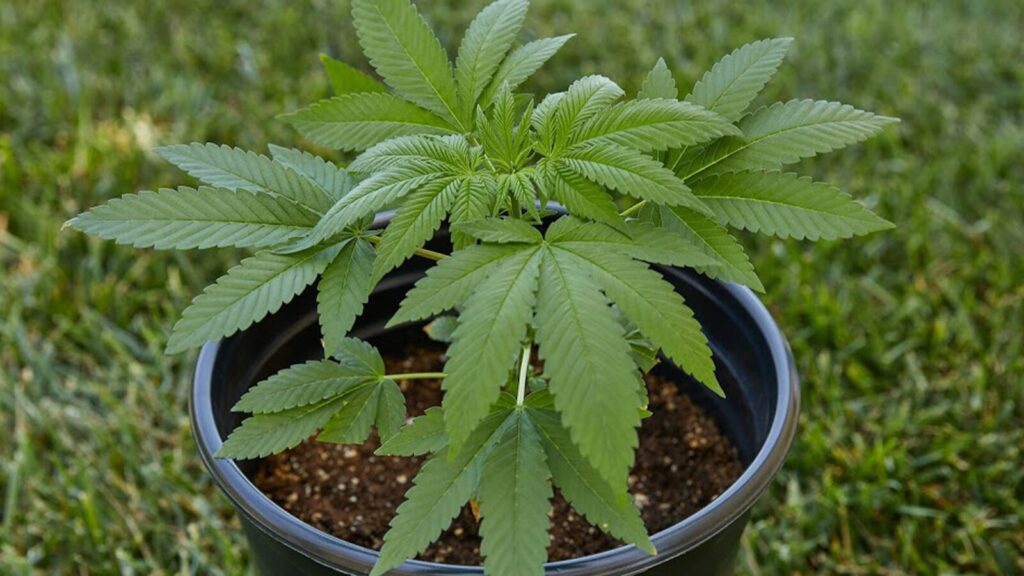
Embarking upon the endeavor of cultivating cannabis necessitates a foundational understanding of the critical elements that contribute to the plant’s flourishing. Cannabis, a species known for its adaptability and resilience, nonetheless demands meticulous consideration of certain environmental factors to ensure its optimal development and vitality.
Light serves as the cornerstone of the cannabis plant’s life cycle, playing an indispensable role in photosynthesis. This vital process enables the plant to transform light energy into the chemical energy required for growth and the development of flowers, the part of the plant most valued for its medicinal and recreational properties. The intensity, spectrum, and duration of light exposure are all critical variables that must be carefully calibrated to simulate the natural conditions under which cannabis thrives.
Water, another fundamental requirement, is integral not only for maintaining the plant’s hydration but also for facilitating the transportation of nutrients through its vascular system. The watering frequency and volume must be meticulously controlled to prevent both under-watering, which can result in dehydration and hindered growth, and over-watering, which can lead to root rot and other waterborne diseases.
Nutrients are essential for the vitality and productivity of the cannabis plant. These encompass macronutrients like nitrogen, phosphorus, and potassium, crucial for growth, flowering, and overall well-being, alongside micronutrients such as calcium, magnesium, and iron. Understanding the proper balance and timing of these nutrients is crucial for achieving robust growth and maximizing yield.
Air circulation and quality are paramount in maintaining a healthy growing environment. Sufficient ventilation is vital to prevent the buildup of humidity around the plant, which can promote the development of mold and mildew. Furthermore, the exchange of gases, particularly carbon dioxide, which is consumed during photosynthesis, and oxygen, a byproduct of the process, is vital for the plant’s respiratory functions.
Temperature and humidity control are also critical for creating an environment that closely approximates the cannabis plant’s natural habitat. These factors influence various physiological processes, including transpiration, photosynthesis, and enzyme activity. Managing these environmental conditions within optimal ranges is key to preventing stress, promoting healthy growth, and ensuring the production of high-quality cannabis.
In summary, mastering the cultivation of cannabis requires a comprehensive understanding and precise management of these environmental variables. By creating conditions that closely mirror the natural habitat of the cannabis plant, cultivators can optimize the plant’s growth, health, and productivity, leading to a successful and rewarding cultivation experience.
Phase 1: Choosing Genetic Strains
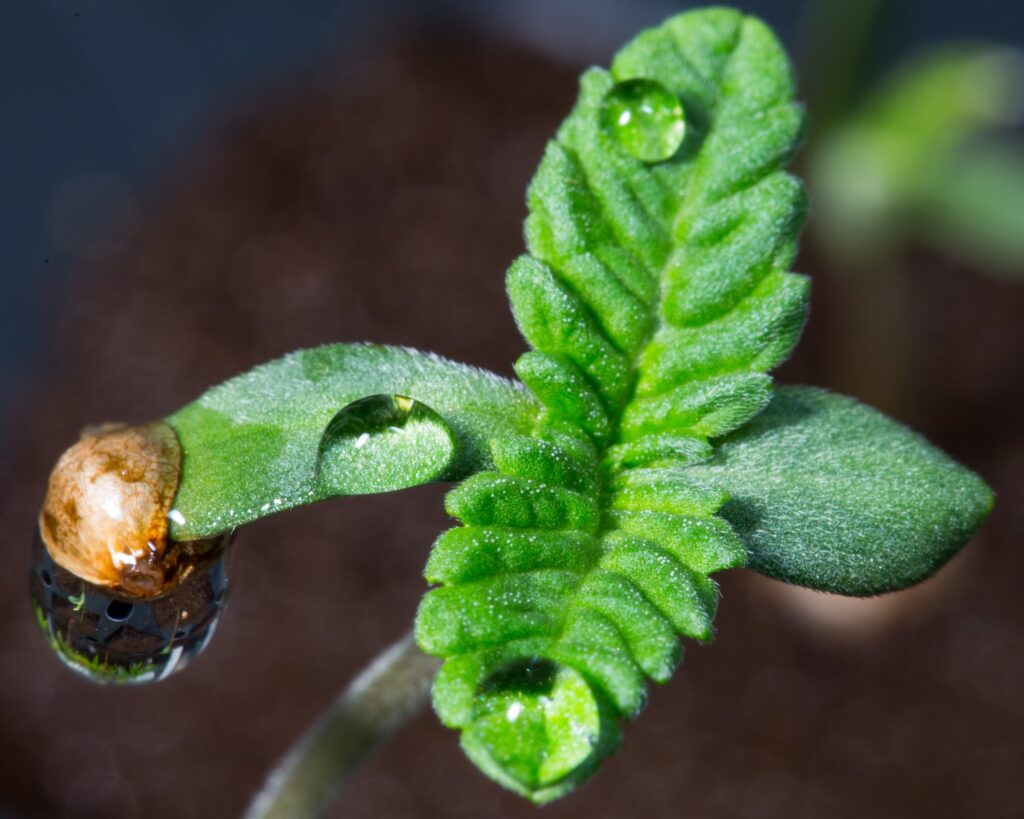
Selecting the right seed is crucial in your cannabis-growing journey. Selecting a strain that suits your environment, space, and preferences, including desired effects and flavors, is crucial. The choice of strain affects everything from cultivation ease to the duration of the growth cycle and the quality of your yield.
Autoflowering strains are ideal for beginners because of their resilience and short lifecycle, often ready for harvest in just 10 weeks. These strains automatically switch from vegetative to flowering stages without the need for specific light cycles. Their resilience enables them to flourish even in suboptimal conditions, making them ideal for individuals with limited growing space or experience.
In essence, selecting the right seed is fundamental to achieving a successful and satisfying cultivation outcome. Opting for a strain that suits your specific conditions and autoflowering varieties for their simplicity can lay a strong foundation for a fulfilling growing experience and a bountiful harvest.
Phase 2: Initiating Seed Sprouting
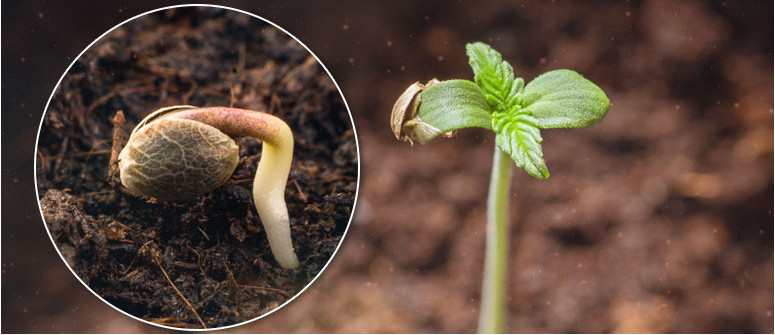
The germination of your cannabis seed is the first crucial step in your cultivation journey, marking the beginning of a plant’s growth. Germination brings the seed out of dormancy under the right conditions of moisture and warmth, offering different methods for this process, tailored to individual preferences.
The paper towel method is a popular choice, involving seeds placed between wet paper towels in a warm spot, allowing easy monitoring of germination without disturbing the seeds. On the other hand, directly planting seeds into soil offers a natural start, eliminating the stress of transplanting and requiring careful moisture and temperature control to encourage sprouting.
Both methods emphasize the importance of maintaining moisture to soften the seed shell for the sprout to emerge and warmth to activate the seed’s growth processes. This balance kickstarts the cannabis plant’s life cycle.
In summary, selecting a germination method that ensures moisture and warmth is crucial for a successful start. Whether opting for the paper towel method or direct soil planting, the goal is to nurture the seed’s initial development, setting a solid foundation for the plant’s growth and productivity.
Phase 3: Nurturing the Seedling
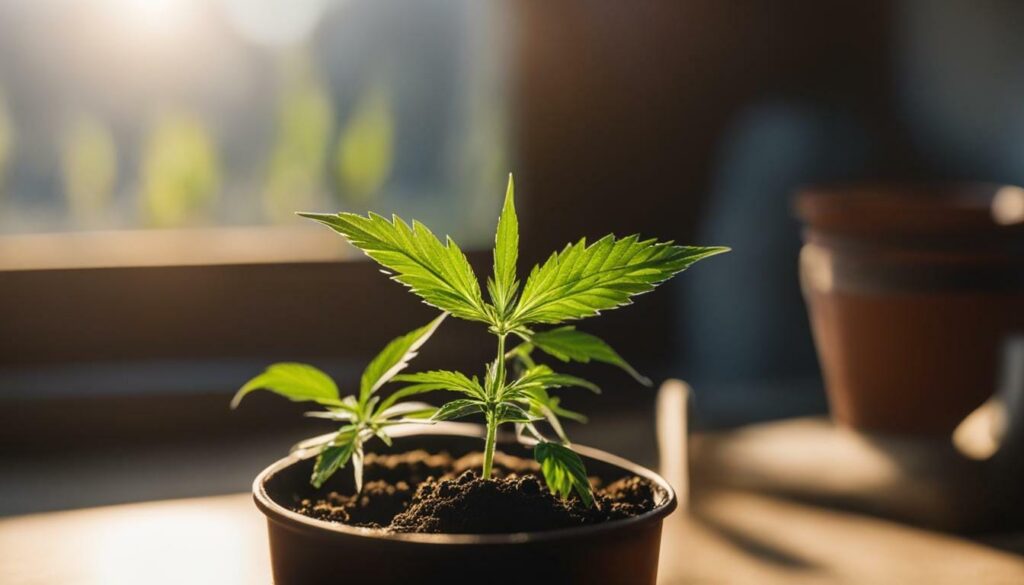
After your cannabis seed germinates, it enters a critical phase requiring attentive care for the fragile seedling. Choosing a light, nutrient-rich soil mix is essential for root growth and plant development. Light is crucial for photosynthesis, but too much intensity can harm the young plant, so it’s vital to provide enough light without causing stress.
Environmental control is also key, with ideal temperature and humidity levels mimicking the seedling’s natural conditions to encourage healthy growth while avoiding moisture issues like root rot. Observing for indications of stress, like alterations in leaf color or texture, aids in promptly identifying and resolving any issues.
Overall, seedling care is about creating a balanced, supportive environment, from soil composition and light management to environmental monitoring. This approach lays a strong foundation for the plant’s future growth, reflecting a commitment to nurturing a healthy, productive cannabis plant.
Phase 4: The Vegetative Growth Period
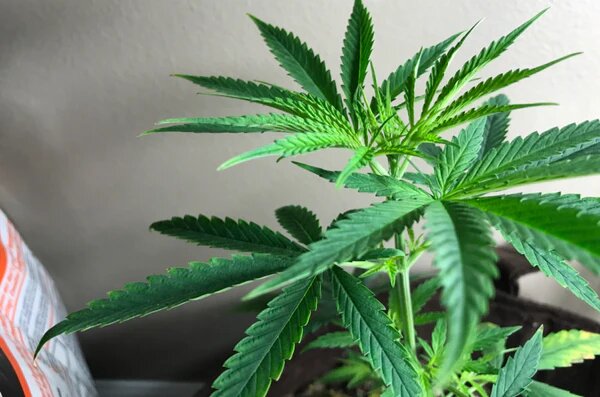
During the vegetative stage, your cannabis plant focuses on building a solid structural base, and expanding its roots, stems, and leaves. This stage is crucial for preparing the plant for successful flowering later on. Providing 18 to 24 hours of light daily mimics summer conditions, promoting optimal growth through essential photosynthesis.
Nutrient introduction is also key at this stage but should start with lower concentrations to avoid nutrient burn, which can damage the plant. Monitoring and adjusting nutrient levels to the plant’s growing needs is crucial, balancing macronutrients like nitrogen, phosphorus, and potassium, along with vital micronutrients.
In short, the vegetative stage requires careful attention to light and nutrients, setting a strong foundation for the plant’s future flowering phase. Proper management during this phase is vital for a healthy and productive cannabis plant, ensuring it’s well-prepared for the next growth stage.
Phase 5: The Bloom Period
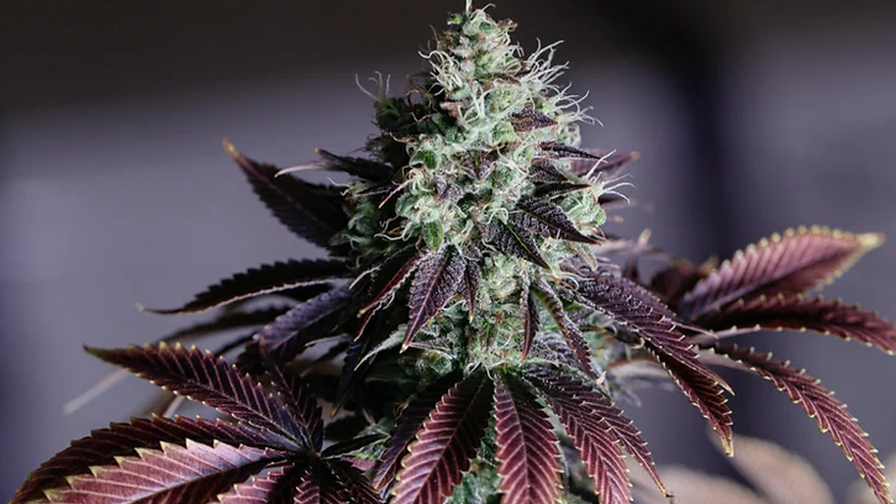
To start the flowering stage in cannabis cultivation, adjust the lighting to a 12-hour light/12-hour dark cycle, simulating the autumn light cycle. This change signals the plant to shift from vegetative growth to flower production.
Nutrient requirements undergo substantial changes during the flowering stage, with a heightened need for phosphorus and potassium to facilitate bud growth. Phosphorus aids in energy transfer and cellular growth, essential for flowering, while potassium supports water uptake and enzyme function, enhancing bud quality.
Adjust nutrient ratios accordingly, reducing nitrogen in favor of phosphorus and potassium, to boost bud growth and improve the plant’s aromatic and flavor profiles. Additionally, maintain stable environmental conditions, monitoring temperature, humidity, and ventilation to support healthy flower production without stress.
In summary, transitioning to the flowering stage involves careful lighting and nutrient management, emulating natural conditions to encourage flowering. This stage is critical for determining yield and bud quality, requiring diligent care and adjustment to meet the plant’s evolving needs.
Phase 6: The Harvest Period
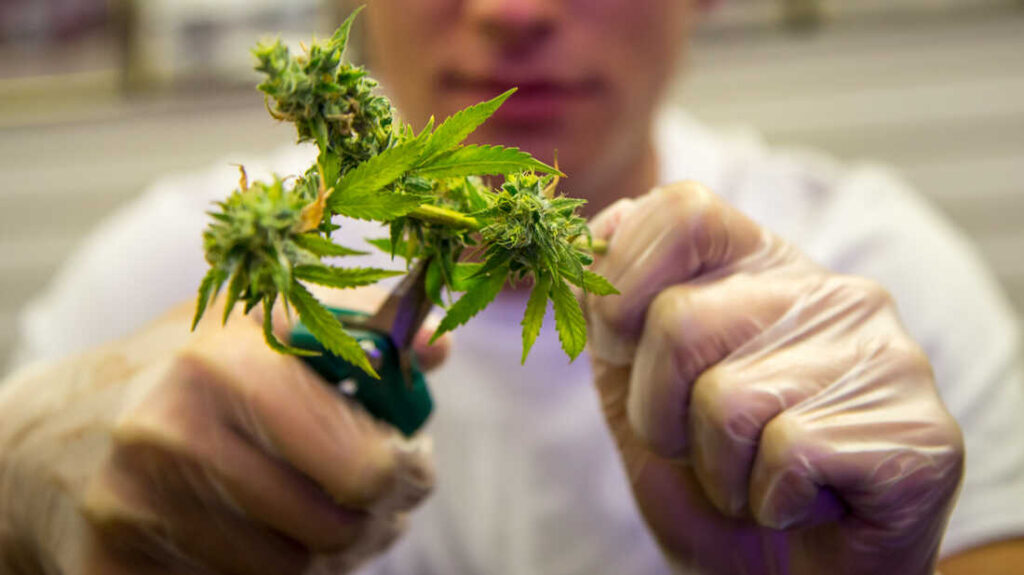
Determining the right time to harvest cannabis hinges on observing the trichomes, the tiny resin glands on the flowers. Their shift from clear to milky white or amber indicates peak levels of cannabinoids and terpenes, signaling it’s time to harvest for maximum potency and aroma.
The harvest begins with cutting the plant and carefully trimming excess leaves to prepare it for drying and curing. Trimming is essential not just for aesthetics but also to prevent moisture buildup that can cause mold.
Drying and curing are critical steps affecting the final product’s quality. Proper drying slowly reduces moisture without degrading cannabinoids and terpenes, while curing in airtight containers enhances the cannabis’s flavors and potency by allowing for the slow release of moisture.
In conclusion, the harvest process—from monitoring trichome color changes to cutting, trimming, drying, and curing—is crucial for achieving high-quality cannabis. It requires precision and patience, emphasizing the importance of each step in enhancing the final product’s sensory and medicinal properties.
Essential Tips for Success
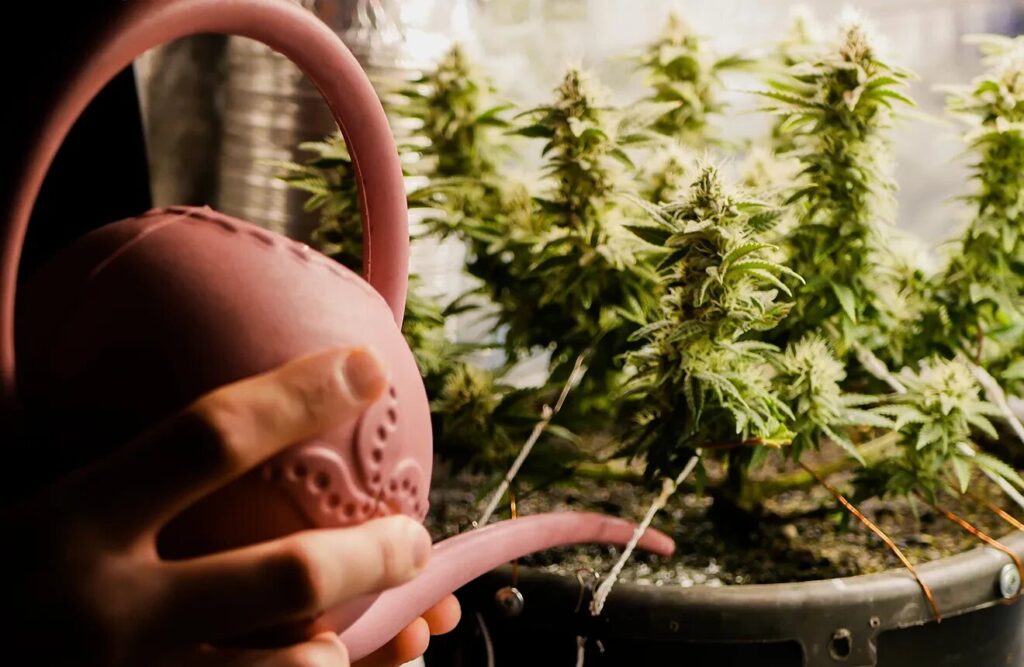
Environmental control is paramount in the cultivation of cannabis, necessitating the establishment of a meticulously controlled environment that optimally balances temperature, humidity, and ventilation. This precise regulation of environmental factors is critical to forestall the plant from encountering undue stress or succumbing to disease. A stable environment not only bolsters the plant’s resilience but also enhances its growth and flowering potential, ensuring a healthy and productive cultivation cycle.
In addition to environmental management, the implementation of training techniques plays a pivotal role in maximizing the plant’s exposure to essential resources such as light and air. Low-stress training (LST) methods, which involve the gentle bending and securing of branches, serve to optimize the plant’s structural development. By encouraging a more uniformly distributed canopy, these techniques facilitate better light penetration and air circulation throughout the plant, thereby promoting a more balanced and effective bud development across the entire plant structure.
The vigilance against pests and diseases forms an integral component of cannabis cultivation. Regular inspections are indispensable for the early detection of potential infestations or infections, enabling prompt intervention. The use of organic preventative solutions, such as the application of neem oil, offers an environmentally friendly and effective means of safeguarding the plant against a myriad of pests and pathogens. Such proactive measures are crucial in maintaining the health and integrity of the plant, thereby securing the quality of the final yield.
Moreover, the art of cultivating cannabis demands an unwavering commitment to patience and acute observational skills. The ability to discern and interpret the subtle cues presented by the plant is essential for tailoring care practices to meet its dynamic needs. This attentive approach ensures that adjustments to care routines are made judiciously, based on a deep understanding of the plant’s physiological responses and requirements.
In essence, the successful cultivation of cannabis is underpinned by a comprehensive and nuanced approach that encompasses rigorous environmental control, strategic application of training techniques, diligent pest and disease management, and an overarching ethos of patience and observation. Each of these elements contributes to a cultivation process that is as much an expression of scientific precision as it is of artistic sensitivity, culminating in a harmonious synergy that nurtures the plant’s development and optimizes the quality of the harvest.
Conclusion
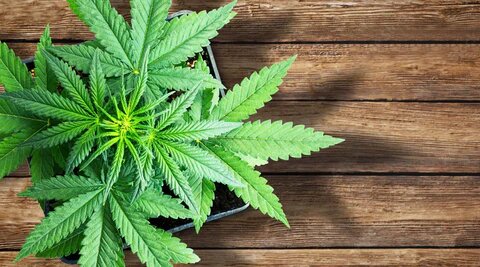
The endeavor of cultivating a single cannabis plant represents a uniquely gratifying experience. It offers cultivators the opportunity to refine their horticultural expertise through concentrated and meticulous attention. This specialized approach demands a comprehensive understanding of the plant’s fundamental requirements. These include its need for specific light, water, nutrients, and environmental conditions. By committing to these foundational needs and adhering to established best practices, even those with minimal experience can achieve a successful harvest.
Embarking on the cultivation of a cannabis plant is more than a mere agricultural task. It is an educational journey that imparts valuable lessons on plant growth and development. Growers develop a nuanced understanding of the plant’s lifecycle, from germination to harvesting. This practical experience nurtures a deeper understanding of the intricacies of plant life and the elements that impact a plant’s well-being and efficiency.
The focused cultivation of a single cannabis plant emphasizes the importance of patience, observation, and adaptability. These qualities are indispensable to the aspiring grower. Patience allows the plant to develop at its natural pace, avoiding the urge to rush its growth. Observation is crucial for recognizing the plant’s cues and adjusting care practices accordingly. Adaptability ensures that the grower can manage unforeseen issues effectively.
As cultivators embark on this singular journey, they are encouraged to view each step as part of a larger learning experience. Nurturing a cannabis plant from seed to harvest yields not only a tangible reward but also enriches the grower’s understanding of plant biology and gardening. This challenging endeavor offers a unique opportunity for personal and horticultural growth.
In conclusion, cultivating a single cannabis plant is a multifaceted venture that merges the science of botany with the art of gardening. It offers a rewarding pathway to both personal and horticultural achievement. Through dedication to the plant’s needs and a commitment to patience, observation, and adaptability, cultivators can nurture a thriving plant. This journey, filled with learning and discovery, promises a fruitful harvest and a deeper connection with the natural processes that define it.
