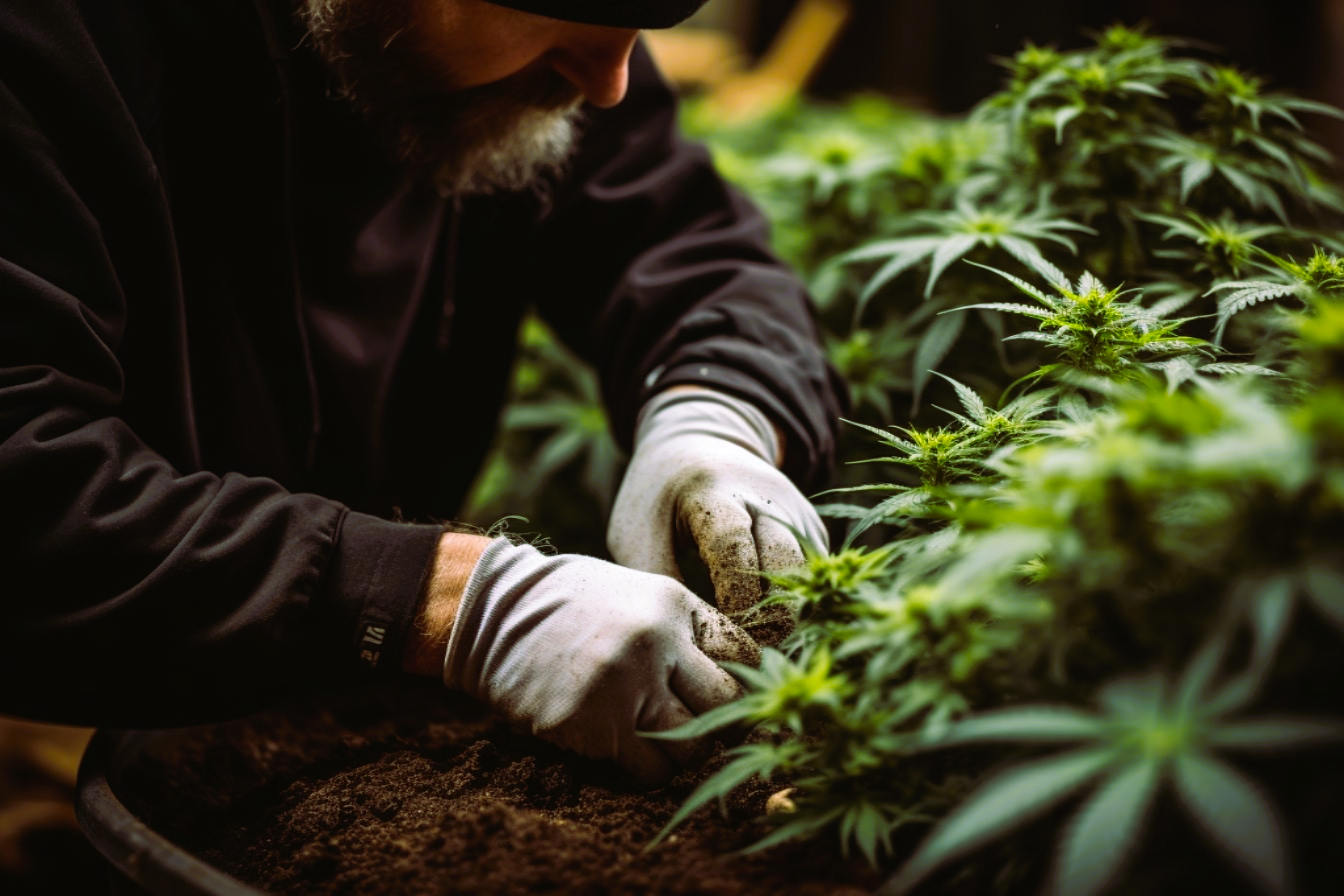
Creating Biodiverse Soil Ecosystems for Medical Cannabis Cultivation
Introduction to Medical Cannabis Cultivation
Medical cannabis cultivation is a growing industry, attracting attention from both patients and researchers due to its therapeutic potential in treating a variety of health conditions such as chronic pain, epilepsy, anxiety, and more. The necessity for efficient and sustainable growth methods that guarantee the highest-quality plant is growing along with the demand for medical cannabis. One of the most critical components of successful cultivation, especially for medical purposes, is the soil in which the cannabis plants grow.
Cannabis, like any other plant, thrives in a well-balanced and nutrient-rich soil ecosystem. However, when it comes to medical cannabis, the need for a biodiverse and healthy soil ecosystem is even more critical. This is because soil biodiversity not only enhances the overall health and growth of the plants but also impacts the potency, purity, and medicinal properties of the cannabis plant. Biodiverse soils are rich in microorganisms and nutrients, both of which are essential for producing cannabis plants that meet the stringent requirements for medical use.
This comprehensive guide explores the importance of creating biodiverse soil ecosystems specifically tailored for medical cannabis cultivation, detailing how soil health and biodiversity affect the quality of medical cannabis, how to build and maintain a biodiverse soil environment, and why this method is preferable to other cultivation techniques.
The Role of Soil in Medical Cannabis Cultivation
The Importance of Soil for Cannabis Growth
The soil is the foundation of plant life, and for medical cannabis, it plays a crucial role in determining the quality and medicinal value of the plant. In addition to providing water and other nutrients, soil also serves as a home for microorganisms that interact with cannabis roots to promote healthy growth. For medical cannabis, the quality of the soil is paramount because it directly affects the levels of cannabinoids (such as THC and CBD), terpenes, and other compounds responsible for the plant’s therapeutic effects.
Healthy, biodiverse soil contains a wide range of beneficial microorganisms such as bacteria, fungi, and protozoa, which interact with the cannabis roots to improve nutrient uptake, support plant immune systems, and enhance plant health. This symbiotic relationship between the soil microbiome and the cannabis plant is essential for producing high-quality, medicinal-grade cannabis. Without a robust soil ecosystem, the plant may suffer from nutrient deficiencies, stress, or disease, all of which can compromise its medicinal value.
Cannabis and Soil Biodiversity
Biodiverse soil contains a variety of living organisms, from microscopic bacteria to larger invertebrates like earthworms. These organisms recycle nutrients, decompose organic debris, and produce a dynamic environment that supports plant growth. The soil used to grow medical cannabis needs to be biodiverse in order to guarantee a steady flow of nutrients and encourage robust plant development.
A biodiverse soil ecosystem supports the development of strong root systems, which are critical for the absorption of water and nutrients. In medical cannabis, where specific concentrations of cannabinoids and terpenes are required for therapeutic effects, a healthy root system ensures that the plant receives all the nutrients it needs to produce these compounds. In addition, biodiverse soil enhances the resilience of cannabis plants against pests and diseases, reducing the need for synthetic pesticides and fungicides that could contaminate the plant and compromise its medicinal integrity.
Benefits of Biodiverse Soil Ecosystems for Medical Cannabis
Enhanced Nutrient Availability
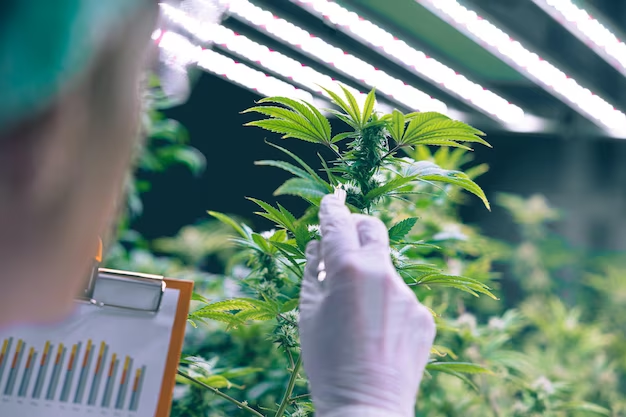
The increased availability of nutrients is one of the main advantages of biodiverse soil ecosystems. Together, microbes in a biodiverse soil environment convert organic matter into vital nutrients that plants may need. The growth and development of medical cannabis plants depend on this process, which is called nutrient cycling.
Different microorganisms specialize in breaking down different types of organic matter. For example, certain bacteria decompose dead plant material, while others fix nitrogen from the atmosphere, making it available to plants. Plant roots and fungus, especially mycorrhizal fungi, develop symbiotic partnerships that improve the plants’ ability to absorb nutrients like phosphorus. This increased nutrient availability translates into healthier cannabis plants with higher concentrations of medicinal compounds.
Improved Soil Structure and Water Retention
Biodiverse soils have a more complex structure than soils with low biodiversity. The presence of various microorganisms, along with organic matter like decomposed plant material, creates a soil structure that allows for better water retention and aeration. This is particularly important for medical cannabis, as the plant requires consistent moisture levels to grow optimally.
Improved soil structure also allows roots to grow deeper and spread more easily, giving the cannabis plant access to a larger reservoir of water and nutrients. For medical cannabis growers, maintaining consistent water levels is critical because fluctuations in moisture can stress the plant, leading to reduced yields or lower concentrations of medicinal compounds.
Natural Pest and Disease Management
In a biodiverse soil ecosystem, beneficial microorganisms outcompete harmful pathogens, reducing the likelihood of disease outbreaks. For example, certain bacteria and fungi produce natural antibiotics that protect plant roots from infection. Additionally, some predatory nematodes feed on harmful insects, reducing pest populations without the need for chemical pesticides.
For medical cannabis growers, natural pest and disease management is particularly important because the use of synthetic pesticides and fungicides can contaminate the final product, making it unsuitable for medical use. By fostering a biodiverse soil ecosystem, growers can reduce or eliminate the need for chemical inputs, ensuring that their cannabis plants remain clean and safe for patients.
Increased Cannabinoid and Terpene Production
The medicinal properties of cannabis are largely determined by its cannabinoid and terpene profiles. Terpenes add to the plant’s scent and may possibly have therapeutic uses, but cannabinoids like THC and CBD are what give it its therapeutic effects. Numerous factors, such as genetics, environmental factors, and dietary availability, affect the formation of these molecules.
Biodiverse soils provide cannabis plants with a consistent supply of nutrients, allowing them to produce higher levels of cannabinoids and terpenes. In particular, the presence of mycorrhizal fungi has been shown to increase the production of certain terpenes, enhancing the medicinal value of the cannabis plant. By cultivating cannabis in a biodiverse soil ecosystem, growers can optimize the plant’s cannabinoid and terpene profiles, ensuring that their product meets the needs of medical patients.
Building a Biodiverse Soil Ecosystem for Medical Cannabis
Assessing Soil Health and Biodiversity
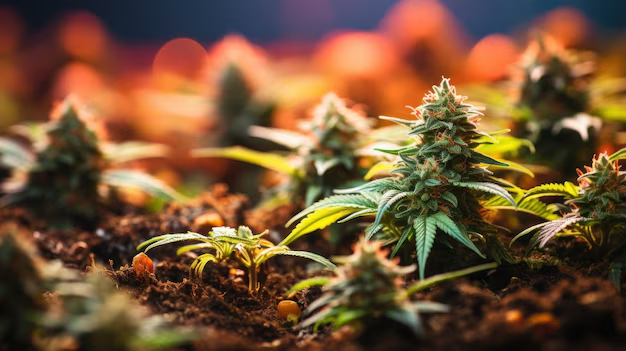
Before creating a biodiverse soil ecosystem, it is important to assess the current health and biodiversity of the soil. This can be done through soil testing, which measures factors such as pH, nutrient levels, organic matter content, and the presence of beneficial microorganisms.
Soil testing can help identify any deficiencies or imbalances that may be affecting plant growth. For instance, deficits may result from the plant’s inability to access specific nutrients if the soil is excessively acidic or alkaline. Additionally, soil testing can reveal whether the soil is lacking in beneficial microorganisms, such as nitrogen-fixing bacteria or mycorrhizal fungi, which are essential for promoting healthy plant growth.
Once the soil health has been assessed, growers can take steps to improve its biodiversity and overall quality.
Adding Organic Matter
One of the most effective ways to increase soil biodiversity is by adding organic matter, such as compost or mulch. Beneficial bacteria, fungus, and other microbes develop when organic matter is present in the soil because it gives them a food supply. Additionally, it enhances nutrient availability, water retention, and soil structure.
When adding organic matter to the soil, it is important to choose high-quality materials that are free of contaminants, such as heavy metals or pesticides. For medical cannabis cultivation, it is particularly important to avoid using compost or mulch made from treated wood or other materials that may contain harmful chemicals.
Cover crops can be utilized to supplement the soil with organic matter in addition to mulch and compost. Clover and rye are examples of cover crops that are planted in the off-season and tilled into the ground before to the following growing season. In addition to adding organic matter to the soil, this method inhibits weed growth and helps stop soil erosion.
Introducing Beneficial Microorganisms
In addition to adding organic matter, introducing beneficial microorganisms into the soil can help create a biodiverse ecosystem that supports healthy cannabis growth. For instance, mycorrhizal fungi and plant roots develop symbiotic partnerships that improve the plants’ ability to absorb nutrients. In a similar vein, nitrogen-fixing bacteria provide a consistent supply of this vital nutrient by transforming atmospheric nitrogen into a form that plants can utilize.
Products that include live bacteria or fungi, known as inoculants, can be used to introduce beneficial microbes into the soil. When the plant is being planted, these inoculants can be sprayed directly onto the roots or blended into the soil. Over time, these microorganisms will establish themselves in the soil, contributing to a healthy and biodiverse ecosystem.
Managing Soil pH and Nutrient Levels
The pH of the soil has a significant impact on the availability of nutrients. A pH of 6.0 to 7.0 is ideal for most cannabis plants, which enjoy slightly acidic soil. Certain minerals may become unavailable to the plant if the soil is excessively acidic or alkaline, resulting in deficits that may impact development and the generation of cannabinoids.
To manage soil pH, growers can add lime to raise the pH of acidic soils or sulfur to lower the pH of alkaline soils. It is important to monitor soil pH regularly and make adjustments as needed to maintain optimal conditions for cannabis growth.
In addition to managing pH, it is important to ensure that the soil contains adequate levels of essential nutrients, such as nitrogen, phosphorus, and potassium. While biodiverse soils are naturally more nutrient-rich than conventional soils, nutrient levels should still be monitored and supplemented as needed to support healthy plant growth.
Reducing Soil Disturbance
One of the key principles of creating a biodiverse soil ecosystem is minimizing soil disturbance. A decrease in biodiversity can result from tilling and other soil disturbance techniques that upset the delicate balance of microorganisms in the soil. Instead of tilling, growers can use no-till or low-till methods, which preserve soil structure and promote the growth of beneficial organisms.
No-till farming involves planting seeds directly into the soil without disturbing it, while low-till farming involves minimal soil disturbance, such as shallow cultivation or spot tilling. Both methods help maintain soil biodiversity and reduce the risk of erosion, making them ideal for medical cannabis cultivation.
Encouraging Biodiversity Above the Soil
In addition to fostering biodiversity in the soil, it is important to encourage biodiversity above the soil as well. Planting a variety of companion plants around the cannabis crop can attract beneficial insects, such as pollinators and predators of harmful pests. Through weed suppression, organic matter addition, and nitrogen fixation, these companion plants can also contribute to better soil health.
Some examples of companion plants for cannabis include clover, which fixes nitrogen and improves soil structure; marigolds, which repel pests; and lavender, which attracts pollinators. By creating a diverse ecosystem above the soil, growers can support a healthy and resilient cannabis crop.
Maintaining Soil Biodiversity Over Time
Once a biodiverse soil ecosystem has been established, it is important to maintain it over time. This requires ongoing monitoring and management to ensure that the soil remains healthy and nutrient-rich.
Monitoring Soil Health
Regular soil testing is essential for maintaining a biodiverse soil ecosystem. By testing the soil at least once a year, growers can monitor nutrient levels, pH, and organic matter content, making adjustments as needed to support healthy cannabis growth.
In addition to laboratory testing, growers can monitor soil health by observing the condition of their plants. Healthy cannabis plants should have vibrant green leaves, strong stems, and a robust root system. If the plants show signs of nutrient deficiencies or disease, this may indicate a problem with the soil that needs to be addressed.
Rotating Crops and Cover Crops
Crop rotation is a good strategy to preserve biodiversity and soil health. By rotating cannabis with other crops, such as legumes or grains, growers can prevent the buildup of pests and diseases that target cannabis. In addition, crop rotation helps maintain soil fertility by varying the types of nutrients that are extracted from the soil.
Cover cropping, as mentioned earlier, is another important practice for maintaining soil health. In addition to improving soil structure and adding organic matter, cover crops also give beneficial bacteria a place to live. Growers may guarantee that their soil stays healthy and fruitful year after year by growing cover crops in the off-season.
Avoiding Chemical Inputs
One of the main advantages of biodiverse soil ecosystems is that they reduce the need for chemical inputs, such as synthetic fertilizers, pesticides, and fungicides. These chemicals can harm beneficial microorganisms, disrupt nutrient cycling, and contaminate the final cannabis product, making it unsuitable for medical use.
To maintain a biodiverse soil ecosystem, it is important to avoid the use of chemical inputs and instead rely on natural methods of pest and disease management. This includes using organic fertilizers, such as compost or worm castings, and promoting the growth of beneficial insects and microorganisms that help control pests.
Restrictions on Growing and Using Cannabis in the Medical Field as a Last Resort

In the medical field, the use of cannabis is typically restricted to specific conditions where traditional treatments have failed, making it a “last resort” medication. This is to ensure that patients have explored all conventional therapies before resorting to medical cannabis. Cannabis prescriptions are frequently restricted by regulations to treating illnesses like multiple sclerosis, epilepsy, chronic pain, and some forms of cancer, among others. Additionally, it must be done under the strict supervision of a licensed healthcare professional.
Monitoring THC Levels in Medical Cannabis
To prevent the psychoactive effects of THC (tetrahydrocannabinol), it is crucial to closely monitor the levels of this compound in medical cannabis products. Medical cannabis with a high concentration of CBD (cannabidiol) and a low concentration of THC is typically preferred for patients to avoid the “high” associated with THC. Most medical cannabis formulations are required to have THC levels capped or balanced with CBD to ensure therapeutic benefits without significant psychoactive effects.
Healthcare professionals also monitor dosages and the cannabinoid ratios in cannabis-based medications to tailor treatments for patients’ specific needs, preventing unintended side effects such as cognitive impairment or altered mood.
Conclusion
Creating biodiverse soil ecosystems is fundamental to the cultivation of high-quality medical cannabis, ensuring that plants thrive in nutrient-rich, biologically diverse environments. Biodiversity in soil not only enhances plant health but also improves the production of key therapeutic compounds such as cannabinoids and terpenes, which are vital for medical use. Implementing organic matter, managing microorganisms, and fostering both above- and below-ground biodiversity creates a sustainable cultivation method that benefits both the plants and the environment.
In the medical field, the use of cannabis is highly regulated, typically reserved as a last-resort treatment when conventional therapies fail. Strict guidelines ensure that medical cannabis is used responsibly, with controlled and monitored THC levels to prevent unwanted psychoactive effects. Monitoring cannabinoid profiles, especially balancing THC with CBD, helps preserve the therapeutic benefits without compromising patient safety. The stringent oversight of cultivation practices, alongside careful medical use, positions cannabis as a viable and safe treatment option for patients under controlled conditions, ensuring efficacy while minimizing potential risks.
This approach ensures that medical cannabis fulfills its therapeutic promise without unintended side effects, maintaining the balance between natural cultivation practices and the precision needed for medical applications.
