
How to Control Cannabis Grow Smell
Growing cannabis, especially for medical purposes, demands a meticulous approach to ensure both the quality of the product and the discretion of the cultivation process. One of the most significant challenges faced by growers is controlling the potent smell of cannabis plants. This guide provides comprehensive strategies for effectively managing and minimizing the odor associated with cannabis cultivation.
Understanding the Source of Cannabis Odor
The distinctive and potent smell of cannabis is primarily due to the presence of aromatic compounds called terpenes. These compounds are not unique to cannabis; they are found in many plants and are responsible for their various scents and flavors. However, in cannabis, the combination and concentration of terpenes can create a very strong and recognizable odor.
Terpenes: The Aroma Compounds
Terpenes are organic compounds produced by the cannabis plant’s trichomes, which are the glandular structures on the plant’s surface. These compounds serve various functions, including protecting the plant from pests and environmental stress. A cannabis strain’s flavor, aroma, and even effects can all be greatly influenced by the particular terpenes that are present in it. The following are some of the most prevalent terpenes in cannabis along with the scents they are linked with:
- Myrcene: Myrcene is a common terpene found in cannabis that is often described as having an earthy, musky fragrance. It’s also present in thyme, lemongrass, and hops.
- Limonene: The aroma of this terpene is zesty and reminiscent of oranges and lemons. It is recognized for its stimulating and uplifted properties and can also be found in the rinds of citrus fruits.
- Pinene: Pinene smells like pine, as the name would imply. It can also be found in basil, rosemary, and pine needles. The bronchodilator and anti-inflammatory qualities of pinene are well established.
- Linalool: This terpene has a floral, lavender-like smell and is also found in lavender, mint, and cinnamon. It is well known that linalool has soothing and relaxing properties.
- Caryophyllene: Cloves, cinnamon, and black pepper all contain caryophyllene, which has a pungent, spicy scent. It differs from other terpenes in that it can interact with cannabinoid receptors and might have anti-inflammatory effects.
Variability in Terpene Profiles
The specific combination and concentration of terpenes in a cannabis plant can vary widely depending on the strain, growing conditions, and even the time of harvest. This variability means that some strains are naturally more pungent than others. For instance, strains high in myrcene tend to have a more robust and musky odor, while those with higher levels of limonene may smell more citrusy and sweet.
Growth Stages and Smell Intensity
The intensity of the cannabis odor is not constant throughout the plant’s life cycle. It varies significantly depending on the growth stage:
- Vegetative Stage: During this stage, when the plant is primarily focused on growing leaves and stems, the smell is usually mild and more reminiscent of generic plant matter.
- Flowering Stage: This is when the plant begins to produce flowers (buds), which contain the highest concentration of trichomes and terpenes. The smell becomes much more pronounced and can be quite strong as the plant reaches peak flowering.
- Harvesting and Drying: The act of harvesting and drying the buds can release a strong burst of odor. The drying process is particularly odorous because the plant material is exposed and terpenes evaporate into the air.
- Curing: Proper curing of cannabis, which involves storing the dried buds in controlled conditions to develop flavor and potency, can also produce odors, but these are generally less intense than during the drying stage.
Indoor vs. Outdoor Cultivation: Odor Control Challenges
When it comes to cultivating cannabis, both indoor and outdoor environments present unique challenges in managing and controlling the plant’s potent odor. Understanding these challenges is essential for growers aiming to maintain discretion and adhere to local regulations, especially when growing for medical purposes.
Indoor Cultivation
Indoor cultivation offers a controlled environment, allowing growers to regulate factors such as temperature, humidity, and light. However, the confined space can lead to more concentrated odors, making effective odor control measures crucial.
Challenges of Indoor Cultivation
- Concentrated Smell:
- In an enclosed space, the smell of cannabis can build up quickly and become overwhelming.
- The high density of plants in indoor setups can exacerbate odor issues.
- Ventilation Requirements:
- Indoor grow rooms require robust ventilation systems to ensure fresh air exchange and prevent odor buildup.
- Poor ventilation can lead to stagnant air, increasing the intensity of the smell.
- Limited Space for Odor Control Equipment:
- Indoor grow rooms might have limited space for installing large odor control devices such as carbon filters and air purifiers.
- The placement and integration of odor control equipment must be carefully planned to maximize efficiency.
- Energy Consumption:
- Running ventilation and odor control systems continuously can significantly increase energy consumption and costs.
- Ensuring energy efficiency while maintaining effective odor control can be challenging.
Solutions for Indoor Odor Control
- Activated Carbon Filters:
- Install activated carbon filters in the ventilation system to adsorb odor molecules effectively.
- Regularly replace the carbon to maintain optimal performance.
- Air Purifiers:
- Use high-quality air purifiers equipped with HEPA and activated carbon filters to clean the air within the grow room.
- Place air purifiers strategically to ensure even air distribution.
- Sealing and Insulation:
- Seal any cracks or gaps in the grow room to prevent odor leakage.
- Use grow tents or enclosures to contain the smell within a specific area.
- Environmental Controls:
- Maintain optimal temperature and humidity levels to minimize odor intensity.
- Use oscillating fans to promote air circulation and prevent odor hotspots.
Outdoor Cultivation
Outdoor cultivation takes advantage of natural sunlight and fresh air, which can help disperse the smell of cannabis. However, outdoor growers face different challenges related to odor control due to the open environment.
Challenges of Outdoor Cultivation
- Odor Dispersion:
- While the open air can help disperse odors, it can also carry them over long distances, potentially causing issues with neighbors and local authorities.
- Wind patterns and weather conditions can unpredictably affect odor dispersion.
- Proximity to Residential Areas:
- Growing cannabis near residential areas can lead to complaints and legal issues if the smell becomes a nuisance.
- Local regulations may impose restrictions on outdoor cannabis cultivation to address odor concerns.
- Limited Control Over Environmental Factors:
- Outdoor growers have less control over temperature, humidity, and airflow, making it harder to manage odor effectively.
- Environmental factors such as rain, heat, and pests can impact the plant’s growth and terpene production, influencing odor levels.
- Plant Density and Size:
- Outdoor plants can grow larger and more robust, potentially producing stronger odors.
- Managing the density of plants in an outdoor garden is crucial to minimizing odor intensity.
Solutions for Outdoor Odor Control
- Strategic Plant Placement:
- Position cannabis plants away from property lines, residential areas, and high-traffic zones to reduce odor impact.
- Use natural barriers such as trees, shrubs, or hedges to help block and disperse the smell.
- Odor-Absorbing Plants:
- Plant odor-absorbing or aromatic companion plants such as lavender, basil, and rosemary around the cannabis garden to mask and reduce the smell.
- These companion plants can also provide additional benefits such as pest control and improved biodiversity.
- Timing of Activities:
- Perform odor-intensive activities like harvesting and trimming during early morning or late evening when temperatures are cooler, and odors are less likely to spread.
- Monitor weather conditions and plan activities accordingly to minimize odor release during unfavorable conditions.
- Community Relations:
- Communicate with neighbors about your cultivation activities and the measures you are taking to control odors.
- Building good relationships and being considerate of their concerns can help prevent complaints and foster a cooperative environment.
Comparing Indoor and Outdoor Odor Control
Control vs. Natural Dispersion
- Indoor Cultivation: Provides greater control over environmental factors but requires more proactive measures to manage odor.
- Outdoor Cultivation: Benefits from natural air dispersion but poses challenges in managing odor spread and complying with local regulations.
Equipment and Resources
- Indoor Cultivation: Requires investment in ventilation systems, carbon filters, air purifiers, and environmental controls.
- Outdoor Cultivation: Relies more on strategic planning, plant placement, and natural barriers, with fewer equipment requirements.
Compliance and Regulations
- Indoor Cultivation: Often subject to stricter indoor air quality and safety regulations, necessitating rigorous odor control measures.
- Outdoor Cultivation: Must adhere to local ordinances regarding proximity to residential areas and potential odor impact, requiring careful planning and community engagement.
Odor Neutralizers and Absorbers
Ozone Generators
Ozone generators produce ozone (O3), a powerful oxidizing agent that can neutralize odors. However, ozone can be harmful to both plants and humans at high concentrations, so it must be used with caution:
- Controlled Usage: Use ozone generators in unoccupied spaces or during lights-off periods.
- Proper Ventilation: Ensure adequate ventilation to prevent ozone buildup.
- Safety Precautions: Follow manufacturer guidelines and safety recommendations.
Gel-Based Odor Absorbers
Gel-based odor absorbers, such as Ona Gel, release neutralizing agents into the air that can effectively combat cannabis odors. Place these gels around the grow room, near exhaust points, and in other areas where odor control is needed.
Environmental Control
Temperature and Humidity Management
Maintaining optimal temperature and humidity levels can significantly reduce odor intensity. High temperatures and humidity can exacerbate the smell, while cooler and drier conditions can help minimize it. Use the following guidelines:
- Temperature: Keep temperatures between 70-85°F (21-29°C) during the day and slightly cooler at night.
- Humidity: Aim for 40-60% relative humidity during the vegetative stage and 40-50% during flowering.
Air Circulation
Proper air circulation prevents the buildup of stagnant air, which can concentrate odors. Use oscillating fans to promote even air distribution throughout the grow room. Ensure that the air movement is gentle to avoid damaging the plants.
Sealing and Insulation
Grow Tent Enclosures
For indoor growers, using a grow tent can help contain odors. High-quality grow tents are designed to be lightproof and airtight, preventing odor leakage. Ensure the tent has proper ventilation systems in place.
Sealing Cracks and Gaps
Inspect the grow room for any cracks or gaps that could allow odors to escape. Use caulking, weather stripping, and foam insulation to seal these areas. Pay special attention to doors, windows, and ventilation ducts.
Plant Strain Selection
Low-Odor Strains
Choosing cannabis strains known for their lower odor profiles can be an effective preventive measure. Some low-odor strains include:
- Northern Lights: Known for its mild, earthy aroma.
- Blue Mystic: Offers a sweet, fruity scent that is less pungent.
- Polar Express: An autoflowering strain with a subtle fragrance.
-
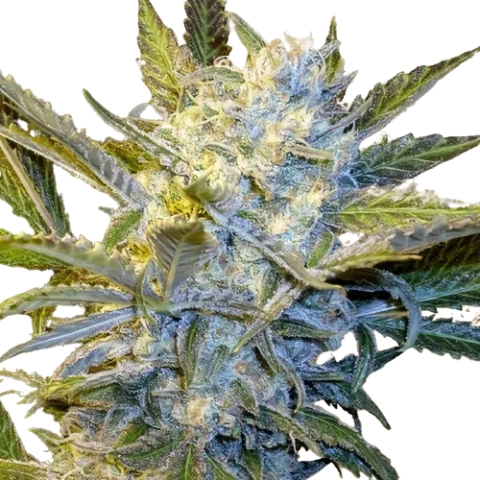 Blue Mystic Cannabis SeedsFrom: $24.99
 -
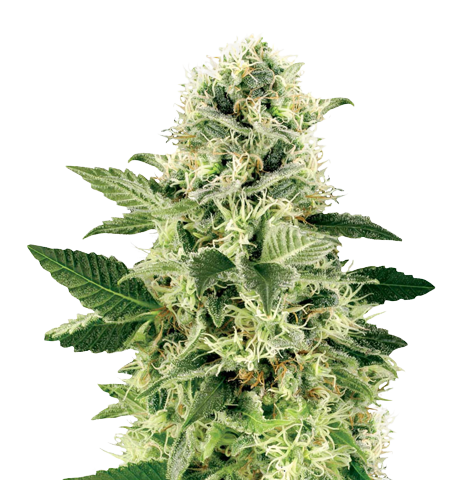 Northern Lights Cannabis SeedsFrom: $24.99
Timing and Harvesting Techniques
Timing the Harvest
Harvesting cannabis at the right time can influence the intensity of the smell. Harvesting during early morning or late evening when temperatures are cooler can help reduce odor release. Additionally, drying and curing the harvested buds in a controlled environment will minimize odor spread.
Trimming Techniques
Wet trimming (trimming the buds immediately after harvest) can reduce odor during the drying process. However, this method can be labor-intensive and may require additional odor control measures during trimming.
Legal and Compliance Considerations
Understanding Local Regulations
Complying with local regulations is crucial for medical cannabis growers. Many regions have specific guidelines for odor control to minimize the impact on the surrounding community. By being aware of and following these rules, one can avoid penalties and legal problems.
Community Relations
Building good relationships with neighbors can mitigate potential complaints. Informing neighbors about your cultivation activities and the steps you are taking to control odors can foster understanding and cooperation.
Implementing an Integrated Odor Control Plan
Effective odor control is crucial for both indoor and outdoor cannabis cultivation, particularly when growing for medical purposes where discretion and compliance with regulations are essential. An integrated odor control plan involves a combination of strategies and tools to manage and minimize the smell of cannabis throughout the entire cultivation process.
Step-by-Step Guide
Step 1: Assess the Grow Environment
- Evaluate the Size and Layout:
- Measure the dimensions of your grow space (indoor or outdoor) to determine the volume and area that need odor control.
- Identify any specific zones where odor is most likely to be concentrated, such as flowering areas and processing rooms.
- Identify Odor Leakage Points:
- Inspect the grow space for any cracks, gaps, or openings where odor could escape.
- Pay attention to windows, doors, ventilation ducts, and other potential leak points.
Step 2: Choose Appropriate Equipment
- Activated Carbon Filters:
- Select carbon filters that match the size of your grow space and the airflow rate of your ventilation system.
- Ensure proper installation in the ventilation ducts to maximize odor adsorption.
- Air Purifiers:
- Invest in high-quality air purifiers with HEPA and activated carbon filters for additional odor control.
- Place air purifiers strategically around the grow room to ensure even air cleaning.
- Ventilation Systems:
- Install a robust ventilation system to ensure continuous air exchange and prevent odor buildup.
- Use inline fans and ducting to direct air through carbon filters and out of the grow space.
- Sealing and Insulation:
- Seal any identified leaks with caulking, weather stripping, or foam insulation.
- Consider using grow tents or other enclosed structures to contain odors within a specific area.
Step 3: Implement Environmental Controls
- Temperature and Humidity Management:
- Maintain optimal temperature (70-85°F or 21-29°C) and humidity (40-60% during vegetative stage and 40-50% during flowering) levels to minimize odor intensity.
- Use thermostats, humidifiers, and dehumidifiers to regulate these conditions.
- Air Circulation:
- Use oscillating fans to promote even air distribution and prevent stagnant air pockets.
- Ensure that the airflow is gentle to avoid damaging plants while dispersing odors.
- Odor Neutralizers:
- Use gel-based odor absorbers or ozone generators (with caution) to neutralize odors in critical areas.
- Place these neutralizers near exhaust points and in areas with high odor concentration.
Step 4: Monitor and Adjust
- Regular Inspections:
- Conduct routine inspections of your odor control systems to ensure they are functioning properly.
- Check for any signs of wear or clogging in carbon filters and replace them as needed.
- Environmental Sensors:
- Install sensors to monitor temperature, humidity, and air quality continuously.
- Use the data from these sensors to make real-time adjustments to your environmental controls.
- Feedback and Adaptation:
- Keep track of any odor-related complaints or issues from neighbors or regulatory bodies.
- Be prepared to adapt your odor control strategies based on feedback and changing conditions.
Best Practices for Continuous Improvement
Regular Maintenance and Monitoring
- Equipment Maintenance:
- Follow the manufacturer’s guidelines for maintaining and replacing odor control equipment.
- Schedule regular maintenance checks to ensure all systems are operating at peak efficiency.
- Environmental Monitoring:
- Use digital sensors and monitoring systems to track environmental conditions in real-time.
- Set up alerts for significant changes in temperature, humidity, or air quality that could impact odor control.
- Documentation and Record-Keeping:
- Keep detailed records of all odor control measures, including equipment installations, maintenance schedules, and environmental data.
- Document any issues and the steps taken to resolve them for future reference.
Training and Education
- Stay Informed:
- Keep up-to-date with the latest advancements in odor control technology and best practices.
- Participate in industry forums, workshops, and training sessions to learn from experts and peers.
- Educate Your Team:
- Train all members of your cultivation team on the importance of odor control and their roles in maintaining it.
- Provide ongoing education and updates as new methods and technologies become available.
- Community Engagement:
- Foster good relationships with neighbors and the local community by being transparent about your odor control efforts.
- Address any concerns promptly and proactively to maintain a positive reputation.
Integrated Odor Control Plan Example
Scenario: Indoor Medical Cannabis Grow Room
Assessment:
- Grow room size: 10x10x8 feet (800 cubic feet)
- Identified odor leakage points: door gaps, ventilation ducts
Equipment:
- Activated carbon filter with appropriate CFM rating for 800 cubic feet
- HEPA air purifiers with activated carbon filters placed near the entrance and exhaust points
- Inline fans and ducting system for ventilation
- Sealing materials: caulking, weather stripping
Environmental Controls:
- Temperature: 75°F (24°C)
- Humidity: 50%
- Oscillating fans for air circulation
- Gel-based odor absorbers near the entrance and exhaust
Monitoring and Adjusting:
- Weekly inspections of carbon filters and air purifiers
- Environmental sensors for temperature, humidity, and air quality
- Adjusting ventilation settings based on sensor data
Continuous Improvement:
- Regular maintenance checks every month
- Team training sessions on odor control best practices
- Community engagement meetings every quarter to address any concerns
Conclusion
Controlling the smell of cannabis cultivation is a multifaceted challenge that requires a combination of strategic planning, the right equipment, and ongoing maintenance. By implementing the strategies outlined in this guide, medical cannabis growers can effectively manage odor, ensuring a discreet and compliant growing operation. Prioritizing odor control not only enhances the quality of the growing environment but also fosters positive relationships with the surrounding community and adheres to regulatory requirements.
Whether you are growing cannabis indoors or outdoors, understanding the source of the odor, utilizing effective odor control technologies, and maintaining optimal environmental conditions are key to success. Activated carbon filters, air purifiers, and proper ventilation systems form the backbone of an effective odor control strategy, while environmental controls such as temperature and humidity management, as well as proper air circulation, further support this effort.
Additionally, selecting low-odor cannabis strains, timing the harvest carefully, and employing strategic trimming techniques can significantly reduce the intensity of the smell. Sealing and insulating the grow space, along with the use of grow tents or other enclosures, help to contain odors within the cultivation area.
Compliance with local regulations and maintaining good community relations are also crucial aspects of a successful medical cannabis grow operation. By staying informed about legal requirements and communicating openly with neighbors, growers can mitigate potential issues and maintain a positive presence in their community.
Ultimately, an integrated odor control plan that combines various methods and practices will provide the most effective results. Regular maintenance, continuous monitoring, and ongoing education will ensure that your odor control measures remain efficient and up to date. By prioritizing odor control, medical cannabis growers can create a more professional and responsible growing environment, contributing to the overall acceptance and success of medical cannabis cultivation.
