How to Choose the Right Cannabis Strain to Grow Like a Pro
Introduction
The medical benefits of cannabis have garnered increasing attention in recent times. As a result, more individuals are considering growing their cannabis to ensure a steady supply of their preferred strains. Selecting the right strain for medical purposes involves understanding the plant’s characteristics, its effects, and the specific medical needs of the grower. This comprehensive guide will help you navigate the process of choosing the ideal cannabis strain for medical purposes and provide you with the knowledge to grow it successfully.
Understanding Cannabis Strains
Cannabis strains come in a wide variety, each offering unique effects and benefits. Understanding the variations between Indica, Sativa, and hybrid strains as well as the functions of terpenes and cannabinoids is crucial when selecting a strain for medical use. The essential information regarding cannabis strains is outlined in this comprehensive guide.
Indica Strains
Characteristics:
- Appearance: Indica plants are typically short and bushy with broad leaves.
- Growth: These strains have a shorter flowering time, making them suitable for regions with shorter growing seasons or for indoor cultivation.
- Climate: Indicas are generally more tolerant of cooler climates.
Effects:
- Because of their calming and sedative qualities, Indica strains are frequently advised for use at night.
- They work well to address ailments like anxiety, sleeplessness, chronic pain, and muscular spasms.
Examples of Popular Indica Strains:
- Northern Lights: Known for its pain-relieving properties and ease of growth.
- Granddaddy Purple: Often used to treat pain, insomnia, and stress.
-
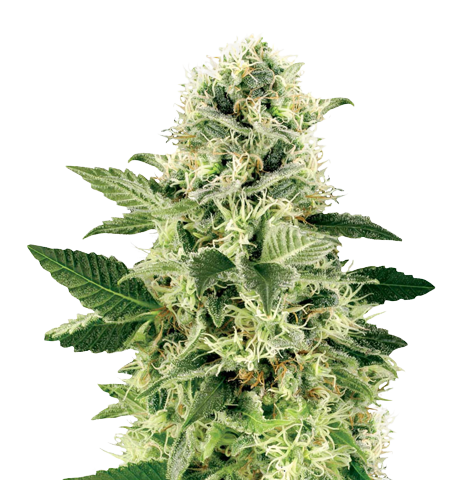 Northern Lights Cannabis SeedsFrom: $24.99
 -
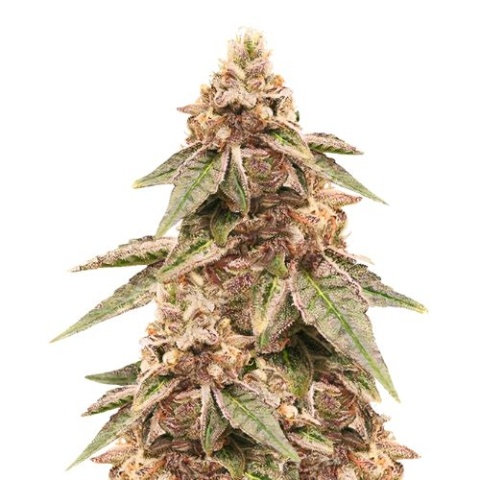 Granddaddy Purple Cannabis SeedsFrom: $24.99
Sativa Strains
Characteristics:
- Appearance: Sativa plants are tall and thin with narrow leaves.
- Growth: They have a longer flowering period and are best suited for outdoor cultivation in regions with longer growing seasons.
- Climate: Sativas thrive in warmer climates.
Effects:
- Because sativa strains are linked to uplifting and stimulating effects, they are perfect for use during the day.
- They can help manage conditions like depression, fatigue, and ADHD.
Examples of Popular Sativa Strains:
- Durban Poison: Known for its invigorating effects and ability to boost creativity and focus.
- Jack Herer: Often used to alleviate stress, depression, and fatigue.
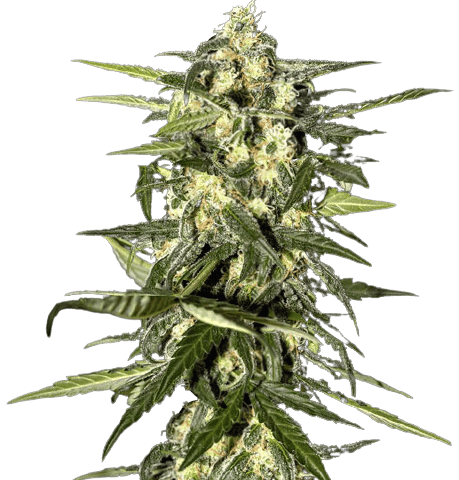
-
 Durban Poison Cannabis SeedsFrom: $24.99
 -
 Jack Herer Cannabis SeedsFrom: $24.99
Hybrid Strains
Characteristics:
- Hybrids are bred from both Indica and Sativa strains, offering a balance of effects.
- The parent strains determine whether they are balanced, Sativa-dominant, or Indica-dominant.
Effects:
- Hybrid strains can be tailored to provide specific effects based on their Indica/Sativa ratio.
- They are versatile and can be used for a variety of medical conditions.
Examples of Popular Hybrid Strains:
- Blue Dream: A balanced hybrid known for its calming and pain-relieving effects without heavy sedation.
- Girl Scout Cookies (GSC): Often used for pain relief, appetite stimulation, and stress relief.
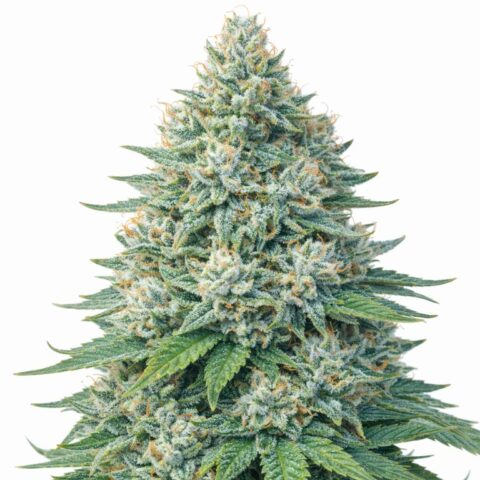
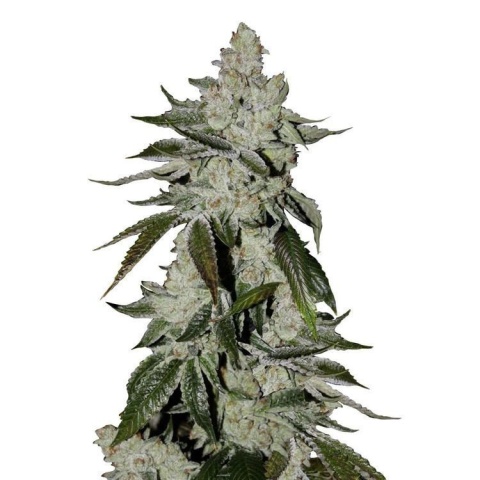
-
 Blue Dream Cannabis SeedsFrom: $24.99
 -
Girl Scout Cookies Cannabis SeedsFrom: $24.99
Identifying Medical Needs
When choosing a cannabis strain for medical purposes, the first step is to clearly identify your specific medical needs. Different strains offer varying therapeutic benefits due to their unique combinations of cannabinoids and terpenes. Understanding your medical condition and how cannabis can help is crucial for selecting the right strain. Here’s a detailed guide to identifying medical needs and matching them with appropriate cannabis strains.
Common Medical Conditions Treated with Cannabis
Numerous medical ailments are treated with cannabis. The following list includes some of the most popular ones along with the kinds of strains that might work best for each:
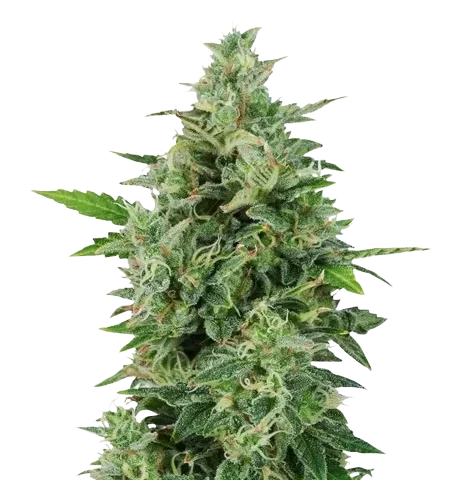
- Chronic Pain
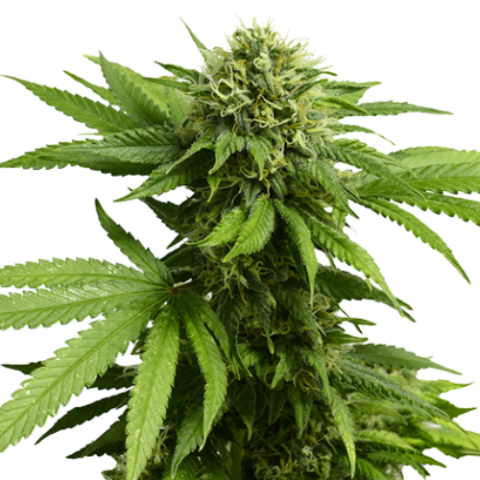
-
CBD ACDC Cannabis SeedsFrom: $24.99
-
 OG Kush Cannabis SeedsFrom: $24.99
- Anxiety and Depression
- Symptoms: Anxiety involves excessive worry or fear, while depression is characterized by persistent sadness and lack of interest.
- Cannabinoids: Balanced THC and CBD levels can help manage anxiety and depression. High-THC strains can sometimes exacerbate anxiety, so caution is advised.
- Terpenes: Limonene, linalool, and caryophyllene.
- Recommended Strains:
- Harlequin (balanced THC and CBD): Provides calming effects without intense psychoactivity.
- Cannatonic (high CBD, low THC): Effective for anxiety and stress relief.
-
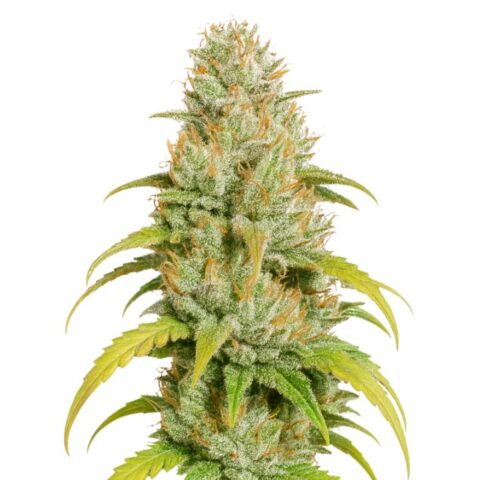
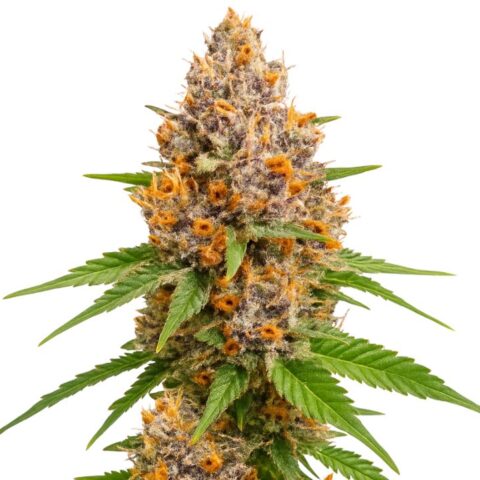
Harlequin CBD Cannabis SeedsFrom: $24.99
-
Cannatonic CBD Cannabis SeedsFrom: $24.99
- Insomnia
- Symptoms: Difficulty falling or staying asleep.
- Cannabinoids: High THC levels are generally more effective for inducing sleep.
- Terpenes: Myrcene and linalool.
- Recommended Strains:
- Granddaddy Purple (high THC): Known for its strong sedative effects.
- Northern Lights (high THC): Promotes relaxation and sleep.
-
Northern Lights Cannabis SeedsFrom: $24.99
-
Granddaddy Purple Cannabis SeedsFrom: $24.99
- Appetite Stimulation
- Symptoms: Loss of appetite, often due to medical treatments like chemotherapy.
- Cannabinoids: THC is known to stimulate appetite.
- Terpenes: Myrcene and humulene.
- Recommended Strains:
- Girl Scout Cookies (GSC) (high THC): Enhances appetite and reduces nausea.
- Pineapple Express (balanced THC and CBD): Stimulates appetite while providing uplifting effects.
-
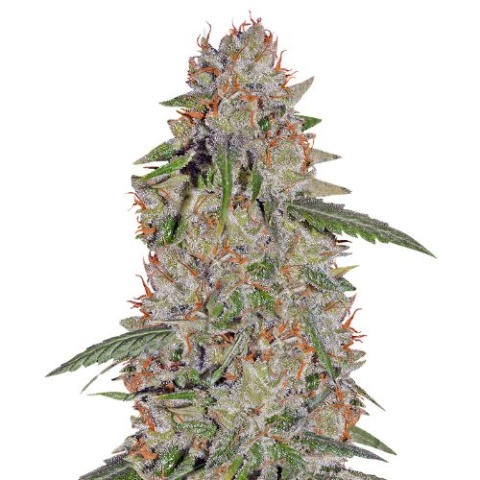
Pineapple Express Cannabis SeedsFrom: $24.99
-
Girl Scout Cookies Cannabis SeedsFrom: $24.99
- Seizures
- Symptoms: Uncontrolled electrical disturbances in the brain, leading to convulsions.
- Cannabinoids: CBD is highly effective in reducing the frequency and severity of seizures.
- Terpenes: Pinene and linalool.
- Recommended Strains:
- Charlotte’s Web (high CBD, low THC): Specifically bred for its anti-seizure properties.
- Ringo’s Gift (high CBD): Effective for seizure management.
- Inflammation and Autoimmune Disorders
- Symptoms: Redness, swelling, and pain due to inflammatory or autoimmune responses.
- Cannabinoids: Both THC and CBD have anti-inflammatory properties, but CBD is more commonly recommended due to its non-psychoactive nature.
- Terpenes: Caryophyllene and humulene.
- Recommended Strains:
- Harle-Tsu (high CBD): Known for its strong anti-inflammatory effects.
- Sour Tsunami (balanced THC and CBD): Provides relief from inflammation without heavy sedation.
-
 Sour Tsunami CBD Cannabis SeedsFrom: $24.99
 -
 Harle-Tsu CBD Cannabis SeedsFrom: $24.99
Researching Strain Information
Once you have identified your medical needs, the next step is to research strains that align with those requirements. Several resources can help you gather information about different strains:
- Online Databases: Websites like Leafly and Weedmaps provide detailed information on various strains, including their effects, cannabinoid profiles, and user reviews.
- Medical Journals: Research articles and medical journals can offer scientific insights into the efficacy of specific strains for medical conditions.
- Cannabis Communities: Online forums and social media groups can be valuable sources of anecdotal information and personal experiences from other growers and patients.
Considering Growing Conditions
When it comes to cultivating cannabis for medical purposes, understanding and optimizing growing conditions is crucial for a successful harvest. Different strains have varying requirements, and aligning these with your local environment and cultivation setup can significantly impact the quality and yield of your plants. Here’s a comprehensive guide to considering growing conditions for cannabis cultivation.
Indoor vs. Outdoor Cultivation
Choosing whether to cultivate your cannabis inside or outdoors is among your first choices. Every choice has benefits and drawbacks.
Indoor Cultivation
Advantages:
- Control: Indoor cultivation allows you to control environmental factors such as temperature, humidity, and light, leading to consistent and high-quality yields.
- Year-Round Growth: You can grow cannabis throughout the year, regardless of external weather conditions.
- Security and Privacy: Growing indoors offers more privacy and security from potential theft or damage.
Challenges:
- Cost: Setting up an indoor grow room can be expensive due to the need for equipment like grow lights, ventilation systems, and climate control devices.
- Space: Indoor growers are limited by the size of their grow space, which can restrict the number and size of plants.
Suitable Strains:
- Indica Strains: Generally more compact and bushy, making them ideal for limited indoor spaces.
- Examples: Northern Lights, Blueberry.
- Autoflowering Strains: These strains have shorter growth cycles and remain relatively small, perfect for indoor grows.
- Examples: Amnesia Haze Auto, Lowryder.
Outdoor Cultivation
Advantages:
- Cost-Effective: Utilizing natural sunlight and outdoor conditions reduces the need for expensive equipment.
- Space: Outdoor cultivation allows for larger plants and higher yields due to the abundant space and natural light.
Challenges:
- Environmental Factors: Outdoor growers must contend with weather conditions, pests, and diseases, which can affect plant health and yield.
- Seasonal Growth: Growing seasons are dictated by local climate, limiting the number of harvests per year.
Suitable Strains:
- Sativa Strains: These plants can grow tall and thrive in outdoor environments with plenty of sunlight.
- Examples: Durban Poison, Super Silver Haze.
- Resilient Strains: Strains that are hardy and resistant to pests and diseases.
- Examples: White Widow, AK-47.
Climate Considerations
The local climate plays a significant role in determining which cannabis strains will thrive in your area. Here’s a breakdown of ideal strains for different climates:
Mediterranean Climate
- Characteristics: Mild, wet winters and hot, dry summers. Common in regions like California, Southern Europe, and parts of Australia.
- Suitable Strains:
- Sativa and Sativa-Dominant Hybrids: Thrive in the long, sunny days.
- Examples: Amnesia Haze, Lemon Skunk.
- Outdoor-Resistant Strains: Varieties that can handle heat and dry conditions.
- Examples: OG Kush, Pineapple Express.
- Sativa and Sativa-Dominant Hybrids: Thrive in the long, sunny days.
Temperate Climate
- Characteristics: Moderate temperatures with distinct seasons, found in the northern United States and parts of Europe.
- Suitable Strains:
- Indica and Indica-Dominant Hybrids: These strains can handle cooler nights and shorter growing seasons.
- Examples: Northern Lights, Blueberry.
- Autoflowering Strains: Can be harvested before the onset of cold weather.
- Examples: Royal Dwarf, Quick One.
- Indica and Indica-Dominant Hybrids: These strains can handle cooler nights and shorter growing seasons.
Tropical Climate
- Characteristics: Warm and humid year-round, with heavy rainfall. Common in Central America, Southeast Asia, and parts of Africa.
- Suitable Strains:
Continental Climate
- Characteristics: Hot summers and cold winters, typical of Central Europe and parts of Canada.
- Suitable Strains:
- Indica and Indica-Dominant Hybrids: Suited for shorter growing seasons and cooler nights.
- Examples: Afghan Kush, Critical Mass.
- Autoflowering Strains: Can be grown and harvested within the short summer period.
- Examples: Blueberry Auto, White Widow Auto.
- Indica and Indica-Dominant Hybrids: Suited for shorter growing seasons and cooler nights.
Space and Light Requirements
Understanding the space and light requirements of your chosen strain is essential for planning your grow setup.
Space Considerations
- Plant Size: Indica strains are generally shorter and bushier, making them suitable for smaller grow spaces. Sativa strains can grow tall and require more vertical space.
- Training Techniques: Techniques such as topping, low-stress training (LST), and ScrOG (Screen of Green) can help manage plant size and optimize space.
Light Requirements
- Indoor Lighting: Choose the right type of grow lights for your indoor setup. Options include LED, HID (High-Intensity Discharge), and CFL (Compact Fluorescent Lamp) lights.
- LED Lights: Energy-efficient and produce less heat, suitable for small spaces.
- HID Lights: Provide intense light, ideal for larger grow rooms but require good ventilation due to heat output.
- Outdoor Sunlight: Ensure your outdoor plants receive ample direct sunlight, ideally 6-8 hours per day. Position plants to maximize light exposure throughout the day.
Growing Medium and Nutrients
Choosing the right growing medium and providing adequate nutrients are critical for healthy plant growth.
Growing Mediums
- Soil: Traditional and easy to manage, suitable for both beginners and experienced growers.
- Advantages: Natural and forgiving, rich in beneficial microbes.
- Disadvantages: Can harbor pests and pathogens, requires regular pH monitoring.
- Coco Coir: Made from coconut husks, an excellent hydroponic medium that retains moisture well.
- Advantages: Good water retention and aeration, renewable resource.
- Disadvantages: Requires regular nutrient supplementation, can be prone to calcium and magnesium deficiencies.
- Hydroponics: Growing plants in a nutrient-rich water solution, ideal for indoor cultivation.
- Advantages: Rapid growth, precise control over nutrients and pH.
- Disadvantages: Higher initial setup cost, requires more technical knowledge and maintenance.
Nutrient Requirements
Cannabis plants require different nutrient ratios during various growth stages:
- Vegetative Stage: High nitrogen (N) levels to support leaf and stem growth.
- Flowering Stage: Higher phosphorus (P) and potassium (K) levels to promote bud development.
- Micro and Macronutrients: Ensure your plants receive essential micronutrients like calcium, magnesium, and iron, in addition to the primary NPK nutrients.
Watering and Humidity
Proper watering and humidity control are vital for preventing issues like root rot, mold, and nutrient deficiencies.
Watering
- Frequency: Water your plants based on the growing medium and environmental conditions. Soil typically requires less frequent watering compared to coco coir and hydroponics.
- pH Levels: Maintain the correct pH level for your growing medium to ensure nutrient absorption. For soil, a pH of 6.0-7.0 is ideal, while hydroponics and coco coir prefer a pH of 5.5-6.5.
Humidity
- Vegetative Stage: Higher humidity (60-70%) promotes healthy leaf growth.
- Flowering Stage: Lower humidity (40-50%) reduces the risk of mold and bud rot.
Pruning and Training
Proper pruning and training techniques can help manage plant growth, improve light penetration, and increase yields.
- Topping: Cutting the main stem to encourage bushier growth and more bud sites.
- Low-Stress Training (LST): Bending and tying down branches to create an even canopy and maximize light exposure.
- Screen of Green (ScrOG): Using a screen to spread out the plant canopy, ensuring all buds receive equal light.
Harvesting and Post-Harvest Care
When it comes to optimizing the flavor and potency of your cannabis plants, timing is everything.
Harvest Timing
- Trichome Color: Monitor the trichomes on your buds. Harvest when they are milky white with some amber coloration for optimal cannabinoid levels.
- Pistil Color: Harvest when 70-90% of the pistils (hairs) have turned brown or red.
Drying and Curing
- Drying: Hang your harvested plants upside down in a dark, well-ventilated space. The drying process usually takes 7-14 days.
- Curing: Place dried buds in airtight containers and store them in a cool, dark place. Open the containers daily to release excess moisture. Curing improves the flavor, aroma, and potency of the buds.
Understanding Cannabinoid Profiles
The main ingredients in cannabis, known as cannabinoids, cause a variety of physiological effects by interacting with the body’s endocannabinoid system. The plant’s medicinal qualities are attributed to approximately 100 different cannabinoids, the two most well-known of which are THC (tetrahydrocannabinol) and CBD (cannabidiol). Understanding cannabinoid profiles is crucial for selecting the right cannabis strain for medical purposes. Here’s an in-depth look at the primary cannabinoids and their effects.
Major Cannabinoids
Tetrahydrocannabinol (THC)
Characteristics:
- Psychoactivity: THC is the primary psychoactive component in cannabis, responsible for the “high” sensation.
- Effects: Provides euphoria, pain relief, relaxation, and appetite stimulation. It can also cause anxiety or paranoia in high doses or sensitive individuals.
- Medical Uses: Effective for pain management, nausea and vomiting (especially related to chemotherapy), muscle spasticity, and appetite loss.
Strains High in THC:
- OG Kush: Known for its potent pain-relieving effects.
- Sour Diesel: Provides uplifting and energizing effects, suitable for depression and fatigue.
Cannabidiol (CBD)
Characteristics:
- Non-Psychoactive: CBD does not produce a high and is often used for its therapeutic benefits without the psychoactive effects of THC.
- Effects: Anti-inflammatory, analgesic, anxiolytic (reduces anxiety), and anti-seizure properties. Additionally, CBD can mitigate some of THC’s high effects for a more well-rounded experience.
- Medical Uses: Effective for anxiety, epilepsy, chronic pain, inflammation, and neuroprotection.
- Charlotte’s Web: Specifically bred for its high CBD content, known for its efficacy in treating epilepsy.
- ACDC: High CBD, low THC, effective for pain relief without significant psychoactivity.
Cannabinol (CBN)
Characteristics:
- Mildly Psychoactive: CBN is produced as THC degrades and is only mildly psychoactive.
- Effects: Sedative properties, making it useful for sleep disorders. possesses antibacterial and anti-inflammatory properties as well.
- Medical Uses: Effective for insomnia, pain relief, and stimulating appetite.
Strains with Notable CBN Content:
- Typically found in aged cannabis or strains that have been stored for a long time.
Cannabigerol (CBG)
Characteristics:
- Non-Psychoactive: CBG is considered the “mother” cannabinoid, as it is a precursor to other cannabinoids like THC and CBD.
- Effects: Anti-inflammatory, antibacterial, and neuroprotective properties. Promotes bone growth and inhibits cancer cell growth.
- Medical Uses: Effective for inflammatory bowel disease (IBD), glaucoma, cancer, and bladder dysfunction.
Strains High in CBG:
- Jack Frost CBG: Bred specifically for its high CBG content.
Cannabichromene (CBC)
Characteristics:
- Non-Psychoactive: CBC is not psychoactive but works synergistically with other cannabinoids.
- Effects: Anti-inflammatory, analgesic, and antidepressant properties. Promotes neurogenesis (the growth of new brain cells).
- Medical Uses: Effective for pain and inflammation, mood disorders, and neuroprotection.
Strains High in CBC:
- Three Kings: Known for its balanced cannabinoid profile, including notable levels of CBC.
Minor Cannabinoids
In addition to the major cannabinoids, there are several minor cannabinoids that contribute to the overall therapeutic effects of cannabis. These include:
- Tetrahydrocannabivarin (THCV): Similar to THC but with a slightly different molecular structure. THCV is known for its appetite-suppressing properties and potential for controlling obesity and diabetes.
- Strains High in THCV: Durban Poison, Doug’s Varin.
- Cannabidivarin (CBDV): Similar to CBD in structure and effects, CBDV is being studied for its potential in treating epilepsy and autism.
- Strains High in CBDV: Euphoria, Royal CBDV.
- Cannabichromevarin (CBCV): The propyl cannabinoid counterpart to CBC, with similar anti-inflammatory and antiviral properties.
- Strains High in CBCV: Rare, typically found in small amounts in various strains.
Terpenes and the Entourage Effect
Cannabinoids do not work in isolation. Terpenes, the aromatic compounds found in cannabis, play a significant role in modulating the effects of cannabinoids through a phenomenon known as the “entourage effect.” This synergistic interaction enhances the therapeutic potential of the plant.
Common Terpenes
- Myrcene: Sedative and muscle-relaxant properties. Found in high concentrations in Indica strains.
- Strains High in Myrcene: Granddaddy Purple, Blue Dream.
- Limonene: Uplifting and anti-anxiety effects. Common in Sativa strains.
- Strains High in Limonene: Super Lemon Haze, OG Kush.
- Caryophyllene: Anti-inflammatory and analgesic properties. Unique as it can also interact with cannabinoid receptors.
- Strains High in Caryophyllene: Girl Scout Cookies, Bubba Kush.
- Pinene: Anti-inflammatory and bronchodilator effects, improving focus and respiratory function.
- Strains High in Pinene: Jack Herer, Strawberry Cough.
Matching Cannabinoid Profiles to Medical Conditions
Understanding the cannabinoid profiles of cannabis strains allows you to select the most effective strain for your medical needs. Here are some examples:
- Chronic Pain: Strains high in THC and CBD with myrcene and caryophyllene terpenes can provide significant pain relief.
- Recommended Strains: OG Kush, ACDC.
- Anxiety and Depression: Balanced THC and CBD levels with limonene and linalool terpenes can help alleviate anxiety and improve mood.
- Recommended Strains: Harlequin, Cannatonic.
- Insomnia: Strains high in THC with myrcene and linalool terpenes can promote relaxation and sleep.
- Recommended Strains: Granddaddy Purple, Northern Lights.
- Epilepsy: High-CBD strains with pinene and linalool terpenes can reduce seizure frequency and severity.
- Recommended Strains: Charlotte’s Web, Ringo’s Gift.
- Appetite Stimulation: High-THC strains with myrcene and humulene terpenes can stimulate appetite.
- Recommended Strains: Girl Scout Cookies, Pineapple Express.
Conclusion
Selecting the right cannabis strain for medical purposes and successfully growing it requires a comprehensive approach. From understanding the differences between Indica, Sativa, and hybrid strains to identifying specific medical needs, the process is nuanced and critical to ensuring effective treatment. Researching cannabinoid profiles and terpenes, consulting medical professionals, and considering your growing conditions are essential steps in making an informed choice.
Growing cannabis, whether from seeds or clones, involves choosing the right growing medium, providing necessary nutrients, and maintaining optimal light, temperature, and watering conditions. Techniques such as pruning and training can enhance plant health and yield. To maximize your cannabis’s strength and medicinal effects, make sure to harvest, dry, and cure it properly.
Legal considerations cannot be overlooked, as compliance with local regulations is crucial. By following these guidelines, you can grow like a pro and ensure a consistent supply of high-quality medical cannabis tailored to your needs. Using this all-encompassing method will enable you to fully utilize cannabis‘ health and wellbeing benefits.
In essence, choosing the right cannabis strain and mastering the growing process is an empowering journey. With careful planning, informed decisions, and diligent care, you can cultivate a reliable source of medical cannabis that addresses your specific health conditions effectively. Happy growing!
