Choosing the right cannabis strain can greatly enhance your experience, whether you’re using it for medicinal or recreational purposes. Here are some key factors to consider:
1. Purpose of Use: In Detail
Understanding your primary purpose for using cannabis is crucial in selecting the right strain. Here’s a detailed look at various purposes and the corresponding types of strains:
Medicinal Use
Cannabis is widely used for its therapeutic benefits. Here are some common medical conditions and the types of strains that can help:
- Pain Relief
- Anxiety and Depression
- Strains: Cannatonic, Jack Herer, Girl Scout Cookies
- Details: Strains with a higher CBD content can help reduce anxiety. Sativa-dominant strains with uplifting effects can be beneficial for depression, though they should be used cautiously as they might increase anxiety in some individuals.
- Insomnia and Sleep Disorders
- Strains: Granddaddy Purple, Bubba Kush, Afghan Kush
- Details: Indica-dominant strains with sedative effects are ideal for promoting sleep. These strains can help you relax and improve sleep quality.
- Inflammation
- Strains: Harlequin, CBD Shark, Sour Tsunami
- Details: High-CBD strains are particularly effective for reducing inflammation. These strains can help manage conditions like arthritis and inflammatory bowel disease.
- Appetite Stimulation
- Strains: OG Kush, Purple Kush, Pineapple Express
- Details: Strains high in THC are known to stimulate appetite, which can be beneficial for individuals undergoing treatments like chemotherapy.
- Seizure Disorders
- Strains: Charlotte’s Web, Ringo’s Gift
- Details: High-CBD strains have shown effectiveness in reducing seizure frequency and severity in individuals with epilepsy.
Recreational Use
For recreational purposes, the focus is more on the experience you seek rather than specific medical benefits:
- Relaxation and Stress Relief
- Strains: Blue Dream, Green Crack, Sour Diesel
- Details: Balanced hybrid strains or indica-dominant strains can provide a relaxing, euphoric high that helps reduce stress.
- Euphoria and Uplifting Effects
- Strains: Jack Herer, Super Lemon Haze, Strawberry Cough
- Details: Sativa-dominant strains are known for their energizing and mood-lifting effects, making them ideal for social activities or creative endeavors.
- Creativity and Focus
- Strains: Durban Poison, Tangie, Trainwreck
- Details: These sativa strains can enhance focus, creativity, and productivity, making them suitable for daytime use.
- Socializing
- Strains: Pineapple Express, White Widow, Lemon Kush
- Details: Hybrid strains with a balance of uplifting and relaxing effects are perfect for social settings, providing a pleasant high without making you too sedated.
- Adventure and Outdoor Activities
- Strains: Maui Wowie, AK-47, Alaskan Thunderfuck
- Details: These strains provide an energizing high that can enhance your enjoyment of outdoor activities and adventures.
Personalized Approach
When choosing a strain based on your purpose, consider your personal preferences and past experiences with cannabis. Everyone’s body chemistry is different, and what works well for one person might not work as well for another. Always start with a small dose to gauge your reaction, especially if you’re trying a new strain or using cannabis for the first time. Consulting with a knowledgeable professional can also provide tailored recommendations based on your specific needs.
Choosing the Right Cannabis Strain: Cannabinoid Profile
The cannabinoid profile of a cannabis strain is one of the most critical factors to consider when selecting the right strain. Cannabinoids are the active compounds in cannabis that interact with the body’s endocannabinoid system to produce various effects. The two most well-known cannabinoids are THC and CBD, but there are many others that can influence the overall experience. Here’s a detailed guide on how to choose a cannabis strain based on its cannabinoid profile:
1. THC (Tetrahydrocannabinol)
- Psychoactive Effects: THC is the primary psychoactive compound in cannabis, responsible for the “high” sensation.
- Therapeutic Benefits: Pain relief, nausea reduction, appetite stimulation, muscle relaxation, and anti-inflammatory properties.
- Recommended For: Recreational use, pain management, and conditions requiring appetite stimulation (e.g., cancer treatment).
- Strain Examples: OG Kush, Sour Diesel, Pineapple Express.
2. CBD (Cannabidiol)
- Non-Psychoactive: CBD is non-psychoactive and does not produce a “high.”
- Therapeutic Benefits: Anxiety relief, anti-seizure properties, pain relief, anti-inflammatory effects, and neuroprotective properties.
- Recommended For: Anxiety, epilepsy, chronic pain, inflammation, and patients seeking relief without psychoactive effects.
- Strain Examples: Charlotte’s Web, ACDC, Harlequin.
3. CBG (Cannabigerol)
- Non-Psychoactive: CBG is non-psychoactive and often referred to as the “mother of all cannabinoids” because other cannabinoids are derived from cannabigerolic acid (CBGA).
- Therapeutic Benefits: Anti-inflammatory, antibacterial, neuroprotective, and potential benefits for glaucoma.
- Recommended For: Conditions involving inflammation, bacterial infections, and neurodegenerative diseases.
- Strain Examples: Jack Frost CBG, White CBG.
4. CBN (Cannabinol)
- Mildly Psychoactive: CBN is mildly psychoactive but much less so than THC.
- Therapeutic Benefits: Sedative properties, pain relief, and appetite stimulation.
- Recommended For: Insomnia, pain management, and appetite stimulation.
- Strain Examples: Aged cannabis strains or those high in THC that have been stored for a long time (as THC degrades into CBN).
5. CBC (Cannabichromene)
- Non-Psychoactive: CBC is non-psychoactive.
- Therapeutic Benefits: Anti-inflammatory, analgesic, antifungal, and potential antidepressant properties.
- Recommended For: Pain and inflammation, fungal infections, and mood disorders.
- Strain Examples: Three Kings, Charlotte’s Web.
6. THCV (Tetrahydrocannabivarin)
- Psychoactive: THCV is psychoactive but produces a different effect than THC, often described as more clear-headed and stimulating.
- Therapeutic Benefits: Appetite suppression, potential weight loss benefits, and possible treatment for diabetes.
- Recommended For: Weight management, diabetes, and individuals seeking a stimulating effect without intense psychoactivity.
- Strain Examples: Durban Poison, Pineapple Purps.
Choosing Based on Cannabinoid Ratios
High THC, Low CBD
- Effects: Strong psychoactive effects.
- Uses: Recreational use, pain relief, appetite stimulation.
- Example Strains: Girl Scout Cookies, Blue Dream.
Balanced THC
- Effects: Mild psychoactive effects with enhanced therapeutic benefits.
- Uses: Pain relief, anxiety, inflammation, without intense psychoactivity.
- Example Strains: Cannatonic, ACDC.
High CBD, Low THC
- Effects: Minimal psychoactive effects, strong therapeutic benefits.
- Uses: Anxiety, epilepsy, inflammation, and conditions requiring clear-headed relief.
- Example Strains: Charlotte’s Web, Harle-Tsu.
Final Considerations
When choosing a strain based on its cannabinoid profile, consider your personal tolerance, the specific effects you are seeking, and any medical conditions you are aiming to treat. Always start with a lower dose to assess your reaction, especially with high-THC strains, and consult with a medical professional or knowledgeable budtender for personalized recommendations.
Choosing the Right Cannabis Strain: Terpene Profile
Terpenes are aromatic compounds found in cannabis (and other plants) that contribute to the plant’s flavor, aroma, and therapeutic effects. Each terpene has unique properties that can influence the overall experience of a cannabis strain. Understanding terpene profiles can help you choose a strain that suits your needs and preferences. Here’s a detailed guide on selecting cannabis strains based on their terpene profile:
1. Myrcene
- Aroma: Earthy, musky, with hints of cloves and herbal notes.
- Effects: Relaxing, sedative, and can enhance the psychoactive effects of THC.
- Therapeutic Benefits: Anti-inflammatory, analgesic, muscle relaxant, and sedative properties.
- Recommended For: Insomnia, chronic pain, muscle spasms, and stress relief.
- Strain Examples: Granddaddy Purple, Blue Dream, OG Kush.
2. Limonene
- Aroma: Citrus, lemon, and orange.
- Effects: Uplifting, mood-enhancing, and can reduce stress and anxiety.
- Therapeutic Benefits: Antidepressant, anxiolytic, anti-inflammatory, and potential anticancer properties.
- Recommended For: Depression, anxiety, stress relief, and boosting mood.
- Strain Examples: Super Lemon Haze, Jack Herer, Lemon Skunk.
3. Pinene
- Aroma: Pine, earthy, and forest-like.
- Effects: Alertness, focus, and memory retention.
- Therapeutic Benefits: Anti-inflammatory, bronchodilator (helps open airways), and memory aid.
- Recommended For: Asthma, inflammation, and conditions requiring enhanced focus and clarity.
- Strain Examples: Jack Herer, Blue Dream, Trainwreck.
4. Linalool
- Aroma: Floral, lavender, and spicy.
- Effects: Calming, relaxing, and can promote sleep.
- Therapeutic Benefits: Anti-anxiety, antidepressant, analgesic, and anti-epileptic properties.
- Recommended For: Anxiety, depression, insomnia, and pain relief.
- Strain Examples: Lavender, Amnesia Haze, LA Confidential.
5. Caryophyllene
- Aroma: Spicy, peppery, and woody.
- Effects: Stress relief, anti-anxiety, and can have a calming effect.
- Therapeutic Benefits: Anti-inflammatory, analgesic, neuroprotective, and gastrointestinal protection.
- Recommended For: Chronic pain, anxiety, stress, and inflammatory conditions.
- Strain Examples: Girl Scout Cookies, Bubba Kush, Sour Diesel.
6. Terpinolene
- Aroma: Herbal, floral, and slightly citrusy.
- Effects: Uplifting, energizing, and can have a calming effect at the same time.
- Therapeutic Benefits: Antioxidant, sedative, antibacterial, and antifungal properties.
- Recommended For: Anxiety, stress relief, and conditions requiring antioxidant support.
- Strain Examples: Jack Herer, Ghost Train Haze, Chernobyl.
7. Humulene
- Aroma: Earthy, woody, and spicy, similar to hops.
- Effects: Appetite suppression, anti-inflammatory, and can have calming effects.
- Therapeutic Benefits: Anti-inflammatory, antibacterial, appetite suppressant, and analgesic properties.
- Recommended For: Inflammation, bacterial infections, pain, and appetite control.
- Strain Examples: White Widow, Headband, Girl Scout Cookies.
Choosing Based on Terpene Effects
For Relaxation and Stress Relief
- Key Terpenes: Myrcene, Linalool, Caryophyllene
- Strain Examples: Granddaddy Purple, OG Kush, Bubba Kush
For Uplifting and Mood Enhancement
- Key Terpenes: Limonene, Pinene, Terpinolene
- Strain Examples: Super Lemon Haze, Jack Herer, Chernobyl
For Focus and Clarity
- Key Terpenes: Pinene, Limonene
- Strain Examples: Jack Herer, Blue Dream, Trainwreck
For Sleep and Sedation
- Key Terpenes: Myrcene, Linalool, Terpinolene
- Strain Examples: Lavender, Amnesia Haze, Granddaddy Purple
For Pain Relief and Inflammation
- Key Terpenes: Caryophyllene, Myrcene, Humulene
- Strain Examples: Girl Scout Cookies, Bubba Kush, Sour Diesel
Final Considerations
When choosing a strain based on its terpene profile, consider how the aroma and flavor will complement the desired effects. Keep in mind that terpenes can work synergistically with cannabinoids (a phenomenon known as the entourage effect) to enhance the overall therapeutic benefits of the strain. Always start with a small amount to assess how the terpenes affect you personally, and consult with knowledgeable professionals for tailored recommendations based on your specific needs and preferences.
Choosing the Right Cannabis Strain: Strain Type
Cannabis strains are commonly categorized into three main types: Indica, Sativa, and Hybrid. Each type has distinct characteristics and effects, making them suitable for different purposes and preferences. Here’s a detailed guide on choosing the right cannabis strain based on strain type:
1. Indica
- Characteristics:
- Short and bushy plants with wide leaves.
- Often has higher levels of CBD compared to Sativa strains.
- Effects:
- Relaxing and sedative.
- Often referred to as “body high.”
- Therapeutic Benefits:
- Pain relief, muscle relaxation, sleep aid, and anxiety reduction.
- Recommended For:
- Nighttime use or when you need to unwind and relax.
- Conditions like insomnia, chronic pain, and anxiety.
- Strain Examples:
- Granddaddy Purple: Known for its potent relaxing effects.
- Northern Lights: Popular for its stress-relieving and sedative properties.
- Bubba Kush: Effective for pain relief and sleep.
2. Sativa
- Characteristics:
- Tall and thin plants with narrow leaves.
- Often has higher levels of THC compared to Indica strains.
- Effects:
- Energizing and uplifting.
- Often referred to as “head high.”
- Therapeutic Benefits:
- Increased focus, creativity, and mood enhancement.
- May help with depression, fatigue, and mood disorders.
- Recommended For:
- Daytime use or when you need a burst of energy and creativity.
- Conditions like depression, ADHD, and chronic fatigue.
- Strain Examples:
- Sour Diesel: Known for its energizing and stress-relieving effects.
- Jack Herer: Popular for enhancing creativity and focus.
- Green Crack: Effective for boosting energy and mood.
3. Hybrid
- Characteristics:
- Crossbreeds of Indica and Sativa strains.
- Can be Indica-dominant, Sativa-dominant, or balanced.
- Effects:
- Varies depending on the parent strains.
- Can offer a balanced combination of effects.
- Therapeutic Benefits:
- Versatile, addressing a range of symptoms from both Indica and Sativa effects.
- Recommended For:
- Users looking for a specific balance of effects tailored to their needs.
- Strain Examples:
- Blue Dream: Balanced effects, great for pain relief and relaxation without heavy sedation.
- Girl Scout Cookies: Offers euphoria and relaxation, suitable for various therapeutic needs.
- Pineapple Express: Known for its balanced uplifting and relaxing effects.
Choosing Based on Desired Effects
For Relaxation and Sleep
- Type: Indica or Indica-dominant Hybrid
- Strain Examples: Granddaddy Purple, Northern Lights, Bubba Kush
For Energy and Focus
- Type: Sativa or Sativa-dominant Hybrid
- Strain Examples: Sour Diesel, Jack Herer, Green Crack
For Balanced Effects
- Type: Balanced Hybrid
- Strain Examples: Blue Dream, Girl Scout Cookies, Pineapple Express
Final Considerations
When selecting a strain type, consider your personal tolerance, the specific effects you’re seeking, and any medical conditions you need to address. Always start with a lower dose to gauge your reaction, especially if you’re trying a new strain or have a low tolerance. Consulting with a knowledgeable budtender or medical professional can also provide tailored recommendations based on your individual needs and preferences.
Choosing the Right Cannabis Strain: Strain Recommendations
Selecting the right cannabis strain can significantly impact your experience and therapeutic outcomes. Here are tailored recommendations for various purposes, based on common needs and preferences:
1. For Relaxation and Sleep
- Granddaddy Purple (Indica)
- Effects: Deep relaxation, euphoria, and sedative effects.
- Uses: Insomnia, stress relief, and muscle spasms.
-
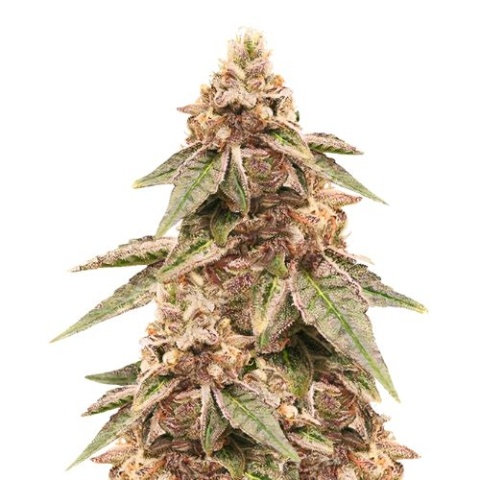 Granddaddy Purple Cannabis SeedsFrom: $24.99
- Northern Lights (Indica)
- Effects: Relaxing, euphoric, and sleep-inducing.
- Uses: Chronic pain, insomnia, and anxiety.
-
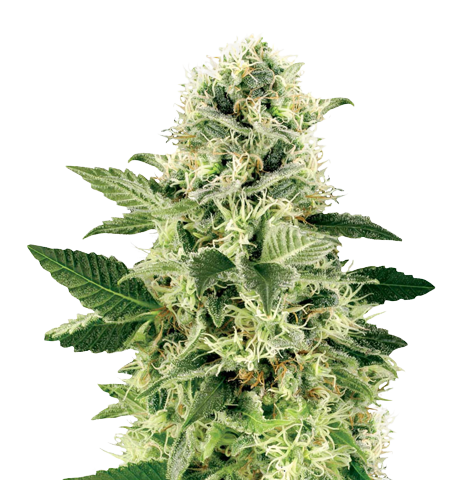 Northern Lights Cannabis SeedsFrom: $24.99
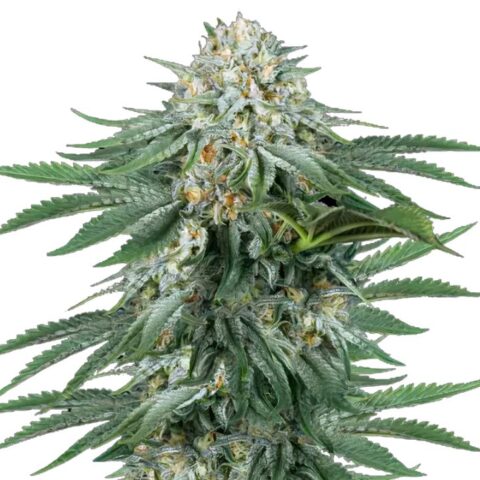
- Bubba Kush (Indica)
- Effects: Heavy sedation, stress relief, and muscle relaxation.
- Uses: Pain relief, stress, and sleep aid.
-
 Bubba Kush Cannabis SeedsFrom: $24.99
2. For Energy and Focus
- Sour Diesel (Sativa)
- Effects: Energizing, uplifting, and cerebral high.
- Uses: Stress, depression, and fatigue.
-
Sour Diesel Cannabis SeedsFrom: $24.99
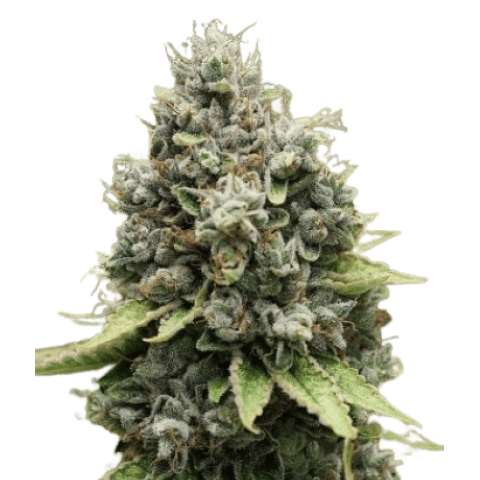
- Jack Herer (Sativa)
- Effects: Clear-headed, creative, and focused.
- Uses: Depression, ADHD, and creativity enhancement.
-
 Jack Herer Cannabis SeedsFrom: $24.99
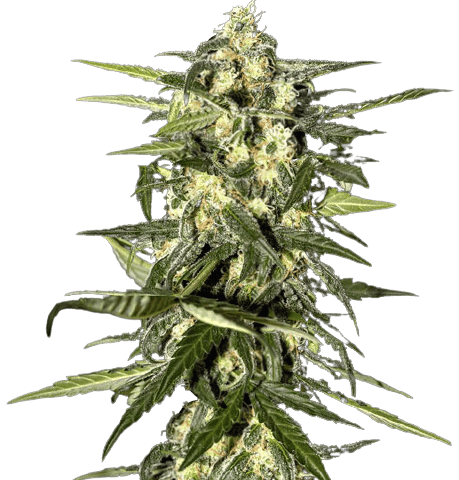
- Green Crack (Sativa)
- Effects: Invigorating, uplifting, and mental clarity.
- Uses: Fatigue, stress, and mood enhancement.
3. For Pain Relief
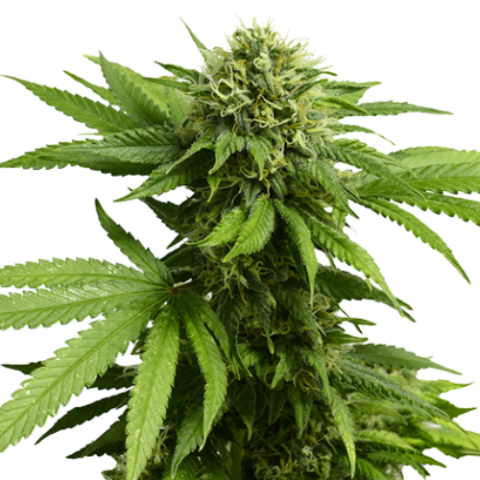
- ACDC (High-CBD Hybrid)
- Effects: Minimal psychoactivity, pain relief, and anti-inflammatory.
- Uses: Chronic pain, inflammation, and anxiety.
-
CBD ACDC Cannabis SeedsFrom: $24.99
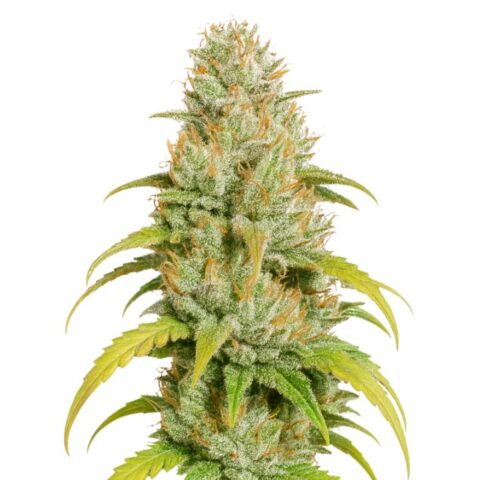
- Harlequin (High-CBD Hybrid)
- Effects: Clear-headed, relaxing, and pain-relieving.
- Uses: Pain relief, anxiety, and muscle spasms.
-
Harlequin CBD Cannabis SeedsFrom: $24.99
- Blue Dream (Balanced Hybrid)
- Effects: Relaxation, pain relief, and gentle euphoria.
- Uses: Chronic pain, stress, and depression.
-
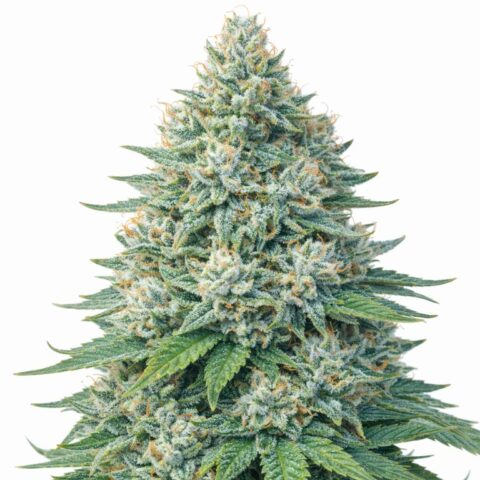
Blue Dream Cannabis SeedsFrom: $24.99
4. For Anxiety and Depression
- Cannatonic (High-CBD Hybrid)
- Effects: Calming, clear-headed, and mood-stabilizing.
- Uses: Anxiety, depression, and pain relief.
-
Cannatonic CBD Cannabis SeedsFrom: $24.99
- Jack Herer (Sativa)
- Effects: Uplifting, creative, and focused.
- Uses: Depression, stress, and mood enhancement.
-
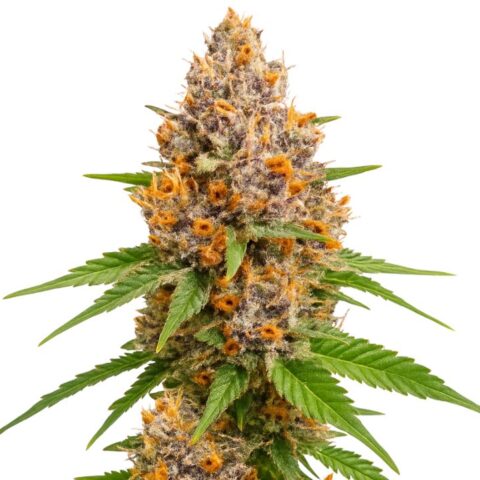
Jack Herer Cannabis SeedsFrom: $24.99
- Girl Scout Cookies (Balanced Hybrid)
- Effects: Euphoric, relaxing, and mood-lifting.
- Uses: Anxiety, depression, and chronic pain.
-
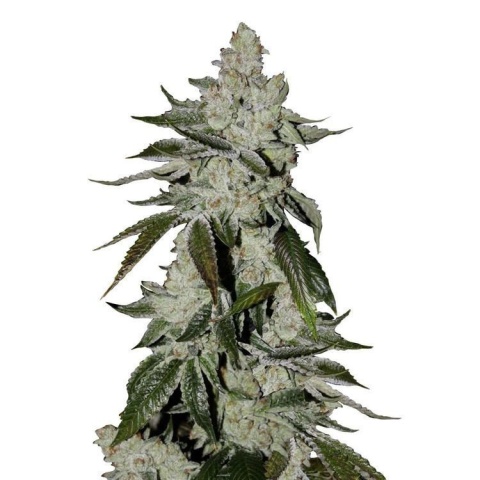
Girl Scout Cookies Cannabis SeedsFrom: $24.99
5. For Appetite Stimulation
- OG Kush (Indica-Dominant Hybrid)
- Effects: Euphoric, relaxing, and appetite-stimulating.
- Uses: Appetite loss, stress, and pain.
-
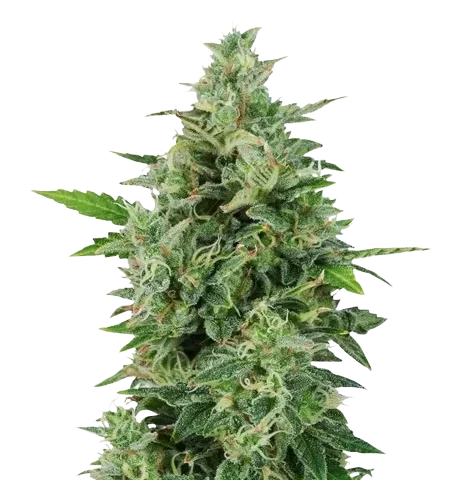
 OG Kush Cannabis SeedsFrom: $24.99
- Purple Kush (Indica)
- Effects: Heavy relaxation, euphoria, and hunger-inducing.
- Uses: Appetite stimulation, insomnia, and pain relief.
-
Purple Kush Cannabis SeedsFrom: $24.99
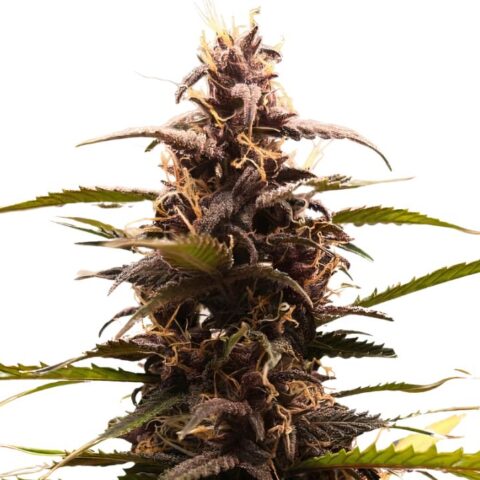
- Pineapple Express (Balanced Hybrid)
- Effects: Uplifting, energizing, and hunger-inducing.
- Uses: Appetite stimulation, depression, and stress.
-
Pineapple Express Cannabis SeedsFrom: $24.99
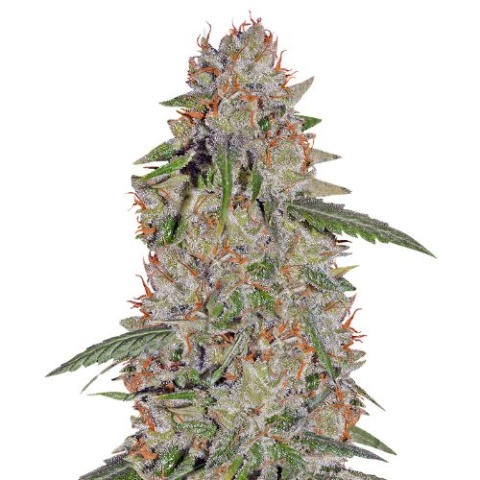
6. For Creativity and Socializing
- Durban Poison (Sativa)
- Effects: Energetic, creative, and uplifting.
- Uses: Creativity, social activities, and daytime use.
-
 Durban Poison Cannabis SeedsFrom: $24.99
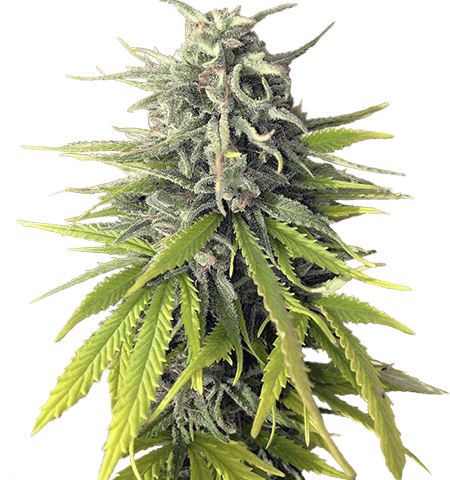
- Tangie (Sativa)
- Effects: Euphoric, uplifting, and creative.
- Uses: Socializing, creativity, and mood enhancement.
-
Tangie Dream Book Cannabis SeedsFrom: $24.99
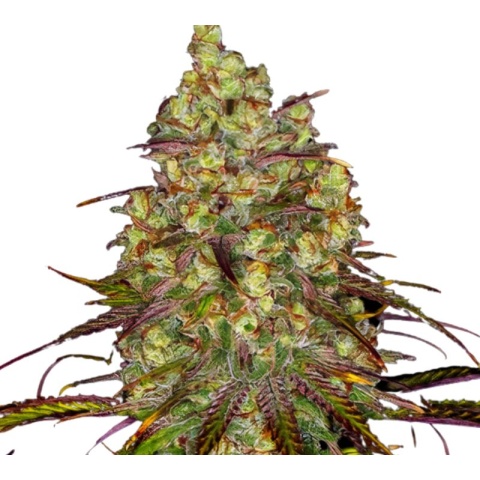
- White Widow (Balanced Hybrid)
- Effects: Euphoric, creative, and social.
- Uses: Social activities, stress relief, and creativity.
-
White Widow Cannabis SeedsFrom: $24.99
Personalized Approach
- Consider Your Tolerance: Start with lower THC strains if you are a beginner or have a low tolerance.
- Desired Effects: Match the strain’s effects with your needs (e.g., relaxation, energy, pain relief).
- Medical Conditions: Choose strains with cannabinoid and terpene profiles suited to your specific medical conditions.
- Consultation: Speak with a knowledgeable budtender or medical professional for personalized recommendations.
By considering these tailored strain recommendations, you can find the right cannabis strain that suits your specific needs and preferences, enhancing your overall experience and therapeutic benefits.
Choosing the Right Cannabis Strain: Potency and Tolerance
Cannabis potency and individual tolerance are crucial factors to consider when selecting a strain. Potency refers to the concentration of cannabinoids, primarily THC and CBD, in the strain. Your tolerance level, which can vary based on your experience with cannabis, personal physiology, and frequency of use, determines how you will react to different potencies. Here’s a detailed guide on how to choose the right cannabis strain based on potency and tolerance:
1. Understanding Potency Levels
- Low Potency: THC content below 10%
- Medium Potency: THC content between 10% and 20%
- High Potency: THC content above 20%
2. Determining Your Tolerance Level
- Beginner: Little to no prior experience with cannabis.
- Intermediate: Moderate experience, using cannabis occasionally.
- Advanced: Regular use with high tolerance.
3. Strain Recommendations Based on Potency and Tolerance
For Beginners (Low Tolerance)
- Characteristics: Lower THC content to minimize psychoactive effects and avoid overwhelming experiences.
- Strain Examples:
- Harlequin (High-CBD, Low-THC Hybrid)
- Effects: Clear-headed, mild relaxation, pain relief.
- Uses: Anxiety, pain relief, and stress.
- ACDC (High-CBD, Low-THC Hybrid)
- Effects: Minimal psychoactivity, relaxation, pain relief.
- Uses: Anxiety, chronic pain, and inflammation.
- Pennywise (Balanced CBD
Ratio)- Effects: Mild euphoria, relaxation, mental clarity.
- Uses: Stress, pain, and anxiety.
- Harlequin (High-CBD, Low-THC Hybrid)
For Intermediate Users (Moderate Tolerance)
- Characteristics: Moderate THC content for balanced effects without overpowering sensations.
- Strain Examples:
- Blue Dream (Balanced Hybrid)
- Effects: Uplifting, relaxing, pain relief.
- Uses: Pain, depression, and stress.
- Girl Scout Cookies (Hybrid)
- Effects: Euphoric, relaxing, and uplifting.
- Uses: Chronic pain, anxiety, and depression.
- Pineapple Express (Sativa-Dominant Hybrid)
- Effects: Energizing, uplifting, creative.
- Uses: Fatigue, stress, and depression.
- Blue Dream (Balanced Hybrid)
For Advanced Users (High Tolerance)
- Characteristics: Higher THC content for more potent effects, suitable for experienced users.
- Strain Examples:
- Sour Diesel (Sativa)
- Effects: Energizing, euphoric, cerebral high.
- Uses: Stress, depression, and fatigue.
- OG Kush (Indica-Dominant Hybrid)
- Effects: Relaxation, euphoria, and appetite stimulation.
- Uses: Pain, stress, and insomnia.
- Girl Scout Cookies (Hybrid)
- Effects: Strong euphoria, relaxation, and mood lift.
- Uses: Chronic pain, nausea, and severe anxiety.
- Sour Diesel (Sativa)
Tips for Managing Potency and Tolerance
Start Low, Go Slow
- Begin with a small dose, especially if trying a new strain or if you have low tolerance.
- Gradually increase the dose as you become more comfortable with the effects.
Consider CBD Content
- Higher CBD strains can help balance the psychoactive effects of THC, providing therapeutic benefits without intense highs.
- Strains like Harlequin and ACDC are great for those seeking relief with minimal psychoactivity.
Use Microdosing
- Microdosing involves consuming very small amounts of cannabis to achieve the desired therapeutic effects without significant intoxication.
- Ideal for beginners or those needing subtle effects for daytime use.
Rotate Strains
- Regularly rotating strains can prevent the development of tolerance, allowing you to continue experiencing desired effects without increasing doses.
Monitor Consumption Frequency
- Regular breaks from cannabis (e.g., a tolerance break) can help reset your tolerance and enhance the effects when you resume use.
Consult Professionals
- Speak with knowledgeable budtenders or medical professionals for personalized advice based on your specific tolerance and desired effects.
By considering your tolerance and the potency of different strains, you can choose a cannabis strain that provides the optimal balance of therapeutic benefits and enjoyable effects without overwhelming your system.
Choosing the Right Cannabis Strain: Personal Preferences
Personal preferences play a significant role in selecting the right cannabis strain. These preferences can include flavor, aroma, consumption method, and the desired experience or effects. Here’s a comprehensive guide to help you choose a cannabis strain based on your personal preferences:
1. Flavor and Aroma Preferences
Cannabis strains offer a wide range of flavors and aromas due to their terpene profiles. Here are some common profiles and corresponding strains:
Fruity and Sweet
- Aroma: Sweet, berry-like, tropical, citrus.
- Strain Examples:
- Blueberry (Indica): Sweet blueberry flavor, relaxing effects.
- Pineapple Express (Sativa-Dominant Hybrid): Tropical, citrusy, uplifting.
- Strawberry Cough (Sativa): Sweet, berry flavor, energizing effects.
Earthy and Woody
- Aroma: Earthy, woody, pine, herbal.
- Strain Examples:
- Northern Lights (Indica): Earthy, sweet, relaxing.
- OG Kush (Indica-Dominant Hybrid): Earthy, pine, relaxing.
- Jack Herer (Sativa): Earthy, pine, uplifting.
Spicy and Peppery
- Aroma: Spicy, peppery, herbal.
- Strain Examples:
- Girl Scout Cookies (Hybrid): Sweet, spicy, euphoric.
- Durban Poison (Sativa): Sweet, spicy, energizing.
- Sour Diesel (Sativa): Pungent, diesel, energizing.
Floral and Herbal
- Aroma: Floral, lavender, herbal.
- Strain Examples:
- Lavender (Indica): Floral, lavender, relaxing.
- Amnesia Haze (Sativa): Citrus, floral, uplifting.
- Harlequin (High-CBD Hybrid): Herbal, earthy, relaxing.
2. Consumption Method Preferences
The method of consumption can significantly influence your experience. Here are some common methods and suitable strain recommendations:
Smoking and Vaping
- Characteristics: Quick onset of effects, allows for easy dose control.
- Strain Examples:
- Blue Dream (Balanced Hybrid): Smooth smoke, balanced effects.
- Green Crack (Sativa): Energizing, uplifting, great for daytime use.
Edibles
- Characteristics: Longer-lasting effects, delayed onset (30 minutes to 2 hours).
- Strain Examples:
- Girl Scout Cookies (Hybrid): Balanced effects, great for potent edibles.
- Northern Lights (Indica): Ideal for relaxing, sleep-inducing edibles.
Tinctures and Oils
- Characteristics: Easy to dose, can be used sublingually or added to food/drinks.
- Strain Examples:
- ACDC (High-CBD Hybrid): Minimal psychoactivity, great for therapeutic use.
- Pineapple Express (Sativa-Dominant Hybrid): Uplifting, great for daytime use.
Topicals
- Characteristics: Applied directly to the skin, used for localized pain relief without psychoactive effects.
- Strain Examples:
- Harlequin (High-CBD Hybrid): Great for pain relief and inflammation.
- Blueberry (Indica): Used for relaxation and muscle relief.
3. Desired Experience or Effects
Your desired experience or effects should guide your strain selection. Here are some common preferences and recommended strains:
Relaxation and Stress Relief
- Strain Examples:
- Granddaddy Purple (Indica): Deep relaxation, stress relief.
- Blue Dream (Balanced Hybrid): Gentle euphoria, stress reduction.
Energy and Creativity
- Strain Examples:
- Sour Diesel (Sativa): Energizing, creative boost.
- Jack Herer (Sativa): Uplifting, focus, and creativity.
Pain Relief
- Strain Examples:
- ACDC (High-CBD Hybrid): Non-psychoactive, pain relief.
- Harlequin (High-CBD Hybrid): Clear-headed pain relief.
Socializing and Euphoria
- Strain Examples:
- Pineapple Express (Balanced Hybrid): Uplifting, social.
- Girl Scout Cookies (Hybrid): Euphoric, social, and relaxing.
Sleep Aid
- Strain Examples:
- Northern Lights (Indica): Sleep-inducing, relaxing.
- Bubba Kush (Indica): Heavy sedation, great for insomnia.
Final Considerations
- Experiment with Small Doses: Start with small doses to gauge your reaction to a new strain, especially if you’re trying different flavors, aromas, or consumption methods.
- Consult with Professionals: Budtenders or medical professionals can provide personalized recommendations based on your specific preferences and needs.
- Keep a Journal: Track your experiences with different strains to better understand what works best for you in terms of flavor, effects, and consumption method.
By considering these personal preferences, you can choose a cannabis strain that enhances your experience and meets your specific needs and desires.
Choosing the Right Cannabis Strain: Consultation and Research
Consulting knowledgeable professionals and conducting thorough research are essential steps in selecting the right cannabis strain for your needs. Here’s a detailed guide on how to make the most of consultations and research:
1. Consulting with Professionals
Budtenders
- Expertise: Budtenders are typically knowledgeable about the strains they sell, including their effects, flavors, and suitable uses.
- Questions to Ask:
- What strains do you recommend for my specific needs (e.g., pain relief, anxiety, creativity)?
- Can you explain the effects and potency of this strain?
- Are there any potential side effects I should be aware of?
- Tips:
- Be honest about your experience level and any medical conditions.
- Ask for suggestions on different consumption methods if you’re unsure which one is best for you.
Medical Professionals
- Expertise: Doctors, especially those specializing in medical cannabis, can provide personalized advice based on your health condition.
- Questions to Ask:
- What strains or cannabinoid ratios would you recommend for my condition?
- Are there any interactions with my current medications?
- How should I dose my cannabis for optimal results?
- Tips:
- Provide a complete medical history to get the most accurate recommendations.
- Follow up with your doctor to monitor the effects and adjust dosages if necessary.
Cannabis Educators and Counselors
- Expertise: Professionals dedicated to cannabis education can offer in-depth knowledge about strains, terpenes, and cannabinoids.
- Questions to Ask:
- What resources can you recommend for learning more about cannabis strains?
- How do different terpenes affect the experience and therapeutic benefits?
- Can you help me design a personalized cannabis regimen?
- Tips:
- Use their resources to deepen your understanding of cannabis and make more informed choices.
- Attend workshops or webinars to stay updated on the latest research and trends.
2. Conducting Research
Online Resources
- Strain Databases: Websites like Leafly, Weedmaps, and AllBud offer comprehensive strain information, including reviews and effects.
- Leafly: Provides strain reviews, effects, flavors, and medical uses.
- Weedmaps: Includes strain details, user reviews, and dispensary locations.
- AllBud: Offers strain profiles, effects, and user ratings.
- Forums and Communities: Platforms like Reddit (e.g., r/trees, r/marijuana) and cannabis-specific forums can provide user experiences and recommendations.
- Reddit: Engage with the community to ask questions and read user experiences.
- Grasscity Forums: Discuss strains, growing tips, and effects with other users.
- Scientific Research: Look for studies and articles on PubMed, NCBI, or other scientific journals for evidence-based information.
- PubMed: Search for peer-reviewed articles on cannabis and cannabinoids.
- NCBI: Access studies on the therapeutic effects of different strains and cannabinoids.
Books and Publications
- Books: Consider reading comprehensive guides on cannabis strains, such as “The Cannabis Encyclopedia” by Jorge Cervantes or “The Medical Marijuana Guide” by Patricia C. Frye.
- The Cannabis Encyclopedia: Detailed information on cultivation, strains, and medical uses.
- The Medical Marijuana Guide: Focuses on medical cannabis, strains, and patient experiences.
- Magazines: Publications like High Times, Cannabis Now, and DOPE Magazine offer articles on the latest trends, strain reviews, and industry news.
- High Times: Features strain reviews, growing tips, and cannabis culture.
- Cannabis Now: Focuses on cannabis news, trends, and strain highlights.
Cannabis Events and Expos
- Cannabis Cups and Festivals: Events like the High Times Cannabis Cup offer the chance to sample and learn about a variety of strains.
- High Times Cannabis Cup: A premier event for sampling top strains and meeting industry experts.
- Expos and Conferences: Attend events like MJBizCon or the Cannabis Science Conference to gain insights from industry leaders and researchers.
- MJBizCon: Major cannabis industry conference with exhibitors and educational sessions.
- Cannabis Science Conference: Focuses on scientific research, lab testing, and medical cannabis.
Making Informed Decisions
- Create a Checklist: Make a list of your priorities (e.g., pain relief, flavor, potency) and use it to guide your research and consultations.
- Sample and Evaluate: Try small amounts of recommended strains and keep notes on their effects and your overall experience.
- Stay Updated: Cannabis is a rapidly evolving field, so stay informed about new strains, research findings, and regulatory changes.
By leveraging professional consultations and conducting thorough research, you can make well-informed decisions and choose the cannabis strains that best meet your needs and preferences.
Conclusion
Choosing the right cannabis strain involves a multifaceted approach that takes into account your specific needs, preferences, and tolerance levels. Here’s a summary of the key points to guide you:
- Purpose of Use: Clearly define whether your use is medicinal or recreational. Select strains that align with your specific goals, such as pain relief, anxiety reduction, or creativity enhancement.
- Cannabinoid Profile: Understand the effects of different cannabinoids like THC, CBD, and others. Choose strains with the appropriate cannabinoid ratios for your desired effects.
- Terpene Profile: Terpenes influence the flavor, aroma, and therapeutic benefits of cannabis. Identify strains with terpene profiles that match your preferences and desired outcomes.
- Strain Type: Familiarize yourself with Indica, Sativa, and Hybrid strains. Select the type that best suits your intended use, whether it’s for relaxation, energy, or a balanced effect.
- Potency and Tolerance: Consider your experience level and tolerance. Start with lower THC strains if you’re a beginner and gradually try higher potency strains as you become more experienced.
- Personal Preferences: Factor in your preferred flavors, aromas, and consumption methods. This enhances your overall cannabis experience and ensures satisfaction.
- Consultation and Research: Utilize the expertise of budtenders, medical professionals, and cannabis educators. Conduct thorough research using online resources, scientific studies, and cannabis literature. Attend events and join communities to stay informed.
By integrating these considerations, you can make well-informed decisions and choose the cannabis strain that best meets your needs. This personalized approach ensures you enjoy the therapeutic and recreational benefits of cannabis to the fullest.
For a complete directory of cultivars, visit our Cannabis Strain Reviews.
