Table of Contents
How to Choose Cannabis Seeds Based on Growing Experience
Choosing the right cannabis seeds is crucial for a successful grow, especially when considering your own experience level. Whether you’re just starting out or have years of cultivation under your belt, your success heavily depends on selecting the right strain, seed type, and genetic stability suited to your environment and skill set.
Understanding the Basics of Cannabis Seeds
Cannabis seeds come in several categories, each with specific traits that affect difficulty, maintenance, and yield. Here are the main types:
1. Regular Seeds
Regular cannabis seeds are natural and unaltered. They can grow into either male or female plants, usually in a 50/50 ratio.
- Best For: Intermediate to advanced growers
- Why: Requires identification and removal of males to prevent pollination and seed production in female plants
- Benefits: Greater genetic stability for breeding
2. Feminized Seeds
These seeds are genetically modified to produce only female plants the ones that yield cannabinoid-rich flowers.
- Best For: Beginners and intermediate growers
- Why: No need to sex plants or risk pollination
- Benefits: Effective utilization of resources and space
3. Autoflowering Seeds
Autoflowers transition from the vegetative to the flowering stage automatically after a few weeks, regardless of light cycle.
- Best For: Beginners or growers with limited time
- Why: Fast growth, minimal intervention, suitable for small grows
- Downsides: Lower yields and potency than photoperiod strains
4. Photoperiod Seeds
These seeds require specific light schedules to initiate flowering (usually 12 hours light/12 hours dark).
- Best For: Intermediate to advanced growers
- Why: More control over growth phases and typically higher yields
For Beginner Growers
If you’re new to cannabis cultivation, ease of growth, resilience, and minimal maintenance should be your top priorities.
Recommended Seed Type
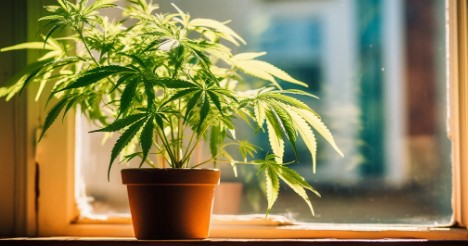
- Autoflowering Feminized Seeds
Traits to Look For
- Fast growth cycle: 8–10 weeks
- Resistant to mold and pests
- Compact size for indoor grows
- Indica-dominant hybrids: Easier to manage, bushier, and more forgiving
Strain Suggestions
- Northern Lights Auto
- Blueberry Auto
- White Widow Feminized
These strains are reliable, resilient, and perform well under less-than-perfect conditions.
Key Considerations
- Environment: Autoflowers thrive indoors or in short outdoor seasons.
- Nutrients: Less feeding required than high-maintenance photoperiods.
- Training: Avoid complex techniques like topping; try Low Stress Training (LST) instead.
For Intermediate Growers
With a few harvests under your belt, you can experiment with photoperiod strains, undertake more aggressive plant training, and possibly dabble in outdoor growing.
Recommended Seed Type
- Feminized Photoperiod Seeds
- Regular Seeds (for learning about breeding and cloning)
Traits to Look For
- Higher cannabinoid content
- Strains responsive to training techniques
- Strains suited to your environment (indoor vs outdoor)
- Sativa-dominant hybrids: More complex structure and vigor
Strain Suggestions
- Amnesia Haze
- Girl Scout Cookies
- Green Crack
- Jack Herer
These strains offer more complexity in growth structure, light sensitivity, and nutrient demands, rewarding the grower with higher yields and better flavor profiles.
Key Considerations
- Lighting: You’ll need control over the light cycle (12/12 to flower).
- Nutrient Schedules: Begin tracking pH, EC, and nutrient ratios.
- Training Techniques: Topping, FIMing, LST, and SCROG are accessible at this level.
For Advanced Growers
Experienced cultivators can experiment with specialized genetics, breeding projects, and high-performance techniques to fine-tune terpenes, cannabinoid content, and phenotypes.
Recommended Seed Type
- Regular Seeds
- Specialty or Landrace Genetics
- High-CBD or High-THCV Strains
- Rare or Exotic Crosses
Traits to Look For
- Genetic stability for cloning or breeding
- Unique terpene profiles
- Uncommon cannabinoid expressions (e.g., high CBG or THCV)
- Challenge and variability (e.g., landraces with environmental sensitivity)
Strain Suggestions
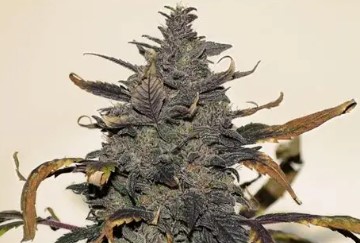
- Malawi Gold (Landrace)
- Panama Red
- Durban Poison
- Cherry Pie
- CBD Therapy (for medical growers)
Key Considerations
- Breeding: Use regular seeds to create your own hybrids or stabilize a phenotype.
- Cloning: Clone photoperiod females with desirable traits.
- Precision Techniques: Utilize advanced nutrient regimens, environmental controls (VPD, CO₂), and grow automation.
Matching Strains to Environment and Skill
Regardless of skill, aligning your strain with your setup is critical:
| Factor | Beginners | Intermediate | Advanced |
|---|---|---|---|
| Lighting | Basic LED or CFL | LED or HPS with timers | Full-spectrum, automated rigs |
| Growing Medium | Pre-mixed soil | Coco coir or soilless mix | Hydroponics or aeroponics |
| Climate Control | Passive ventilation | Active exhaust/intake systems | Full climate control (AC, dehu) |
| Grow Space | Small tent or closet | Grow tents or small rooms | Custom-built rooms or greenhouses |
| Time Commitment | Few hours/week | Daily check-ins, training | Full monitoring, daily adjustments |
Practical Tips for Choosing the Right Seeds
1. Research Breeders
Opt for reputable seed banks with strong genetic histories, customer reviews, and transparency about THC/CBD content.

2. Match THC/CBD Levels to Tolerance
- Beginners: Stay below 20% THC
- Medical growers: Consider CBD-rich strains like ACDC, Harlequin, or Stephen Hawking Kush
3. Check Flowering Time
- Shorter cycles are easier to manage.
- Beginners should avoid long-flowering sativas unless indoors with patience.
4. Start Small
Start with 1–3 plants. It’s easier to learn and manage.
5. Look for Stability
Stable genetics reduce hermaphroditism and unexpected traits, which is especially important for beginners and breeders alike.
Conclusion
Selecting the right cannabis seeds according to your growing experience is essential for maximizing success, yield, and enjoyment. Beginners are best served by fast-growing, autoflowering feminized strains that are hardy and forgiving. Intermediate growers can step into the world of photoperiod strains and explore training techniques, while advanced growers can dive into breeding, landrace cultivation, and cannabinoid specialization.
Understanding your environment, goals, and skill level and matching those to the right seed type and strain characteristics can mean the difference between a disappointing grow and a thriving, bountiful harvest. Take your time in researching, start small, and build your knowledge season by season.
