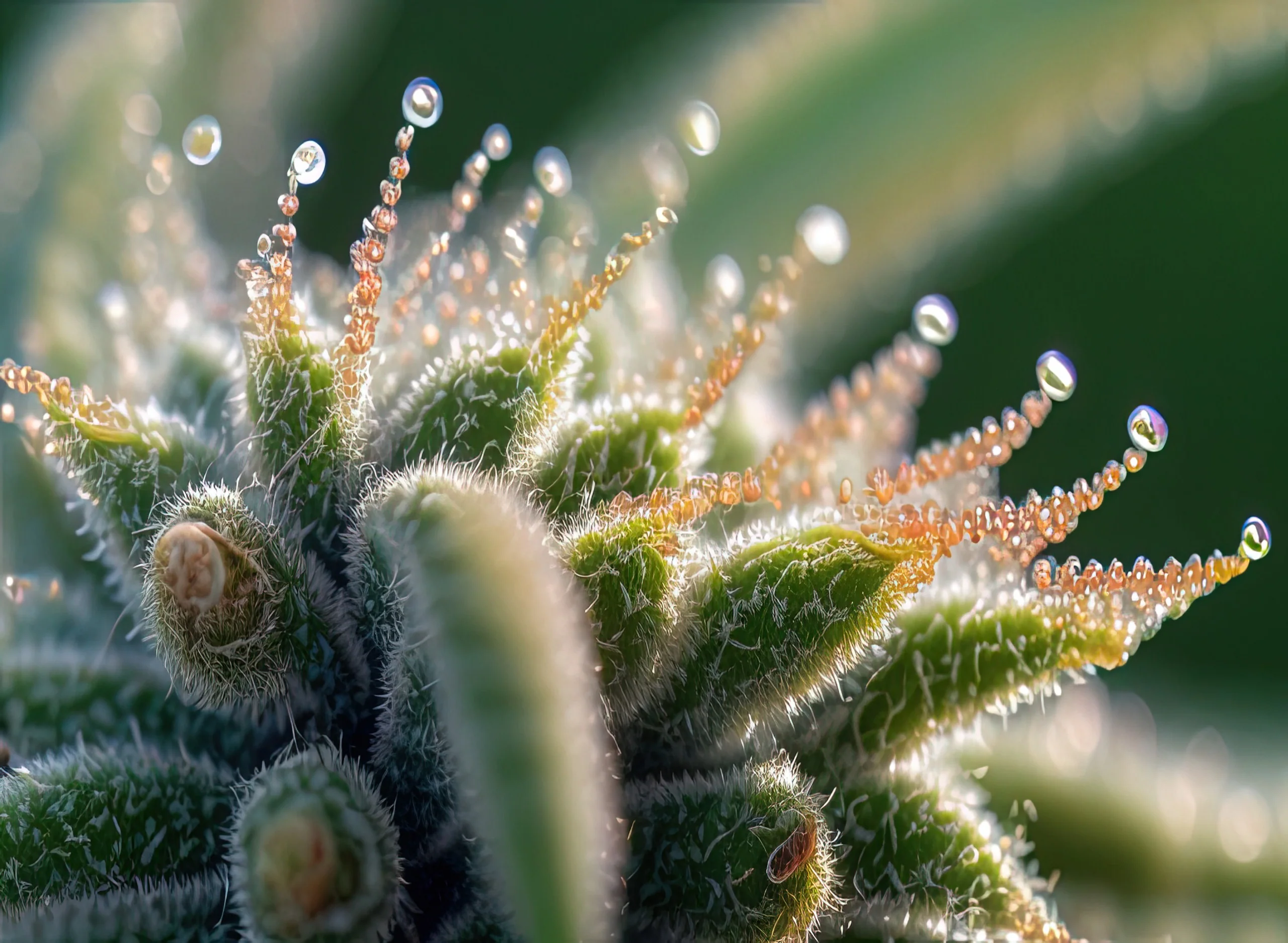
How to Achieve Optimal Trichome Development in Medical Cannabis
Trichomes are the resinous, crystal-like structures found on the surface of cannabis plants. They are critical in medical cannabis cultivation because they contain the majority of the plant’s cannabinoids, terpenes, and other compounds that contribute to its therapeutic properties. Achieving optimal trichome development in medical cannabis ensures a high concentration of these beneficial compounds, thereby enhancing the plant’s medicinal value. This detailed guide explores the factors that influence trichome production, how to enhance it, and why it’s crucial for the medical cannabis industry.
1. Understanding Trichomes in Medical Cannabis
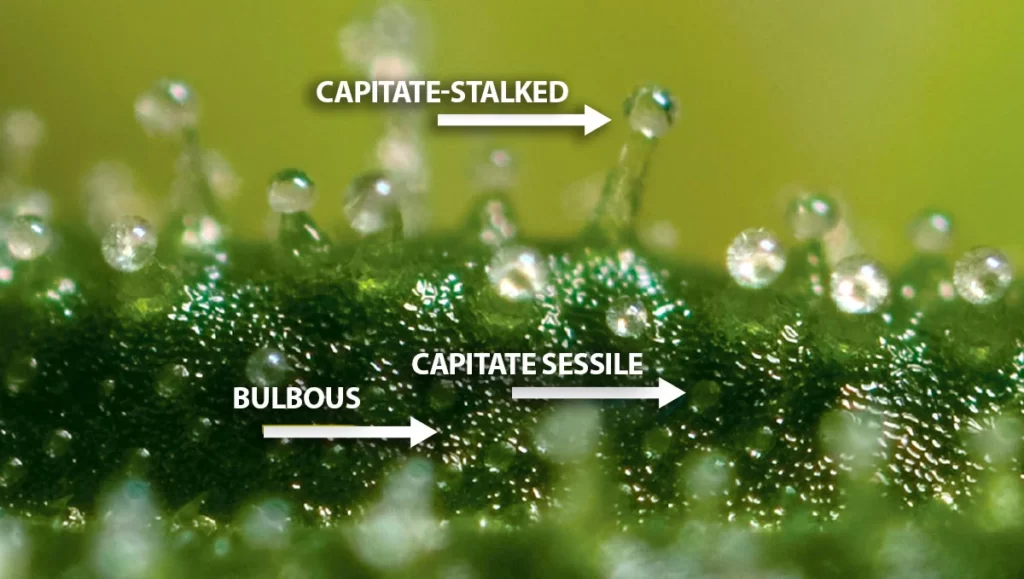
Trichomes are small glandular structures found on the flowers, leaves, and stems of cannabis plants. As a defense strategy, these trichomes shield the plant from UV rays, insects, and herbivores. More importantly, from a medical perspective, trichomes contain the plant’s most valuable chemical constituents: cannabinoids such as THC and CBD, and aromatic compounds known as terpenes. These compounds are essential to cannabis’s ability to cure a wide range of illnesses, including inflammation, anxiety, epilepsy, and chronic pain.
Trichomes come in three primary forms:
- Capitate-stalked trichomes: On cannabis plants, these are the biggest and most prevalent trichomes. They have a stalk and a bulbous gland where most cannabinoids are produced.
- Capitate-sessile trichomes: Slightly smaller than capitate-stalked trichomes, these trichomes lack a stalk but also produce cannabinoids and terpenes.
- Bulbous trichomes: These are the smallest and least significant in terms of cannabinoid production. Despite covering the entire plant, they make up a smaller portion of the total amount of resin produced.
2. Factors Affecting Trichome Development
Several environmental, genetic, and cultivation factors influence the density and quality of trichomes in cannabis plants. The production of trichomes in medicinal cannabis can be greatly increased by comprehending these variables and knowing how to adjust them.
A. Genetics
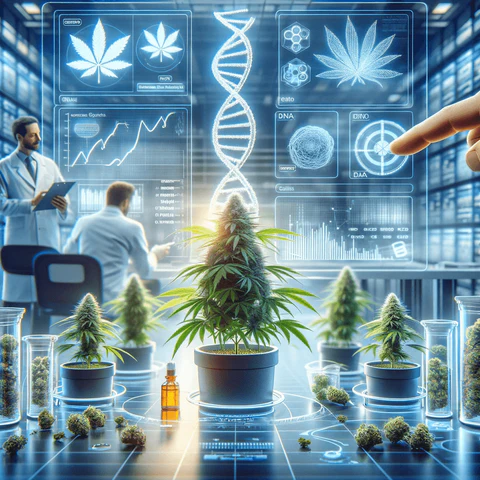
The genetic makeup of the cannabis strain is the foundational factor in determining its potential for trichome development. More trichomes are naturally produced by some strains than by others. Medical cannabis strains bred specifically for high cannabinoid and terpene content tend to have a greater density of trichomes. Examples of such strains include:
- White Widow: Known for its dense layer of trichomes, making it ideal for medical use.
- Girl Scout Cookies (GSC): High in terpenes and THC, it’s frequently used to control stress and relieve pain.
- Sour Diesel: A sativa-dominant strain, often used for medical conditions like depression and anxiety, with abundant trichome coverage.
When selecting a strain for medical purposes, it is essential to choose genetics that have been proven to exhibit high trichome production, as this directly correlates with the plant’s medicinal potency.
B. Light Exposure
Light is one of the most critical factors influencing trichome development. Cannabis plants use light not only for photosynthesis but also to trigger the production of trichomes as a protective mechanism. High-intensity light, particularly in the ultraviolet (UV) spectrum, can stimulate the plant to produce more trichomes to shield itself from potential damage. UV-B light, in particular, has been shown to increase trichome density.
For optimal trichome development, medical cannabis cultivators should consider the following:
- Lighting type: Using full-spectrum LED lights that mimic natural sunlight can enhance trichome production by providing UV-A and UV-B wavelengths.
- Light intensity: Maintaining a light intensity between 700-1000 µmol/m²/s during the flowering stage can optimize photosynthesis and trichome production.
- Photoperiod: During the flowering stage, cannabis plants benefit from 12 hours of light and 12 hours of darkness, which promotes flowering and trichome development.
C. Nutrient Management
Proper nutrient management is essential for ensuring optimal plant health and maximizing trichome production. Different nutrients play various roles in trichome development, and providing the right balance is key.
- Nitrogen (N): Nitrogen is vital during the vegetative stage but should be reduced during flowering to encourage trichome and bud development.
- Phosphorus (P) and Potassium (K): These nutrients are crucial during the flowering stage. Phosphorus supports energy transfer, while potassium helps in nutrient uptake and overall plant health, both contributing to resin and trichome production.
- Micronutrients: Trace elements like magnesium, calcium, and sulfur are also essential. Magnesium is particularly important for chlorophyll production, while calcium supports cell wall strength. Sulfur aids in the synthesis of terpenes and other compounds found in trichomes.
Nutrient deficiencies or imbalances can lead to poor trichome development, so it’s essential to monitor and adjust the nutrient levels throughout the plant’s lifecycle.
D. Temperature and Humidity Control
Temperature and humidity are significant environmental factors that influence trichome production in cannabis plants. Maintaining the correct climate throughout the growing cycle, particularly during the flowering stage, is critical for maximizing trichome development.
- Temperature: During the flowering stage, it is advisable to keep the daytime temperature between 65°F and 80°F (18°C – 26°C). Excessive heat can cause trichomes to degrade, while cooler temperatures can encourage the plant to produce more resin as a protective measure.
- Humidity: Trichome production thrives in environments with controlled humidity. During the flowering phase, maintaining a relative humidity (RH) between 40% and 50% is ideal. Lower humidity levels toward the end of the flowering stage (around 30% to 40%) can help to stress the plant slightly, encouraging further trichome development. However, extreme stress should be avoided to prevent harm to the plant.
E. Stress Induction Techniques
Intentional stress induction, when carefully managed, can stimulate cannabis plants to produce more trichomes. Several stress techniques are used by cultivators to enhance resin production without negatively impacting plant health.
- Low-Stress Training (LST): This technique involves bending and tying down branches to expose more of the plant to light, promoting overall bud development and trichome production.
- Defoliation: Removing fan leaves during the flowering stage allows more light to penetrate the lower parts of the plant, stimulating trichome production in these areas.
- Cold-shock treatment: Exposing the plants to lower temperatures (around 55°F – 65°F or 12°C – 18°C) for the last few days before harvest can encourage the plant to produce more trichomes as a protective response.
F. Harvest Timing
The timing of the harvest is crucial for ensuring optimal trichome potency and quality. Trichomes change color as the plant matures, and their appearance provides important clues about when to harvest for the highest medicinal value.
- Clear trichomes: These indicate that the cannabinoids are still developing. Harvesting at this stage will result in lower potency.
- Milky/cloudy trichomes: This stage signifies peak cannabinoid production, with the highest levels of THC and CBD, depending on the strain. For medical cannabis, harvesting when most trichomes are milky ensures maximum therapeutic effects.
- Amber trichomes: THC starts to break down into the sedative compound CBN (cannabinol) as trichomes turn amber. Some cultivators wait for a percentage of amber trichomes if a more sedative effect is desired for medical use, such as for sleep disorders or anxiety.
Using a magnifying tool, such as a jeweler’s loupe or microscope, to monitor trichome color is a reliable way to determine the best harvest time.
3. Post-Harvest Handling and Preservation of Trichomes
Even after the plants are harvested, preserving trichomes is critical to maintaining the medical efficacy of cannabis. Poor post-harvest handling can lead to trichome degradation and a loss of therapeutic compounds.
A. Drying and Curing
Proper drying and curing are essential for preserving trichome integrity and enhancing the medicinal properties of cannabis.
- Drying: Cannabis should be dried in a dark, cool environment with good airflow and a humidity level between 45% and 55%. The temperature should be kept around 60°F to 70°F (16°C – 21°C). It may take seven to fourteen days to complete this process. Proper drying prevents mold formation while ensuring that the trichomes remain intact.
- Curing: After drying, cannabis buds should be cured in airtight containers (such as glass jars) stored in a cool, dark place. The curing process should last for at least two weeks, during which time the buds should be “burped” (opening the jars briefly to release excess moisture) every day for the first week, and less frequently after that. This process enhances cannabinoid and terpene profiles, maximizing the medical benefits of the final product.
B. Storage Conditions
Proper storage is necessary to preserve trichomes and prevent the degradation of cannabinoids and terpenes over time. Cannabis should ideally be kept in airtight containers in a cool, dark location. Excessive heat, light, and air exposure can cause trichomes to degrade, reducing the medical efficacy of the cannabis.
C. Avoiding Physical Damage
Handling cannabis carefully during the trimming, drying, and curing processes is essential to prevent trichomes from being knocked off the buds. Trichomes are delicate structures, and rough handling can reduce the potency and medical value of the product.
4. The Role of Trichomes in Medical Cannabis Use
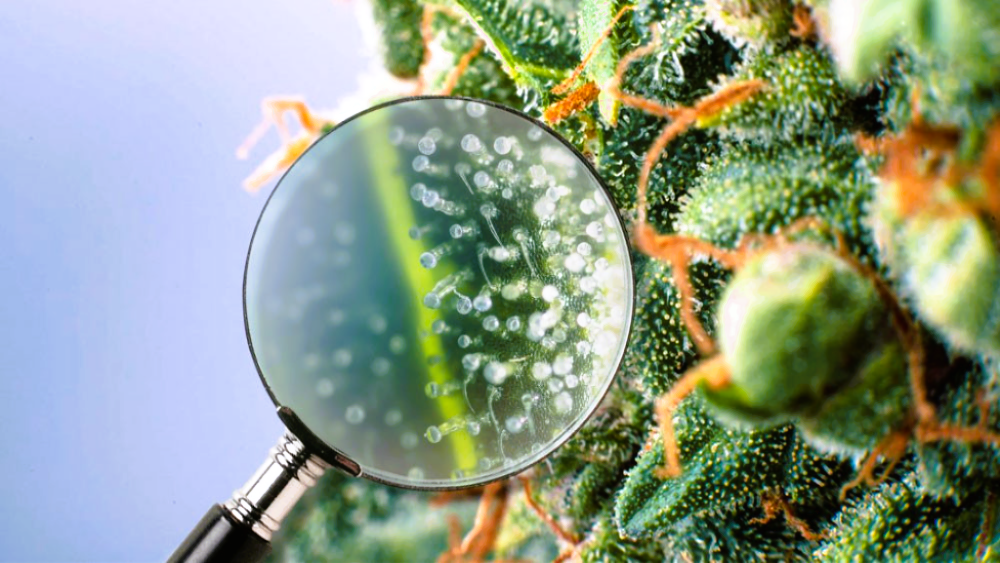
Trichomes are the primary source of cannabinoids, terpenes, and flavonoids in cannabis, which are the compounds responsible for its medical properties. The composition of trichomes can vary significantly depending on the strain and growing conditions, but in medical cannabis, they are typically harvested for their high concentrations of therapeutic compounds such as:
- THC (Tetrahydrocannabinol): Known for its pain-relieving and anti-nausea effects, THC is commonly used in medical cannabis treatments for conditions such as chronic pain, chemotherapy-induced nausea, and glaucoma.
- CBD (Cannabidiol): CBD is widely used in medical cannabis for its anti-inflammatory, anti-seizure, and anxiety-relieving properties. It is particularly effective for conditions such as epilepsy, anxiety disorders, and inflammatory diseases.
- CBN (Cannabinol): A degradation product of THC, CBN has sedative properties and is often used in medical cannabis formulations aimed at treating insomnia and other sleep disorders.
- Terpenes: Terpenes such as myrcene, limonene, and pinene contribute to the therapeutic effects of cannabis by working synergistically with cannabinoids in what is known as the “entourage effect.” For example, myrcene has sedative and muscle-relaxing properties, making it beneficial for patients with chronic pain and insomnia.
Restrictions on Growing and Using Cannabis in the Medical Field
Cannabis has increasingly gained recognition for its medical benefits, yet its use remains tightly regulated due to potential risks, particularly its psychoactive effects. In the medical field, the cultivation and application of cannabis are subject to stringent controls, primarily to ensure that it is used as a treatment of last resort and that psychoactive effects, predominantly from THC (Tetrahydrocannabinol), are minimized for patients. This 600-word guide outlines the restrictions on growing and using medical cannabis, emphasizing the use of cannabis only when necessary and the importance of monitoring THC levels to prevent unwanted psychoactive effects.
1. Medical Cannabis as a Last Resort
In many countries and jurisdictions, medical cannabis is only approved for use when all other conventional treatments have proven ineffective. This concept of “last resort” usage is driven by the potential side effects associated with cannabis, particularly its psychoactive component, THC. Cannabis is frequently prohibited from being given as a first-line treatment for any ailment by governments and medical regulatory agencies.
Medical cannabis is typically used to treat conditions such as:
- Chronic pain (particularly in conditions like cancer, fibromyalgia, and arthritis)
- Epilepsy (especially in treatment-resistant forms such as Dravet syndrome)
- Chemotherapy-induced nausea and vomiting
- Multiple sclerosis (MS) symptoms like spasticity
- Anxiety and post-traumatic stress disorder (PTSD)
The necessity to exhaust other conventional therapies before considering medical cannabis ensures that its use is approached with caution and a clear understanding of the risks and benefits.
2. Restrictions on Growing Cannabis for Medical Use
Cultivating cannabis for medical purposes is highly regulated, with restrictions designed to ensure the safety, quality, and consistency of the plants used for medical treatment. Key restrictions include:
- Licensing and Permits: In most jurisdictions, only licensed cultivators are permitted to grow cannabis for medical use. These licenses are typically issued by government health agencies or medical regulatory bodies, ensuring that the cultivators meet strict standards for production.
- Controlled Environments: Medical cannabis must be grown in controlled environments, such as indoor grow rooms or greenhouses, where factors like light, temperature, humidity, and nutrients are carefully monitored. This is crucial for ensuring that the cannabis plants produce consistent levels of cannabinoids, particularly THC and CBD, which are the primary active compounds.
- Quality Assurance: Cultivators are required to adhere to Good Manufacturing Practices (GMP) to ensure that the cannabis produced is free from contaminants such as pesticides, heavy metals, and mold. Regular testing for potency and purity is a legal requirement to ensure that the end product is safe for medical use.
- Supply Chain Controls: The cultivation, distribution, and sale of medical cannabis are often restricted to approved channels, ensuring that the cannabis reaches patients in a controlled manner and is not diverted for recreational use.
3. Monitoring THC Levels to Prevent Psychoactive Effects
The intoxicating impact of THC is one of the main issues with medical cannabis use. While THC offers therapeutic benefits, such as pain relief and anti-nausea effects, it can also induce unwanted psychoactive effects, such as euphoria, dizziness, anxiety, and confusion, which are undesirable in a medical context.
To minimize these effects, regulatory guidelines often require:
- Low-THC Strains: Medical cannabis treatments typically involve strains with low THC concentrations and high levels of CBD (Cannabidiol), which has therapeutic properties without psychoactivity. CBD can also counteract some of THC’s psychoactive effects, making it a preferred component in medical formulations.
- Dosage Control: Medical cannabis prescriptions often start with the lowest effective dose to avoid unnecessary THC exposure. Physicians monitor patient responses to adjust doses carefully, ensuring symptom relief without causing psychoactive side effects.
- THC Caps: Many medical cannabis programs set maximum allowable THC concentrations in cannabis products. For example, certain jurisdictions limit THC to under 1% for products intended for pediatric or vulnerable patient groups, reducing the risk of psychoactive effects.
- Regular Monitoring and Testing: Medical cannabis products undergo regular laboratory testing to ensure that THC levels are consistent with prescribed doses. Strict monitoring helps avoid unwanted psychotropic effects and guarantees that patients can benefit from cannabis therapy without being impaired.
Conclusion
Optimal trichome development is essential in the cultivation of medical cannabis because trichomes contain the majority of the plant’s therapeutic compounds, including cannabinoids like THC and CBD, as well as terpenes. Achieving robust trichome production ensures that medical cannabis provides maximum potency and efficacy in treating conditions such as chronic pain, epilepsy, and anxiety. Factors such as genetics, light exposure, nutrient management, environmental controls, and stress techniques all play crucial roles in enhancing trichome density and quality. By focusing on these aspects during the cultivation process, medical cannabis growers can produce plants with a higher concentration of the medicinal compounds that patients need.
Proper management of environmental factors such as light intensity, temperature, and humidity is key to stimulating trichome production. Careful nutrient management, especially during the flowering stage, also ensures that plants have the necessary resources to maximize trichome output. Additionally, post-harvest techniques, including drying, curing, and storage, are vital for preserving the integrity of trichomes and maintaining the therapeutic value of cannabis.
However, the cultivation and use of cannabis in the medical field come with significant restrictions to ensure safety and responsible usage. Regulations often stipulate that cannabis should be used as a last resort, only when conventional treatments have been ineffective. This precaution is rooted in concerns over the psychoactive effects of THC, which can impair cognition and cause unwanted side effects, especially in vulnerable patients. Thus, medical cannabis is often cultivated with low-THC and high-CBD strains to minimize these risks.
Strict controls are also placed on the cultivation of medical cannabis, with only licensed growers allowed to produce the plants under tightly regulated conditions. One important component of these limitations is the tracking of THC levels in medical cannabis products. Low THC concentrations are required to avoid psychoactive effects, ensuring that patients receive the medical benefits of cannabis without impairment.
In conclusion, achieving optimal trichome development is a balance of science and regulation. While cultivators focus on enhancing the plant’s therapeutic compounds, they must also adhere to strict guidelines to ensure that cannabis is safe and effective for medical use. This dual focus on cultivation excellence and regulatory compliance is essential for the ongoing development of medical cannabis as a trusted and reliable treatment option for patients worldwide.
