Table of Contents
How much is in a quarter of weed?
Defining a Quarter: Weed Measurements Explained
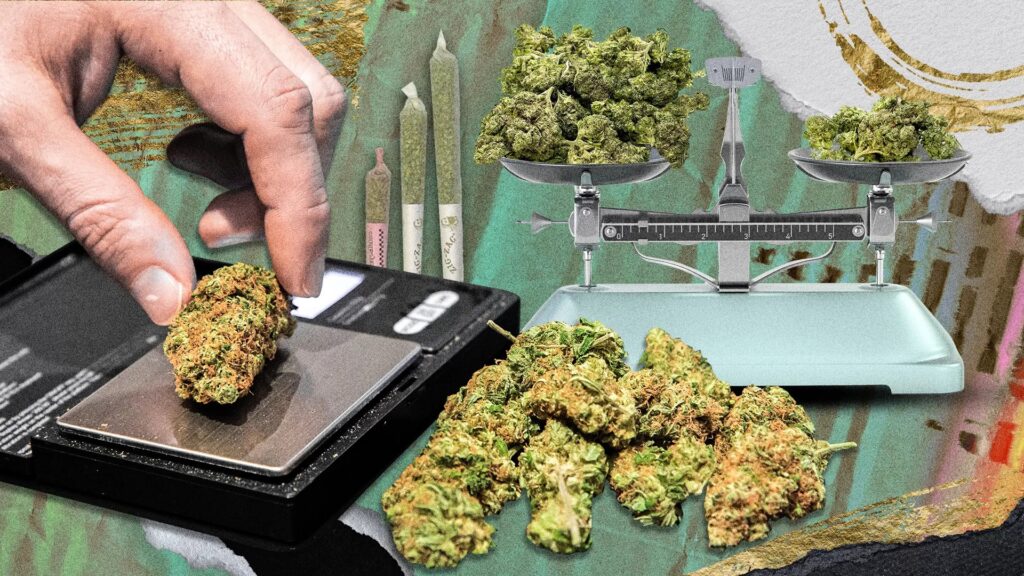
In the cannabis industry, it is crucial for both consumers and sellers to understand standard units of measurement such as “a quarter.” This document provides a detailed explanation of what constitutes a quarter in cannabis terminology, outlines its size relative to other measurements, and discusses its usage within the market.
1. Basics of Cannabis Measurements
Cannabis is typically sold by weight, using primary units such as grams, eighths, quarters, halves, and ounces.
2. Defining a Quarter
In cannabis parlance, a quarter refers to one-quarter of an ounce. Given that an ounce is approximately 28.35 grams, a quarter amounts to roughly 7 grams. This unit is a standard measure across locales where cannabis is legally sold, making it a familiar quantity for transactions.
3. Size Comparison and Typical Use
A quarter of cannabis is considered a moderate amount that offers a balance between cost and volume. It is more substantial than an eighth (approximately 3.5 grams) but less than a half (approximately 14 grams). It suits consumers looking for a quantity that supports multiple uses without the need for frequent purchases.
- Personal Consumption: For personal users, a quarter usually suffices for several sessions, depending on individual usage patterns.
- Value: Buying a quarter can be economical, appealing to regular users seeking a reasonable amount for their needs without buying in bulk.
4. Packaging and Cost Factors
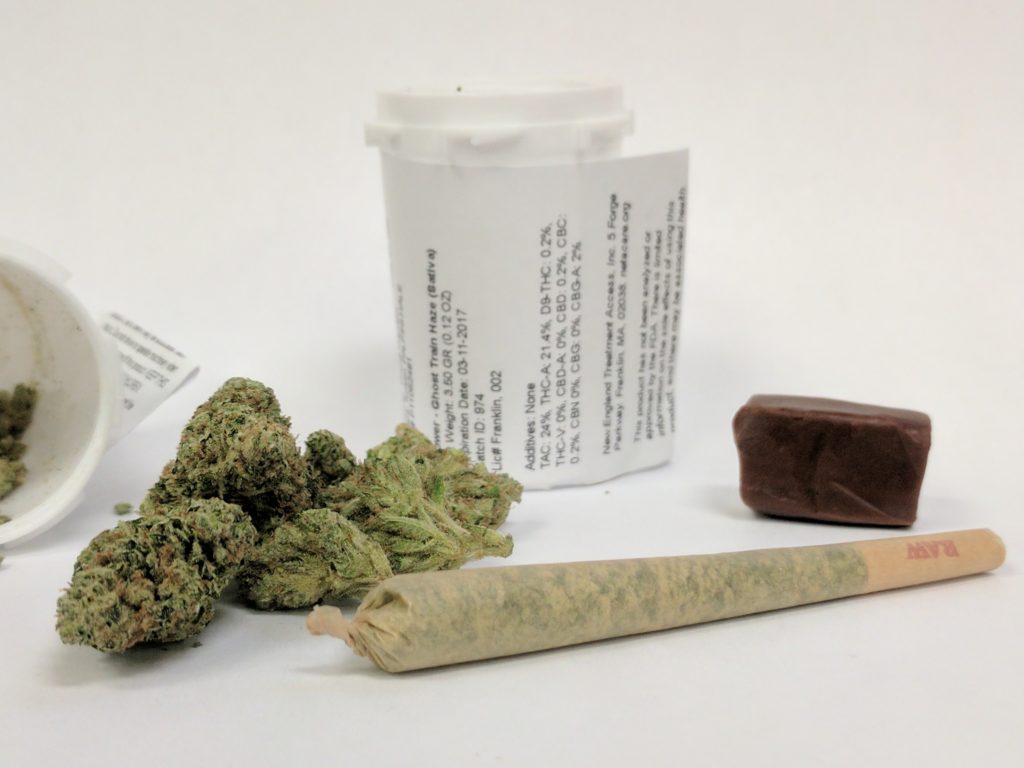
Cannabis sold in quarter ounce increments is typically contained in sealed packaging that includes critical information like weight, strain, THC/CBD content, and provenance. The price of a quarter can vary widely depending on the cannabis quality, strain exclusivity, and regional market dynamics.
- Pricing Variability: The cost of a quarter may change based on dispensary pricing, product quality, and local supply and demand factors.
5. Regulatory and Legal Frameworks
In jurisdictions where cannabis sale is legalized, selling a quarter is regulated, requiring adherence to specific standards concerning packaging, labeling, and taxes. It is imperative for both consumers and vendors to understand and comply with these regulations to ensure legality of all transactions.
6. Conclusion
Understanding the measurement of a quarter in the cannabis context is vital for knowledgeable and responsible engagement in the market. It is a prevalent choice that offers practicality and meets diverse consumer needs. As the cannabis market matures, familiarity with these measurements will help facilitate informed purchasing and selling decisions, enhancing compliance and consumer satisfaction.
Weight and Conversion: Understanding the Metrics of a Quarter Ounce
In the cannabis industry, accurate measurement is crucial for ensuring correct usage and adhering to legal regulations. A quarter ounce is a commonly used measurement that strikes a balance between quantity and manageability. This document elucidates the specifics of weight and conversion for a quarter ounce of cannabis, offering essential insights for consumers, retailers, and medical professionals to facilitate a better understanding and application in various scenarios.
1. Common Cannabis Measurements
Cannabis is typically marketed and sold by weight, with prevalent units including grams, eighths, quarters, halves, and ounces. Among these, a quarter ounce is a practical option that offers a reasonable amount for regular users.
2. Explanation of a Quarter Ounce
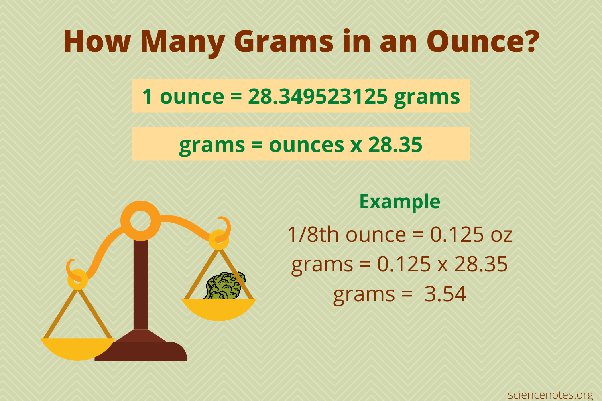
A quarter ounce, expressed as ¼ ounce, is equivalent to about 7 grams. This unit is derived from the standard ounce, which is internationally accepted as 28.35 grams, making a quarter ounce roughly one-fourth of an ounce.
3. Detailed Conversions
Converting a quarter ounce into grams and milligrams is vital for ensuring precise dispensing, especially important in medical cannabis use:
- Grams: A quarter ounce directly converts to approximately 7 grams. This simplification from the precise 7.0875 grams facilitates easier transactional processes.
- Milligrams: Converting a quarter ounce to milligrams yields about 7,000 milligrams, which is useful for exact dosing requirements in medical contexts.
4. Utilization Insights
Choosing a quarter ounce is popular among habitual cannabis users for its economic and practical advantages. It provides:
- Sustained Supply: Adequate for prolonged personal use, depending on individual consumption habits.
- Cost Efficiency: Typically offers a lower price per gram compared to smaller amounts, making it a financially sensible choice for frequent users.
5. Packaging and Accurate Labeling
Proper packaging and precise labeling are essential, particularly in areas with stringent cannabis regulations. Quarter ounce packages must clearly state the weight and include security features to ensure product integrity and consumer safety.
6. Legal and Regulatory Implications
In areas with legalized cannabis, transactions involving a quarter ounce are governed by specific laws. These regulations often stipulate the maximum amount a person can purchase or possess at one time and may impose taxes based on the product’s weight.
7. Conclusion
A quarter ounce is a fundamental measurement in the cannabis sector, combining adequacy and manageability. A thorough understanding of the weight and conversion metrics associated with a quarter ounce is crucial for precise dealings, compliance with regulatory frameworks, and consumer satisfaction in both recreational and medicinal applications. As the cannabis market evolves, the role of established measurements like the quarter ounce continues to grow in importance, underpinning the integrity of the market and trust among consumers.
Price Factors: What Influences the Cost of a Quarter?
Comprehending the diverse factors that affect the price of a quarter ounce of cannabis is crucial for consumers, retailers, and regulators within the cannabis market. This document discusses the complex elements that influence the pricing of a quarter ounce, offering detailed insights to assist stakeholders in making informed decisions.
1. Quality and Potency of Cannabis
The quality and potency are primary determinants in the pricing of cannabis. Premium strains, known for their robust cannabinoid profiles, aromatic terpenes, and unique genetics, demand higher prices due to their enhanced effects and the more intensive cultivation they require.
- Cannabinoid Content: Varieties with higher levels of THC or CBD often carry a premium due to their stronger effects or medicinal properties.
- Cultivation Methods: Cannabis cultivated under optimal conditions with sophisticated farming techniques tends to be of higher quality, thus fetching a higher price.
2. Supply and Demand Dynamics
Economic principles of supply and demand significantly shape cannabis pricing. Legal regulations affecting supply directly influence price fluctuations.
- Seasonal Supply Fluctuations: The availability of cannabis, particularly from outdoor grows, can vary seasonally, affecting prices.
- Production Caps: Regulatory limits on the amount of cannabis that can be grown or stocked can restrict supply and increase prices.
3. Regulatory and Tax Implications
Regulations and taxation also play crucial roles in setting the final consumer price of cannabis.
- Excise Taxes: Specific taxes imposed on cannabis products can markedly raise their final retail price, often used to support regulatory activities and public health programs.
- Regulatory Compliance Costs: Expenses incurred from adhering to regulations in cultivation, processing, and distribution are typically passed onto consumers.
4. Geographic Factors
The price of cannabis can also vary based on its geographic location, influenced by local legislation, transportation costs, and the competitive landscape.
- Logistics Costs: Prices may increase in regions distant from cultivation sites due to higher transportation and logistical expenses.
- Market Competition: Areas with numerous dispensaries or growers might see more competitive pricing due to market saturation.
5. Branding and Packaging
The way cannabis is branded and packaged can influence its price, with premium branding and innovative packaging often leading to higher costs.
- Brand Reputation: Established brands known for consistent quality and reliability can command higher prices.
- Packaging Quality: Advanced packaging solutions that enhance product preservation, safety, or user experience can add to the overall cost.
6. Conclusion
The cost of a quarter ounce of cannabis is shaped by a myriad of factors, ranging from the intrinsic quality of the product to external market and regulatory influences. For those involved in the cannabis industry, understanding these factors is key to navigating the market effectively. Keeping abreast of these dynamics is essential for both consumers looking to make cost-effective purchases and industry players aiming to set strategic prices in a competitive market.
Comparing Quantities: Quarter vs. Gram, Eighth, and Ounce
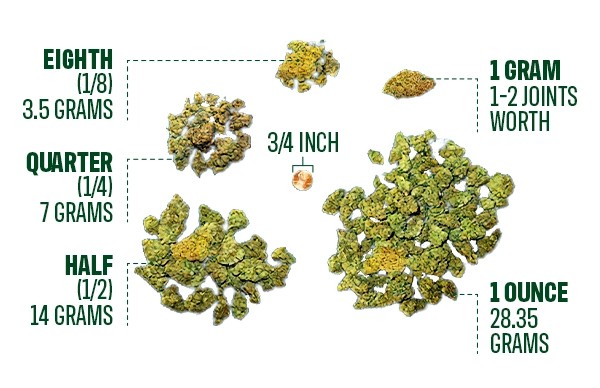
Navigating cannabis quantities is essential for consumers and retailers alike, as it affects purchasing decisions, consumption patterns, and regulatory compliance. This document offers a comprehensive examination of the primary cannabis measurements gram, eighth, quarter, and ounce highlighting their differences to aid stakeholders in making informed choices.
1. Standard Cannabis Measurements
Cannabis is sold by weight, with grams, eighths, quarters, and ounces being the most common units:
- Gram: The fundamental unit for cannabis. Ideal for those who want to purchase small quantities or try different strains affordably.
- Eighth: Equals 3.5 grams. This amount suits casual users who need a reasonable quantity that lasts for a few sessions.
- Quarter: At about 7 grams, a quarter is typically preferred by regular users. It offers a better price per gram ratio than smaller amounts, making it a popular choice.
- Ounce: Approximately 28 grams, an ounce is for serious users or those who prefer bulk buying to maximize cost-efficiency and reduce purchase frequency.
2. Comparative Pricing
As the amount of cannabis purchased increases, the price per gram generally decreases:
- Grams and Eighths: These smaller quantities are more accessible but tend to be priced higher per gram compared to larger amounts.
- Quarters: Quarters provide a middle ground, offering significant savings per gram over buying several grams or eighths.
- Ounces: Typically, the cost per gram when buying an ounce is the lowest, reflecting the economic benefits of bulk purchasing.
3. Appropriate Quantities for Different Users
Choosing the right quantity whether it’s a gram, eighth, quarter, or ounce depends largely on the user’s frequency and purpose of consumption:
- Grams: Best for those experimenting with new strains, occasional users, or those who consume infrequently.
- Eighths: Suitable for regular but moderate users, providing enough cannabis for regular use without excessive surplus.
- Quarters: Ideal for frequent users looking for a balance between quantity and handling fewer transactions.
- Ounces: Optimal for heavy users or medicinal consumers who require a steady supply of cannabis.
4. Legal and Regulatory Impact
The legal landscape can influence how much cannabis a person is allowed to buy or possess at one time, affecting the availability of certain quantities. Both consumers and retailers need to stay informed about these regulations to ensure they remain within legal limits.
5. Conclusion
An understanding of the various cannabis quantities and their corresponding advantages is crucial for optimizing both consumer satisfaction and business operations. Retailers can better accommodate customer preferences and manage their stock effectively by appreciating the nuances between different cannabis measurements. As the cannabis market matures, clarity in these measurements will continue to play a crucial role in enhancing consumer experiences and ensuring compliance with regulatory standards.
Purchasing Tips: How to Get the Best Value for a Quarter
Navigating the cannabis market to secure the best value for a quarter ounce involves understanding market dynamics, recognizing quality, and making informed buying decisions. This document provides strategic advice to help consumers obtain the most value when purchasing a quarter ounce of cannabis, focusing on quality, cost, and vendor selection.
1. Market Knowledge
A thorough understanding of the cannabis market is essential for making informed purchases:
- Price Comparison: Regularly check prices across various dispensaries or suppliers to understand the typical cost for a quarter ounce. Utilize online resources and local dispensary listings to stay updated on prices and offers.
- Quality Assessment: Learn to recognize high-quality cannabis, which typically features a rich aroma, sticky feel, and abundant trichomes. High-quality cannabis not only delivers superior effects but also ensures you receive fair value.
2. Selecting a Dispensary
The choice of dispensary is crucial in obtaining quality cannabis at a fair price:
- Reputation: Favor dispensaries with a reputation for quality and customer satisfaction. Consult reviews and customer feedback to evaluate the reliability and quality of products offered by the dispensary.
- Variety of Products: Opt for dispensaries that offer a diverse selection, which can lead to better quality choices and competitive pricing for quarters.
- Expertise of Staff: Knowledgeable staff can guide you to the most cost-effective and high-quality options available.
3. Timing and Promotions
The timing of your purchase can impact the price and value obtained:
- Special Offers: Look for discounts, promotional deals, or loyalty programs, which can substantially reduce the cost of a quarter ounce.
- Bulk Purchases: Evaluate if purchasing a larger quantity, like a half ounce, may offer better savings per gram than two separate quarters.
4. Product Freshness
The condition and freshness of cannabis are directly tied to its effectiveness:
- Packaging Date: Whenever possible, check the date on the packaging to ensure freshness. Fresher cannabis tends to provide a better consumption experience.
- Storage Quality: Ask about how the cannabis has been stored, as proper storage helps preserve its quality and potency.
5. Building Relationships
Establishing a strong relationship with your dispensary can lead to benefits over time:
- Regular Patronage: Frequent visits can lead to access to special discounts or early notifications about sales.
- Staff Interaction: A friendly relationship with dispensary staff can yield personalized advice and recommendations that match your budget and preferences.
6. Adherence to Regulations
Ensure all purchases conform to the legal guidelines in your area, including limits on possession, age requirements, and buying restrictions.
7. Conclusion
Securing the best value for a quarter ounce of cannabis requires more than just seeking the lowest price it necessitates a strategic approach, including understanding market trends, recognizing product quality, and choosing the right dispensary. By applying these guidelines, consumers can enhance their purchasing strategy, ensuring they acquire top-quality cannabis that fits their budget and usage needs. As consumer needs and the cannabis industry evolve, maintaining an informed and flexible approach will be key to achieving the best value in your cannabis purchases.
Typical Uses: What Can You Do with a Quarter of Weed?
Purchasing a quarter ounce of cannabis is frequently chosen for its practical balance between affordability and usability, serving a variety of purposes from personal enjoyment to medicinal relief. This document delves into the common uses of a quarter ounce of cannabis, shedding light on how this amount can be effectively utilized across different scenarios by consumers ranging from recreational enthusiasts to medical patients.
1. Personal Usage
A quarter ounce of cannabis is particularly suitable for personal consumption, providing a sufficient quantity for regular use without the need for frequent resupply:
- Consistent Use: Ideal for individuals who consume cannabis regularly, a quarter ounce typically lasts between one to two weeks, depending on personal consumption habits and methods.
- Versatile Consumption Options: This quantity allows users to experiment with different consumption methods, such as smoking, vaping, or creating edibles, without committing to a larger, more expensive amount.
2. Social Use
A quarter ounce is also well-suited for social settings, facilitating sharing and enjoyment among groups:
- Group Sessions: It offers enough cannabis for several people to partake in joint sessions or communal vaping during gatherings.
- Social Events: Bringing a quarter ounce to social events ensures there is plenty to share, enhancing the social experience.
3. Medicinal Applications
For those using cannabis for health reasons, a quarter ounce provides a dependable quantity that supports effective symptom management:
- Regular Medication: Medical users rely on a steady supply of cannabis to manage conditions such as chronic pain or anxiety, and a quarter ounce allows for consistent dosing over time.
- Dosage Adjustment: Patients can adjust their doses based on treatment response, with enough cannabis to fine-tune their regimen under medical supervision.
4. Culinary Uses
Cannabis connoisseurs who enjoy making edibles find a quarter ounce ideal for infusing into various culinary creations:
- Infusion Projects: This quantity is ideal for creating multiple batches of cannabis-infused butter or oil, which can be incorporated into a wide range of recipes, from sweet treats to savory meals.
- Culinary Experiments: The quarter ounce affords the opportunity to experiment with new recipes without the risk of depleting supplies too quickly.
5. Creative and Therapeutic Projects
For those interested in more innovative uses, a quarter ounce can be transformed into various homemade cannabis products:
- Therapeutic Topicals: Users can create cannabis-infused topicals such as creams and balms for localized relief without psychoactive effects.
- Homemade Tinctures and Extracts: Suitable for crafting tinctures and extracts, a quarter ounce allows for precise control over dosage and potency when added to foods, drinks, or used directly.
6. Conclusion
The quarter ounce of cannabis stands out for its broad utility, catering to diverse needs from daily personal use to special social occasions, medical treatment, and beyond. Its versatility makes it a popular choice among a wide array of cannabis users, ensuring that each purchase meets a high level of satisfaction and utility. Understanding these applications can guide consumers in selecting the amount of cannabis that best aligns with their lifestyle and needs, optimizing both value and effectiveness.
Storage Tips: Keeping a Quarter Fresh
Proper storage is crucial for maintaining the potency, aroma, and overall quality of cannabis. For those purchasing a quarter ounce, implementing effective storage techniques is key to preserving these attributes. This document provides comprehensive guidelines on the best practices for storing a quarter ounce of cannabis, ensuring optimal freshness and longevity.
1. Effects of Environmental Factors on Cannabis
Certain environmental conditions can deteriorate the quality of cannabis if not adequately controlled:
- Light: Direct sunlight and other forms of light can break down essential cannabinoids and terpenes.
- Air: Excess exposure to air can lead to the oxidation of cannabinoids, speeding up the degradation process.
- Moisture: Humidity can foster mold and mildew growth on cannabis, whereas low moisture levels can cause the product to become dry and brittle.
- Temperature: High temperatures might dry out cannabis and reduce its potency, while very low temperatures could alter its physical properties.
2. Ideal Storage Solutions
Selecting an appropriate storage container is essential for maintaining cannabis quality:
- Airtight Glass Jars: Glass containers with airtight seals are highly recommended because they prevent moisture and air exchange.
- UV-Protective Containers: Using containers that shield cannabis from UV light is beneficial for protecting against cannabinoid degradation.
- Humidity Controls: Incorporating humidity control solutions, such as specialized humidity packs, helps maintain an optimal humidity level (typically 59% to 63%) and ensures freshness.
3. Optimal Storage Environment
To ensure the preservation of cannabis, adhere to the following storage environment recommendations:
- Cool and Dark Locations: Store cannabis in a cool, dark environment away from sunlight and heat, such as a cabinet or closet, ideally at temperatures between 60°F and 70°F (15°C and 21°C).
- Consistent Temperature: Avoid placing cannabis in areas subject to temperature fluctuations, like near appliances or inside vehicles.
- Secure and Discreet: Keep cannabis storage locations secure and out of reach of children and pets, while also maintaining discretion for privacy and safety.
4. Handling Best Practices
Proper handling practices contribute significantly to the longevity and quality of cannabis:
- Limited Touch: Minimize direct contact with cannabis to prevent damage to the delicate trichomes.
- Regular Cleaning: Keep storage containers clean by regularly removing any residue or debris to prevent contamination and preserve the flavor and quality of the cannabis.
5. Conclusion
Effective storage of a quarter ounce of cannabis is vital for safeguarding its quality and extending its usability. By understanding and mitigating environmental risks through proper storage containers and conditions, consumers can significantly enhance the durability and enjoyment of their cannabis. These guidelines not only protect the consumer’s purchase but also ensure consistent quality with every use.
Legal Considerations: Buying and Possessing a Quarter of Weed

Navigating the legal environment for cannabis involves understanding specific regulations concerning the purchase and possession of a quarter ounce. This document provides detailed insights into the legal requirements, potential penalties for non-compliance, and the importance of abiding by state and local laws when engaging with cannabis.
1. Regulatory Landscape
The legality of cannabis varies widely across regions, with some permitting both recreational and medicinal use and others upholding strict prohibitions. Within areas where cannabis is legal, several regulatory elements are commonly enforced:
- Age Requirements: In most legal cannabis markets, sales are limited to individuals who are 21 years of age or older, requiring a valid, government-issued identification at the point of purchase.
- Purchase Restrictions: Jurisdictions often set limits on how much cannabis can be bought at one time. Generally, a quarter ounce falls within these limits, but local rules can vary.
- Possession Limits: There are also limits on how much cannabis a person can legally hold, which consumers need to understand and respect.
2. Purchasing from Licensed Dispensaries
Legally acquiring cannabis from licensed dispensaries is essential in regulated markets:
- Licensed Vendors: It is mandatory to purchase cannabis from outlets that have official state or local authorization, ensuring adherence to safety, quality, and regulatory standards.
- Transaction Records: Keeping receipts or documentation of cannabis purchases can be important for verifying the legality of the transaction and the quantity purchased if ever questioned.
3. Transport and Usage Laws
Laws also govern the transportation and consumption of cannabis:
- Transport Regulations: Legally, cannabis should be transported in sealed, inaccessible containers within vehicles, akin to open alcohol container laws.
- Usage Restrictions: Public consumption of cannabis is generally prohibited, with legal use typically confined to private properties, outside of any public view.
4. Interstate and International Considerations
Carrying cannabis across different jurisdictions can lead to serious legal challenges:
- Interstate Travel: Federal laws prevent the transportation of cannabis across state lines, even between two states where cannabis is legalized.
- International Travel: Carrying cannabis across international borders is illegal and subject to severe penalties as it remains classified as a controlled substance globally.
5. Potential Legal Consequences
Violating cannabis regulations can result in substantial penalties, including fines, criminal charges, or even imprisonment, depending on the nature of the violation and the amount of cannabis involved.
6. Conclusion
For those buying or possessing a quarter ounce of cannabis, a thorough understanding of relevant local and state regulations is crucial. Adhering to these laws is essential to avoid legal complications and ensure responsible use of cannabis. As cannabis legislation continues to evolve, staying updated through reliable sources and seeking legal counsel when necessary is vital for ensuring lawful engagement with cannabis. This proactive legal awareness not only safeguards individuals but also contributes to the ethical consumption and handling of cannabis within the community.
Common Strains Available in Quarter Ounces
Cannabis enthusiasts often choose their products based on strain, as each strain offers distinct effects and benefits. Purchasing cannabis in quarter ounce increments allows users to explore a variety of strains without committing to larger volumes. This document provides an in-depth look at some popular cannabis strains that are frequently available in quarter ounce sizes, highlighting their unique characteristics and potential effects to help consumers make well-informed choices.
1. Sativa Strains
Known for their uplifting effects, sativa strains are favored for daytime use due to their ability to enhance creativity, increase focus, and promote a sense of well-being.
- Sour Diesel: This strain is prized for its energizing cerebral effects and quick onset, making it ideal for alleviating stress and fatigue.
- Jack Herer: Named after the famous cannabis activist, this strain delivers a blissful, clear-headed high and is commonly used to alleviate symptoms of depression and enhance appetite.
2. Indica Strains
Indica strains are generally associated with more relaxing effects, making them suitable for evening or nighttime use. These strains are chosen for their ability to aid relaxation and sleep.
- Granddaddy Purple: Recognizable by its purple flowers, this strain combines cerebral euphoria with physical relaxation, commonly used for pain relief and sleep aid.
- Blueberry: Known for its sweet aroma and flavor, Blueberry induces a long-lasting euphoric and calming effect, popular for stress relief and pain management.
3. Hybrid Strains
Hybrids blend sativa and indica genetics to create strains that offer balanced effects or emphasize specific benefits of either type.
- Blue Dream: A sativa-dominant hybrid, Blue Dream is known for its mild cerebral stimulation and soothing body relaxation, beneficial for treating anxiety, depression, and pain.
- OG Kush: This hybrid is celebrated for its potent euphoric and relaxing effects that effectively alleviate stress, making it a mainstay in the medicinal cannabis community.
4. CBD-Dominant Strains
Strains with high CBD and low THC are sought after by those looking for the therapeutic benefits of cannabis without intense psychoactive effects.
- Charlotte’s Web: Famous for its high CBD content, this strain is primarily utilized for managing seizures, anxiety, and pain, offering relief without strong psychoactivity.
- ACDC: With a high CBD to THC ratio, ACDC is favored for its effectiveness in treating pain, anxiety, epilepsy, and even some chemotherapy side effects, allowing users to maintain mental clarity.
5. Conclusion
Quarter ounces offer a practical way for both novice and experienced cannabis users to sample and discover the optimal strains for their personal or medical needs. By recognizing the distinct properties and benefits of these popular strains, consumers can customize their choices to better align with their lifestyle and health needs. As consumer demand for variety grows, the availability of diverse strains in quarter ounce packages continues to cater to a broad range of preferences and needs, ensuring users have access to quality and variety in their cannabis choices.
