Table of Contents
How much is an ounce of marijuana
The price of an ounce of marijuana can vary significantly based on multiple factors such as geographical location, quality and strain of the cannabis, legal status, supply and demand, taxation, and whether it is purchased through legal or illicit means. Understanding these nuances can help both medical patients and recreational users make informed decisions.
What Is an Ounce of Marijuana?
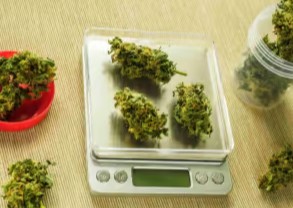
An ounce of marijuana refers to approximately 28.35 grams of dried cannabis flower. This is a standard unit of measurement commonly used for bulk purchases, and it is the maximum amount allowed for personal possession in many jurisdictions with legal cannabis laws. One ounce can yield roughly:
- 60–100 joints, depending on size
- 20–40 bowls, depending on packing density
- Several days to weeks of use, depending on the consumer’s tolerance and frequency
Average Cost of an Ounce by Market
1. United States (Legal Markets)
In states where recreational cannabis is legal (e.g., California, Colorado, Oregon), the price of an ounce generally ranges between $100 and $300 depending on:
- Mid-grade flower: ~$100–$150/oz
- High-grade/top-shelf strains: ~$200–$300/oz
- Discounted/older stock: Sometimes as low as $80/oz
Some notable averages:
- California: ~$160–$250/oz
- Colorado: ~$100–$180/oz
- Oregon: ~$100–$160/oz
- Massachusetts: ~$220–$300/oz
Taxes significantly affect these numbers. For example, California has excise, cultivation, and sales taxes that can add 30%+ to the listed price.
2. United States (Medical Markets)
Medical marijuana may be more affordable than recreational cannabis in some states due to reduced taxes. For example:

- Florida (medical only): ~$150–$250/oz
- Pennsylvania: ~$200–$300/oz (limited availability)
- Arizona: ~$150–$220/oz
Medical patients sometimes receive discounts or access to budget flower (“shake” or “popcorn” buds) for less than recreational users.
3. United States (Illicit Market)
In states where cannabis is not legally available, black market pricing tends to be higher:
- Average illicit ounce: ~$200–$350
- Premium/rare strains: May exceed $400
The risk involved in growing, distributing, and selling cannabis in prohibition areas elevates costs.
4. Canada
Since national legalization in 2018, prices in Canada have stabilized:
- Legal market: ~$100–$200/oz
- Illicit market: Often cheaper (~$80–$150/oz)
Cannabis is sold through provincial outlets or licensed private retailers. Government price regulation has helped undercut illegal suppliers.
5. Europe
Most European countries still prohibit recreational cannabis, though medical programs are expanding.
- United Kingdom: Illicit market ($230–$320)
- Netherlands (coffeeshops): ($195–$270)
- Germany (medical): €200–€300/oz (~$220–$330) when legally prescribed
Key Factors That Influence Ounce Pricing
1. Quality and Strain Type
- Premium genetics (e.g., high-THC, exotic terpene profiles) cost more.
- Rare or boutique strains often command higher prices.
- Shake (leftover crumbs) and popcorn buds (small buds) are cheaper.
2. Cultivation Method

- Indoor-grown cannabis is more expensive due to energy costs and controlled environments.
- Outdoor-grown cannabis tends to be cheaper, though sometimes lower in cannabinoid/terpene density.
- Organic or living soil-grown weed often has a premium tag.
3. Supply Chain Costs
- Retail stores have overhead costs including compliance, security, and wages.
- Wholesalers, cultivators, and processors also take margins.
- In legal markets, every step in the chain adds to the final price.
4. Taxes and Regulation
Taxes have a major impact. States like California and Washington impose multiple cannabis-specific taxes:
- Excise taxes: 10–20%
- Local taxes: Up to 5–10%
- Cultivation taxes: Fixed per dry weight
These often add 25–35% or more to the sticker price.
5. Demand and Market Maturity
- Established markets (e.g., Colorado, Oregon) have lower prices due to competition.
- Emerging markets (e.g., New York, New Jersey) may have higher prices due to supply shortages and fewer licensed sellers.
- Seasonal variations (outdoor harvests vs. off-season) can also shift supply and price.
Additional Price Points and Equivalents
For reference:
- 1 gram: $5–$15
- ⅛ ounce (3.5g): $25–$50
- ¼ ounce (7g): $50–$100
- ½ ounce (14g): $90–$160
- 1 ounce (28g): $100–$300
Bulk purchases often come with price breaks. Consumers who buy a full ounce instead of several eighths typically save 20–40%.
Online vs. In-Store Purchases
- Online orders through licensed dispensaries offer convenience and sometimes discounts.
- In-store purchases may allow for visual inspection and budtender recommendations.
- Delivery services (where legal) may add fees but can also offer loyalty programs and subscription pricing.
Medical Patients: Special Considerations
- Insurance does not cover cannabis, but some regions offer subsidies for low-income patients.
- Many dispensaries provide patient discounts, especially for veterans, seniors, or those with chronic conditions.
- Patients often use more cannabis (e.g., high-CBD or balanced THC/CBD strains), making cost-effectiveness a key concern.
Legal Possession Limits by Ounce
Understanding how much one can legally possess is crucial:
- California: 1 ounce (28g) per adult (21+)
- Colorado: 1 ounce recreationally; more for medical users
- Massachusetts: 1 ounce in public; 10 ounces at home
- Canada: 30 grams (about 1 ounce) in public
Carrying more than the legal limit can result in fines or criminal charges, depending on local laws.
Conclusion
The cost of an ounce of marijuana is shaped by a complex interplay of legality, location, strain quality, taxation, and market maturity. In the United States, ounces generally range from $100 to $300 in legal markets and up to $400+ in illicit or emerging ones. Consumers can reduce costs through bulk purchases, shopping during sales, or choosing budget strains. Medical patients should explore discounts and subsidy programs when available. As the global cannabis market continues to evolve, ounce pricing is likely to become more competitive and standardized.
Understanding these dynamics helps users make smarter choices—both financially and medically—when it comes to purchasing cannabis by the ounce.
