Table of Contents
How long is marijuana in urine
The detection window of marijuana (cannabis) in urine is a subject of extensive clinical research, and it depends on several variables including frequency of use, body fat percentage, metabolism, hydration levels, and the sensitivity of the drug test used. This article provides a comprehensive overview of how long marijuana remains detectable in urine, the biological mechanisms involved, testing methodologies, influencing factors, and related pharmacokinetics.
1. THC Metabolism and Urine Detection

When marijuana is consumed, its psychoactive component, tetrahydrocannabinol (THC), is absorbed into the bloodstream. THC is fat-soluble, meaning it binds to fat cells in the body and is released slowly over time. THC is metabolized primarily in the liver into a series of metabolites, with 11-nor-9-carboxy-THC (THC-COOH) being the main inactive compound screened for in urine drug tests.
Unlike blood or saliva, urine does not detect the active THC responsible for psychoactive effects but instead detects these metabolites, which linger in the body long after intoxication has passed.
2. General Detection Windows
The following general detection time frames apply for standard urine immunoassay tests (cutoff 50 ng/mL for THC-COOH, with GC-MS confirmation at 15 ng/mL):
| User Type | Approximate Detection Window |
|---|---|
| Single Use | 1 to 3 days |
| Occasional Use | Up to 7 days |
| Regular Use | 10 to 21 days |
| Chronic Daily Use | 30 to 45+ days |
| Heavily Obese Users | Up to 60+ days |
Key Points:
- The higher the frequency and dose of THC intake, the longer it takes to completely clear from urine.
- People with higher body fat percentages may retain THC metabolites longer due to their lipophilic nature.
3. Pharmacokinetics: How THC Is Processed
After inhalation or ingestion:
- Absorption: THC rapidly enters the bloodstream (within seconds to minutes when smoked; 30–90 minutes when ingested).
- Distribution: THC is quickly distributed into highly perfused tissues (brain, heart, liver) and into fat.
- Metabolism: The liver metabolizes THC into THC-OH (active) and then into THC-COOH (inactive).
- Elimination: THC-COOH is excreted in feces and urine over several days to weeks.
THC has a half-life of 1 to 2 days in occasional users, but in chronic users, the terminal half-life can range from 5 to 13 days, due to gradual release from fat stores.
4. Urine Testing Methodologies
The two most widely used techniques for testing are:
- Immunoassay (IA): A preliminary screening tool. Fast and cost-effective but can produce false positives.
- Gas Chromatography-Mass Spectrometry (GC-MS) or Liquid Chromatography-Tandem Mass Spectrometry (LC-MS/MS): Highly specific confirmatory tests used to validate positive results from immunoassay.
Detection thresholds:
- Standard tests detect THC-COOH at 50 ng/mL (with confirmatory threshold at 15 ng/mL).
- Sensitive tests may have lower cutoffs (20 ng/mL or even 5 ng/mL), increasing detection time.
5. Factors Influencing Detection Time
a. Frequency and Duration of Use
- Infrequent users (one-time use): Most THC-COOH is excreted within 72 hours.
- Moderate users: May take a week or more.
- Heavy users: Detectable for over a month.
b. Dosage and THC Potency
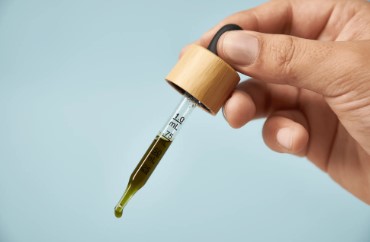
- High-THC strains or concentrates (e.g., dabs) prolong retention.
- Edibles often result in longer detection due to digestive processing.
c. Body Fat and BMI
- THC is stored in adipose tissue. Higher BMI = longer retention.
d. Metabolic Rate
- Individuals with faster metabolisms eliminate THC metabolites more quickly.
e. Hydration Status
- Dehydration concentrates urine and may result in higher THC-COOH levels.
- Overhydration can dilute urine, but extreme dilution is often flagged in testing.
f. Physical Activity
- Exercise can mobilize fat-stored THC into the bloodstream, temporarily increasing urine levels.
6. Special Scenarios
a. Passive Exposure
- Rarely, extreme secondhand smoke exposure in unventilated rooms may lead to low THC-COOH levels. However, concentrations are typically below detection thresholds.
b. Synthetic Cannabinoids
- These do not show up in standard THC urine tests and require specific panels.
c. Medical Cannabis Users

- Chronic therapeutic use (e.g., for pain or epilepsy) may result in long detection times even with regulated dosages.
7. Detox Myths and Facts
- Myth: Cranberry juice, niacin, or vinegar flush THC: No strong scientific support.
- Fact: Time and abstinence are the only reliable ways to reduce THC in urine.
- Dilution tactics (drinking excessive water or using diuretics) may reduce concentrations temporarily but are often detected due to low creatinine levels.
- Commercial detox products: Their efficacy is questionable and often do not survive confirmatory testing.
8. Legal and Occupational Implications
Urine testing is the most common form used in:
- Employment drug screening
- Probation and legal monitoring
- Rehabilitation programs
- Athletic competitions
Because THC metabolites can remain in urine long after intoxication has passed, a positive urine test does not prove current impairment. This distinction is critical in legal settings or job-related consequences.
9. Comparison with Other Testing Methods
| Test Type | Detection Window | Detects Current Impairment? | Notes |
|---|---|---|---|
| Urine | Days to weeks | No | Most common, inexpensive |
| Blood | Hours to 1–2 days | Yes (short term) | Used in accident or DUI testing |
| Saliva | 12 to 72 hours | Partially | Useful for recent use |
| Hair | 30–90+ days | No | Expensive, long-term history |
10. Scientific Studies and Research Highlights
- A 2017 study published in Drug and Alcohol Dependence confirmed that chronic users may test positive up to 67 days post-abstinence in extreme cases.
- The National Institute on Drug Abuse (NIDA) reports that light users generally test clean within 3 to 7 days.
- Another clinical trial by Huestis et al. showed that daily users may retain detectable levels for 30–77 days, depending on body composition and THC dose.
11. Summary
Marijuana can be detected in urine for a highly variable period, ranging from a couple of days in light users to over two months in chronic, heavy users. The persistence of THC metabolites in fat and their slow release into the bloodstream are responsible for prolonged detection times. While urine tests are not indicators of real-time impairment, they remain the standard in occupational and legal settings due to ease of collection and low cost.
Ultimately, the only proven method to reduce detection time is abstinence, supported by a healthy metabolism, hydration, and time. Attempts to “cheat” tests are unreliable and may be flagged by laboratory scrutiny.
