Table of Contents
How long does weed effect last?
Overview of Cannabis Effects and Their Duration
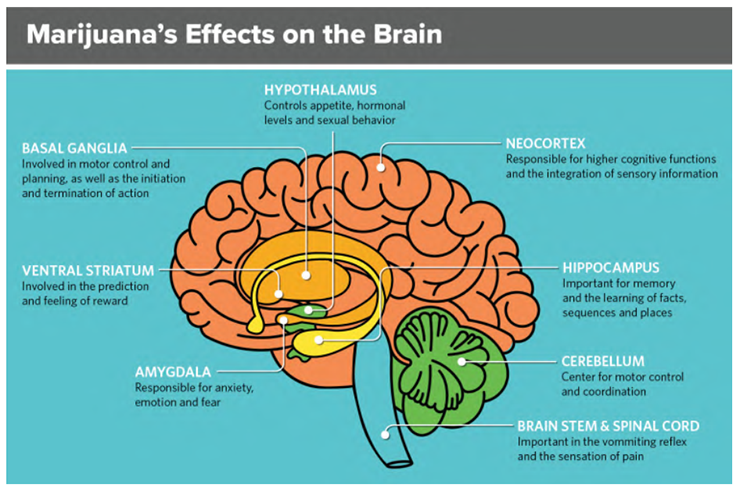
This detailed examination seeks to clarify the effects of cannabis and the duration over which these effects are experienced. Derived from the Cannabis sativa plant, cannabis contains several psychoactive constituents, notably delta-9-tetrahydrocannabinol (THC), which is chiefly responsible for the plant’s psychological effects, alongside other cannabinoids that influence the body’s physiological responses. This paper discusses both the immediate and prolonged effects of cannabis use, offering a nuanced understanding of its impacts on both the body and mind.
Pharmacodynamics of Cannabis
Cannabis engages with the endocannabinoid system, which is a sophisticated network of receptors distributed across the body and brain. THC primarily targets the CB1 receptors in the brain, altering normal neurotransmitter functions. This interaction induces the psychoactive and physical effects typically associated with cannabis consumption.
Immediate Effects of Cannabis
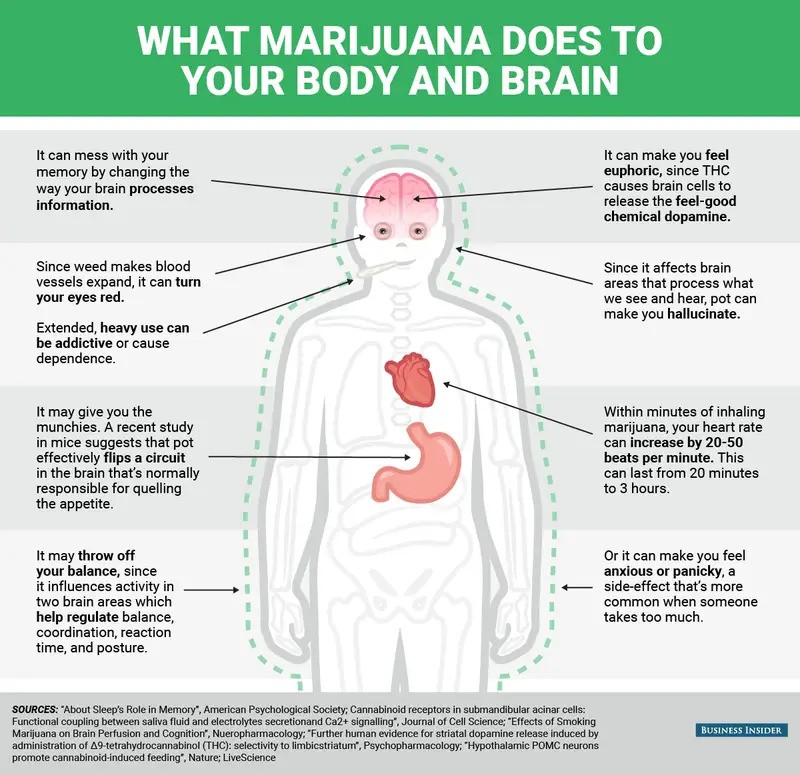
The immediate effects of cannabis vary among users, influenced by the cannabis strain, consumption method, individual physiology, and tolerance levels. Psychoactive effects often include mood changes, enhanced sensory perception, increased appetite, and impaired motor coordination. Many users experience significant relaxation or euphoria, often referred to as being “high.” Physiological effects may include altered heart rate, dry mouth, and eye redness.
Effect Duration Based on Consumption Method
The duration of cannabis effects depends largely on how it is consumed:
- Inhalation (smoking or vaping): THC is absorbed quickly into the bloodstream via the lungs when cannabis is smoked or vaporized, with effects manifesting within minutes. Peak effects typically occur within 10 to 30 minutes, and the overall effects last about 1 to 3 hours, though residual effects can persist for several hours.
- Ingestion (edibles): THC absorption is slower when cannabis is ingested in the form of edibles, with effects starting from 30 minutes to 2 hours after consumption. Peak effects typically occur 2 to 4 hours following ingestion and can persist for up to 8 hours or more, depending on the dosage and the individual’s metabolism.
Long-Term Effects and Health Implications
Regular cannabis use may lead to long-term effects, including alterations in brain functionality, memory impairments, and changes in emotional and mental health. These effects are usually related to the frequency and quantity of cannabis consumption. It is crucial for both consumers and healthcare professionals to consider these long-term implications when assessing the risks and benefits of sustained cannabis use.
Conclusion
In conclusion, the effects and duration of cannabis effects are influenced by various factors, including how it is consumed, individual differences in physiology, and usage patterns. A deep comprehension of these factors is crucial for both users and medical practitioners to make well-informed decisions about cannabis usage and to effectively manage its effects. This overview lays the groundwork for ongoing dialogue and research into the clinical and recreational use of cannabis.
Factors Influencing the Length of Weed Effects
This detailed analysis explores the diverse factors that influence how long the effects of cannabis last. Cannabis, known primarily for its psychoactive component, delta-9-tetrahydrocannabinol (THC), affects users differently depending on a variety of elements. These elements include the mode of consumption, individual physiological differences, the specific cannabis strain used, and the setting in which it is consumed. An understanding of these factors is vital for both recreational users and medical practitioners to effectively predict and manage the impact of cannabis.
Modes of Consumption
The method of cannabis consumption plays a crucial role in determining the duration of its effects:
- Inhalation (smoking or vaping): This method facilitates the rapid absorption of cannabinoids like THC directly into the bloodstream via the lungs, typically producing effects within minutes. The peak effects are generally felt within 10 to 30 minutes and can last from one to three hours, though some residual effects might linger longer.
- Oral Consumption (edibles): Ingesting cannabis leads to THC being metabolized by the liver, resulting in a delayed onset but extended duration of effects. The effects may start to appear from 30 minutes to two hours after ingestion, with peak effects several hours later and potentially lasting up to 8 hours or more.
Individual Physiological Factors
Various biological and physiological factors also significantly influence the duration of cannabis effects. These include:
- Metabolism: Individuals with faster metabolic rates may metabolize THC more swiftly, potentially shortening the duration of its effects.
- Body Fat Percentage: As THC is lipophilic and binds to fat cells, those with higher body fat may experience longer-lasting effects due to the slow release of THC over time.
- Tolerance: Regular users may develop tolerance to THC, which can lessen both the intensity and the duration of its effects.
Cannabis Strain and Potency
The specific cannabis strain and its potency also play crucial roles. Strains with higher THC concentrations tend to produce stronger and more prolonged effects. Moreover, the presence of other cannabinoids and terpenes can influence THC’s effects through the entourage effect, modifying both the duration and nature of the experience.
Context of Consumption
The environment in which cannabis is used and the psychological state of the user at the time of consumption can further modify the duration of its effects. Consuming cannabis in a relaxed, familiar environment may lead to a perception of longer-lasting effects due to increased comfort and reduced anxiety.
Conclusion
In summary, the duration of cannabis effects is shaped by an intricate interplay of consumption method, physiological traits, cannabis strain characteristics, and consumption context. A deep understanding of these factors is essential for accurately predicting and controlling the effects of cannabis use, thereby improving both user safety and the efficacy of medical applications. This information is invaluable not only for individuals seeking to optimize their personal experiences but also for healthcare professionals advising on therapeutic cannabis use.
Comparing the Duration of Different Consumption Methods
This detailed paper examines the duration of effects associated with various cannabis consumption methods. Cannabis can be ingested in multiple forms, each with distinct absorption and metabolic processes that influence how quickly effects are felt, their intensity, and their duration. This analysis delves into the principal methods of consuming cannabis—smoking, vaporizing, ingesting orally, and applying topically—outlining how each method impacts the duration of effects and discussing the implications for both recreational and medicinal users.
Overview of Consumption Methods
Cannabis can be consumed through several methods, including:
- Smoking: Smoking, one of the most prevalent methods, entails inhaling smoke produced by burning dried plant materials.
- THC is absorbed almost instantly through the lungs, with effects appearing within minutes. Peak effects are typically felt within 10 to 30 minutes, lasting about 1 to 3 hours, though some residual effects may remain longer.
- Vaporizing: This method involves inhaling vapor from heated cannabis oil or concentrates. It offers a rapid onset of effects akin to smoking but with reduced harmful byproducts from combustion. The overall duration of effects is similar to that of smoking, although the peak effects may dissipate slightly quicker.
Oral Ingestion: Edibles and Oils
Oral ingestion methods include:
- Edibles: Cannabis-infused foods and drinks where THC is processed by the liver into a more potent metabolite. This conversion results in a delayed onset of effects, generally taking 30 minutes to 2 hours, with peak effects occurring hours later. The effects from edibles can last between 6 to 8 hours, influenced by the dosage and individual metabolic rates.
- Oils: Consumed directly or mixed with food, cannabis oils have an effect profile similar to edibles, with a variable onset and long-lasting duration depending on the amount ingested and the user’s metabolism.
Topical Application
Cannabis-infused topicals, such as creams and balms, are applied to the skin for localized pain relief or inflammation without significant psychoactive effects. The duration of action depends on the product’s formulation and is generally limited to the area of application without systemic psychoactive impacts.
Conclusion
Recognizing the differences in duration of effects among various cannabis consumption methods is essential for both recreational and medicinal cannabis users. Each method provides distinct advantages and limitations regarding the speed of onset, duration, and intensity of effects. For recreational purposes, selection might hinge on preference for rapid onset or extended duration, whereas medicinal users need to consider these factors based on therapeutic needs. This comprehensive review equips users with the necessary information to make informed choices about cannabis consumption tailored to their specific requirements and situations.
Duration of Effects: Smoking vs. Edibles vs. Vaping
This academic paper explores the differences in the duration of effects among three prevalent methods of cannabis consumption: smoking, edibles, and vaping. Each method introduces THC, the primary psychoactive component of cannabis, into the body through distinct pathways, significantly affecting both the onset and the duration of the resultant effects. This analysis aims to clarify these distinctions to better inform both consumers and healthcare providers about the implications of each consumption method.
Smoking Cannabis
Smoking cannabis involves inhaling smoke from burned plant material, allowing THC to be absorbed quickly into the bloodstream through the lungs. The effects of smoking are almost immediate, typically manifesting within a few minutes. The peak effects occur rapidly, usually within 10 to 30 minutes, and tend to decline after about 2 to 3 hours. This method is preferred for its quick relief, but the effects are relatively short-lived compared to other methods.
Edible Cannabis Products
Edibles involve consuming cannabis-infused food products. THC from edibles is absorbed through the gastrointestinal tract and then processed by the liver, where it is converted into a more potent metabolite, 11-hydroxy-THC. This conversion results in a delayed onset of effects, usually taking 30 minutes to 2 hours to appear. However, the effects from edibles are much longer-lasting, typically enduring from 6 to 8 hours, and in some cases, effects can extend up to 12 hours. Edibles are favored for their extended duration and as a non-smoking option.
Vaping Cannabis
Vaping cannabis entails inhaling vapor from heated cannabis oil or dried flower, which avoids combustion. Similar to smoking, vaping facilitates rapid THC absorption via the lungs. However, it is often considered a healthier choice due to the absence of harmful smoke and the lower temperatures involved in vaporization. The onset of effects with vaping is quick, occurring within minutes, and the overall duration of effects generally lasts from 2 to 4 hours, potentially extending slightly longer than smoking due to more efficient THC extraction.
Conclusion
It is crucial for both recreational and medicinal cannabis users to understand the duration of effects associated with various consumption methods. Smoking and vaping offer immediate onset, making them ideal for quick symptom relief, whereas edibles provide longer-lasting effects, better suited for sustained symptom management. This detailed comparison of cannabis consumption methods is intended to help users make informed decisions that meet their specific needs and health goals, thereby maximizing the therapeutic benefits of cannabis.
The Role of THC and CBD Levels in Effect Duration
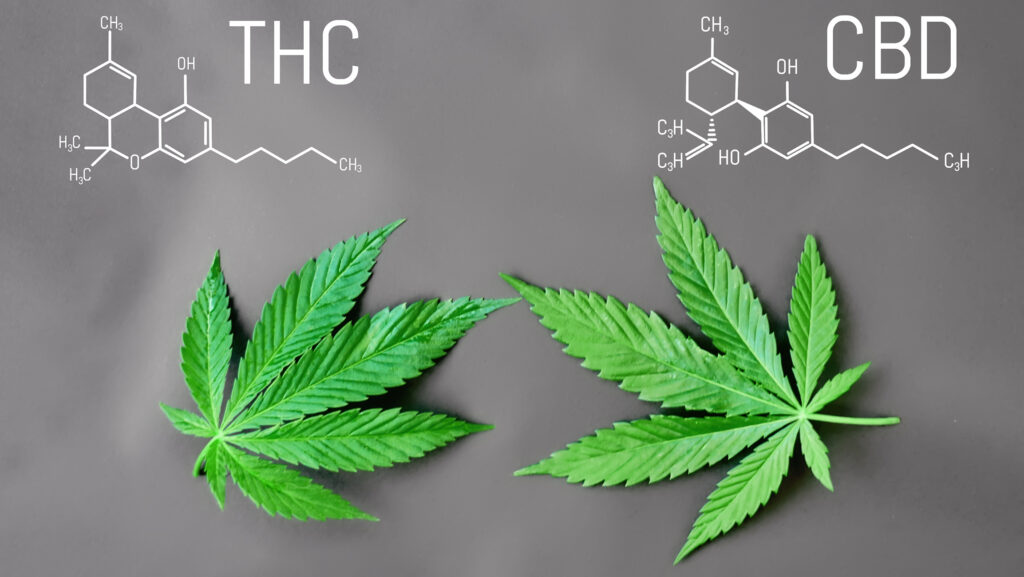
This detailed study investigates the critical roles that delta-9-tetrahydrocannabinol (THC) and cannabidiol (CBD), the primary cannabinoids found in cannabis, play in influencing the duration of cannabis-induced effects. These cannabinoids interact with the human endocannabinoid system in distinct ways, affecting not only the intensity and onset of effects but also how long they last. A comprehensive understanding of these interactions is crucial for healthcare providers advising patients and for consumers aiming to make informed decisions about their cannabis use.
Pharmacodynamics of THC and CBD
THC is the primary psychoactive ingredient in cannabis, known for its ability to induce euphoria and alter consciousness by engaging CB1 receptors in the brain. CBD, unlike THC, does not cause psychoactive effects as it does not directly bind to CB1 receptors. Instead, CBD engages with various non-cannabinoid receptors and ion channels, potentially moderating the psychoactive effects of THC by lessening its intensity and diminishing any associated anxiety or paranoia.
Influence of THC and CBD Levels on Duration of Effects
- THC Dominance and Duration: Cannabis strains with high levels of THC typically produce intense, yet potentially shorter, psychoactive effects. This rapid onset followed by a quick decline can be attributed to the peak levels of THC in the bloodstream, especially notable in inhaled forms. Conversely, when THC is consumed as edibles, the effects can last much longer, due to the slower metabolization of THC into 11-hydroxy-THC, a metabolite that remains active in the body for an extended period.
- CBD’s Modulating Effects: CBD can prolong the duration of THC’s effects by inhibiting its rapid metabolism in the liver. This interaction keeps THC active in the system for a longer time, particularly when THC and CBD are present in balanced proportions. Furthermore, the anxiety-reducing and sedative effects of CBD can lengthen the overall duration of the calming effects of cannabis, separate from the psychoactive high associated with THC.
Therapeutic Considerations
The ratio of THC to CBD is crucial in medical cannabis formulations intended to optimize therapeutic outcomes while minimizing side effects. Products that maintain a balanced ratio of these cannabinoids are often more effective for long-term relief, providing a more consistent and prolonged effect profile.
Conclusion
Ultimately, the concentrations of THC and CBD significantly shape the duration of cannabis effects. High-THC products tend to deliver quicker and more intense psychoactive experiences with a rapid decline, whereas products higher in CBD can moderate and extend these effects. This complex interplay varies by individual, highlighting the need for personalized approaches in cannabis therapy and consumption. Understanding these dynamics is vital for maximizing the medicinal benefits of cannabis and tailoring user experiences to meet specific health needs and preferences.
How Body Chemistry Impacts the Duration of Highs
This academic examination delves into how individual body chemistry affects the duration and intensity of the psychoactive effects produced by cannabis consumption. Cannabis, known for its active component delta-9-tetrahydrocannabinol (THC), interacts with the human endocannabinoid system in complex ways that vary significantly among individuals. This paper aims to elucidate the physiological and metabolic factors that contribute to these individual differences, explaining why the same dosage of cannabis can result in varied experiences across different users.
Understanding Body Chemistry and Cannabis Interactions
The primary pathway for cannabis effects is through its interaction with the endocannabinoid system, which includes the CB1 and CB2 receptors distributed throughout the body and brain. THC’s binding to these receptors initiates a range of physiological responses leading to the effects commonly associated with cannabis highs. The variability in these effects can be attributed to multiple factors related to individual body chemistry:
- Metabolic Rate: Individuals metabolize THC at different rates, influenced by genetic factors, health status, and lifestyle choices. Those with faster metabolic rates may process THC more quickly, typically resulting in shorter durations of psychoactive effects.
- Body Fat Composition: Due to THC’s lipophilic nature, individuals with higher levels of body fat may absorb and store THC for longer durations, extending the length of its psychoactive effects.
- Genetic Variations: Genetic differences can significantly impact how THC is processed in the body. Variations in genes related to the endocannabinoid system or the metabolic enzymes that break down THC can lead to noticeable differences in the duration and intensity of its effects.
Influence of Tolerance and Previous Cannabis Use
Tolerance to cannabis develops with repeated use, affecting how long its effects last. Regular users often find that they need increasingly larger doses to achieve effects once obtained with smaller quantities, as their bodies adjust to frequent cannabinoid exposure, potentially leading to decreased receptor sensitivity.
Enzymatic Activity and Medication Interactions
The activity of liver enzymes responsible for metabolizing cannabinoids also plays a critical role. Differences in these enzymes, whether due to genetic factors or interactions with other medications, can modify how quickly THC is metabolized, affecting both the intensity and duration of its effects.
Conclusion
In sum, the duration and intensity of cannabis-induced highs are deeply influenced by individual body chemistry, encompassing metabolic rates, body fat composition, genetic makeup, and enzymatic activity. Recognizing these individual differences is crucial for those seeking to tailor their cannabis experiences and for healthcare providers prescribing cannabis-based therapies. This understanding allows for more accurate predictions of cannabis effects and supports the development of personalized cannabis consumption strategies that accommodate the unique physiological characteristics of each user.
Managing and Extending the Duration of Cannabis Effects
This scholarly exploration focuses on various methods and strategies for managing and extending the effects of cannabis consumption. As cannabis gains greater acceptance and legal recognition for both medical and recreational use, comprehending how to control and enhance the duration and intensity of its effects becomes essential for users aiming to maximize their experiences. This analysis covers pharmacological insights, consumption methodologies, and lifestyle adjustments that can influence the persistence and effectiveness of cannabis effects.
Pharmacokinetics of Cannabis
The duration of effects from cannabis is closely linked to its pharmacokinetics—the process by which cannabis is absorbed, distributed, metabolized, and excreted by the body. Individual physiological differences and the method by which cannabis is consumed significantly affect the onset, intensity, and duration of its effects.
Techniques to Lengthen Cannabis Effects
- Effective Consumption Methods:
- Edibles and Oils: Consuming cannabis as edibles or oils results in a slower onset due to digestion but typically provides a more prolonged effect. This extended duration is due to the liver converting THC into 11-hydroxy-THC, a more potent metabolite, making edibles suitable for those needing longer relief.
- Vaporization at Low Temperatures: Vaporizing cannabis at lower temperatures can help maintain the integrity of THC and other cannabinoids, extending the effects and providing a smoother experience.
- Balancing THC and CBD Levels:
- Mixing cannabidiol (CBD) with THC can moderate the psychoactive effects of THC and extend the duration of effects, as CBD influences the metabolism of THC and slows its breakdown.
- Dietary and Hydration Considerations:
- Proper hydration and a healthy diet can affect how THC is metabolized. Foods high in fats may increase THC absorption and extend its effects. Hydration primarily helps alleviate side effects like dry mouth and dehydration but does not directly prolong the effects of THC.
Lifestyle Influences on Cannabis Duration
- Physical Activity: Engaging in regular exercise can affect body composition and metabolism, which may alter how long THC effects last, given its storage in body fat.
- Usage Patterns and Tolerance: Building a tolerance to THC can diminish the duration of its effects. Moderating use or taking periodic breaks can help maintain its effectiveness and manage tolerance levels.
Conclusion
Effectively managing and extending the effects of cannabis involves understanding both the drug’s pharmacological traits and the individual’s physiological characteristics. By selecting suitable methods of consumption, adjusting THC and CBD ratios, and considering relevant lifestyle and dietary factors, users can tailor their cannabis experience to better suit their personal needs and goals. This comprehensive approach not only enhances personal usage but is also crucial for medicinal users who require consistent, long-term symptom management.
Short-Term vs. Long-Term Effects of Cannabis Use
This scholarly document examines the immediate and prolonged effects of cannabis consumption, delineating the differences between its short-term and long-term impacts on both physiological and psychological health. As the acceptance of cannabis continues to expand across legal and medical spheres worldwide, it becomes imperative for consumers, healthcare providers, and policy makers to possess a thorough understanding of these effects for informed decision-making regarding its use.
Immediate Effects of Cannabis Use
The immediate effects of cannabis are largely attributed to delta-9-tetrahydrocannabinol (THC), the plant’s primary psychoactive ingredient. These effects can appear within minutes after smoking and might take longer to manifest when ingested. Physiologically, short-term effects include an increased heart rate, dilation of blood vessels leading to red eyes, and dry mouth. Psychologically, users may experience mood enhancements, altered sensory perceptions, and occasionally, anxiety or paranoia.
- Cognitive Effects: Temporary cognitive impairments are common in short-term use, affecting memory, coordination, and judgment. These impairments can disrupt daily activities such as driving or operating machinery, thereby posing safety risks.
- Variability in Psychoactive Effects: The psychoactive effects can range from relaxation and euphoria to anxiety and confusion, influenced by factors like the user’s environment, emotional state before use, and the specific cannabis strain used.
Prolonged Effects of Cannabis Use
Long-term effects of cannabis are more variable and can be influenced by the frequency of use, potency of the cannabis, and the age at which regular use begins. Chronic usage has been associated with several significant effects:
- Neurological Consequences: Long-term use may lead to changes in brain structure and function, especially in users who begin at a young age. These changes can impact memory, attention, decision-making, and motivation.
- Mental Health Risks: There is an association between prolonged cannabis use and an increased risk of psychiatric conditions like schizophrenia, particularly in genetically predisposed individuals. Long-term users might also see reductions in life satisfaction, emotional health, and an increased dependency risk.
- Respiratory Health: Similar to tobacco smoke, regular smoking of cannabis is linked to respiratory issues, including chronic bronchitis and other lung problems.
Conclusion
In summary, cannabis affects users in a range of short-term and long-term ways, with variations heavily dependent on individual and usage-specific factors. While immediate effects tend to be less severe and dissipate quickly upon cessation of use, the long-term effects can be more substantial and enduring. Ongoing research is vital for further clarifying these effects to aid users and healthcare professionals in making well-informed choices about cannabis use. Additionally, a deep understanding of these impacts is essential for crafting effective public health policies and interventions to mitigate the potential adverse effects associated with long-term cannabis use.
Medical Insights: Understanding the Persistence of Effects
This detailed academic paper investigates the factors that affect the duration of action of pharmacological treatments within the human body, offering crucial insights into the interactions that influence drug effectiveness over time. The ability to predict and manage the persistence of drug effects is vital for optimizing dosage regimens, enhancing therapeutic outcomes, and minimizing adverse effects. This review delves into the pharmacokinetic processes—absorption, distribution, metabolism, and excretion—as well as pharmacodynamic factors, such as drug-receptor interactions that determine the longevity of drug actions.
Pharmacokinetics and Duration of Drug Effects
Pharmacokinetics explores how drugs are processed by the body and includes four key processes:
- Absorption: How quickly and completely a drug enters the bloodstream, affecting the onset and duration of its effects.
- Distribution: How a drug spreads through body fluids and tissues, influencing how effectively it reaches its target sites.
- Metabolism: How the body chemically alters the drug, primarily in the liver, affecting both the drug’s active lifespan and its preparation for elimination.
- Excretion: How the drug is removed from the body, which is crucial for determining how long its effects last.
Pharmacodynamics and Mechanisms of Action
Pharmacodynamics examines how drugs interact with their biological targets, such as receptors, which dictate the nature and duration of their therapeutic effects:
- Receptor Binding: The duration and strength of a drug’s binding to its receptor can significantly influence how long its effects persist. Drugs that bind irreversibly or for extended periods can maintain their effects even after being metabolized and excreted.
- Activation of Biochemical Pathways: The activation of downstream biochemical pathways after receptor engagement can prolong a drug’s therapeutic impact beyond its presence in the bloodstream.
Influential Factors on Drug Persistence
Multiple elements can modify how long a drug’s effects are sustained, including:
- Drug Formulation: Technologies like extended-release formulations are designed to prolong the drug’s release into the bloodstream, thereby extending its action.
- Individual Differences: Genetic makeup, age, body composition, organ health, and existing health conditions can all influence how an individual metabolizes drugs, affecting the duration of drug effects.
- Drug Interactions: The simultaneous use of other drugs can alter metabolic pathways, potentially extending or reducing the effective duration of a drug’s effects.
Conclusion
Grasping the sustained effects of pharmacological treatments is essential for customizing treatment plans to meet individual patient needs effectively, ensuring optimal therapeutic efficacy while reducing the risk of side effects. This understanding hinges on a comprehensive knowledge of pharmacokinetic and pharmacodynamic principles, complemented by an appreciation of patient-specific characteristics and potential interactions with other medications. Ongoing research and clinical monitoring remain crucial to advancing our knowledge of drug persistence, thus supporting safer and more effective medical practices.
