Table of Contents
How long does marijuana stay in your body
Marijuana, or cannabis, is a psychoactive substance that can remain in the human body long after its effects have worn off. The duration for which marijuana stays in the body depends on several factors, including the frequency of use, the individual’s metabolism, the potency of the product, body fat percentage, and the kind of drug test that was conducted.
1. How Marijuana Is Metabolized
When marijuana is consumed whether through smoking, vaping, or ingesting edibles the active compound responsible for its psychoactive effects, tetrahydrocannabinol (THC), enters the bloodstream. Once in the bloodstream, THC is quickly distributed to various tissues and organs, including the brain, where it produces its characteristic effects (e.g., euphoria, altered perception, increased appetite).

THC is lipophilic, meaning it binds readily to fat molecules. This causes it to accumulate in fatty tissues and be released slowly over time. The liver metabolizes THC into several compounds, the most notable being 11-hydroxy-THC (also psychoactive) and eventually into the non-psychoactive metabolite THC-COOH, which is commonly measured in drug tests.
2. Factors Influencing How Long Marijuana Stays in the Body
a. Frequency and Duration of Use
- Occasional users (once every few weeks): THC metabolites may be detectable for 1–3 days.
- Moderate users (several times per week): Detection window extends to 7–10 days.
- Chronic users (daily or near-daily): THC can linger in the system for 3–4 weeks or longer.
- Heavy chronic users (multiple times daily): Detection is possible for up to 60+ days in extreme cases.
b. Method of Consumption

- Inhalation (smoking or vaping): THC enters the bloodstream quickly, peaks within minutes, and declines rapidly. However, metabolites remain for days to weeks.
- Oral ingestion (edibles): Slower onset but prolonged duration of THC and metabolites in the bloodstream due to first-pass metabolism in the liver.
c. Metabolism and Body Composition
- THC may be cleared faster by people with quicker metabolisms.
- Higher body fat means more storage for THC, prolonging its presence.
- Liver function also affects how efficiently THC is broken down and excreted.
d. Potency of the Marijuana Product
- High-THC strains or concentrates introduce more THC into the system, increasing the load for metabolism and extending the clearance time.
3. Detection Windows by Drug Test Type
Different types of drug tests vary in their sensitivity and detection windows. Here’s how they compare:
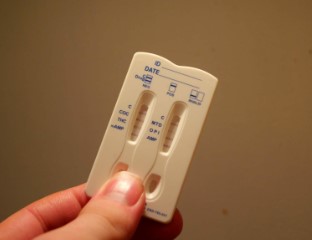
a. Urine Tests
Urinalysis is the most common method for marijuana detection, especially in workplace drug testing.
| User Type | Detection Window |
|---|---|
| Occasional | Up to 3 days |
| Moderate | Up to 7–10 days |
| Chronic | Up to 30 days |
| Heavy chronic | 30–60+ days |
Urine tests detect THC-COOH, not active THC. This means the test reveals past use, not current intoxication.
b. Blood Tests
Blood tests are usually reserved for accident investigations, DUI cases, or emergency diagnostics due to their narrow detection window and invasiveness.
| User Type | Detection Window |
|---|---|
| Occasional | 1–2 days |
| Chronic | Up to 7 days |
Blood tests can detect both THC and THC-COOH. However, active THC is typically only present for a few hours post-consumption unless the individual is a heavy user.
c. Saliva Tests
Saliva testing is growing in popularity due to its non-invasive nature and real-time detection capability.
| User Type | Detection Window |
|---|---|
| Occasional | 24–48 hours |
| Chronic | Up to 72 hours |
THC is detectable in saliva primarily because it coats the mouth’s mucosal surfaces during use.
d. Hair Tests
Hair follicle testing provides the longest detection window and is often used in pre-employment or forensic settings.
| User Type | Detection Window |
|---|---|
| Any use | Up to 90 days |
Hair testing looks for THC metabolites incorporated into the hair shaft as it grows, offering a long retrospective view of drug use. It typically requires at least 1.5 inches of hair from the scalp.
4. Breakdown of THC Elimination Process
Once THC enters the system, the body eliminates it in stages:
- Distribution Phase (Minutes to Hours)
THC distributes rapidly to the brain and organs, producing psychoactive effects within minutes (inhalation) or 30–90 minutes (edibles). - Metabolic Phase (Hours to Days)
THC is broken down primarily in the liver via cytochrome P450 enzymes into 11-hydroxy-THC and then into THC-COOH. - Elimination Phase (Days to Weeks)
Metabolites are excreted in urine (primarily), feces, and sweat. Due to THC’s lipophilicity, this process can be slow, especially for regular users.
5. Strategies and Myths Around Detoxification
a. Hydration and Diuretics
Drinking large amounts of water may dilute urine, which could lower metabolite concentrations. However, labs can detect over-dilution and may flag such samples as suspicious or invalid.
b. Exercise
Burning fat can release stored THC into the bloodstream, temporarily increasing detectable levels. While regular exercise might help reduce body fat over time, it’s not a guaranteed detox strategy just before a test.
c. Commercial Detox Products
Many detox kits claim to flush THC from the body, but scientific evidence supporting their efficacy is limited. Some may temporarily mask metabolites, but they do not accelerate THC metabolism.
d. Time
Ultimately, time is the most reliable way to clear THC from the system. The duration depends on the user’s pattern of consumption and biological factors.
6. Medical and Legal Considerations
- Medical users may retain THC for longer due to daily use, which should be disclosed in clinical or legal contexts.
- In many jurisdictions, cannabis use—medical or recreational—is subject to legal restrictions. Detection can have implications for employment, driving, child custody, or probation status.
- Importantly, most standard drug tests cannot distinguish between legal hemp-derived THC (e.g., Delta-8) and traditional marijuana use. Both produce similar metabolites.
7. Conclusion
Marijuana can remain in the body for days to several weeks depending on usage frequency, body composition, and the type of test used. Urine tests are the most widely used and can detect use in chronic users up to a month or more after the last dose. Blood and saliva tests detect more recent use, while hair testing can reveal usage from months prior.
Understanding how long marijuana stays in the system is crucial for users in regulated environments or those subject to drug testing. While hydration, exercise, and detox kits may offer marginal help, the only surefire method of clearing THC is allowing sufficient time for the body to metabolize and eliminate it naturally.
