Table of Contents
How Long Does Marijuana Stay in Urine
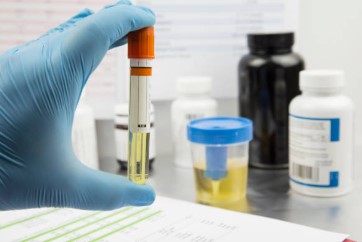
Marijuana, primarily containing the psychoactive compound delta-9-tetrahydrocannabinol (THC), can be detected in urine for varying durations depending on multiple factors. After consumption, THC is rapidly metabolized into inactive compounds, notably THC-COOH, which is fat-soluble and stored in body fat before being excreted primarily through urine. Standard urine drug tests target THC-COOH.
Detection Timeframes by User Type:
- Occasional Users (1–3 times/week): THC may remain detectable for 3 to 7 days after last use.
- Moderate Users (4–5 times/week): Detection can extend up to 10–21 days.
- Frequent Users (daily use): May test positive for 30 days or longer.
- Chronic Heavy Users (multiple times daily): THC metabolites may linger in urine for over 45–60 days.
Influencing Factors:

- Metabolism Rate: Individuals with faster metabolic rates may eliminate THC more quickly.
- Body Fat Content: Since THC is lipophilic, those with higher fat content may retain metabolites longer.
- Hydration Levels: While excessive water intake may dilute urine, potentially lowering THC levels, labs often check for dilution.
- Frequency and Potency of Use: More potent strains and higher frequency of use increase metabolite accumulation.
- Physical Activity: Exercise before testing may release stored THC into the bloodstream temporarily, possibly raising levels.
Testing Sensitivity:
Most standard urine tests use an immunoassay cutoff of 50 ng/mL for THC-COOH. Confirmatory tests, such as gas chromatography-mass spectrometry (GC-MS), can detect lower concentrations with greater accuracy.

In summary, marijuana’s detectability in urine varies significantly based on usage patterns and individual physiology. While occasional users may clear THC in under a week, chronic users should expect a significantly prolonged detection window due to cumulative metabolite storage in fat tissue.
