Table of Contents
How Long Does Marijuana Stay in the System ?
The duration marijuana remains in the human body depends on numerous biological and lifestyle factors, as well as the frequency and method of consumption. Unlike many other substances, the psychoactive compound in marijuana tetrahydrocannabinol (THC) is fat-soluble and stored in the body’s fat cells, leading to longer detection times.
1. The Role of THC and Its Metabolites
THC is the primary psychoactive compound in cannabis. After consumption, THC is rapidly metabolized in the liver into over 80 different metabolites. The most notable metabolites are:

- 11-OH-THC (11-hydroxy-THC): Active metabolite that contributes to psychoactive effects.
- THC-COOH (11-nor-9-carboxy-THC): Inactive metabolite, fat-soluble, and the primary marker in most drug tests.
THC and its metabolites accumulate in fat tissues and are gradually released back into the bloodstream over time. This fat storage is what makes detection possible for extended periods, especially in chronic users.
2. Detection Windows by Drug Testing Methods
The length of time marijuana stays detectable in the system varies depending on the type of drug test used.
A. Urine Tests
The most common drug testing method due to its cost-effectiveness and relatively long detection window.
- Single Use: 1–3 days
- Occasional Use (1–2 times/week): 3–7 days
- Moderate Use (3–4 times/week): 7–14 days
- Chronic Use (daily): 14–30+ days
- Heavy Chronic Use (multiple times/day): 30–90+ days in rare cases
Urine tests target THC-COOH, which can remain detectable for much longer than THC itself.
B. Blood Tests
THC in the blood drops off quickly after ingestion due to redistribution into fat stores.
- Single Use: 6–24 hours
- Frequent Use: Up to 7 days
- Chronic Heavy Use: 7–14+ days
Blood testing is typically used in DUI (driving under the influence) cases or post-accident investigations to measure recent impairment.
C. Saliva Tests
Measures the presence of THC, not its metabolites, so it detects more recent use.
- Single Use: 1–3 days
- Frequent Use: Up to 7 days
Saliva testing is growing in popularity for roadside and workplace testing due to its non-invasive nature.
D. Hair Follicle Tests
These tests can detect THC-COOH that has been deposited in the hair shaft via blood vessels in the scalp.
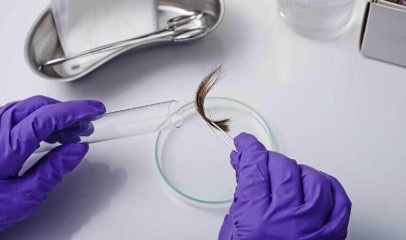
- Standard Detection Window: Up to 90 days
- Minimum Hair Length Required: ~1.5 inches (3.8 cm)
Hair testing is rarely used for marijuana due to lower sensitivity and higher variability compared to urine tests.
3. Factors Influencing Detection Time
A. Frequency and Duration of Use
- Infrequent users clear THC faster than chronic users due to lower accumulation in fat.
- Daily use increases THC-COOH concentration, prolonging detection.
B. Body Fat and BMI
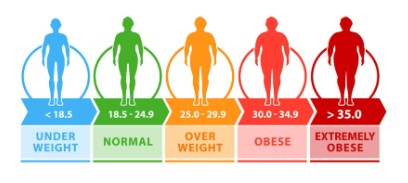
THC is lipophilic (fat-loving), so individuals with higher body fat percentages tend to retain THC longer.
C. Metabolism
- Faster metabolic rates help clear THC more quickly.
- Younger individuals and those who exercise regularly often have faster metabolisms.
D. Hydration and Diet
- Staying well-hydrated can dilute urine and slightly reduce metabolite concentration.
- Fasting or sudden weight loss may release stored THC back into the bloodstream.
E. Potency and Method of Use
- Higher-THC strains and concentrated products (dabs, oils, edibles) increase detection time.
- Inhalation (smoking/vaping) results in faster onset and shorter detection compared to edibles, which have delayed metabolism.
4. THC Metabolism and Elimination Pathways
THC is primarily metabolized in the liver via the cytochrome P450 enzyme system, particularly CYP2C9, CYP2C19, and CYP3A4. The metabolites are excreted:
- 65% via feces
- 20–35% via urine
The conversion from THC to THC-COOH is irreversible, and the latter remains trapped in fat and slowly leaches out over time.
5. Medical and Legal Implications
A. Medical Cannabis Users
For patients using cannabis therapeutically, lingering THC-COOH in urine does not equate to impairment. Medical users may test positive weeks after discontinuation, even when no psychoactive effects remain.
B. Impairment vs. Presence
Most drug tests identify presence, not impairment. Someone might test positive for THC despite being unimpaired, especially with urine and hair tests. This distinction is especially important in workplaces, legal cases, and law enforcement.
C. Tolerance and Functional Use
Chronic users often develop tolerance, meaning they can function normally at THC concentrations that would impair naive users. However, most jurisdictions do not account for this nuance in legal thresholds.
6. How to Accelerate THC Clearance
There are no guaranteed ways to instantly eliminate THC from the body, but some measures may help:
- Exercise (moderate): Can promote fat breakdown and release of THC, although this may temporarily increase blood THC levels before reducing it overall.
- Hydration: Helps flush metabolites via urine.
- High-fiber diet: Supports excretion via feces.
- Avoid crash diets or sudden fasting, which may release stored THC.
Commercial detox products claim to expedite clearance but lack robust scientific backing. Some may mask THC temporarily, but most do not eliminate it.
7. False Positives and Drug Testing Accuracy
While drug testing has become more sophisticated, there is still potential for:

- False positives: Some non-cannabis medications (e.g., certain NSAIDs or proton pump inhibitors) can occasionally trigger a positive result.
- Cross-reactivity: Older immunoassay tests may mistake other cannabinoids or drugs for THC metabolites.
Confirmatory tests such as GC-MS (Gas Chromatography–Mass Spectrometry) are used to validate initial findings due to their high specificity.
8. Long-Term Accumulation and Persistent Positives
In rare cases, heavy chronic users have tested positive for THC-COOH in urine more than 60 days after abstinence. This phenomenon occurs due to deep saturation of fat tissues and extremely slow release rates.
9. Conclusion
The time marijuana stays in the body depends heavily on biological variables and usage patterns. While THC’s psychoactive effects may only last a few hours, its inactive metabolites, especially THC-COOH, can persist in the body for days, weeks, or even months in extreme cases. Detection times vary by test type:
| Test Type | Typical Detection Time |
|---|---|
| Urine | 1–30+ days |
| Blood | 6 hours – 7+ days |
| Saliva | 1–7 days |
| Hair | Up to 90 days |
Understanding the science behind cannabis metabolism is vital for medical users, professionals subject to workplace testing, and individuals navigating legal systems. While complete elimination of THC from the system cannot be expedited dramatically, informed decisions and awareness of testing parameters can help mitigate risk.
