Table of Contents
How long does marijuana stay in saliva
Marijuana, or cannabis, can be detected in saliva for a relatively short period compared to other drug testing methods like urine or hair. However, the detection window is influenced by numerous factors including frequency of use, potency of the cannabis consumed, and individual metabolism. Understanding how long marijuana stays in saliva is important for users facing oral fluid drug tests, as well as for legal, occupational, or medical purposes.
Overview of Saliva Drug Testing
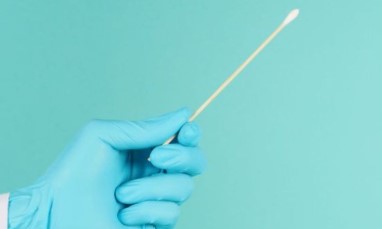
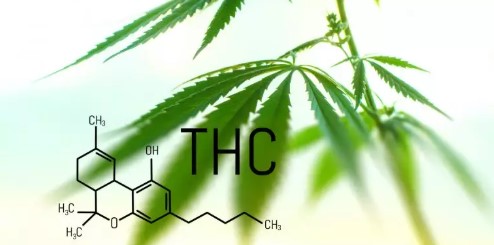
Saliva, or oral fluid testing, is one of the most common and convenient methods for detecting recent marijuana use. This type of test involves collecting saliva using a swab or absorbent pad and analyzing it for the presence of THC (tetrahydrocannabinol), the primary psychoactive compound in cannabis. Unlike urine or blood tests that may detect THC metabolites, saliva tests primarily detect the parent THC molecule itself, making it an effective indicator of recent consumption.
Saliva drug tests are widely used because they are:
- Non-invasive
- Hard to adulterate
- Able to detect very recent cannabis use (within minutes to hours)
- Often admissible in court, roadside sobriety testing, and workplace compliance
Detection Window in Saliva: General Ranges
The length of time THC stays detectable in saliva varies depending on the user’s frequency of use and other physiological factors.
1. Occasional Users (1-2 times per week)
- Detection time: Up to 24–48 hours
- Most studies find that THC becomes undetectable within a day for occasional users. In some cases, however, sensitive tests may detect THC for up to 2 days.
2. Regular Users (3–5 times per week)
- Detection time: Up to 72 hours
- For users who consume cannabis more regularly, the oral tissues may retain THC for longer periods, leading to an extended detection window.
3. Chronic or Heavy Users (Daily use or multiple times daily)
- Detection time: Up to 7 days, and occasionally longer
- Chronic users tend to accumulate THC in fatty tissues and oral mucosa. Saliva can contain measurable THC for much longer, especially when use is very frequent and intense.
Mechanism of THC Retention in Saliva
THC enters the saliva primarily through direct contamination of the oral cavity during inhalation or ingestion. This means that unlike blood or urine, saliva tests reflect local contamination rather than systemic presence. Key mechanisms include:
- Inhaled smoke or vapor depositing THC on the inner cheeks, gums, and tongue.
- Edibles or tinctures leading to oral residue.
- Minimal systemic diffusion: Very little THC is secreted into saliva via salivary glands. The majority comes from direct exposure.
Because saliva tests don’t measure THC metabolites like THC-COOH (which are stored and released from fat), the presence of THC in saliva is a more accurate reflection of recent consumption, particularly within the past few hours to a day.
Factors Affecting THC Detection in Saliva
- Frequency of Use
More frequent users retain THC in oral tissues longer due to cumulative residue buildup and saturation of oral mucosa. - Dosage & Potency
High-THC strains or concentrates (dabs, oils, wax) increase THC load in saliva, prolonging detection times. - Route of Administration
- Smoked or vaporized cannabis leads to higher oral contamination than edibles or capsules.
- Edibles may result in lower detection levels in saliva, although residual mouth exposure is still possible depending on the product.
- Oral Hygiene and Saliva Flow
Brushing teeth, drinking water, using mouthwash, and increased salivary flow can reduce the amount of THC in oral tissues and shorten detection. - Test Sensitivity (Cutoff Level)
- Most common cutoff: 50 ng/mL
- Some tests use lower cutoffs like 20 ng/mL, increasing the likelihood of detection over a longer period.
- Metabolism and Individual Physiology
Genetic variations in cannabinoid metabolism, saliva pH, and oral tissue composition can influence THC retention and clearance.
Scientific Studies on THC in Saliva
Numerous studies have explored THC detection times in saliva under varying usage conditions. Here are a few key findings:
- Desrosiers et al. (2012): In a controlled study with occasional users who smoked a single cannabis cigarette, THC was detectable in saliva up to 24 hours using a 1 ng/mL detection threshold.
- Lee & Huestis (2014): Chronic users demonstrated THC levels above 2 ng/mL for up to 72 hours, and sometimes longer. Some heavy users tested positive up to 8 days post-use depending on oral fluid collection technique and test sensitivity.
- Gustavsen et al. (2006): In Norwegian traffic enforcement cases, oral fluid was a reliable indicator of recent cannabis use within 1 to 24 hours, correlating closely with impairment.
Comparison with Other Drug Testing Methods
| Test Type | Detection Window (THC) | Target Analyte | Best Use Case |
|---|---|---|---|
| Saliva | 1–72 hours (up to 7 days in chronic users) | Parent THC | Roadside, workplace, recent use |
| Urine | 3–30 days | THC-COOH (metabolite) | Long-term monitoring |
| Blood | 1–2 days (longer in chronic users) | Parent THC + metabolites | Impairment, medical or forensic use |
| Hair | Up to 90 days | THC-COOH | Long-term history |
Saliva testing strikes a balance between invasiveness and immediacy, making it particularly useful in contexts such as traffic enforcement and employment screening where recent consumption matters most.
How to Reduce THC in Saliva Before a Test
While there is no guaranteed method to “beat” a drug test, several actions may reduce THC levels in saliva temporarily:
- Good Oral Hygiene: Brushing teeth, gums, and tongue frequently to remove THC residue.
- Mouthwash: Commercial detox mouthwashes may reduce detectable THC briefly.
- Hydration: Drinking water promotes saliva flow, potentially diluting THC levels.
- Gum or Candy: Chewing sugar-free gum or sucking on sour candies increases salivation and may help clear oral residue faster.
- Time: Abstinence is the only fully reliable method. Even for chronic users, THC in saliva will eventually drop below detection thresholds after several days.
Legal and Practical Implications
Due to its short detection window and correlation with recent use, saliva testing is increasingly favored in:
- Roadside sobriety checks: Law enforcement in jurisdictions like Australia, the UK, and parts of the U.S. use oral fluid tests to detect cannabis-impaired drivers.
- Workplace testing: Employers may use saliva tests for post-incident or random drug screenings.
- Parole/probation compliance: Quick, non-invasive tests suitable for routine monitoring.
However, legal challenges persist. Detection of THC in saliva does not necessarily equate to impairment, and court rulings vary regarding what constitutes legally defensible evidence of intoxication.
Conclusion
Marijuana can remain in saliva for anywhere between 1 to 72 hours for most users and up to a week or more in chronic, heavy consumers. Saliva tests are particularly adept at detecting recent cannabis use due to the direct oral contamination of THC. The detection window is influenced by frequency and method of consumption, individual biology, and test sensitivity. While saliva tests offer advantages in immediacy and practicality, they are best interpreted in conjunction with behavioral and clinical observations, especially in legal or occupational settings.
Understanding the nuances of how long marijuana stays in saliva enables informed decisions for users, employers, healthcare professionals, and policymakers.
