Table of Contents
How long does marijuana last in your system
Marijuana, also known as cannabis, can remain in the human body long after its effects wear off. How long it stays detectable in your system depends on several key factors, including the method of drug testing, frequency of use, dosage, individual metabolism, and the specific biological sample being analyzed.
1. Understanding THC and Its Metabolites
In marijuana, delta-9-tetrahydrocannabinol (THC) is the psychoactive component. After consumption, THC is absorbed into the bloodstream and distributed throughout the body, including fat tissues. The liver metabolizes THC into various compounds mainly 11-hydroxy-THC (psychoactive) and THC-COOH (non-psychoactive). These metabolites are the primary targets in most drug tests.
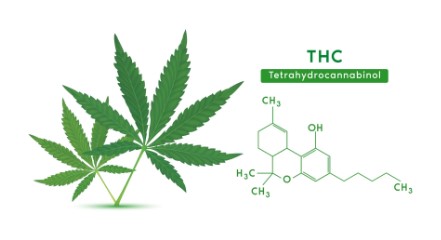
Because THC is fat-soluble, it tends to stay in the body longer than water-soluble drugs. This means marijuana metabolites can accumulate with repeated use and slowly release over time, extending detection periods.
2. Factors Affecting How Long Marijuana Stays in Your System
a. Frequency of Use
- Single-use: THC may clear in a few days.
- Moderate use (a few times a week): Detectable for up to a week.
- Chronic use (daily): Metabolites may remain for 3–4 weeks or longer.
- Heavy, long-term use: In extreme cases, THC can be detectable for over 60 days.
b. Dosage and Potency
High-THC strains, concentrates, and edibles introduce more cannabinoids into the system, extending the metabolization period.
c. Body Fat and Metabolism
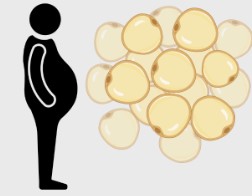
THC is lipophilic and binds to fat. People who have more body fat might hold onto THC for longer. Similarly, slower metabolic rates result in longer clearance times.
d. Hydration and Physical Activity

Hydration can slightly reduce metabolite concentration in urine, while exercise can release THC from fat stores, potentially increasing levels temporarily.
3. Marijuana Detection Windows by Test Type
a. Urine Testing (most common)
Urine tests target the THC-COOH metabolite. The detection windows vary based on usage patterns:
- Occasional use (1 time): 3–7 days
- Moderate use (3–4 times/week): 7–14 days
- Frequent use (daily): 15–30+ days
- Heavy long-term use: 30–60+ days
Urine testing is favored in workplace and legal settings because it’s non-invasive and inexpensive. However, it detects only past use, not current intoxication.
b. Blood Testing
Blood tests detect THC itself, not its metabolites. Because THC is quickly metabolized and redistributed to fat tissues:
- Occasional users: Detectable for 6–24 hours
- Frequent users: Up to 7 days in rare cases
Blood tests are more likely to be used in situations requiring recent-use verification (e.g., DUI investigations).
c. Saliva Testing
THC is detectable in saliva for a relatively short time, which makes it useful for detecting recent use:
- Occasional use: 24–72 hours
- Chronic use: Up to 1 week
Saliva testing is gaining popularity for roadside drug testing due to its ability to identify recent cannabis exposure.
d. Hair Testing
Hair tests detect THC metabolites embedded in hair shafts:
- Standard window: Up to 90 days (depending on hair length)
Each 1.5 inches of hair represents approximately 90 days of history. Hair testing is not effective for identifying very recent or infrequent use and is more likely to yield positive results from long-term heavy users.
4. Breakdown of Metabolism Timeline
After consumption:
- THC appears in plasma within minutes (smoking) or up to an hour (edibles).
- Peak levels occur within 3–10 minutes after inhalation and around 2 hours for ingestion.
- Half-life of THC in plasma is 1.6 to 3.8 days for chronic users.
However, full elimination takes longer due to storage in fat and slow release into the bloodstream.
5. False Positives and Testing Sensitivity
a. False Positives
Some over-the-counter medications (like ibuprofen) and certain hemp-derived CBD products with trace THC could potentially trigger false positives, especially on initial immunoassay screenings.
b. Cutoff Levels
Most drug tests have established thresholds to avoid false positives:
- Urine tests: 50 ng/mL THC-COOH (common cutoff)
- Saliva: 4–50 ng/mL of parent THC
- Hair: 1 pg/mg of THC-COOH
Gas chromatography–mass spectrometry (GC-MS) confirmatory tests offer greater specificity and accuracy after a preliminary positive screen.
6. Can You Speed Up THC Elimination?
There is no guaranteed method to rapidly eliminate THC, but some strategies may help:
- Hydration: Helps dilute urine, but labs can detect dilution.
- Exercise: May mobilize fat-stored THC, though this can temporarily increase blood THC levels.
- Healthy diet: May aid in general detoxification, but does not significantly shorten detection time.
- Detox products: Often marketed for fast cleansing but largely lack scientific evidence.
Abstinence and time remain the most effective methods for ensuring a clean test.
7. Marijuana and Chronic Detection
a. Chronic Use and Saturation
With chronic use, THC and its metabolites accumulate in fat tissue and organs. Even after cessation, the body slowly releases them, extending the detection window dramatically.
b. Withdrawal Monitoring
In clinical detox or treatment settings, persistent THC metabolites can be tracked for several weeks post-abstinence. Some individuals test positive intermittently for up to 77 days due to slow release.
8. Implications for Medical vs. Recreational Use
- Medical cannabis users may have consistent THC levels, complicating interpretation in drug tests.
- Legal and employment policies may not differentiate between impairment and the mere presence of metabolites.
- Drivers and machinery operators should be aware that THC’s impairment window (4–6 hours for smoking, 6–8+ hours for edibles) is much shorter than the detection window.
9. Key Takeaways
| Factor | Duration THC is Detectable |
|---|---|
| Urine (single use) | 3–7 days |
| Urine (chronic use) | Up to 60+ days |
| Blood (single use) | 6–24 hours |
| Blood (chronic use) | Up to 7 days |
| Saliva | 1–7 days |
| Hair | Up to 90 days |
- THC’s detectability is influenced by frequency, potency, metabolism, and test type.
- Urine tests are the most commonly used and reflect past exposure, not impairment.
- Blood and saliva tests are better for assessing recent use.
- Hair tests offer a long detection window but are less sensitive to infrequent use.
Understanding how long marijuana lasts in your system is crucial for personal awareness, legal compliance, and employment considerations. While the effects of cannabis may wear off in a matter of hours, the residue it leaves behind in your body can linger for days, weeks, or even months depending on individual usage patterns and the sensitivity of the test involved.
