Table of Contents
How long does marijuana last
The duration marijuana remains active in the body and its psychoactive effects can vary considerably based on several key factors, including the method of consumption, dosage, frequency of use, body chemistry, and the specific strain.
1. Duration of Effects: How Long Does the High Last?
The length of the psychoactive effects from marijuana use largely depends on the route of administration.
A. Smoking or Vaping
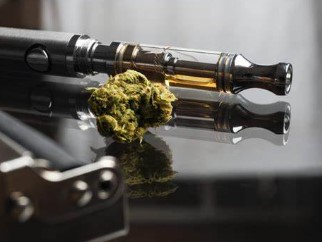
- Onset: Within 1–10 minutes.
- Peak effects: 15–45 minutes after inhalation.
- Duration: 2–4 hours (up to 6 hours in sensitive users or with high THC strains).
- Comedown: Mild lingering effects may last another 1–2 hours.
Mechanism: THC enters the bloodstream through the lungs, reaching the brain quickly. This rapid bioavailability leads to an almost immediate high, but it also wears off faster than other methods.
B. Edibles (Ingested Cannabis)
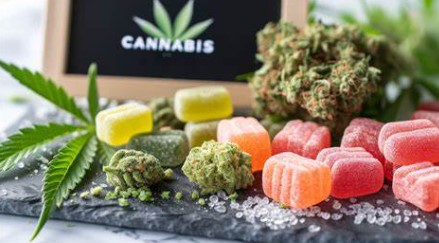
- Onset: 30–90 minutes.
- Peak effects: 2–4 hours after consumption.
- Duration: 6–8 hours (some effects may persist for up to 12 hours).
- Comedown: Fatigue or sleepiness can last several hours beyond the peak.
Mechanism: When THC is metabolized by the liver, it converts into 11-hydroxy-THC, a more potent substance that more effectively penetrates the blood-brain barrier. This results in a stronger and longer-lasting high compared to smoking or vaping.
C. Tinctures and Sublinguals
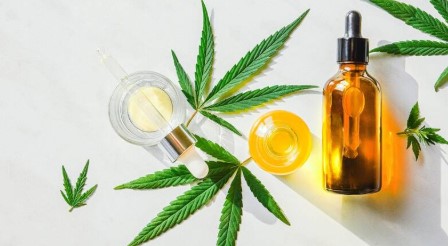
- Onset: 15–45 minutes.
- Duration: 4–6 hours.
- Peak effects: Around 1–2 hours after dosing.
These are absorbed through mucous membranes under the tongue, leading to quicker effects than edibles but longer than smoking.
D. Topicals (Non-psychoactive)
- Topical cannabis products (e.g., balms, creams) are not typically psychoactive unless they contain transdermal delivery agents. If psychoactive, effects are localized and minimal in systemic impact.
2. Factors Affecting the Duration of Effects
A. Tolerance and Frequency of Use
- Occasional users: Effects may last longer and feel more intense.
- Chronic users: May experience shorter or less intense highs due to cannabinoid receptor downregulation.
B. THC Potency
Strains with high THC content (20–30%+) typically produce longer and stronger effects. Concentrates (wax, shatter, dabs) can contain 60–90% THC and may produce effects lasting 6–8+ hours.
C. Individual Metabolism and Body Composition
- THC may be stored longer in people with higher fat contents.
- Faster metabolisms clear cannabinoids more rapidly, reducing the duration of both the high and detectability.
3. How Long Does Marijuana Stay in Your System? (Detection Window)
Detection doesn’t refer to the “high” but rather how long THC or its metabolites can be identified in body fluids and tissues through drug tests.
A. Urine Tests (Most Common)
- Single use: 1–3 days.
- Moderate use (3–4 times/week): 5–7 days.
- Chronic use (daily): 10–15 days.
- Heavy chronic use (multiple times per day): 30–60+ days.
Urine tests look for the inactive metabolite THC-COOH, which is fat-soluble and slowly excreted.
B. Blood Tests
- Single use: 1–2 days.
- Chronic use: Up to 7 days, sometimes longer in heavy users.
Blood tests are most effective for identifying recent use (within hours) due to the rapid clearance of THC from blood plasma.
C. Saliva Tests
- Occasional use: 1–3 days.
- Frequent use: Up to 7 days.
Saliva tests are often used in roadside testing due to ease of collection and relatively recent-use sensitivity.
D. Hair Tests
- Detects use for up to 90 days (sometimes longer).
- However, it requires around 1.5 inches of hair and may not detect infrequent use reliably.
4. Scientific Insights: THC Metabolism and Persistence
THC (Δ9-tetrahydrocannabinol) is metabolized primarily in the liver by cytochrome P450 enzymes (especially CYP2C9 and CYP3A4). The active metabolite (11-OH-THC) is more potent than THC and contributes to the intensity of effects in edibles. It is then further metabolized into inactive THC-COOH, which is stored in fat tissues and gradually eliminated.
Factors influencing metabolism include:
- Genetic differences in liver enzymes.
- Gender (women may retain cannabinoids longer due to higher body fat).
- Hydration and physical activity (increased fat burning can release THC into the bloodstream).
5. Comparative Overview: Different Consumption Methods
| Method | Onset | Duration | Peak Time | Psychoactive Strength | Notes |
|---|---|---|---|---|---|
| Smoking | 1–10 min | 2–4 hrs | 30–60 min | Moderate–Strong | Quick relief, short-lived high |
| Vaping | 1–5 min | 2–4 hrs | 30–60 min | Stronger than smoking | Cleaner intake, fast onset |
| Edibles | 30–90 min | 6–8 hrs | 2–4 hrs | Very Strong | Easy to overdose without careful dosing |
| Tinctures | 15–45 min | 4–6 hrs | 1–2 hrs | Moderate–Strong | Good for medical dosing |
| Topicals | N/A | N/A | N/A | Non-psychoactive | Used for localized pain relief |
6. Lingering Effects and Cognitive Impact
Even after the peak effects wear off, some users especially occasional or first-time users may experience residual effects such as:
- Fatigue
- Impaired short-term memory
- Reduced coordination
- Dry mouth or dry eyes
- Increased appetite (“munchies”)
These effects can last for several hours after the high subsides, particularly following high-dose edible consumption.
7. Implications for Driving and Safety
The psychoactive effects of THC impair motor skills, reaction time, and decision-making ability. Research shows that even after the user feels “sober,” subtle cognitive impairment may last up to 24 hours, particularly after high doses.
Most traffic safety agencies advise waiting at least:
- 4–6 hours after smoking, and
- 8–12 hours after edibles before driving.
8. Strategies to Reduce Duration or Aid Clearance
Though you can’t instantly remove THC from your system, a few strategies may slightly hasten clearance:
- Hydration: Supports kidney function but does not directly affect fat-stored THC.
- Exercise: Can release THC from fat but may temporarily increase blood THC.
- Diet: High-fiber diets support elimination via feces, which is the major route for THC-COOH.
- Abstinence: Time is the only proven method to clear the system fully.
9. Medical Considerations
For medical cannabis patients, long-lasting effects (especially from tinctures or edibles) may be beneficial for chronic conditions like:
- Neuropathic pain
- Insomnia
- Multiple sclerosis spasticity
- Chemotherapy-induced nausea
- Anxiety (with caution, as high-THC strains can worsen it)
However, the prolonged effects must be balanced with side-effect profiles and personal tolerances.
Summary
The duration marijuana “lasts” depends on two contexts:
- How long you feel the effects (the high):
- 2–4 hours for smoking/vaping
- 6–12 hours for edibles
- How long it stays in your system (detection):
- 3 days to 2 months depending on use frequency and test type.
Understanding these timelines helps individuals manage cannabis use safely and responsibly, whether for medical therapy or recreational enjoyment.
