Table of Contents
How long does edible marijuana stay in your system
Edible marijuana products, often referred to simply as “edibles,” are a popular and potent way of consuming cannabis. Unlike smoking or vaping, edibles deliver cannabinoids via the digestive system, which significantly alters their pharmacokinetics the way the body processes them. Understanding how long marijuana edibles stay in your system depends on a variety of factors including dosage, frequency of use, body composition, metabolism, and testing methods.

1. How Edibles Work in the Body
Edibles are consumed orally and processed through the gastrointestinal (GI) tract. This route of administration significantly alters the metabolism of tetrahydrocannabinol (THC), the main psychoactive component in cannabis.
When ingested:
- THC is absorbed through the intestines and metabolized by the liver.
- In the liver, delta-9 THC is converted into 11-hydroxy-THC, a more potent and longer-lasting metabolite.
- 11-hydroxy-THC crosses the blood-brain barrier more effectively, resulting in more intense and prolonged effects compared to smoking.
Onset and Duration:
- Onset: 30–90 minutes
- Peak effects: 2–4 hours
- Total duration: 6–12 hours, though residual effects can linger up to 24 hours in some users.
2. Detection Windows by Test Type
How long edible marijuana stays in your system varies significantly depending on the type of drug test:
a. Urine Tests
Urine tests are the most common for employment and legal screenings.
- Occasional Users (1-3 times per week): THC may be detectable for 3–7 days.
- Moderate Users (4+ times per week): Detectable for 1–2 weeks.
- Daily Users: Up to 30 days or longer, especially if using high-dose edibles regularly.
Urine tests detect the non-psychoactive metabolite THC-COOH, which is stored in fat and released slowly over time.
b. Blood Tests
Blood tests detect active THC and its metabolites in the bloodstream.
- Occasional Users: Detectable for 12–24 hours after ingestion.
- Frequent Users: Up to 3–7 days, particularly with high-dose edibles.
However, because blood tests detect active THC, they’re more commonly used in accidents, DUIs, or clinical settings where recent use is relevant.
c. Saliva Tests
Saliva testing is less commonly used for edibles because oral THC doesn’t remain in the mouth like it does with smoked cannabis.
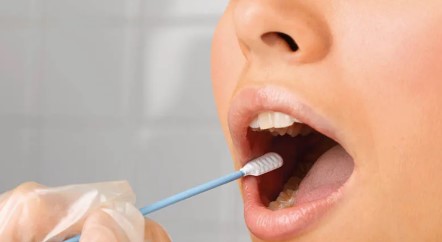
- Occasional Users: Detectable for up to 24 hours.
- Frequent Users: Possibly up to 72 hours.
However, because edibles bypass the mouth, saliva tests are less reliable for them than for smoked forms.
d. Hair Tests
The longest detection window is found in hair testing.
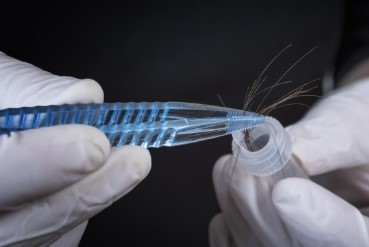
- THC can be detectable in hair for up to 90 days or more.
- Even a single use may be detected if the sample includes a recent growth segment.
Hair tests are rarely used except in forensic, legal, or custody-related contexts due to their long detection windows and higher costs.
3. Factors Affecting How Long Edibles Stay in Your System
Several individual and contextual factors influence THC metabolism and detection:
a. Frequency of Use
Regular or chronic users will retain THC metabolites much longer than occasional users. Daily consumers accumulate THC in fat tissues, prolonging its release into the bloodstream and urine.
b. Dosage
Higher doses, such as those found in medical edibles (e.g., 50–100 mg THC per serving), increase the time THC remains detectable, especially in urine and hair.
c. Body Fat and BMI
THC attaches to fat because it is lipophilic. People with higher body fat percentages tend to store THC longer, which can prolong detection time.
d. Metabolism
Individuals with faster metabolisms may clear THC more quickly, while those with slower metabolic rates may retain it longer.
e. Hydration and Diet
While drinking water or eating healthy won’t eliminate THC, hydration can help dilute urine, which might slightly reduce metabolite concentration. However, drug labs often account for dilution.
f. Liver Function
Because the liver metabolizes THC into 11-hydroxy-THC and later into THC-COOH, individuals with impaired liver function may experience delayed elimination.
4. Edibles vs. Smoking: Duration in the Body
The method of cannabis consumption heavily influences both effect duration and detection windows.
| Factor | Edibles | Smoking/Vaping |
|---|---|---|
| Onset | 30–90 min | 5–10 min |
| Peak | 2–4 hours | 30–60 min |
| Duration | 6–12 hours | 1–3 hours |
| Detection in Urine | Up to 30 days | Up to 30 days |
| Detection in Blood | Up to 7 days | 1–2 days |
| Metabolite Strength | Stronger (11-hydroxy-THC) | Weaker (delta-9-THC) |
5. Eliminating THC After Consuming Edibles
There is no guaranteed way to flush THC from the body quickly, but certain practices can support natural elimination:
- Exercise: Mobilizes fat stores where THC is retained, though this may temporarily increase THC levels in the blood.
- Hydration: Promotes kidney function but won’t “flush” THC entirely.
- Time: The only proven method to clear THC is abstinence and time.
- Detox Products: These often mask urine dilution or attempt to accelerate metabolism, but results are mixed, and labs are adept at spotting adulteration.
6. Medical and Legal Implications
For medical users, understanding elimination time is crucial when discussing treatment plans or preparing for surgeries where anesthesia interactions may occur. THC and its metabolites may interfere with certain medications.
In legal contexts, particularly in employment or probationary settings, users should be aware that even residual THC metabolites can be grounds for a failed test regardless of impairment.
Furthermore, in states or countries with zero-tolerance laws, edible use even days or weeks prior could result in legal consequences if THC is still present in urine or blood.
7. Summary and Key Takeaways
- Edibles stay in your system longer than smoked cannabis due to slower digestion and conversion to longer-lasting metabolites.
- Urine tests can detect THC for up to 30 days in heavy users, though occasional users may clear it in 3–7 days.
- Saliva and blood tests are more suited for recent use, but detection windows vary widely by individual.
- Multiple factors such as frequency of use, dosage, body fat, and metabolism influence how long THC remains detectable.
- The best way to eliminate THC is through natural metabolism over time; detox products have inconsistent results and may be flagged in testing.
Final Note
Because edible marijuana use can linger in your system for days or even weeks, users especially those subject to drug testing should plan accordingly. Whether for medical use, recreation, or legal compliance, understanding the science of THC metabolism is critical to making informed decisions about cannabis consumption.
