Table of Contents
How long does being high last?
Overview of Cannabis Effects and Duration
Cannabis, scientifically referred to as Cannabis sativa, has been utilized in both medicinal and recreational contexts for millennia. Its effects are primarily attributed to its cannabinoid compounds, with delta-9-tetrahydrocannabinol (THC) being the predominant psychoactive element. A thorough understanding of the effects and duration of cannabis is essential for users, medical practitioners, and policy makers to ensure its responsible usage.
Pharmacodynamics of Cannabis
Cannabis interacts with the body’s endocannabinoid system, which regulates a variety of physiological and cognitive processes including appetite, pain sensitivity, mood, and memory. THC targets this system, specifically bonding with receptors in the brain, altering neurotransmitter activity, and resulting in cannabis’s noted psychoactive outcomes.
Psychological Effects
The psychological impact of cannabis varies greatly and is influenced by factors such as dosage, consumption method, individual physiological traits, and the environment of use. Notable psychological effects include:
- Euphoria: This feeling of heightened well-being or happiness is often one of the initial effects perceived by users.
- Perceptual Changes: Users might notice altered perceptions of time and space and enhanced sensory experiences, which can increase the enjoyment of music, art, and tactile sensations.
- Anxiety or Paranoia: In some cases, especially at higher doses, users may experience heightened anxiety or paranoid thoughts.
- Relaxation: Many report a significant reduction in stress and increased relaxation, making cannabis a popular choice for anxiety relief.
- Cognitive Impairment: During use, cannabis may hinder short-term memory and diminish concentration.
Physical Effects
Physically, cannabis use can lead to:
- Pain Relief: Its analgesic properties are particularly valued in the management of chronic pain.
- Increased Appetite: Often referred to as “the munchies,” this effect is beneficial for patients needing to stimulate appetite, such as those undergoing chemotherapy.
- Dry Mouth and Red Eyes: These are frequent, though harmless, side effects.
- Motor Skills Impairment: This effect can compromise the ability to operate vehicles or machinery safely.
- Heart Rate Variability: Cannabis may cause heart rate fluctuations, posing risks for individuals with cardiac conditions.
Duration of Effects
The duration of cannabis’s effects depends on the strain and strength of the product used, consumption method, and individual metabolic and tolerance levels. Typically:
- Inhaled Cannabis: Smoking or vaporizing delivers effects almost immediately, lasting about 2 to 3 hours with peak effects within the first 30 minutes.
- Ingested Cannabis: Edibles have a delayed onset, from 30 minutes to 2 hours, but the effects can persist for up to 8 hours or longer.
Conclusion
The effects of cannabis are highly individualized, necessitating cautious use, particularly by novices and those employing it for therapeutic purposes. Legal and health professionals should take these variable impacts and durations into account when formulating usage guidelines and policies. Ongoing research is expected to further refine our understanding of the beneficial and adverse effects of cannabis, enhancing guidance and regulatory frameworks for its use.
Factors Influencing How Long a High Lasts
The duration of the psychoactive effects induced by cannabis, commonly known as a “high,” varies widely among users. This variation is due to a multitude of factors that influence the onset and longevity of the effects. An understanding of these factors is essential for both medicinal and recreational users to manage and predict the impact of their cannabis use effectively.
1. Consumption Method
How cannabis is consumed significantly impacts how quickly the effects are felt and how long they last:
- Inhalation (Smoking or Vaporizing): This method allows cannabinoids to enter the bloodstream quickly through the lungs, producing effects within minutes. The effects typically last between 2 to 3 hours.
- Ingestion (Edibles): Consuming cannabis in edible form involves metabolization by the liver, which converts THC into a more potent form, delaying the onset of effects to anywhere between 30 minutes to 2 hours, but extending the duration to potentially over 8 hours.
2. THC Potency
The level of THC in the cannabis product directly affects the intensity and duration of the high. Higher concentrations of THC lead to stronger and longer-lasting effects, while lower concentrations tend to result in a more subdued and shorter experience.
3. Individual Biological Factors
Various personal physiological and biological factors also determine the duration of cannabis effects:
- Metabolic Rate: Individuals with a faster metabolism will process THC more quickly, reducing the duration of its effects.
- Body Composition: Since THC is fat-soluble, those with higher body fat may experience a slower release of THC back into the bloodstream, thus prolonging the effects.
- Tolerance Levels: Regular users may develop a tolerance, necessitating higher quantities to achieve the same effects, which could also modify the duration of the high.
4. Cannabinoid Composition
The presence of other cannabinoids like CBD and various terpenes alongside THC can modify the psychoactive effects through the entourage effect. Strains with a balanced ratio of CBD to THC tend to have less intense psychoactive properties and may alter the duration of the high.
5. Usage Environment
The setting in which cannabis is consumed can influence the perception of time and the duration of the high. Experiences in comfortable, familiar surroundings may seem shorter compared to those in unfamiliar or stressful settings.
Conclusion
The length of time a cannabis high lasts depends on a complex interaction of consumption methods, THC potency, individual physiological characteristics, the cannabinoid profile of the strain, and the environmental context of use. Users should consider these factors to optimize their cannabis experiences. With continued research and deeper understanding of cannabis, individuals can more effectively tailor their use to align with their specific needs and preferences.
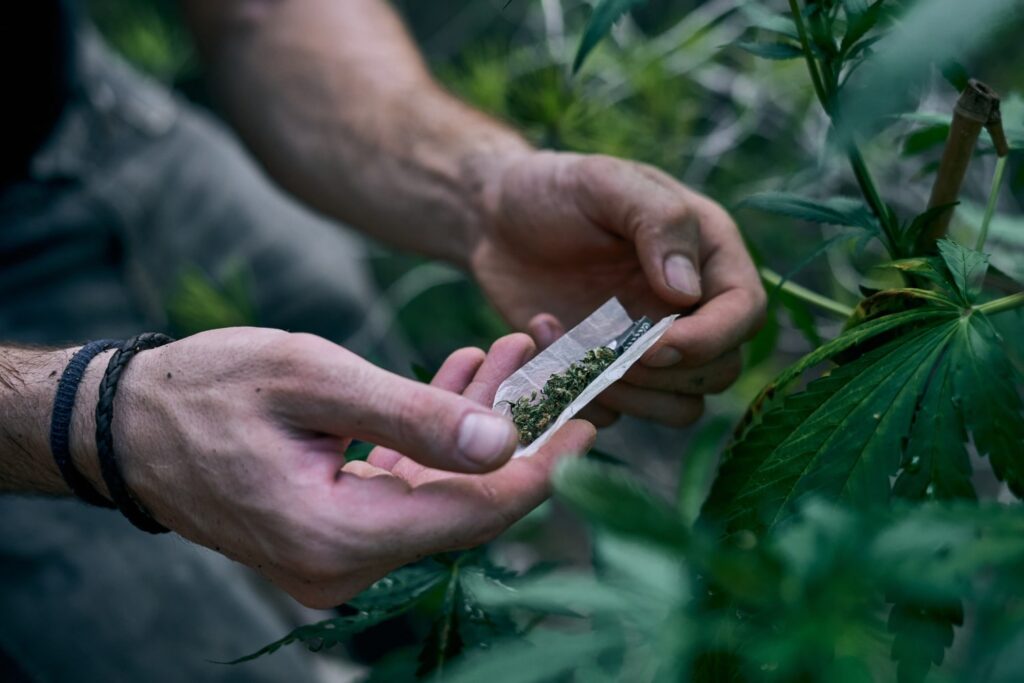
Comparison of Different Cannabis Strains and Potency
Cannabis, which serves both medicinal and recreational purposes, showcases a variety of strains, each defined by distinct profiles of cannabinoids and terpenes. These compositions significantly influence a strain’s potency, therapeutic efficacy, and the sensory experiences it can provide. An in-depth understanding of these variations is crucial for users who seek particular effects, whether for symptom relief, enjoyment, or spiritual pursuits.
Cannabinoid Composition and Potency
The primary psychoactive component of cannabis, delta-9-tetrahydrocannabinol (THC), is largely responsible for the plant’s euphoric effects. Another major cannabinoid, cannabidiol (CBD), does not produce psychoactive effects but offers various health benefits, such as reducing inflammation and alleviating anxiety. The THC to CBD ratio varies widely across different strains, affecting their potency and the specific experiences or benefits they deliver.
- High-THC Strains: Often favored by recreational users, these strains deliver potent psychoactive effects and are popular for their strong euphoria. Strains like ‘Blue Dream’ and ‘OG Kush’ are noted for high THC levels, commonly associated with boosting creativity and aiding relaxation.
- High-CBD Strains: These strains are typically chosen for medicinal uses since CBD helps manage conditions like anxiety, chronic pain, and epilepsy without inducing a psychoactive high. Strains such as ‘Charlotte’s Web’ and ‘ACDC’ are rich in CBD and have minimal THC content, ideal for users seeking medicinal benefits without the high.
- Balanced THC/CBD Strains: These strains provide a combination of mild euphoric and therapeutic effects, making them suitable for users who desire relief along with a moderate high. An example is ‘Harlequin’, which offers a balanced mix of THC and CBD.
Impact of Terpene Profiles
Terpenes, the aromatic compounds in cannabis, significantly enhance the effects of cannabinoids through the entourage effect, influencing the strain’s therapeutic properties and sensory profile. Examples include:
- Myrcene: Predominant in strains like ‘Granddaddy Purple’, it is renowned for its calming effects.
- Limonene: Found in invigorating strains such as ‘Super Lemon Haze’, it is celebrated for its mood-enhancing properties.
- Pinene: Present in ‘Jack Herer’, it is appreciated for its anti-inflammatory benefits.
Effects of Cultivation on Potency
The environment in which cannabis is cultivated, including factors like lighting, soil quality, and humidity, also plays a crucial role in determining the cannabinoid and terpene levels of the plants. Indoor cultivation environments, which allow for controlled growing conditions, typically produce strains with higher potencies compared to those grown outdoors, where natural environmental variations can affect growth.
Conclusion
The variety among cannabis strains, with their unique cannabinoid and terpene configurations, provides a wide range of possible effects and therapeutic benefits. It is essential for consumers to understand these differences to select strains that align with their specific needs and preferences. Continued research into cannabis will further refine our understanding of how these compounds interact, improving our ability to customize cannabis products to better meet individual consumer needs.
Edibles vs. Smoking: Duration of Effects
Cannabis can be consumed in multiple forms, each offering distinct modes of delivery and differing durations of effect. The two most common methods, smoking and consuming edibles, significantly vary not only in their onset and intensity but also in the length of time their effects are experienced by the user. Understanding these differences is crucial for both recreational and medicinal users in selecting the appropriate method of consumption to achieve desired outcomes.
Duration of Effects: Smoking Cannabis
Smoking cannabis is characterized by the inhalation of smoke or vapor from burning plant materials. When cannabis is smoked, THC enters the lungs and is quickly absorbed into the bloodstream, allowing effects to appear almost immediately, typically within minutes. The peak effects are usually felt within the first 10 to 30 minutes after consumption, with the overall duration of effects lasting between 2 to 3 hours. This method is favored for its rapid onset, which allows users to gauge their tolerance and adjust consumption accordingly in a short period.
Duration of Effects: Consuming Edibles
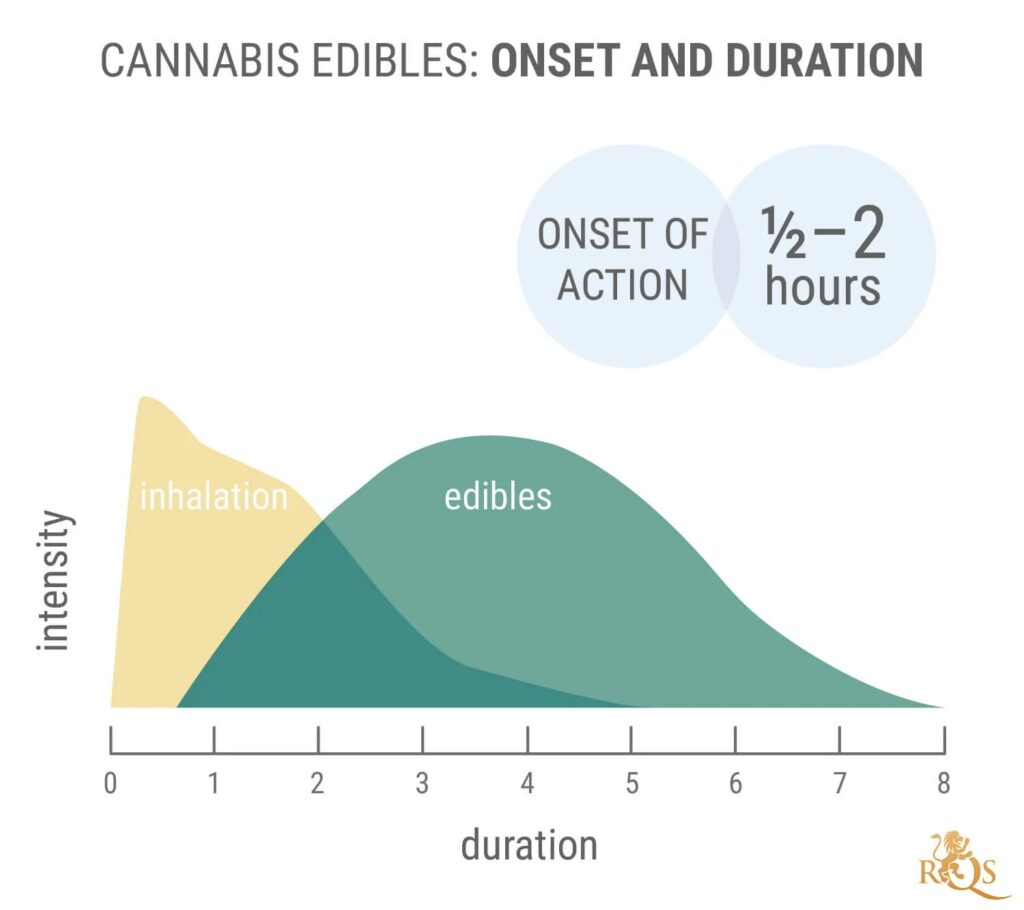
In contrast, edibles involve consuming cannabis-infused products such as baked goods, candies, and beverages. When cannabis is ingested, THC is absorbed through the digestive system and metabolized in the liver where it is converted into 11-hydroxy-THC, a potent psychoactive form of THC. This process results in a delayed onset of effects, typically taking 30 minutes to 2 hours to manifest. However, the effects of edibles are generally more prolonged and can last anywhere from 4 to 8 hours or longer, depending on the dose and individual metabolism. This extended duration makes edibles particularly useful for medicinal users who require long-lasting relief but can pose challenges for those unaccustomed to managing the potent and sustained effects.
Factors Influencing Duration of Effects
The duration of effects for both smoking and edibles can vary based on several factors including the individual’s metabolism, body mass, and tolerance to cannabis. Furthermore, the potency of the THC in the cannabis strain, along with the presence of other cannabinoids and terpenes, can affect both the intensity and duration of effects. For smokers, the technique of inhalation also impacts the duration, with deeper inhalations leading to more prolonged effects due to increased absorption of cannabinoids.
Conclusion
Choosing between smoking and consuming edibles depends significantly on the user’s needs and preferences. Smoking offers a shorter, more controllable experience, ideal for recreational users who appreciate the ability to quickly reach and come down from the peak effects. Edibles provide a longer-lasting, more intense experience, suited for medicinal users or those who prefer a prolonged effect without the need for frequent dosing. Understanding these distinctions helps users make informed decisions about their cannabis consumption, aligning their choices with their health objectives and lifestyle requirements.
The Role of Tolerance in Cannabis Use
Tolerance is a physiological process wherein continued use of a substance leads to reduced effects of that substance over time, necessitating higher doses to achieve the same level of effect. In the context of cannabis use, tolerance significantly affects both the therapeutic efficacy and the recreational experience. Understanding the mechanisms of tolerance, its implications for users, and strategies for managing it is crucial for safe and effective cannabis consumption.
Mechanisms of Cannabis Tolerance
Cannabis tolerance primarily develops due to alterations in the brain’s endocannabinoid system, which includes the cannabinoid receptors that interact with THC (tetrahydrocannabinol), the psychoactive component of cannabis. Frequent stimulation of these receptors by THC leads to several adaptive responses:
- Receptor Desensitization: Continuous exposure to THC can cause cannabinoid receptors to become less responsive.
- Receptor Downregulation: Prolonged THC exposure can result in a decrease in the number of cannabinoid receptors on cell surfaces.
- Neuronal Adaptation: The neurons may adjust their activity to compensate for the continuous presence of THC, diminishing its effects.
Implications of Tolerance
The development of tolerance can have several implications for cannabis users:
- Increased Consumption: Users may consume larger amounts of cannabis to achieve desired effects, potentially leading to increased costs and greater risk of side effects.
- Reduced Medical Benefits: For medicinal users, increased tolerance can diminish the effectiveness of cannabis in managing symptoms, complicating long-term treatment strategies.
- Dependency Risks: Escalating use due to tolerance may increase the risk of cannabis dependency or substance use disorder.
Management Strategies for Cannabis Tolerance
Managing tolerance is important for maintaining the effectiveness of cannabis, whether used for medicinal or recreational purposes. Several strategies can help mitigate tolerance development:
- Tolerance Breaks: Periodically abstaining from cannabis use, known as a “tolerance break” or “T-break,” can help reset the endocannabinoid system. Even short breaks of a few days can significantly reduce tolerance.
- Dose Variation: Alternating between higher and lower doses, or changing the frequency of use, can prevent the endocannabinoid system from becoming overly accustomed to a consistent level of THC.
- Strain Rotation: Using different strains of cannabis with varying THC/CBD ratios and different profiles of cannabinoids and terpenes can prevent the development of tolerance by engaging different receptors or pathways.
- Balanced Use: Incorporating non-psychoactive cannabinoids like CBD into a cannabis regimen can modulate the effects of THC and potentially reduce the rate at which tolerance develops.
Conclusion
Tolerance plays a significant role in the consumption of cannabis and poses challenges to both recreational and medicinal users. By understanding the mechanisms and consequences of tolerance, individuals can employ effective strategies to manage it, ensuring that cannabis use remains effective and enjoyable. As research continues to explore the intricacies of cannabis and its effects on the body, further insights will likely aid in developing more refined approaches to tolerance management and optimization of cannabis therapy.
Short-Term vs. Long-Term Effects of Cannabis
Cannabis, derived from the Cannabis sativa plant, is widely used for both its therapeutic properties and recreational benefits. The plant contains multiple cannabinoids, with delta-9-tetrahydrocannabinol (THC) being the primary psychoactive component. Cannabis effects can be divided into short-term and long-term categories, each affecting users differently based on various factors, including strain type, consumption method, and individual biological differences. Comprehensive knowledge of these effects is essential for users to manage their consumption responsibly.
Short-Term Effects of Cannabis
The immediate effects of cannabis are diverse and can vary significantly from one individual to another. Common short-term effects include:
- Psychoactive Responses: Users typically experience enhanced mood, relaxation, altered sensory perceptions, and occasionally, heightened anxiety or paranoia.
- Cognitive Effects: Impairments in short-term memory, concentration, and decision-making are common, which can interfere with daily activities like driving.
- Physical Symptoms: Immediate physiological changes may include an accelerated heart rate, dry mouth, red eyes, and depending on the strain, either stimulation or sedation.
- Increased Appetite: Cannabis is known for its ability to stimulate appetite, commonly causing cravings for food soon after ingestion.
Long-Term Effects of Cannabis
The long-term impacts of cannabis use are more complex and currently the focus of extensive research. Notable long-term effects include:
- Cognitive Health: Long-term, frequent usage, especially beginning in adolescence, may lead to a decline in certain cognitive functions, which might partially recover after stopping use.
- Mental Health Risks: There is a correlation between sustained cannabis use and an elevated risk of psychiatric disorders such as schizophrenia, particularly in genetically susceptible individuals.
- Respiratory Health: Similar to tobacco smoke, prolonged inhalation of cannabis smoke can lead to respiratory problems like chronic bronchitis; however, links to lung cancer are still under investigation.
- Addiction and Withdrawal: Regular consumption can lead to cannabis addiction, marked by tolerance to and withdrawal symptoms from the drug, including mood swings, sleep disruption, and appetite loss.
Risk Mitigation Strategies
Recognizing the distinct short-term and long-term effects of cannabis enables users and healthcare professionals to better manage potential health risks. Effective strategies might include:
- Controlled Usage: Advising users, particularly young people, to limit consumption to avoid adverse long-term health effects.
- Alternative Methods: Promoting the use of vaporizers or edible cannabis products as safer alternatives to smoking.
- Educational Programs: Implementing educational programs that detail both the positive and negative aspects of cannabis use to inform public choices.
Conclusion
The impact of cannabis involves a spectrum of short-term and long-term effects that vary based on many factors. While there are undeniable benefits for both medicinal and recreational use, the risks, especially with long-term or heavy use, are non-trivial. Continued research and proactive educational efforts are vital to ensure that cannabis use is safe and informed, optimizing its benefits while minimizing risks.
Tips for Managing the Duration of a High
The effects of a cannabis-induced high vary greatly in both duration and intensity based on several key factors, including the consumption method, the specific cannabis strain used, and individual biological differences. Effective management of these effects is crucial for medicinal users seeking specific therapeutic outcomes and recreational users looking for a pleasant experience. This document provides detailed guidelines for regulating the duration and intensity of a cannabis high.
Understanding Different Methods of Consumption
- Inhalation: Inhaling cannabis through smoking or vaporizing leads to a quick onset of effects, generally occurring within minutes. This method allows users to more easily regulate the duration since the effects typically peak swiftly and decline after a few hours. Users can control the duration by adjusting the quantity consumed and the intervals between inhalations.
- Edibles: The effects from edibles are more extended and can last for several hours due to their delayed onset, which can range from 30 minutes to two hours. Because of this prolonged effect, it is crucial to dose cautiously. Users should start with a small amount and wait to feel the initial effects before consuming more to prevent an excessively intense high.
Strategies for Dose Regulation
- Gradual Incrementation: Particularly important for those new to cannabis or experimenting with a new form, the strategy of starting with a small dose and slowly increasing it allows users to determine their personal tolerance and avoid overwhelming effects.
- Maintaining Consistency: For frequent users, keeping a consistent dosage can help manage the effects more predictably, reducing the likelihood of unexpected or unpleasant experiences.
Lifestyle Factors
- Hydration and Nutrition: Proper hydration and eating a well-balanced meal before using cannabis can help alleviate some intense side effects, such as dizziness or nausea, and provide a more stable physiological response to cannabis.
- Environment and Emotional State: The setting in which cannabis is used can significantly influence the perception of its effects’ duration and intensity. Consuming cannabis in a comfortable, secure environment and maintaining a positive mood can improve the overall experience and ease of management.
Incorporating CBD for Balance
- Using CBD to Moderate THC Effects: CBD (cannabidiol) can mitigate the psychoactive impacts of THC. Opting for cannabis strains or products that include CBD can help temper the intensity and length of the high, leading to a more controlled and enjoyable experience.
Conclusion
Managing the duration of a cannabis high effectively ensures a positive and controlled cannabis experience. By comprehensively understanding the various methods of consumption, employing careful dose control, considering important lifestyle factors, and using CBD to balance THC’s effects, users can achieve a desirable balance in their cannabis use. These guidelines are invaluable for newcomers and medicinal users alike, aiding in achieving beneficial effects while minimizing any adverse reactions.
Common Experiences During the Come-Down Phase
The come-down phase following the use of cannabis marks the period during which the drug’s primary effects wane, and the user gradually reverts to their normal state of functioning. This phase can vary widely among individuals based on several factors, including the consumption method, the cannabis strain’s potency, the user’s tolerance, and their overall health condition. Proper understanding of what occurs during this phase is crucial for both novice and seasoned cannabis users to manage their consumption responsibly and ensure a smooth transition to normalcy.
Typical Experiences During the Come-Down Phase
Users often report a range of physical and psychological sensations as the effects of THC decrease. These include:
- Fatigue: A prevalent sensation of tiredness or exhaustion is common, particularly with strains high in the sedative terpene myrcene.
- Mood Fluctuations: Some users may experience shifts in mood or a slight depressive state as the initial euphoria or relaxation begins to fade.
- Cognitive Impediments: A lingering fog or mental sluggishness may persist, making it difficult for users to focus or engage in mentally demanding activities.
- Continued Physical Relaxation: Although the primary relaxing effects diminish, a residual feeling of physical calm or heaviness often remains.
- Sensory Sensitivity: Major perceptual alterations subside, yet minor sensory sensitivities, like heightened awareness to light or sound, may linger.
- Appetite Variability: While intense cravings associated with “the munchies” lessen, appetite levels may still fluctuate as the body adjusts.
Strategies for Managing the Come-Down Phase
Adopting certain strategies can facilitate a smoother come-down experience:
- Hydration and Nutrition: Drinking water and eating a nutritious meal can alleviate some discomforts such as headaches or lethargy.
- Rest and Minimal Activity: Engaging in restful activities and steering clear of physically or cognitively strenuous tasks can ease the transition.
- Supportive Environment: Staying in a tranquil and secure setting during the come-down phase can help reduce potential anxiety and create a supportive atmosphere for recovery.
- Mindful Practices: Implementing mindfulness techniques or participating in light activities like walking or enjoying calming music may help manage emotional shifts and aid in stabilization during the come-down.
Conclusion
The come-down phase is a natural and expected aspect of cannabis use that varies significantly among users. Recognizing the typical experiences and implementing effective strategies to manage them ensures a safe and comfortable return to baseline functionality. This knowledge is vital for responsible use of cannabis, especially for those utilizing it for medical purposes or those new to its effects.
Medical Perspectives on Cannabis Intoxication Duration
Cannabis intoxication, characterized by the effects stemming from the consumption of cannabis, primarily revolves around the psychoactive influence of delta-9-tetrahydrocannabinol (THC). The medical community has thoroughly researched how long these effects last, as this knowledge is crucial for treating various conditions with cannabis-based therapies, including pain management and psychological disorders. This discussion aims to provide a detailed examination of the duration of cannabis intoxication from a medical standpoint, highlighting influential factors and their clinical implications.
Factors Influencing Intoxication Duration
The length of time cannabis intoxication lasts varies significantly among individuals and is influenced by several critical factors:
- Method of Consumption: Different methods of cannabis ingestion affect the onset and duration of effects. Inhalation (via smoking or vaporizing) typically leads to a faster onset of effects, which peak within minutes and tend to last about 2 to 3 hours. Oral ingestion, such as through edibles, has a slower onset, with peak effects occurring around 2 to 3 hours after consumption and lasting from 4 to 8 hours or more.
- Dosage and Potency: The quantity and strength of THC consumed directly impact how long the intoxication lasts. Higher doses and stronger strains prolong the effects.
- Individual Physiology: Metabolic rate, body mass, health status, and tolerance levels significantly affect the duration of intoxication.
- Cannabinoid Profile: The presence of other cannabinoids like CBD and different terpenes can alter THC’s effects, potentially modifying the intoxication period.
Clinical Implications
Understanding the duration of cannabis intoxication is essential for several reasons:
- Treatment Planning: For therapeutic cannabis use, accurately timing dosage is crucial to effectively manage symptoms such as pain or nausea.
- Safety Guidelines: Knowledge of how long a patient remains impaired is vital for advising against potentially hazardous activities like driving.
- Drug Interactions: The intoxication period can affect how cannabis interacts with other medications, requiring careful coordination to avoid negative interactions.
Management Strategies
Healthcare professionals advocate for several strategies to effectively manage the duration of cannabis intoxication:
- Patient Education: It is important to educate patients on the impacts of different consumption methods and dosages.
- Ongoing Monitoring: Continually assessing the effects and side effects of use can help in fine-tuning dosages to balance therapeutic benefits against unwanted effects.
- Supportive Guidelines: Offering advice on what activities to avoid during intoxication and providing recommendations for nutrition and hydration can help manage the effects more effectively.
Conclusion
The duration of cannabis intoxication varies widely, influenced by multiple factors that need to be considered when using cannabis medically. Medical professionals must take these factors into account when prescribing cannabis and advising patients on its use. By understanding and managing how long the effects of cannabis last, healthcare providers can optimize the therapeutic benefits while ensuring patient safety and minimizing potential risks.
