Table of Contents
How Long Do Edibles Last
Understanding Edibles: Definition and Types
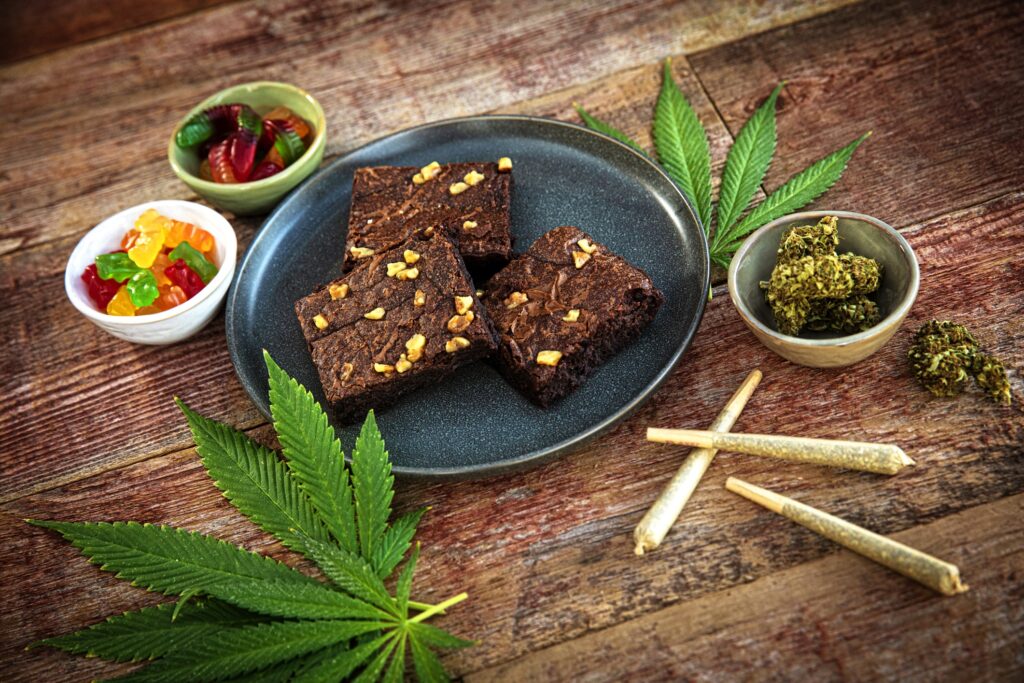
Edibles, as commonly understood in the realm of cannabis use, are food items infused with cannabinoids like THC (tetrahydrocannabinol) and CBD (cannabidiol), extracted from the cannabis plant. These substances are incorporated into a variety of food products, offering an alternative to smoking or vaporizing cannabis.
- Defining Edibles
Edibles represent ingestible forms of cannabis that don’t rely on combustion to activate their compounds. Unlike smoking, which heats cannabinoids for release, edibles contain already activated cannabinoids, achieved through the cooking process. This method is valued for its discretion, ease, and avoidance of inhalation risks tied to smoking.
- Types of Edibles
The spectrum of edibles is vast, tailored to diverse tastes. They can be generally categorized into three main types:
- Food Items: This group encompasses chocolates, cookies, brownies, gummies, and similar snacks infused with cannabis. These items are favored for their convenience and familiarity as dietary options.
- Beverages: Cannabis-infused drinks like teas, sodas, and even alcoholic beverages offer a liquid alternative. They’re gaining popularity, especially in regions where cannabis is legally available for recreational use.
- Dissolvable Cannabinoid Powders: These are newer entrants in the edible market. These powders can be mixed into any food or beverage, making them remarkably adaptable for cannabis consumption.
- Consumption Considerations
The effects of edibles can markedly differ from smoked cannabis. Significantly, edibles typically exhibit a delayed onset of effects, ranging from 30 minutes to two hours, influenced by individual metabolic rates and the presence of other ingested substances. Additionally, their effects can last longer and be more potent, necessitating careful dosage management to prevent adverse experiences.
Conclusion
Edibles represent a distinct and expanding approach to cannabis use. With their range and simplicity, they provide a valuable option for users looking to sidestep the hazards of smoking. Nevertheless, it is essential for both new and experienced users to understand the potency and delayed onset of effects associated with edible cannabis products to ensure a safe and enjoyable experience.
Shelf Life: How Long Do Edibles Remain Potent?
Consuming edibles, which are food items infused with cannabis extracts, constitutes a substantial portion of the legal cannabis market. These products encompass a wide range from baked goods and gummies to beverages and dissolvable powders. Understanding the shelf life and potency retention of edibles is vital for consumers aiming for both safety and effectiveness. This discussion seeks to shed light on the factors affecting the duration and potency of these products, offering guidance on optimal storage practices.
- Influencing Factors on Shelf Life
The longevity of edibles is primarily dictated by the base food product rather than the infused cannabinoids. Elements such as the type of edible, ingredients utilized, and storage conditions significantly influence how long these products remain fresh and potent:
- Type of Edible: Baked goods like cookies and brownies might deteriorate more rapidly due to their perishable components, while gummies and hard candies typically have a lengthier shelf life owing to their sugar content and low moisture levels.
- Ingredients: Components such as dairy and eggs in baked edibles can degrade swiftly, curtailing their shelf life. Incorporating preservatives and food stabilizers can prolong the viability of specific products.
- Storage Conditions: Exposure to heat, light, air, and moisture can accelerate the degradation of both the food items and the cannabinoids.
- Maintaining proper storage conditions is imperative to uphold the potency and safety of edibles.
- Potency Over Time
The potency of edibles hinges not only on the shelf life of the base product but also on the stability of the cannabinoids within:
- Cannabinoid Degradation: THC, the primary psychoactive compound in cannabis, can degrade into CBN (cannabinol), altering the effects, over time. This process accelerates under improper storage conditions.
- Temperature and Light: Cannabinoids are sensitive to temperature variations and light exposure, leading to THC breakdown, diminishing efficacy, and altering the intended effects of the edibles.
- Storage Best Practices
To optimize the shelf life and potency of edibles, several storage practices should be adopted:
- Temperature Control: Storing edibles in cool, dark environments is crucial. Refrigeration or freezing can significantly extend the lifespan of perishable items.
- Airtight Containers: Utilizing airtight containers safeguards edibles from air and moisture, which can induce spoilage and potency decline.
- Light Avoidance: Housing edibles in opaque containers that shield them from light prevents cannabinoid degradation.
Conclusion
The shelf life and potency of edibles are subject to various factors, including the nature of the base food product, ingredient composition, and storage conditions. Adhering to proper storage protocols is essential to preserve their quality and effectiveness. Consumers are encouraged to follow manufacturer guidelines and employ effective storage methods to ensure that their edibles retain potency and remain safe for consumption throughout their designated shelf life.

Storage Tips: Best Practices for Preserving Edibles
As the demand for cannabis-infused edibles continues to rise, grasping the nuances of proper storage techniques becomes imperative to uphold their freshness, flavor, and pharmacological potency. Edibles span a diverse array of products, from baked goods to candies and beverages, each necessitating specific storage conditions to safeguard their quality and efficacy. This discourse offers a comprehensive overview of the optimal storage practices for edibles.
- Understanding Degradation
Central to edible storage is the concern over the deterioration of both the food product and the active cannabinoids it contains. Factors contributing to degradation include:
- Exposure to Air: Oxygen can induce the oxidation of cannabinoids and food constituents, resulting in flavor and potency degradation.
- Light: UV and artificial light can instigate chemical reactions that degrade cannabinoids and alter the taste and safety profile of the edible.
- Heat: Elevated temperatures can expedite cannabinoid breakdown and heighten the risk of spoilage in perishable items.
- Moisture: Humidity fosters mold and bacterial growth, particularly detrimental to perishable edibles.
- Optimal Storage Conditions
To mitigate degradation risks and prolong the shelf life of edibles, maintaining the following storage conditions is crucial:
- Temperature Control: Preserve edibles in a cool environment, ideally at room temperature or lower. Refrigeration suits perishable products like baked goods and dairy-based treats, while non-perishable items like hard candies and chocolates fare best in a cool, dry pantry.
- Light Prevention: Store edibles in opaque containers that block out light. Dark glass or solid, non-transparent containers serve to inhibit light-induced degradation.
- Air-Tight Sealing: Utilize air-tight containers to minimize oxygen exposure. Vacuum-sealed bags prove effective for long-term storage.
- Moisture Control: In regions with high humidity, employ desiccants—moisture-absorbing materials—to maintain a dry storage environment.
- Specific Considerations by Edible Type
- Baked Goods: Refrigerate or freeze cookies and cakes in air-tight containers, consuming them within recommended use-by dates to deter spoilage.
- Gummies and Candies: Keep these in cool, dry locations, adding silica gel packets to the containers to absorb excess moisture and prevent stickiness or melting
- Beverages: Maintain infused drinks in the refrigerator, tightly sealed, to retain freshness and prevent taste or potency alterations.
- Labeling and Organization
Maintaining an organized storage system with clearly labeled containers facilitates consumption within optimal freshness periods. Labels should feature:
- Date of Purchase: Enables tracking of storage duration.
- Expiration Date: Ensures products are consumed before quality or potency decline.
- Product Type and Dosage: Aids quick identification and prevents accidental overconsumption.
Conclusion
Effective storage of cannabis-infused edibles is pivotal for preserving their quality, safety, and therapeutic efficacy. By comprehending the factors underlying edible degradation and adhering to recommended storage conditions, consumers can ensure that their edibles retain potency and enjoyment throughout their intended shelf life. Adherence to these guidelines maximizes both the pleasure and therapeutic benefits offered by cannabis edibles.
Factors Influencing the Longevity of Edibles
Preserving edibles, especially those infused with cannabis, poses distinct challenges due to the nature of the ingredients involved and the specific requirements for maintaining cannabinoid potency. This analytical discussion delves into the myriad factors impacting the durability and efficacy of edibles, elucidating the mechanisms through which these factors exert their influence.
- Ingredient Composition
The constituents of an edible profoundly affect its shelf life. Edibles crafted from perishable ingredients like dairy, eggs, or fresh fruit naturally degrade faster. Conversely, those incorporating preservatives, sugars, and salts tend to enjoy prolonged shelf lives due to the inherent preservation properties of these substances.
- Cannabinoid Stability
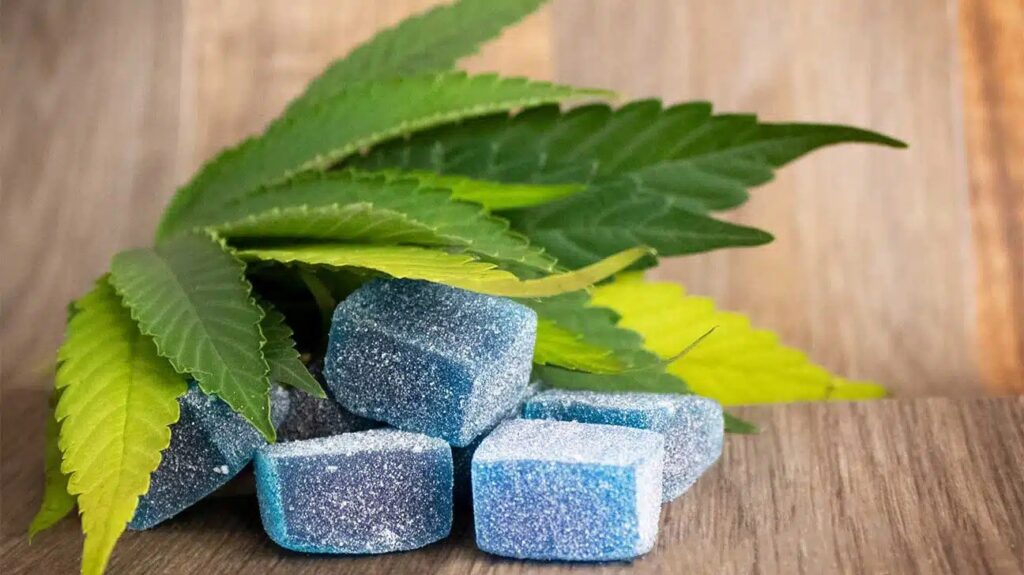
Cannabinoids, the active agents in cannabis-infused edibles, are vulnerable to degradation under environmental influences. THC, the primary psychoactive component, may degrade into cannabinol (CBN) via oxidation, impacting potency over time. Thus, cannabinoid stability is pivotal in preserving the efficacy of edibles.
- Environmental Conditions
Storage environments significantly impact the shelf life of edibles:
- Temperature: High temperatures hasten the degradation of both edibles and cannabinoids, whereas extreme cold can alter texture and flavor.
- Humidity and Moisture: Excess moisture fosters microbial growth and mold, particularly problematic for perishable edibles. Maintaining humidity control is imperative for preventing spoilage.
- Light Exposure: UV and artificial light accelerate oxidative stress on cannabinoids, diminishing potency and altering chemical composition.
- Packaging
Appropriate packaging is crucial in mitigating environmental risks:
- Air and Light Protection: Airtight, opaque containers shield against oxidation and light-induced degradation.
- Moisture Control: Incorporating moisture-absorbent materials helps regulate humidity, especially in humid climates.
- Microbial Activity
Microbial presence impacts edibles’ spoilage:
- Water Activity: Products with high water content are more prone to microbial growth, jeopardizing safety and quality. Preservatives and refrigeration are employed to deter microbial proliferation.
- Preservatives and Additives
Preservatives play a vital role in extending edibles’ shelf life:
- Oxidation and Microbial Inhibition: Preservatives curb oxidation and microbial growth, bolstering longevity. Both natural options like ascorbic acid and commercial stabilizers are utilized based on desired shelf life and edible characteristics.
Conclusion
Edibles’ longevity hinges on a complex interplay of ingredient composition, cannabinoid stability, environmental factors, packaging, microbial activity, and preservative use. Grasping and managing these variables are essential for maximizing edibles’ shelf life, potency, and safety. By adopting rigorous storage and preservation practices, both producers and consumers can significantly enhance the durability and quality of these products.
Signs of Spoilage: When to Discard Your Edibles
Properly assessing spoilage in cannabis-infused edibles is paramount to safeguarding consumer safety and preserving their intended therapeutic benefits. Like all food items, edibles are susceptible to spoilage stemming from various environmental and biological factors. This document outlines the primary indicators of spoilage in edibles and provides guidance on when to discard these products to prevent adverse health consequences.
- Visual Cues
Visual inspection is an immediate method for gauging spoilage. Key visual indicators include:
- Mold Growth: The presence of mold, manifesting as fuzzy white, green, or black spots, signals that edibles should be discarded. Mold typically develops due to improper storage conditions like excessive moisture or inadequate refrigeration.
- Discoloration: Any abnormal changes in color, hinting at oxidation or microbial growth, serve as warning signs. For instance, a brownie assuming an unusual shade of green may suggest contamination or chemical alterations.
- Olfactory Clues
Smell serves as a potent indicator of spoilage. Edibles emitting foul or unexpected odors are likely compromised. Specific olfactory signs include:
- Rancidity: Oils and fats in edibles can turn rancid when exposed to air or light over time, emitting a sharp and unpleasant odor.
- Mustiness: A musty or moldy scent often precedes visible mold growth, indicating the inedibility of the product.
- Textural Transformations
Alterations in texture can also indicate spoilage:
- Unusual Firmness or Softness: For example, unexpectedly hard cookies or overly soft gummy bears may have undergone undesirable chemical alterations.
- Sliminess: In items with high moisture content like fruit-based edibles, a slimy texture may indicate bacterial growth.
- Taste Modifications
While tasting should be approached cautiously, any unexpected flavor changes can signal spoilage. A sour or bitter taste in an edible meant to be sweet or neutral strongly suggests it should not be consumed.
- Expiration Date
Though not always indicative of spoilage, the manufacturer-provided expiration or best-by date offers a guideline for expected product integrity. Consuming edibles beyond this date heightens the risk of ingesting a degraded or potentially harmful product.
- Packaging Integrity
Compromised packaging, such as tears, punctures, or broken seals, exposes edibles to air, moisture, and contaminants. Such breaches often accelerate spoilage and product degradation.
Conclusion
Recognizing signs of spoilage in edibles is essential to prevent the consumption of unsafe products. Visual alterations, odors, texture changes, taste variations, and packaging integrity are critical cues that warrant immediate disposal of affected items. Adhering to these guidelines ensures that consuming cannabis-infused edibles remains a safe and pleasurable experience.
Potency Over Time: Does It Change?
Concerns regarding the stability of cannabinoid content in cannabis-infused edibles are paramount for consumers, given their implications for efficacy, safety, and dosing accuracy. This comprehensive examination delves deeply into the factors influencing cannabinoid degradation in edibles and how these alterations can impact potency and therapeutic value.
- Cannabinoid Deterioration
Cannabinoids, notably tetrahydrocannabinol (THC) and cannabidiol (CBD), undergo degradation when exposed to environmental elements like light, heat, and oxygen. This degradation not only diminishes the potency of these compounds but can also modify their pharmacological effects:
- THC to CBN Transformation: THC, renowned for its psychoactive traits, can degrade into cannabinol (CBN), which is characterized by sedative effects rather than psychoactivity.
- CBD Stability: While CBD generally exhibits more stability than THC, it remains susceptible to similar degradation processes, potentially compromising its effectiveness over time.
- Influential Factors on Degradation
The pace of cannabinoid degradation in edibles hinges on several pivotal factors:
- Temperature: Elevated temperatures hasten cannabinoid degradation. Storing edibles in cool, consistent environments is crucial for maintaining potency.
- Light: Exposure to ultraviolet and visible light accelerates cannabinoid oxidation, leading to substantial potency loss. Edibles should be housed in opaque, light-resistant containers to counteract this effect.
- Oxygen: Oxidative stress significantly contributes to cannabinoid degradation. Utilizing airtight packaging helps minimize oxygen exposure, thereby preserving the active ingredients in edibles.
- Impact of Base Product
The medium in which cannabinoids are incorporated can also impact their stability. Edibles containing certain preservatives or antioxidants may aid in stabilizing cannabinoids, whereas those with high fat content may expedite degradation due to rancidity and oxidative reactions.
- Storage Practices
Prudent storage practices are pivotal in mitigating cannabinoid degradation:
- Refrigeration: Particularly beneficial for perishable edibles, refrigeration slows down the chemical reactions responsible for cannabinoid degradation.
- Airtight Containers: Minimizing air exposure is paramount for preserving cannabinoid integrity. Vacuum-sealed containers prove highly effective in this regard.
- Darkness: Storing edibles in dark environments or containers prevents light-induced degradation.
- Testing and Monitoring
Regular testing of cannabinoid content over time furnishes valuable insights into cannabinoid stability in various edible formulations. This data aids both consumers and manufacturers in understanding expected shelf life and potency timelines.
Conclusion
The potency of cannabinoids in edibles undergoes alterations over time, influenced by environmental factors, storage conditions, and the inherent properties of the base product. Grasping these factors is crucial for consumers and manufacturers alike to ensure edibles are consumed within their optimal potency range and stored under conditions conducive to minimizing degradation. Proper handling and storage are essential for upholding the efficacy and safety of cannabis-infused edibles, thereby supporting their therapeutic and recreational applications.
Safe Consumption: Guidelines and Considerations
With the growing availability and popularity of cannabis-infused edibles, there is an increasing need for thorough guidelines to ensure their safe consumption. Given the unique pharmacokinetics and effects of edibles compared to other cannabis products, consumers must be particularly vigilant about dosage, onset times, and potential risks. This discussion aims to delineate essential safety considerations and offer structured guidelines for the responsible use of cannabis edibles.
- Dosage Understanding
Precision in dosing is paramount when consuming cannabis edibles. Unlike inhalation methods that yield almost immediate effects, edibles necessitate longer metabolization times, leading to delayed onset of effects.
- Initiate with a Low Dosage: For newcomers, it’s advisable to commence with a low dose (typically ranging from 1-5 mg of THC) to gauge individual tolerance and avert adverse effects.
- Patience and Evaluation: Due to the delayed onset, lasting from 30 minutes to 2 hours, individuals should wait at least two hours before contemplating an additional dose to prevent overindulgence.
- Onset and Duration of Effects
The effects of edibles endure significantly longer compared to smoking or vaporizing cannabis:
- Prolonged Duration: Edible effects can persist from 4 to 12 hours, with peak effects usually manifesting 2 to 4 hours post-consumption.
- This extended duration requires careful planning to avoid disruption to daily activities such as driving or operating machinery.
- Risk of Overconsumption
The delayed onset often precipitates overconsumption, particularly among novices:
- Symptom Awareness: Consumers must recognize symptoms of overindulgence, such as confusion, paranoia, nausea, vomiting, and in severe instances, hallucinations. Familiarity with these signs enables individuals to respond appropriately by seeking a safe environment or medical aid if needed.
- Interaction with Other Substances
Cannabis may interact with alcohol, prescription medications, and over-the-counter drugs, potentially amplifying effects unpredictably:
- Avoid Mixing: It’s prudent to abstain from combining alcohol or other substances that might influence THC metabolism and effects, especially during initial edible use.
- Legal Compliance
Familiarity with local laws and regulations pertaining to cannabis purchase, possession, and consumption is imperative:
- Adherence to Local Laws: Users must ensure their consumption practices align with local regulations, encompassing age restrictions and possession limits.
- Storage and Accessibility
Ensuring proper storage of edibles is essential to prevent accidental ingestion, particularly by children or pets:
- Secure Storage: Edibles should be stored in child-resistant packaging and positioned in a secure area inaccessible to children and pets, mitigating the risk of inadvertent consumption and subsequent adverse effects.
- Education and Awareness
Acquiring knowledge about the specific product being consumed, including potency and ingredients, is vital for safe consumption. Labels and lab results furnish valuable information regarding cannabinoid content and the presence of potential allergens or irritants.
Conclusion
Responsible consumption of cannabis-infused edibles demands a comprehensive grasp of dosage, effects, potential risks, and legal frameworks. By adhering to these guidelines, consumers can ensure a safe, enjoyable, and informed experience with edibles. Emphasis on education, cautious dosing, and proper storage serves to mitigate risks associated with these potent products.
Legal and Health Considerations for Edibles Storage
The management of cannabis-infused edibles demands stringent attention to various crucial legal and health considerations to ensure their safety, adherence to regulations, and the preservation of their quality. As the usage of these products escalates, it becomes essential to comprehend the regulatory structures and health implications tied to their appropriate storage. This text provides an in-depth review of the essential legal and health considerations necessary for the storage of cannabis-infused edibles.
- Compliance with Legal Regulations
The storage of cannabis-infused edibles is critically governed by legal requirements that vary by jurisdiction:
- Child-Resistant Packaging: Various regions mandate that cannabis products, including edibles, be kept in child-resistant packaging to avert accidental consumption by minors, potentially leading to severe health consequences.
- Labeling Requirements: Legally required labeling must encompass details like potency, expiration dates, and warnings about consumption, ensuring that users are well-informed about the product’s nature and safe use.
- Secure Storage: Legislation frequently mandates that cannabis products be stored in ways that limit unauthorized access, especially by minors and pets. This may include using lockable storage containers or designated, secure compartments within a residence.
- Preservation of Potency and Quality
Ensuring the potency and quality of edibles is critical not just for consumer satisfaction but also for health reasons, as deterioration can result in unpredictable dosing and effectiveness:
- Temperature Control: Edibles should be kept in cool, consistent conditions to prevent the breakdown of active cannabinoids and spoilage of the product.
- Protection from Light and Air: Light and air exposure can hasten the oxidation and degradation of cannabinoids. Storing edibles in opaque, airtight containers can effectively reduce these risks.
- Prevention of Contamination and Spoilage
The way edibles are stored directly impacts health safety, especially in terms of preventing contamination and spoilage:
- Moisture Control: Moisture can foster mold and bacterial growth. Employing dehumidifying methods or refrigeration is essential in humid environments or for products susceptible to moisture.
- Sanitary Storage Conditions: Storage containers and areas must be maintained clean to prevent the introduction of harmful contaminants that could affect the safety and efficacy of the edibles.
- Avoiding Unintended Consumption
The risk of accidental or unintended ingestion of cannabis-infused edibles poses significant health dangers, particularly to children and unknowing adults:
- Discreet Storage: Edibles should be stored securely and discreetly to prevent attracting the attention of children and visitors unaware of their cannabis content.
- Education and Awareness: It is vital to educate household members on the presence and impacts of edibles, emphasizing the importance of their careful management and storage.
- Adherence to Expiry Dates
It is crucial for health safety to understand and adhere to the expiration dates of cannabis-infused edibles:
- Regular Inventory Checks: Conducting regular checks of the edibles’ expiry dates and general condition can help avoid the consumption of spoiled or ineffective products.
Conclusion
The effective storage of cannabis-infused edibles is a complex interaction of legal compliance, health safety, and the maintenance of product integrity. By following legal guidelines, implementing robust preservation strategies, and ensuring secure and clean storage conditions, the risks associated with storing and consuming edibles can be substantially reduced. Both consumers and distributors are responsible for maintaining these standards to guarantee the safe and responsible utilization of these potent products.
