How Long Do Cannabis Seeds Last? A Comprehensive Guide for Medical Cannabis Growing
Cannabis cultivation, particularly for medical purposes, requires meticulous planning and care. One critical aspect of this planning involves the viability of cannabis seeds. Understanding how long cannabis seeds last is crucial for ensuring a successful grow cycle, whether you are a professional cultivator or a medical patient growing your own plants. In this comprehensive guide, we will explore the factors that influence the longevity of cannabis seeds, best practices for storage, and how to determine the viability of seeds over time. We’ll focus on the context of medical cannabis growing, ensuring that all information provided is aligned with the goal of producing high-quality medical cannabis, free from any recreational intent or consumption methods.
1. The Lifespan of Cannabis Seeds: An Overview
Cannabis seeds, like all seeds, have a finite lifespan. This lifespan is determined by several factors, including the genetics of the seed, the conditions under which it is stored, and how it is handled. Generally, cannabis seeds can remain viable for several years if stored properly, but their viability decreases over time.
1.1. Genetic Factors
A cannabis seed’s longevity is mostly determined by its genetic composition. Some strains are naturally more resilient, while others may lose viability more quickly. This genetic variability means that not all seeds will last the same amount of time, even under identical storage conditions. In the context of medical cannabis, where consistency and reliability are paramount, selecting seeds from reputable sources with a strong genetic lineage is essential.
1.2. Environmental Factors
Environmental conditions are perhaps the most significant factor in determining how long cannabis seeds last. The three main environmental factors that influence seed viability are temperature, humidity, and light exposure.
- Temperature: Seeds should be stored in a cool, stable environment. Fluctuations in temperature can damage the seeds, reducing their lifespan. Ideally, seeds should be stored at a temperature between 4°C and 8°C (39°F and 46°F), which mimics the natural conditions in which seeds would be kept dormant in the wild.
- Humidity: Humidity levels are critical to seed longevity. Excessive humidity can cause mold to grow and other problems that can ruin seeds. Conversely, very low humidity can cause seeds to dry out and lose their viability. About 20% to 30% humidity is the ideal range for keeping cannabis seeds.
- Light Exposure: It is best to keep cannabis seeds in a dark place. Exposure to light can trigger the germination process prematurely or degrade the seed over time. Keeping seeds in an opaque, airtight container can protect them from light exposure.
2. Best Practices for Storing Cannabis Seeds
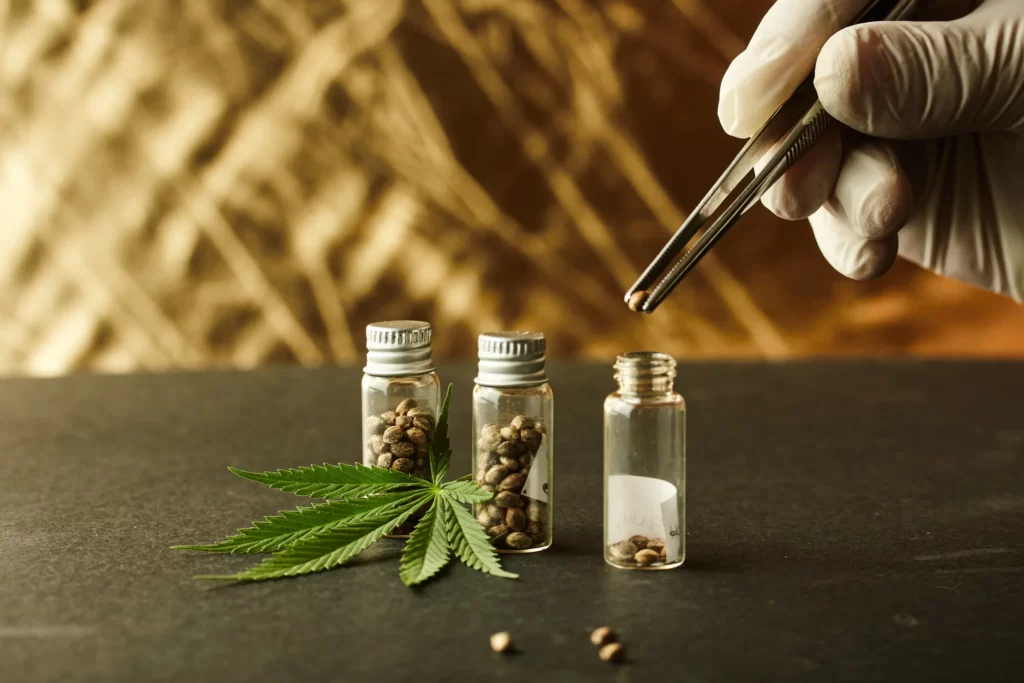
To maximize the lifespan of cannabis seeds, proper storage is essential. This section will delve into the best practices for storing seeds, with a focus on preserving their viability for medical cannabis cultivation.
2.1. Selecting the Right Container
The type of container used for seed storage can make a significant difference in how long the seeds remain viable. The ideal container should be airtight to prevent exposure to air and moisture. Common choices include:
- Vacuum-Sealed Bags: Since they eliminate the majority of the air surrounding the seeds, they are great for long-term storage since they lower the chance of oxidation and moisture infiltration.
- Glass Jars with Rubber Seals: Glass jars can also be effective, especially when combined with desiccant packs to absorb any residual moisture. The rubber seal ensures the jar remains airtight.
- Opaque Plastic Containers: While not as effective as glass, opaque plastic containers can still provide a suitable storage environment if kept in the right conditions.
2.2. Temperature and Humidity Control
As mentioned earlier, temperature and humidity are critical to seed longevity. For those who plan to store seeds for an extended period, investing in a dedicated storage space with climate control can be beneficial. A refrigerator set to the right temperature range can be an ideal storage solution. However, it’s important to avoid frequently opening the refrigerator, as this can cause temperature fluctuations.
Using desiccant packs within storage containers can help maintain the ideal humidity level. These packs absorb excess moisture, preventing the seeds from becoming too moist, which could lead to mold growth.
2.3. Avoiding Physical Damage
Physical damage to seeds can significantly reduce their viability. This damage can occur during handling or as a result of improper storage. To avoid this, seeds should be handled as little as possible and with care. When storing seeds in containers, ensure they are not crushed or exposed to pressure that could crack their outer shell.
3. Testing Seed Viability Over Time
Even with the best storage practices, it’s essential to periodically test the viability of stored seeds, especially if they have been stored for several years. This section will explore methods for testing seed viability without compromising the integrity of the seeds intended for future medical cannabis growing.
3.1. The Float Test
The float test is a simple and non-invasive method to gauge the viability of cannabis seeds. To perform the float test, place the seeds in a glass of distilled water. Seeds that are not viable will float, whereas viable seeds will usually settle to the bottom in a few hours. The test should only be used as a preliminary check, though, as it is not 100% accurate. Seeds that pass the float test should be dried thoroughly before being returned to storage.
3.2. Germination Test
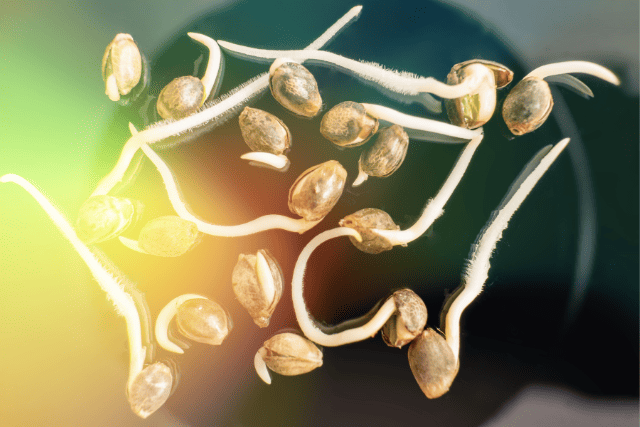
A more accurate way to test seed viability is through germination. Select a small sample of seeds from the stored batch and attempt to germinate them. This can be done by placing the seeds between damp paper towels, ensuring they are kept in a warm, dark place. After 24-72 hours, check if the seeds have sprouted. A high germination rate (80% or higher) indicates that the seeds are still viable.
For medical cannabis growers, maintaining a seed bank with a consistent germination rate is crucial for ensuring a reliable supply of plants with the desired medicinal properties.
4. Seed Longevity and Medical Cannabis Cultivation
The longevity of cannabis seeds has direct implications for medical cannabis cultivation. Understanding how long seeds last and ensuring they remain viable can mean the difference between a successful harvest of medicinal-grade cannabis and a failed crop.
4.1. Planning for Long-Term Cultivation
For medical cannabis growers who plan on cultivating specific strains over several years, seed longevity is a key consideration. Maintaining a seed bank with multiple strains that have known medicinal benefits requires careful planning. This involves not only selecting seeds with strong genetics but also implementing rigorous storage practices.
Seed banks dedicated to medical cannabis cultivation often rotate their stock, using older seeds first and replenishing their stores with fresh seeds regularly. This practice ensures that seeds do not lose viability due to prolonged storage.
4.2. The Role of Genetics in Medical Cannabis
In medical cannabis cultivation, genetic stability and consistency are critical. If seeds are not properly preserved, their genetic integrity may gradually deteriorate over time. This degradation can result in plants that do not exhibit the desired medicinal properties, such as specific cannabinoid profiles or terpene content.
For this reason, medical cannabis growers should prioritize the storage of seeds with stable, well-documented genetics. Regular testing and monitoring of these seeds are necessary to ensure they continue to produce plants with the intended medical benefits.
5. Challenges in Storing Medical Cannabis Seeds
While storing cannabis seeds may seem straightforward, several challenges can arise, particularly for those involved in medical cannabis cultivation. Addressing these challenges is essential to ensure that seeds remain viable and produce high-quality medicinal plants.
5.1. Environmental Fluctuations
One of the most common challenges in seed storage is environmental fluctuations. Cannabis seedlings can be affected by even minute variations in humidity or temperature. For medical cannabis growers, who often require large quantities of seeds, these fluctuations can be particularly problematic. Investing in stable, controlled storage environments is critical to mitigating this risk.
5.2. Contamination Risks
Contamination is another significant challenge. Seeds can be contaminated by mold, bacteria, or pests, all of which can render them non-viable. To prevent contamination, seeds should be stored in sterile conditions, and any seeds that show signs of contamination should be removed from storage immediately.
5.3. Legal and Regulatory Considerations
In some regions, there are strict regulations regarding the storage and use of cannabis seeds, particularly for medical purposes. Medical cannabis growers must ensure that their seed storage practices comply with local laws and regulations. This may include maintaining detailed records of seed provenance, storage conditions, and germination rates.
6. Maximizing Seed Viability for Medical Cannabis Growing
Given the importance of seed viability in medical cannabis cultivation, growers must take proactive steps to maximize the longevity of their seeds. This section will provide practical tips and strategies for ensuring that cannabis seeds remain viable for as long as possible.
6.1. Regular Monitoring and Maintenance
Regularly monitoring the condition of stored seeds is essential. This includes checking the storage environment for any signs of fluctuations in temperature or humidity and inspecting seeds for signs of physical damage or contamination. By staying vigilant, growers can address potential issues before they compromise the viability of the seeds.
6.2. Seed Rotation and Renewal
As mentioned earlier, seed rotation is a common practice among professional growers. This involves using older seeds first and regularly introducing fresh seeds into the storage bank. This practice not only ensures that seeds are used before they lose viability but also helps maintain a diverse and healthy seed bank.
6.3. Advanced Storage Techniques
For those looking to store seeds for extended periods, advanced storage techniques may be necessary. Cryopreservation, for example, involves storing seeds at ultra-low temperatures, which can significantly extend their lifespan. While this method is more complex and costly, it may be worth considering for those involved in large-scale medical cannabis cultivation.
Restrictions on Growing and Using Cannabis in the Medical Field as a Last Resort

The use of cannabis in the medical field remains a topic of considerable debate and regulation worldwide. While many countries and regions have recognized the potential therapeutic benefits of cannabis, they often impose strict restrictions on its use, particularly when it is considered a last resort treatment. These restrictions aim to ensure patient safety, prevent misuse, and regulate the psychoactive effects associated with certain cannabinoids, such as tetrahydrocannabinol (THC).
1. Cannabis as a Last Resort in Medical Treatment
Using cannabis as a last resort typically means that it is considered only after all other conventional treatments have been tried and have failed or are not suitable due to contraindications or severe side effects. Several regulations govern this practice:
- Proof of Exhausted Alternatives: Before cannabis can be prescribed or used, healthcare providers often need to document that all standard treatments have been tried and were either ineffective or caused significant side effects. This process involves a thorough review of the patient’s medical history, a series of trials of approved medications, and consultations with specialists.
- Specific Medical Conditions: Many jurisdictions restrict cannabis use to specific conditions where there is substantial evidence of its efficacy. Commonly accepted conditions include chronic pain, epilepsy, multiple sclerosis, and chemotherapy-induced nausea and vomiting. Even in these cases, cannabis is often considered only when other treatments fail to provide adequate relief.
- Controlled Prescription: When cannabis is used as a last resort, it usually requires a prescription from a licensed healthcare provider. Some regions mandate that only certain specialists, such as neurologists or oncologists, are authorized to prescribe cannabis. The prescription is often subject to review by medical boards or special committees to ensure compliance with regulations.
- Patient Consent and Monitoring: Patients must be fully informed about the risks and benefits of using cannabis, especially regarding its psychoactive effects and potential side effects. Informed consent is a legal requirement, and patients are often required to agree to regular follow-ups to monitor the efficacy and safety of the treatment.
2. Restrictions on Growing Medical Cannabis
Growing cannabis for medical purposes is highly regulated to ensure consistency, safety, and quality. Restrictions on growing medical cannabis can include:
- Licensing and Permits: Individuals or organizations must obtain specific licenses and permits from government authorities to grow cannabis for medical use. The licensing process typically involves rigorous background checks, security assessments, and compliance with stringent agricultural and pharmaceutical standards.
- Cultivation Standards: Regulations often require that cannabis be grown under controlled conditions to ensure that the final product is free from contaminants, such as pesticides, heavy metals, or molds. Standards may include guidelines for soil quality, water sources, pest management, and testing protocols.
- Security Requirements: To prevent unauthorized access or diversion to the recreational market, medical cannabis cultivation sites must adhere to strict security measures. These can include surveillance systems, restricted access areas, secure storage, and regular inspections by regulatory bodies.
- Production Limits: Many regions impose limits on the amount of cannabis that can be grown for medical purposes to prevent oversupply and misuse. Production is often tied to patient demand, and excess production may be destroyed or stored under specific conditions.
- Record Keeping and Reporting: Growers are typically required to maintain detailed records of their cultivation processes, including seed sourcing, plant growth stages, pest management, harvesting, and distribution. Regulatory agencies frequently check these documents to make sure compliance.
3. Monitoring THC Levels to Prevent Psychoactive Effects
One of the main concerns with using cannabis for medical purposes is its potential to cause psychoactive effects, primarily due to the presence of THC. To address this concern, strict guidelines are in place to monitor and control THC levels in medical cannabis products.
- THC Content Regulations: Many jurisdictions set maximum allowable limits for THC content in medical cannabis products. These limits vary depending on the intended use and the product type. For example, products intended for pediatric use or for patients with a history of psychiatric conditions may have much lower THC limits compared to products for adult patients.
- Lab Testing Requirements: All medical cannabis products must undergo rigorous lab testing to determine their cannabinoid content, including THC levels. Testing is conducted by certified laboratories that use standardized methods to ensure accuracy and consistency. Products that do not meet the required THC thresholds are not allowed to be sold or distributed.
- Labeling and Dosing Instructions: Medical cannabis products must be accurately labeled with their THC content and provide clear dosing instructions to help prevent unintentional overconsumption. Labels often include warnings about potential side effects and contraindications, especially regarding THC’s psychoactive effects.
- Monitoring and Adjusting Treatment: Healthcare providers who prescribe cannabis must regularly monitor their patients to assess the treatment’s effectiveness and any adverse effects, including potential psychoactive reactions. Based on these assessments, providers may adjust the dosage or switch to cannabis products with lower THC concentrations.
- Restrictions on Certain Populations: In many cases, there are additional restrictions on prescribing cannabis to vulnerable populations, such as children, pregnant or breastfeeding women, and individuals with a history of substance abuse or psychiatric disorders. These restrictions are designed to prevent adverse effects and mitigate the risk of dependency or mental health complications.
Comprehensive Conclusion
The medical use of cannabis is a rapidly evolving field that balances potential therapeutic benefits with the need for rigorous safety and regulatory standards. Across various areas—from understanding the viability of cannabis seeds to ensuring appropriate use and monitoring in medical treatments—the common theme is a commitment to patient safety, consistency, and compliance with legal frameworks.
- Cannabis Seed Longevity for Medical Cultivation: Proper storage and handling of cannabis seeds are vital for maintaining their viability over time, which directly impacts the quality and consistency of medical cannabis crops. By implementing best practices for storage, including temperature and humidity control, medical cannabis cultivators can ensure a reliable supply of potent, effective strains that meet the specific needs of patients.
- Restrictions on Medical Cannabis Use as a Last Resort: Cannabis is often considered a last-resort treatment when conventional therapies fail to provide relief. This restrictive approach underscores the importance of ensuring that all other viable options have been exhausted before cannabis is introduced. Rigorous documentation, specialist consultations, and patient consent are critical in these cases to guarantee that cannabis is used judiciously and effectively.
- Regulations on Growing Medical Cannabis: The cultivation of cannabis for medical purposes is tightly controlled to maintain high standards of quality and safety. Licensing requirements, stringent cultivation standards, security protocols, and production limits are essential to prevent misuse, ensure product safety, and maintain the therapeutic integrity of the cannabis produced. Compliance with these regulations is crucial for fostering trust among patients and healthcare providers and ensuring that medical cannabis is available for those who truly need it.
- Monitoring THC Levels to Prevent Psychoactive Effects: A primary concern with medical cannabis is its potential to cause unwanted psychoactive effects due to THC. Effective regulation involves setting strict THC content limits, mandatory lab testing, precise labeling, and dosing instructions to mitigate these risks. Regular monitoring of patients and careful selection of cannabis products with controlled THC levels help minimize psychoactive effects and ensure that cannabis is used safely and effectively in medical treatments.
Overall
The integration of cannabis into the medical field is a nuanced process that requires balancing therapeutic potential with the need for safety, regulatory compliance, and patient protection. Whether considering the longevity of seeds for cultivation, the strict criteria for its use as a last resort, or the cultivation and product standards needed to prevent misuse and adverse effects, a comprehensive, well-regulated approach is essential.
By adhering to these standards and continuously refining best practices, the medical cannabis field can provide safe, effective, and reliable options for patients who need them, ensuring that cannabis serves as a valuable tool in the broader landscape of medical treatments.
