Table of Contents
How long can marijuana stay in your system
The length of time marijuana stays in the human body is influenced by multiple physiological, biochemical, and lifestyle factors. Understanding how long cannabis and its metabolites remain detectable in the system is crucial for medical users, recreational consumers, employers, and healthcare professionals.
1. Cannabis Compounds and Their Metabolism
The hallucinogenic chemical delta-9-tetrahydrocannabinol (THC) is the main ingredient in marijuana. Once consumed whether smoked, vaped, or ingested THC is rapidly absorbed into the bloodstream. It is then distributed to fatty tissues and metabolized primarily in the liver.
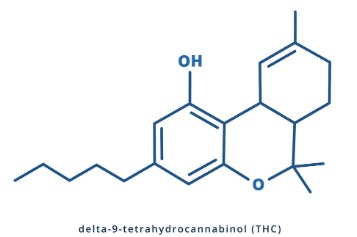
Key metabolites include:
- 11-hydroxy-THC (11-OH-THC) – psychoactive and short-lived.
- 11-nor-9-carboxy-THC (THC-COOH) – non-psychoactive, fat-soluble, and the primary target of drug testing.
THC-COOH binds strongly to lipids and is slowly released back into the bloodstream over time, especially in chronic users.
2. Half-Life and Elimination Dynamics
The biological half-life of THC varies based on usage frequency:
- Single use: ~1–2 days
- Moderate use (2–4x/week): ~3–5 days
- Chronic use (daily or more): 5–13 days or more
However, because THC is fat-soluble, complete elimination may take significantly longer, especially in chronic users. The body releases THC-COOH into the blood as fat reserves are broken down, prolonging detectability.
3. Detection Windows by Testing Method
Different testing methods offer varying detection windows:
a. Urine Testing (Most Common)
Urine tests detect THC-COOH, not active THC.
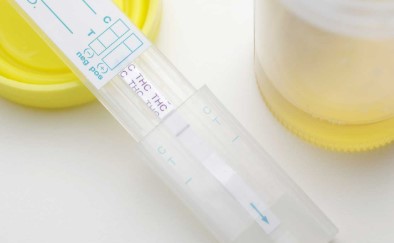
- Single use: 1–3 days
- Moderate use: 5–7 days
- Chronic use: 10–30 days
- Heavy daily use: 30–60+ days
Factors like hydration, metabolism, and body fat percentage affect this window. Urine testing is preferred for workplace screenings due to cost-efficiency and detectability duration.
b. Blood Testing
Blood tests detect active THC and 11-OH-THC.
- Single use: 1–2 days
- Chronic use: up to 7 days
- Intoxication detection: 2–10 hours post-consumption
Blood tests are used in roadside DUI checks or when recent impairment must be established.
c. Saliva Testing
THC can be detected in oral fluid through smoking, vaping, or edibles.
- Single use: 1–3 days
- Chronic use: 1–7 days
Saliva tests are gaining traction in workplace and roadside screening due to their non-invasive nature.
d. Hair Follicle Testing
Hair tests identify long-term use by detecting metabolites deposited in hair shafts from the bloodstream.
- Detection window: up to 90 days (1.5 inches of hair represents about 3 months)
- Drawback: Does not detect recent use (within past few days)
Hair testing is more invasive but highly useful for longitudinal usage patterns.
4. Factors That Affect Duration in the Body
a. Frequency and Amount of Use
- Frequent users accumulate THC-COOH in fat cells.
- Heavy users may have detectable levels for 30–90+ days.
b. Body Composition
- Higher body fat leads to greater THC retention.
- Slim individuals tend to eliminate THC faster due to less lipid storage.
c. Metabolism
- People with faster basal metabolic rates clear THC more quickly.
- Liver function, thyroid activity, and exercise levels all influence metabolic rate.
d. Hydration and Diet
- Dehydration can concentrate urine and elevate metabolite levels.
- Diets high in fat may slow clearance due to enhanced lipid retention.
e. Exercise
- Exercise can temporarily raise THC levels in the bloodstream by mobilizing fat stores, potentially triggering a positive test even after abstinence.
5. Marijuana Forms and Their Impact
a. Inhalation (Smoking/Vaping)
- Rapid onset (seconds to minutes).
- THC levels spike quickly but decline within a few hours.
- Metabolites may still be detected for days to weeks.
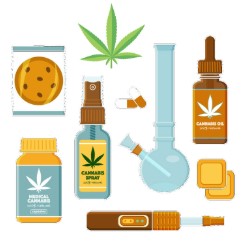
b. Ingestion (Edibles)
- Delayed onset (30–120 minutes).
- THC is metabolized into more 11-OH-THC, which is more psychoactive and longer-lasting.
- Leads to prolonged and sometimes more intense presence of THC metabolites.
6. Testing Sensitivity and Cut-Offs
Different tests have different cut-off concentrations (minimum levels required to trigger a positive result):
- Urine: 50 ng/mL (common cut-off for THC-COOH), though some use 15 ng/mL for confirmation.
- Saliva: ~4–50 ng/mL depending on jurisdiction and device.
- Blood: Variable; 1–5 ng/mL THC is often used for impairment standards.
- Hair: 1 pg/mg of THC metabolites is a common threshold.
7. False Positives and Legal Implications
Although they are uncommon, false positives can be caused by:
- Cross-reactivity with ibuprofen, NSAIDs, or hemp products (low likelihood with modern tests).
- Passive exposure to secondhand smoke (only under extreme, confined exposure conditions).
Legal implications vary widely:
- Zero-tolerance policies may not distinguish between active impairment and residual metabolites.
- Some U.S. states protect medical marijuana users, but federal employment regulations often do not.
8. Detox Myths vs. Science
Numerous products claim to “flush” THC rapidly, but few are scientifically supported:
- Hydration and diuretics: Can dilute urine but may trigger validity testing flags.
- Detox drinks: Often contain creatine, vitamins, and herbs to mask dilution.
- Activated charcoal: Has shown some promise in reducing THC-COOH reabsorption in the gut, but effectiveness varies.
- Saunas/exercise: May increase excretion slightly, but risk elevating blood THC levels temporarily.
The only proven method to eliminate THC is time. Detox programs are primarily useful as behavioral aids to abstinence rather than biochemical interventions.
9. Medical vs. Recreational Considerations
Medical marijuana users often consume consistent doses over long periods. As a result:
- They may test positive even weeks after cessation.
- THC presence may not correlate with intoxication or impairment.
- Some states offer medical exemptions or distinguish active THC from residual levels.
Recreational users especially infrequent ones tend to clear THC much faster.
10. Summary Table: THC Detection Windows
| Testing Method | Single Use | Moderate Use | Chronic Use | Notes |
|---|---|---|---|---|
| Urine | 1–3 days | 5–7 days | 10–60+ days | Most common |
| Blood | 1–2 days | 3–7 days | 7+ days | Detects active THC |
| Saliva | 1–3 days | 3–7 days | Up to 7 days | Used for roadside testing |
| Hair | ~90 days | ~90 days | ~90 days | Shows long-term use |
Conclusion
The duration that marijuana remains in your system depends on a complex interplay of biology, usage patterns, and testing methods. While THC’s psychoactive effects may last only hours, its metabolites especially THC-COOH can linger for days to weeks, particularly in regular users. With the evolving legal and medical landscapes, it’s important to understand both the science behind cannabinoid metabolism and the practical implications for testing and compliance. The best strategy for passing a drug test is still abstinence over time, backed by hydration, healthy metabolism, and honest awareness of one’s consumption habits.
