Table of Contents
How Is Marijuana Used ?
Marijuana is consumed in various ways, depending on the desired effects, cultural preferences, medical needs, and legality. The plant’s primary psychoactive component, delta-9-tetrahydrocannabinol (THC), and therapeutic compound cannabidiol (CBD), can be administered through different methods that influence onset time, potency, and duration.
1. Smoking
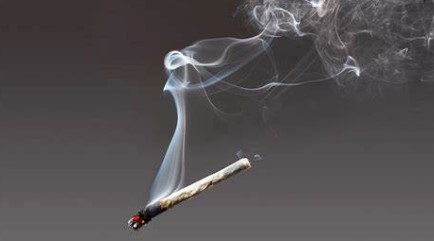
Smoking is the most traditional and common method. Dried cannabis flowers are rolled into joints or blunts, or smoked through pipes and bongs. Inhalation leads to rapid absorption through the lungs, producing effects within minutes. However, it can irritate the lungs and may carry similar respiratory risks as tobacco.
2. Vaporizing (Vaping)
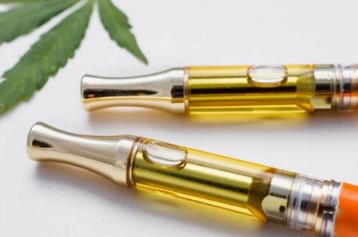
Vaporizers heat cannabis to release THC and other cannabinoids as a vapor, avoiding combustion. This method is popular for its perceived health benefits over smoking, faster onset of effects, and reduced odor. Portable vape pens often use concentrated oils or distillates.
3. Edibles
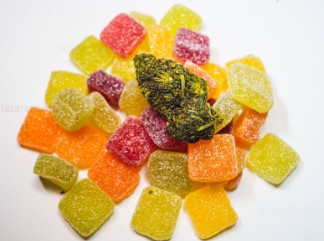
Cannabis-infused foods and beverages provide an alternative for those avoiding inhalation. Brownies, gummies, chocolates, and drinks are common. Edibles take longer to take effect (30 minutes to 2 hours) due to digestion, but their effects last longer and can be more intense. Accurate dosing is crucial due to the delayed onset.
4. Tinctures and Oils
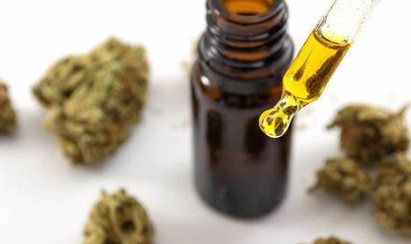
Cannabis tinctures are alcohol-based extracts taken sublingually (under the tongue) or added to food. They allow precise dosing and relatively quick onset. Oils, including CBD oils, are often used medicinally and can be applied orally or topically.
5. Topicals
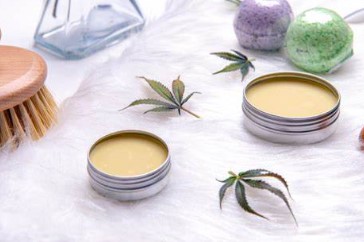
Creams, balms, and transdermal patches infused with cannabinoids are applied to the skin for localized relief without psychoactive effects. They are used for pain, inflammation, and skin conditions.
6. Capsules and Pills
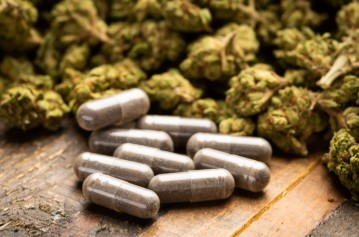
Cannabis in pill form provides discrete, consistent dosing, often used for medical purposes.
Each method has unique advantages and risks, influencing how individuals use marijuana for recreational or therapeutic benefits.
