Table of Contents
How do you get medical marijuanas card
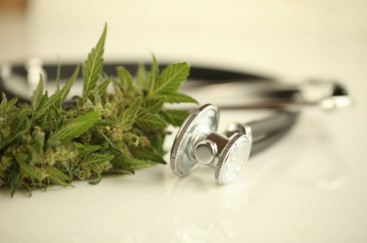
Medical marijuana (MMJ) has become a recognized treatment option for a variety of health conditions across the United States. While federal law still classifies cannabis as a Schedule I substance, a majority of U.S. states and territories have enacted medical marijuana programs (MMPs) that allow patients with qualifying conditions to access cannabis under the care of a licensed medical professional. To do this legally, patients must obtain a medical marijuana card.
Step 1: Understand State Laws and Eligibility
The first and most important step is to determine whether your state has a medical marijuana program and whether your condition qualifies for treatment with medical cannabis. Each state maintains its own MMJ laws, which outline:
- Eligible conditions
- Residency requirements
- Approved cannabis forms (flower, oils, edibles, topicals, etc.)
- Patient rights and legal protections
- Possession limits
- Caregiver allowances
Common Qualifying Conditions
Though specifics vary, many states approve MMJ for:
- Chronic pain
- Cancer
- HIV/AIDS
- Epilepsy and seizures
- Multiple sclerosis
- Crohn’s disease
- PTSD
- Glaucoma
- Severe nausea
- Parkinson’s disease
- Autism
- Terminal illness
Some states (e.g., California and Oklahoma) are more lenient, allowing doctors discretion to recommend MMJ for any debilitating condition.
Step 2: Gather Proof of Residency and Medical Records
You’ll need to verify your identity and prove you reside in the state in which you are applying. Generally speaking, acceptable forms of identification consist of:
- A valid state-issued ID or driver’s license
- Utility bills or lease agreements (for additional proof, if needed)
Also gather your medical records or documentation from recent physician visits that confirm your diagnosis. Some states require these records as part of the application process or before a physician can legally recommend cannabis.
Step 3: Schedule an Appointment With a Certified Medical Marijuana Doctor
A physician who is authorized to practice medicine must provide you with a written recommendation or certification. in your state and registered with the state MMJ program. This evaluation can be done in-person or, in many states, via telemedicine.
What to Expect During the Appointment
- Review of your health history
- Discussion of your condition and previous treatments
- Assessment of whether cannabis is a viable treatment option
- Explanation of potential benefits and risks
- Issuance of a certification if the physician approves
Appointments usually take 10–30 minutes. Some clinics specialize in cannabis evaluations and expedite the process.
Step 4: Submit a State Application
Once you receive a doctor’s recommendation, you must apply to the state’s MMJ registry (usually online). This includes:
- Completing a patient application form
- Uploading your physician’s certification
- Submitting proof of identity/residency
- Uploading a passport-style photo (varies by state)
- Paying a registration fee (typically $25–$200, though some states offer discounts for veterans or low-income individuals)
In most states, approval takes 7–30 days. Upon approval, you will either receive a physical MMJ card by mail or a digital card via email or state portal.
Step 5: Visit a Licensed Dispensary
Once you have your card, you are legally permitted to visit licensed dispensaries in your state and purchase MMJ in approved forms and quantities. Dispensaries typically require:

- A valid MMJ card
- A government-issued photo ID
- Cash (many dispensaries are cash-only due to federal banking laws)
You will work with a budtender who can help recommend products based on your condition and preferred method of use (e.g., smoking, vaporizing, edibles, tinctures, topicals).
Step 6: Renew Your Card Annually
Most states require that medical marijuana cards be renewed every 6 to 12 months. This typically involves:
- A follow-up appointment with your certifying physician
- Updated application paperwork
- Payment of a renewal fee
Failure to renew in time can result in card deactivation and the need to reapply from scratch.
State-Specific Notes
Though the core process is similar across states, some states have unique features:
California
- No state registry is required, though a state MMJ ID can offer additional legal protections.
- Wide discretion is given to physicians to recommend cannabis.
Florida
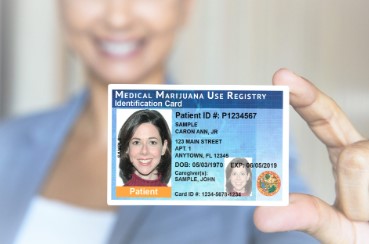
- Patients must register in the Medical Marijuana Use Registry (MMUR).
- Only certain licensed physicians can provide MMJ recommendations.
New York
- Now allows patients to qualify under “any condition deemed appropriate” by a practitioner.
- Medical cannabis can be dispensed in various forms but smoking flower is also permitted.
Texas
- Very limited program under the Compassionate Use Program (CUP).
- Only low-THC cannabis (<1% THC) is legal for registered patients.
Oklahoma
- No specific qualifying conditions; doctor discretion applies.
- One of the most accessible and low-cost MMJ programs in the U.S.
Pennsylvania
- Requires participation in a state registry and purchase from licensed dispensaries.
- No home cultivation allowed for patients.
Always check your state’s department of health or MMJ program website for the most accurate and up-to-date requirements.
Costs Involved
| Item | Estimated Cost Range |
|---|---|
| Doctor’s consultation fee | $50 – $250 |
| State registration fee | $0 – $200 (varies widely) |
| Renewal (annual or biannual) | $25 – $200 |
| Medical records (if requested) | $0 – $25 |
Some states offer fee waivers or reduced rates for veterans, disabled individuals, or those enrolled in Medicaid/SNAP.
Can Minors Qualify?
Yes, minors can qualify for medical marijuana in many states, but:

- A parent or legal guardian must act as the designated caregiver.
- Two physicians may be required to certify the condition.
- Conditions typically must be severe (e.g., epilepsy, cancer, autism).
Designating a Caregiver
Many programs allow patients to assign a caregiver a person legally permitted to purchase, transport, and administer cannabis on behalf of the patient. The caregiver typically must:
- Be 21 or older
- Pass a background check
- Submit a separate application
- Be listed in the patient’s registry file
This is especially helpful for elderly, disabled, or underage patients.
Legal Protections and Limitations
A valid medical marijuana card gives you legal protections within your state, including:
- Exemption from arrest or prosecution for possession and use
- Access to legal dispensaries
- Possession of higher limits than recreational users in some states
However, MMJ cardholders are not protected from:
- Federal employment drug policies
- Use in federally funded housing
- Driving under the influence of cannabis
- Carrying cannabis across state lines (even between two MMJ-legal states)
Tips for a Smooth Application
- Be honest with your doctor about symptoms, history, and treatments tried.
- Keep your card and ID with you when in possession of cannabis.
- Follow dosage recommendations and product labeling.
- Store cannabis safely, especially around children or pets.
- Track your renewal date so you don’t lose legal access.
- Use state-licensed dispensaries only to avoid legal complications.
Conclusion
Getting a medical marijuana card is a multi-step but increasingly accessible process in most U.S. states. With a legitimate medical condition, proper documentation, and guidance from a registered physician, patients can gain legal access to cannabis for symptom relief and improved quality of life. Because laws and requirements are updated frequently, staying informed through your state health department or MMJ program website is critical to maintaining compliance and safe access.
If you’re considering medical cannabis, consult a healthcare provider knowledgeable about cannabis therapeutics and your state’s legal framework.
