Table of Contents
How do you activate THC and CBD?
Decarboxylation is a crucial process in cannabis cultivation and consumption, acting as the bridge that unlocks the full therapeutic and psychoactive potential of cannabinoids like THC and CBD. This chemical reaction transforms the cannabinoids from their acidic, inactive forms found in raw cannabis into their active forms, essential for creating potent and effective cannabis products.
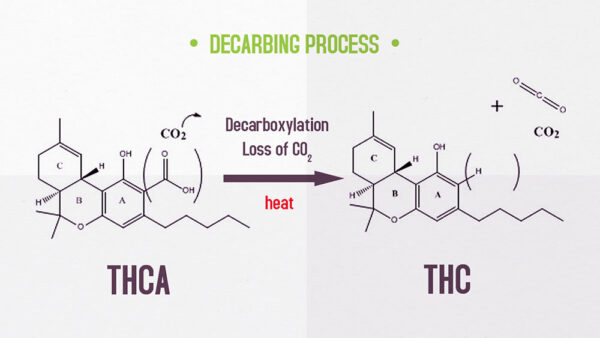
The process is based on heating, which removes a carboxyl group from cannabinoid acids (THCA and CBDA), converting them into THC and CBD. This activation is vital for the cannabinoids to effectively interact with the body’s endocannabinoid system, impacting users seeking medicinal benefits or psychoactive effects.
Methods for decarboxylation range from simple at-home techniques, like oven baking, which activates cannabinoids and preserves terpenes, to sophisticated commercial methods that ensure precise temperature control for uniformity. This step is critical for both medicinal and recreational users, enhancing the therapeutic potential for the former and the psychoactive effects for the latter, making it a fundamental process for preparing cannabis for use.
In summary, decarboxylation is essential for maximizing the efficacy, potency, and versatility of cannabis products, highlighting the importance for everyone involved in cannabis from cultivators to consumers. Understanding this process allows for a deeper appreciation of cannabis’s benefits and more confident navigation of its use.
Understanding Decarboxylation
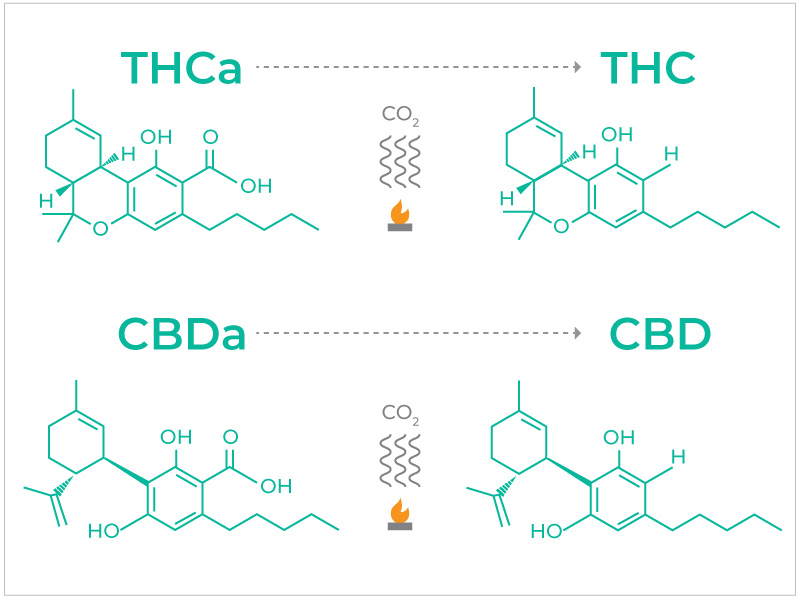
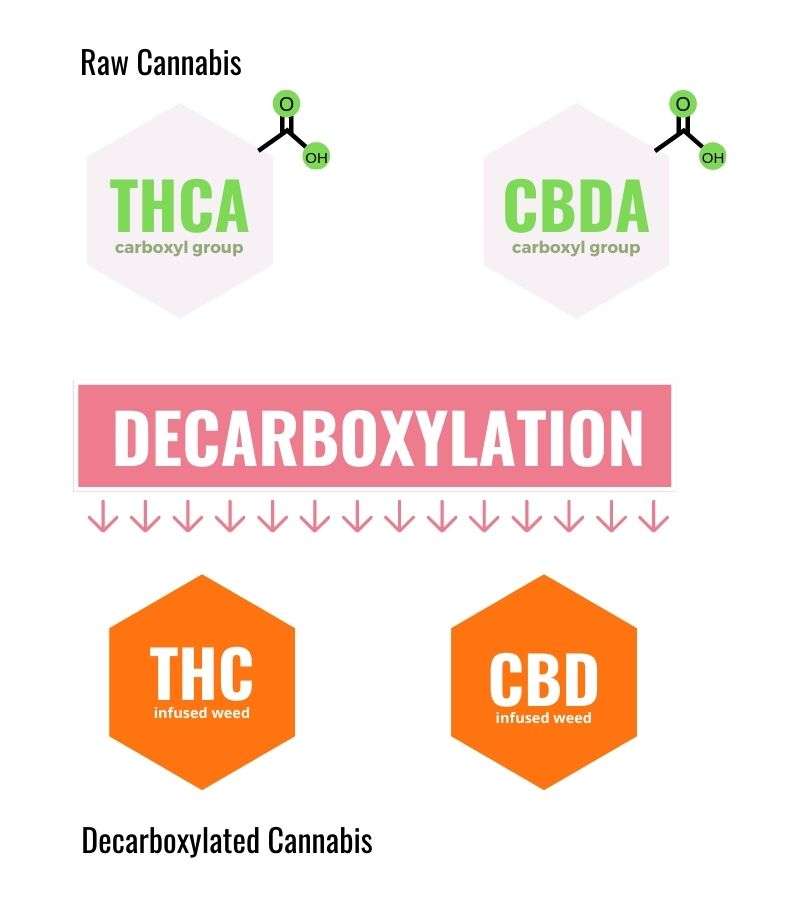
Decarboxylation, a term that resonates with profound significance within the realm of cannabis science, encapsulates a chemical transformation pivotal to the activation and efficacy of cannabinoids. Central to this process is the removal of a carboxyl group (COOH) from the cannabinoids in their naturally occurring acidic forms, such as tetrahydrocannabinolic acid (THCA) and cannabidiolic acid (CBDA). This reaction effectively converts these substances into their non-acidic, pharmacologically active counterparts, tetrahydrocannabinol (THC) and cannabidiol (CBD), respectively. The significance of this conversion cannot be overstated, as it marks the transition from a state of latent potential within the cannabis plant to one of active potency.
The necessity of decarboxylation stems from the inherent properties of THCA and CBDA, which, despite being precursors to THC and CBD, do not possess the psychoactive and therapeutic attributes for which their activated forms are renowned. THCA, for instance, is a non-psychoactive compound that, without undergoing decarboxylation, would not contribute to the euphoric sensation often sought by recreational cannabis users. Similarly, CBDA, while possessing its own unique set of potential health benefits, must be converted to CBD to fully realize the therapeutic effects attributed to this cannabinoid, such as its anti-inflammatory and anxiolytic properties.
The transformation initiated through decarboxylation is a function of heat application. This scientific principle underscores the necessity of carefully controlled thermal exposure to catalyze the decarboxylation reaction, thereby ensuring the efficient conversion of THCA and CBDA into THC and CBD. The precise mechanisms by which heat facilitates this chemical reaction involve breaking the bonds that hold the carboxyl group to the rest of the molecule, a process that requires both time and a specific temperature range to achieve optimal results.
Furthermore, the implications of this chemical transformation extend beyond merely unlocking the psychoactive and therapeutic potentials of cannabis. Decarboxylation also plays a crucial role in the consistency and predictability of cannabis products, ensuring that consumers and patients can rely on the expected outcomes of their use. Without this critical process, the vast landscape of cannabis-based applications, from medicinal formulations to recreational products, would lack the foundation necessary for their efficacy and standardization.
In essence, the decarboxylation process is a testament to the intricate interplay between chemistry and botany that defines the cannabis plant’s unique contributions to both medical science and recreational enjoyment. Through the lens of decarboxylation, we gain not only a deeper appreciation for the complex nature of cannabis but also an understanding of the meticulous processes required to harness its full spectrum of effects.
The Science Behind Decarboxylation
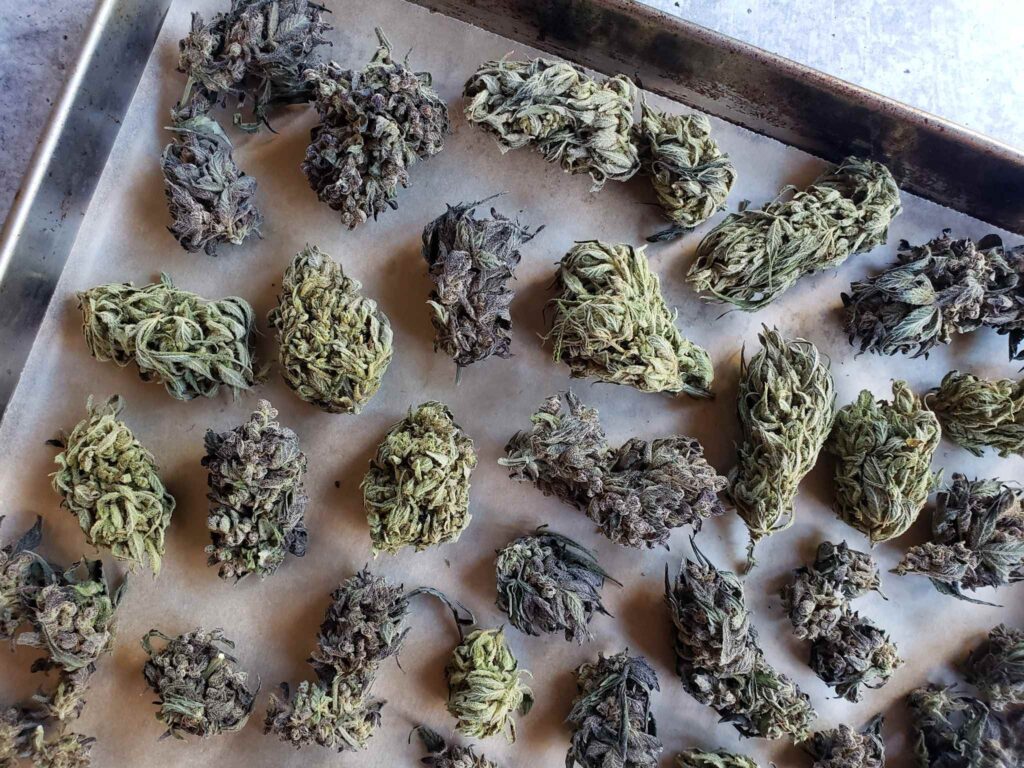
Decarboxylation is a crucial process that transforms raw cannabis into a potent source of cannabinoids through the application of heat and time. While drying and curing can start this process, controlled heating ensures the full conversion of cannabinoids like THCA and CBDA into THC and CBD, unlocking their psychoactive and therapeutic potential. This process not only activates key cannabinoids but also affects the terpene profile, influencing the flavor and overall effects of cannabis products.
The precise application of heat is vital for removing the carboxyl group from cannabinoids, enhancing the efficacy and potency of cannabis-derived products. This approach not only guarantees the activation of THC and CBD but also other cannabinoids that participate in the entourage effect, enhancing the therapeutic potential of cannabis. Additionally, careful temperature management preserves terpenes, crucial for the sensory experience and enhancing cannabinoid effects.
In summary, decarboxylation is an essential step in cannabis preparation, enabling the full potential of cannabinoids and preserving terpenes for high-quality, effective products. This process reflects the sophisticated approach required in cannabis science and product development, highlighting its importance in delivering desired outcomes for consumers and patients.
Optimal Conditions for Decarboxylation
Effective decarboxylation requires a delicate balance between heat and timing to transform acidic cannabinoids into their active forms without degrading key compounds. Lower temperatures may result in partial decarboxylation, leaving some cannabinoids inactive, while too high temperatures can damage cannabinoids and terpenes, reducing the product’s quality and effectiveness.
Research supports a temperature range of 220-245°F (104-118°C) for about 30-40 minutes as optimal for decarboxylation, ensuring cannabinoids are activated while preserving the integrity of terpenes. However, these conditions may need adjustments based on the cannabis’s specific properties and the desired outcome, such as the terpene profile and cannabinoid concentration. A lower temperature might be chosen for terpene-rich material to maintain its aromatic qualities, whereas higher concentrations of cannabinoids may require slight adjustments in temperature or time for full activation.
In summary, mastering decarboxylation involves fine-tuning temperature and duration to unlock cannabis’s full potential while maintaining its quality. This process highlights the intricate relationship between heat, time, and the chemical composition of cannabis, underscoring the importance of precision in creating effective, high-quality cannabis products. As our understanding of decarboxylation deepens, so does our ability to enhance the therapeutic and recreational value of cannabis.
Methodologies for Decarboxylation
Oven Decarboxylation
One of the quintessential and widely embraced methods for conducting decarboxylation within the confines of a domestic setting is what is commonly referred to as oven decarboxylation. This technique entails the meticulous distribution of cannabis material across the surface of a baking sheet, ensuring an even spread to facilitate uniform heat exposure. Following this preparatory step, the cannabis is subjected to heat in an oven, the temperature of which is meticulously controlled to fall within the optimal range for decarboxylation. The objective here is to activate the cannabinoids through the application of heat, thereby transforming them from their acidic forms into their pharmacologically active counterparts.
The importance of vigilantly monitoring the oven’s temperature throughout this process cannot be overstated. The precise regulation of heat is paramount to the success of decarboxylation, as temperatures that exceed the recommended threshold can lead to the undesirable degradation of crucial cannabinoids and terpenes. These compounds are responsible for the therapeutic efficacy and the characteristic aroma and flavor profile of the cannabis product. Conversely, temperatures that are too low may result in an incomplete decarboxylation process, leaving a significant portion of cannabinoids in their inactive acidic forms, thus diminishing the potential benefits of the final product.
To achieve an even and effective decarboxylation, it is advisable to periodically stir the cannabis on the baking sheet during the heating process. This action promotes uniform heat distribution, ensuring that all parts of the cannabis material are equally exposed to the optimal temperature. Moreover, employing an oven thermometer to accurately measure the internal temperature can provide an additional layer of precision, compensating for any discrepancies that may exist between the oven’s settings and its actual operating temperature.
In conclusion, oven decarboxylation stands as a straightforward, yet profoundly effective method for activating cannabinoids within a home environment. By adhering to the principles of controlled temperature and even heat exposure, individuals can successfully transform raw cannabis into a potent and bioavailable form, ready for consumption. This method not only democratizes the process of decarboxylation but also empowers cannabis enthusiasts to unlock the full spectrum of benefits offered by this versatile plant, thereby enhancing their medicinal or recreational cannabis experience.
Water Bath Decarboxylation
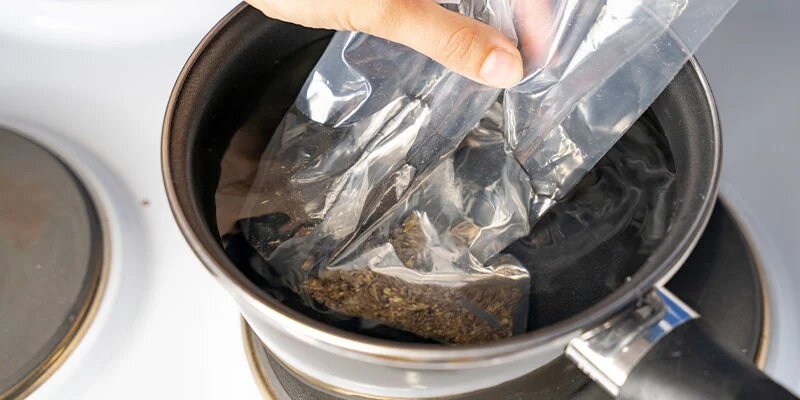
Water bath decarboxylation is an advanced technique derived from sous-vide cooking, offering precise temperature control for activating cannabis cannabinoids. This method involves sealing cannabis in a waterproof, often vacuum-sealed, bag to protect it from water, then submerging it in a temperature-controlled water bath. This approach ensures cannabinoids convert from their acidic forms to their active states, vital for cannabis’s therapeutic and psychoactive effects.
The method’s precision in temperature control stands out, avoiding the overheating risks associated with oven decarboxylation and ensuring a uniform heat source. This not only guarantees even decarboxylation but also protects the integrity of cannabinoids and terpenes, preserving the cannabis product’s flavor and therapeutic qualities. The synergy between cannabinoids and terpenes, known as the entourage effect, is maintained, enhancing the product’s effects.
Water bath decarboxylation simplifies the process, eliminating the need for constant monitoring and stirring and reducing odor release, making it a discreet option. This method embodies the balance between efficiency and convenience, showcasing the evolution of cannabis preparation techniques to maximize product potency while maintaining its chemical complexity.
Commercial Decarboxylation
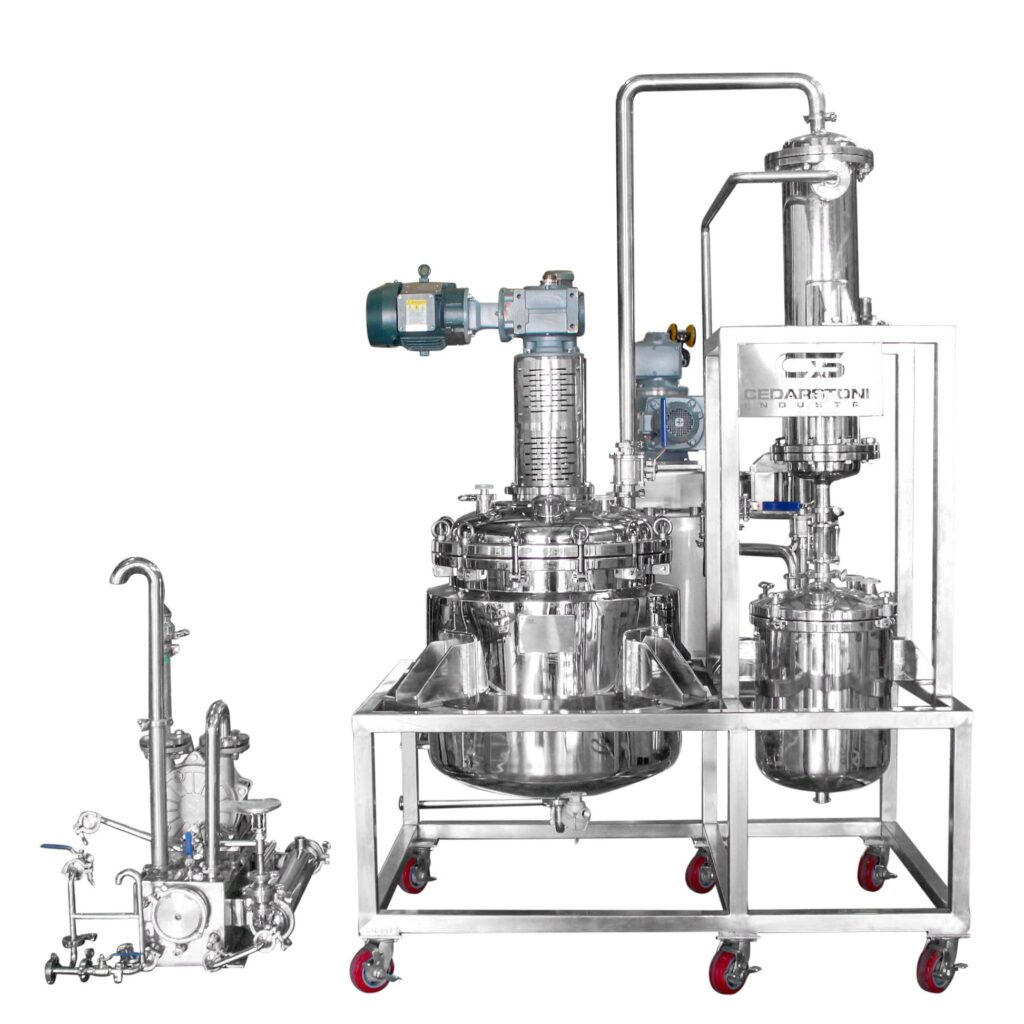
For individuals valuing both ease and reliability in their cannabis preparation, commercial decarboxylators have become a game-changer. Engineered specifically for cannabis decarboxylation, these devices blend user-friendliness with exact temperature control to ensure thorough activation of THC and CBD without degrading the quality. Their advanced technology precisely maintains the optimal temperature, crucial for converting THCA and CBDA into their active counterparts and preserving the integrity of delicate terpenes.
Features like intuitive controls and digital displays make these decarboxylators accessible to users of all experience levels, streamlining the decarboxylation process without sacrificing results. Furthermore, their design typically limits odor release, adding a layer of discretion for users. The introduction of commercial decarboxylators reflects a move towards standardizing cannabis preparation, meeting the growing demand for consistent, high-quality cannabis experiences.
In essence, commercial decarboxylators stand out as an indispensable tool for effortless and dependable cannabis decarboxylation. Their precision and user-centric design not only simplify the activation of key cannabinoids but also highlight the ongoing evolution in cannabis consumption and preparation, solidifying their importance in the cannabis toolkit for both novices and experts alike.
Implications for Cannabis Consumption
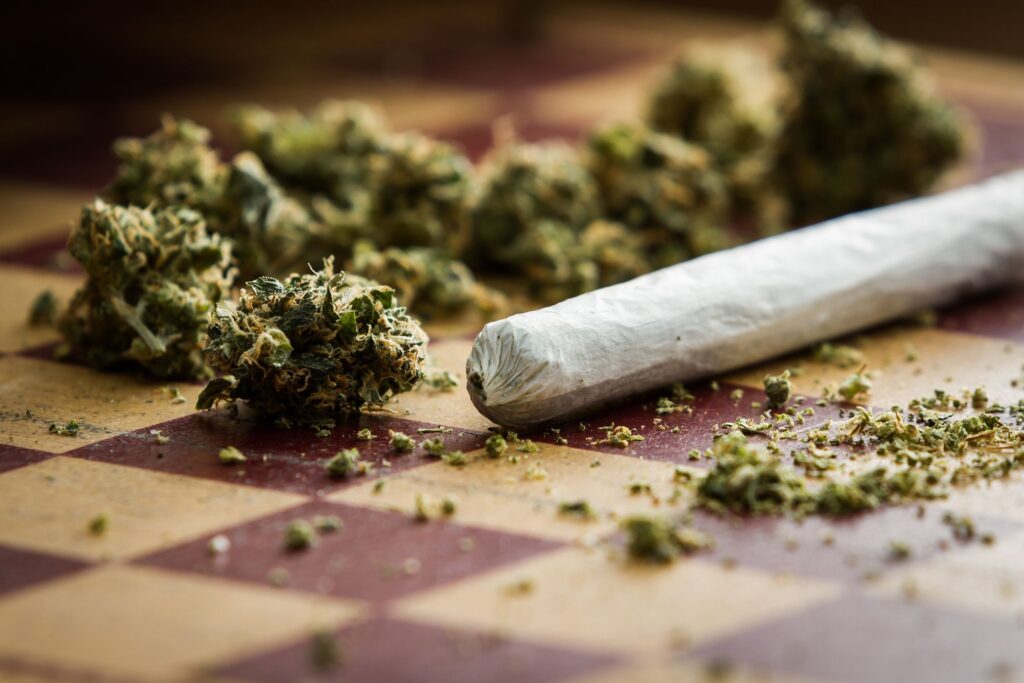
Decarboxylation stands as a fundamental and indispensable process for individuals aiming to unlock and experience the comprehensive spectrum of effects attributed to THC (tetrahydrocannabinol) and CBD (cannabidiol) in cannabis-infused products, such as edibles, tinctures, and topicals. This chemical reaction transforms cannabinoids from their acidic forms, namely THCA and CBDA, into their active states, THC and CBD, respectively. The transition is crucial for consumers seeking to attain the specific therapeutic and psychoactive outcomes associated with these cannabinoids.
For those utilizing cannabis for medicinal purposes, the process of decarboxylation is paramount. It ensures that the cannabinoids are converted into a bioavailable form, thereby facilitating their efficient interaction with the body’s endocannabinoid system. This interaction is essential for the activation of cannabis’s therapeutic properties, thereby significantly enhancing its potential as a viable treatment option for a myriad of conditions. Through decarboxylation, cannabinoids can more effectively bind to cannabinoid receptors distributed throughout the body, thereby optimizing the medicinal benefits obtained from cannabis consumption.
Furthermore, the importance of decarboxylation extends beyond merely activating THC and CBD; it also plays a critical role in the overall potency and effectiveness of the cannabis product. Without undergoing this vital chemical process, the raw cannabis plant material would not exert the same psychoactive effects nor would it offer the same level of therapeutic efficacy. Therefore, decarboxylation is not only a step towards achieving the desired effects but also a necessary procedure to ensure the full potential of cannabinoids is realized.
In essence, decarboxylation serves as the bridge between the raw potential of cannabis and its ultimate expression as a powerful and versatile therapeutic agent. By undergoing this critical chemical transformation, cannabis consumers can ensure they are accessing the full scope of benefits offered by THC and CBD. Whether for recreational enjoyment or as part of a medicinal regimen, the decarboxylation of cannabis is an essential practice that enhances the efficacy, potency, and overall therapeutic value of cannabis-infused products.
Conclusion
The process of decarboxylation occupies a pivotal position within the realm of cannabis utilization, serving as the keystone in the transformation of cannabis from a simple plant into a potent source of numerous benefits. By applying heat in a controlled manner, decarboxylation alters the chemical structure of cannabinoids, such as THCA and CBDA, converting them into their bioactive counterparts, THC and CBD, respectively. This conversion is not merely a chemical reaction but a gateway to unleashing the full potential of cannabis, enabling users to access the comprehensive range of therapeutic and psychoactive benefits inherent within these compounds.
For individuals seeking relief through medicinal cannabis, decarboxylation is indispensable. It ensures that cannabinoids are in the precise form necessary to interact effectively with the human body’s endocannabinoid system, a crucial factor in the therapeutic efficacy of cannabis. This interaction can lead to significant relief from symptoms of chronic pain, anxiety, epilepsy, and a host of other medical conditions. Similarly, for recreational users, the decarboxylation process is equally critical. It transforms cannabis into a form that can induce the desired psychoactive effects, thereby enhancing the enjoyment and experience of cannabis consumption.
The significance of understanding and properly applying decarboxylation techniques cannot be overstated. It is the difference between consuming raw cannabis, which has a limited effect due to the inactive nature of its cannabinoids, and enjoying a product that delivers the full potency and range of effects that cannabis has to offer. As such, the art and science of decarboxylation are central to both the preparation of cannabis-infused products and the broader appreciation of cannabis as a versatile and beneficial plant.
As the scientific community’s understanding of cannabis deepens, the methodologies employed in decarboxylation are continually refined. Innovations in technology and technique promise to streamline the process, ensuring more consistent results and greater preservation of the delicate terpenes that contribute to the aroma, flavor, and therapeutic synergy of cannabis products. This evolution in decarboxylation methods stands to further enhance the efficacy, quality, and safety of cannabis consumption, heralding a future where cannabis’s full potential can be more easily and reliably accessed by all.
In conclusion, the decarboxylation process is a cornerstone of cannabis consumption and preparation, essential for unlocking the plant’s myriad benefits. As research advances and methodologies evolve, the future of cannabis consumption looks promising, with decarboxylation at its heart. This ongoing scientific exploration not only underscores the complexity and potential of cannabis but also ensures that consumers can continue to expect improvements in the efficacy and quality of cannabis products, thereby enriching the cannabis experience for both medicinal and recreational users alike.
