Introduction
Attention Deficit Hyperactivity Disorder (ADHD) is a neurodevelopmental disorder characterized by inattention, hyperactivity, and impulsivity. These symptoms can profoundly affect various aspects of life, including work, relationships, and sleep. Sleep disturbances are particularly common in individuals with ADHD, exacerbating the challenges associated with the disorder. Medical cannabis, a growing area of interest in the treatment of ADHD, has been explored for its potential to manage sleep concerns related to ADHD. This article delves into the detailed mechanisms by which medical cannabis may help in managing sleep disturbances associated with ADHD, emphasizing its medical use.
Understanding ADHD and Its Impact on Sleep
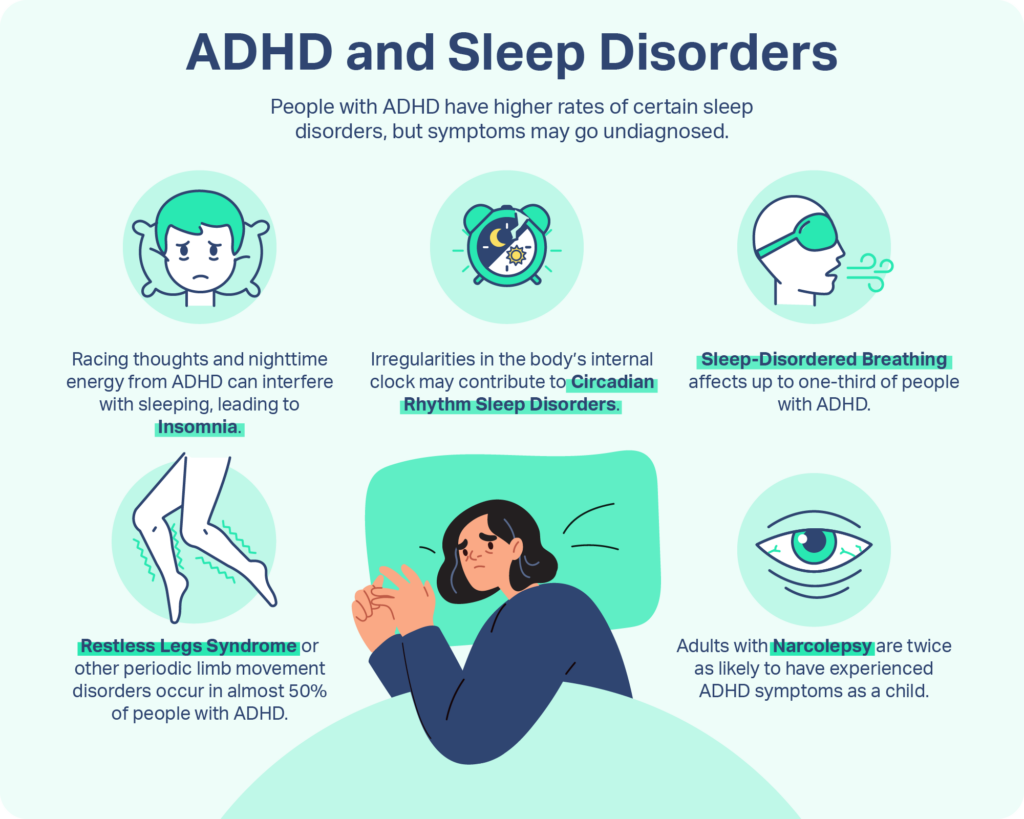
Over the world, millions of people suffer from ADHD. Even though it might last into maturity, it is usually diagnosed in childhood. The core symptoms of ADHD—hyperactivity, impulsivity, and inattention—often lead to significant sleep disturbances. Common sleep issues in individuals with ADHD include difficulty falling asleep, staying asleep, and waking up too early. This can result in sleep deprivation, which exacerbates ADHD symptoms and creates a vicious cycle of worsening symptoms and increasing sleep problems.
The link between ADHD and sleep disturbances is well-documented. Research indicates that children and adults with ADHD are more likely to experience sleep disorders such as insomnia, restless legs syndrome, and circadian rhythm disorders. These sleep issues can worsen daytime tiredness, impair cognitive performance, and exacerbate symptoms of ADHD, making it harder for people to go about their everyday lives.
The Endocannabinoid System and Sleep Regulation
To understand how medical cannabis can help manage sleep concerns in ADHD, it’s essential to explore the role of the endocannabinoid system (ECS) in sleep regulation. The intricate cell-signaling mechanism known as the ECS is vital to preserving the body’s equilibrium. It consists of endocannabinoids, receptors (CB1 and CB2), and enzymes that regulate the production and breakdown of endocannabinoids.
Numerous physiological systems, such as pain, emotion, appetite, and sleep, are influenced by the ECS. Studies have indicated that the control of sleep-wake cycles is significantly influenced by the ECS. The CB1 receptors, primarily found in the brain and central nervous system, are particularly important in modulating sleep. Activation of CB1 receptors has been shown to promote sleep by reducing the time it takes to fall asleep and increasing the duration of sleep.
Medical Cannabis: A Potential Solution for ADHD-Related Sleep Problems
Tetrahydrocannabinol (THC) and cannabidiol (CBD) are two of the many cannabinoids found in cannabis sativa, the plant used to produce medical cannabis. A variety of therapeutic effects, including pain alleviation, anxiety reduction, and improved sleep, are produced by these cannabinoids’ interaction with the ECS. The use of medical cannabis in the treatment of ADHD-related sleep problems is a relatively new area of research, but the evidence suggests that it may be a promising option for managing sleep disturbances in individuals with ADHD.
THC and Sleep
The main psychoactive ingredient in cannabis, THC, is well-known for having sedative properties. THC promotes relaxation and sleep by interacting with the brain’s CB1 receptors. Studies have indicated that THC can shorten the time it takes to fall asleep, lengthen the sleep duration, and enhance the general quality of sleep. For individuals with ADHD who struggle with insomnia or difficulty falling asleep, THC may help by promoting relaxation and reducing anxiety, which are common contributors to sleep problems.
It’s crucial to remember that THC has dose-dependent effects on sleep. Higher amounts of THC can have the opposite impact, increasing anxiety and disrupting sleep patterns, whereas low to moderate levels are typically linked to better sleep. Consequently, while employing THC to treat sleep disruptions in ADHD patients, cautious dosage and close observation are essential.
CBD and Sleep
Another important cannabinoid in cannabis is CBD, which has drawn a lot of interest due to its possible medical uses. CBD is not psychotropic like THC and does not give users a “high.” Rather, it has demonstrated anxiolytic and relaxing properties, suggesting that it could be used as a treatment for anxiety-related ADHD sleep problems.
The brain’s serotonin and GABA receptors, which are involved in mood and anxiety regulation, are among the receptors that CBD interacts with. Through lowering anxiety and encouraging calmness, CBD may improve sleep quality for those with ADHD. Furthermore, studies indicate that CBD may function as a viable treatment for circadian rhythm abnormalities typically associated with ADHD by encouraging wakefulness during the day and sleep at night.
Terpenes and Sleep
In addition to cannabinoids, cannabis contains various terpenes, which are aromatic compounds that contribute to the plant’s unique scent and flavor. Terpenes have medicinal qualities as well, and they can intensify the effects of cannabinoids by a process called the “entourage effect.” Myrcene, linalool, and limonene are terpenes that possess sedative and anxiolytic qualities, which may be why medical cannabis is thought to promote sleep.
Myrcene, for example, is a terpene known for its sedative effects and is commonly found in indica strains of cannabis, which are often recommended for nighttime use. Linalool, another terpene with sedative properties, is found in lavender and is known for its calming effects. Limonene, found in citrus fruits, has mood-enhancing and anti-anxiety effects. When combined with cannabinoids like THC and CBD, these terpenes may help enhance the sleep-promoting effects of medical cannabis.
Medical Cannabis and ADHD: Clinical Evidence
The use of medical cannabis in the treatment of ADHD-related sleep disturbances is still an emerging field, and more research is needed to establish its efficacy and safety. However, several studies and anecdotal reports suggest that medical cannabis may be beneficial for individuals with ADHD who struggle with sleep problems.
A 2017 study published in the Journal of Clinical Psychopharmacology investigated the use of a cannabis extract containing THC and CBD in adults with ADHD. The study found that participants who received the cannabis extract experienced significant improvements in sleep quality compared to those who received a placebo. The researchers concluded that the cannabis extract may have potential as a treatment for sleep disturbances in ADHD.
Another study published in 2019 in the Journal of Attention Disorders examined the effects of cannabis use on ADHD symptoms and sleep in adults. The study found that individuals who used cannabis reported better sleep quality and less daytime sleepiness compared to non-users. The researchers noted that the sedative effects of THC and the anxiolytic effects of CBD may contribute to these improvements in sleep.
Anecdotal reports from individuals with ADHD also suggest that medical cannabis may be helpful in managing sleep disturbances. Many people with ADHD who use medical cannabis report that it helps them fall asleep faster, stay asleep longer, and wake up feeling more rested. These reports, combined with the growing body of research, suggest that medical cannabis may be a promising option for managing sleep concerns in ADHD.
Safety and Considerations
While medical cannabis shows promise in managing sleep disturbances in ADHD, it’s important to consider the potential risks and side effects. Cannabis use, particularly long-term use, can have side effects, including cognitive impairment, dependency, and an increased risk of mental health disorders such as anxiety and depression. As a result, it is essential to take medicinal cannabis under the supervision of a medical expert who can keep an eye on its effects and modify the treatment plan as necessary.
Additionally, the effects of medical cannabis can vary depending on the strain, dosage, and method of administration. As mentioned earlier, the sedative effects of THC are dose-dependent, and higher doses may lead to increased anxiety and disrupted sleep. Therefore, finding the right balance and dosage is essential for achieving the desired effects without causing unwanted side effects.
It’s also important to consider the legal status of medical cannabis in different regions. While medical cannabis is legal in many parts of the world, it remains illegal or restricted in others. Patients should be aware of the legal status of medical cannabis in their area and consult with a healthcare professional before using it as a treatment for sleep disturbances in ADHD.Medical Cannabis as a Last Resort: Legal and Ethical Considerations
The concept of using medical cannabis as a “last resort” treatment option is rooted in the idea that it should only be considered when conventional therapies have failed to provide adequate relief or when other treatment options are contraindicated. This approach is driven by several legal, ethical, and medical considerations, which vary by jurisdiction but generally emphasize patient safety, evidence-based practice, and the minimization of potential harm.
Legal Restrictions
In many countries, the use of medical cannabis is heavily regulated and often only permitted under specific conditions. For example, medical marijuana is still prohibited federally in the United States but is permitted in certain states. Even in states where it is legal, medical cannabis is typically restricted to patients with certain qualifying conditions, such as chronic pain, epilepsy, multiple sclerosis, or cancer. ADHD and related sleep disturbances are not universally recognized as qualifying conditions, which means that access to medical cannabis for these purposes may be limited.
Moreover, in many jurisdictions, medical cannabis can only be prescribed when other conventional treatments have failed or are deemed unsuitable for the patient. This “last resort” approach ensures that cannabis is not used indiscriminately and that its use is based on a careful assessment of the potential risks and benefits. Physicians who prescribe medical cannabis must often document that they have exhausted other treatment options and justify the use of cannabis as the most appropriate course of action.
Ethical Considerations
The ethical considerations surrounding the use of medical cannabis as a last resort are closely tied to the principles of patient autonomy, beneficence, and non-maleficence. Physicians are ethically obligated to provide treatments that offer the greatest benefit to their patients while minimizing harm. Given the potential risks associated with cannabis use, including dependency, cognitive impairment, and the psychoactive effects of THC, it is essential to ensure that patients are fully informed about these risks and that cannabis is only used when the potential benefits outweigh the harms.
A vital element of moral behavior when using medical cannabis is informed consent. Patients must be made aware of the potential side effects, including the psychoactive effects of THC, and the lack of long-term data on the safety and efficacy of cannabis for certain conditions. Physicians must also consider the potential for cannabis to interact with other medications the patient may be taking, as well as any underlying mental health conditions that could be exacerbated by cannabis use.
Monitoring THC Levels in Medical Cannabis: Preventing Psychoactive Effects
One of the most significant concerns in the medical use of cannabis is the psychoactive effects of THC. THC interacts with the CB1 receptors in the brain, leading to the “high” associated with recreational cannabis use. While this psychoactive effect may be desirable in a recreational context, it is generally unwanted in a medical setting, particularly when treating vulnerable populations such as children, the elderly, or individuals with mental health disorders.
Importance of Monitoring THC Levels
To prevent the psychoactive effects of THC and ensure the safety of patients, it is crucial to monitor and regulate the THC levels in medical cannabis products. This involves careful selection of cannabis strains, dosage control, and regular testing of cannabis products to ensure consistent and appropriate levels of THC.
Low-THC, high-CBD strains of cannabis are often preferred in medical settings because CBD does not produce psychoactive effects and may counteract some of the psychoactive effects of THC. CBD is also known for its therapeutic benefits, including anxiety reduction, anti-inflammatory effects, and neuroprotection, making it a valuable component of medical cannabis treatments.
Monitoring THC levels is particularly important when treating conditions like ADHD, where the goal is to improve symptoms such as sleep disturbances without impairing cognitive function or increasing anxiety. In these cases, ensuring that THC levels are kept low can help prevent the psychoactive effects that might interfere with the patient’s daily functioning and overall quality of life.
Methods for Monitoring and Controlling THC Levels
There are several methods for monitoring and controlling THC levels in medical cannabis products to prevent psychoactive effects:
- Strain Selection: Selecting cannabis strains that are naturally low in THC and high in CBD can help minimize the risk of psychoactive effects. These strains are often specifically bred for medical use and are labeled with their cannabinoid content to ensure accurate dosing.
- Dosing Guidelines: Establishing clear dosing guidelines based on the patient’s condition, age, weight, and tolerance is essential. Physicians should start with the lowest effective dose and adjust gradually based on the patient’s response to minimize the risk of psychoactive effects.
- Laboratory Testing: Regular laboratory testing of medical cannabis products is essential to ensure that they contain the appropriate levels of THC and CBD. This testing helps maintain consistency and safety in the products being used for medical treatments.
- Patient Monitoring: Continuous monitoring of patients using medical cannabis is crucial to assess their response to treatment and detect any potential side effects, including psychoactive effects. Physicians should conduct regular follow-up appointments to evaluate the efficacy and safety of the treatment and make adjustments as needed.
- Education and Counseling: Educating patients about the potential psychoactive effects of THC and how to recognize them is an important part of patient care. Patients should be encouraged to report any unusual symptoms or side effects to their healthcare provider immediately.
Conclusion
The exploration of medical cannabis as a treatment option for managing sleep disturbances associated with ADHD highlights both its potential benefits and the complexities involved in its use. ADHD, a neurodevelopmental disorder characterized by inattention, hyperactivity, and impulsivity, often results in significant sleep problems that can further exacerbate the condition’s symptoms. The interaction between the endocannabinoid system and sleep regulation offers a promising avenue for addressing these issues through the use of cannabinoids like THC and CBD, as well as terpenes found in cannabis.
Medical cannabis, particularly in its carefully regulated forms, has shown potential in improving sleep quality, reducing the time it takes to fall asleep, and alleviating anxiety that often contributes to sleep disturbances in ADHD patients. The evidence, although still emerging, suggests that medical cannabis could provide relief where conventional treatments have failed, making it a viable option as a last resort in some cases.
However, the use of medical cannabis is not without its challenges. Legal and ethical considerations dictate that it should be considered only after other treatment options have been exhausted. The psychoactive effects of THC, a major concern in medical applications, necessitate stringent monitoring of THC levels in medical cannabis products. This ensures that patients receive the therapeutic benefits of cannabis without experiencing unwanted side effects that could impair cognitive function or exacerbate other symptoms.
The importance of a carefully balanced approach cannot be overstated. Physicians must work closely with patients to determine the most appropriate strain, dosage, and treatment plan, taking into account the patient’s specific needs, medical history, and the potential risks involved. Regular follow-up and monitoring are essential to ensure the treatment’s efficacy and safety.
In conclusion, medical cannabis represents a promising but complex option for managing sleep disturbances in individuals with ADHD. While it offers potential benefits, particularly when traditional treatments have failed, its use must be approached with caution, guided by rigorous standards and regulations to ensure patient safety and optimize therapeutic outcomes. As research in this field continues to evolve, it is anticipated that more comprehensive guidelines will emerge, allowing for a more informed and effective use of medical cannabis in treating ADHD-related sleep concerns.
