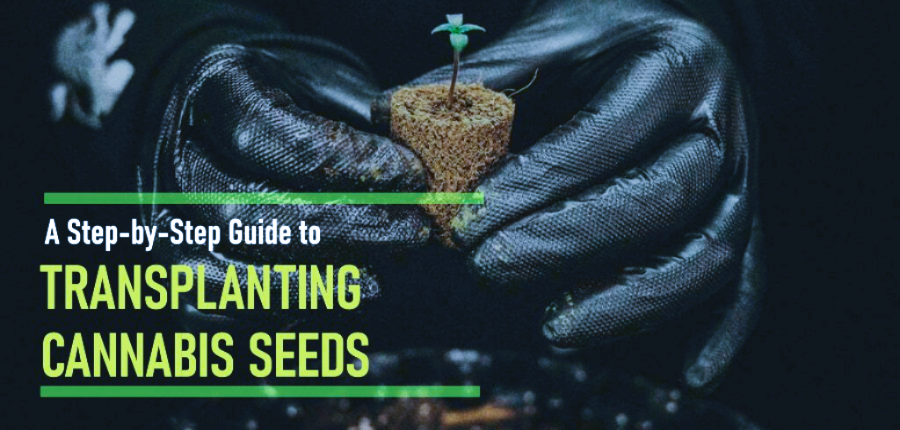
How and When to Transplant Cannabis Seedlings
Introduction
Transplanting cannabis seedlings is a critical stage in the cultivation process that significantly influences the plant’s growth and overall yield. This guide provides an in-depth explanation of the appropriate timing and detailed methods for transplanting cannabis seedlings to ensure healthy development and robust yields.
When to Transplant Cannabis Seedlings
1. Identifying the Right Time
Transplanting seedlings at the correct stage of their development is essential to minimize stress and ensure healthy growth. Here are the key indicators that suggest your seedlings are ready for transplanting:
- Leaf Development: Cannabis seedlings should have developed at least 3-4 sets of true leaves. True leaves are the serrated, multi-fingered leaves that appear after the initial round cotyledons (seed leaves). This stage typically occurs 2-3 weeks after germination.
- Root System: A well-developed root system is a crucial sign. Gently lift the seedling from its container to check the roots. If you see a dense network of roots that are starting to circle the bottom of the container or grow out of the drainage holes, it is time to transplant.
- Size of the Seedling: Seedlings that are 4-6 inches tall and sturdy, not overly leggy or stretched, are usually ready for transplanting.
2. Environmental Conditions
- Temperature: Ensure that the new growing environment, whether indoor or outdoor, has suitable temperatures. Ideal temperatures for transplanting are between 68-77°F (20-25°C). Steer clear of transplanting in very hot or cold weather.
- Light Conditions: Transplant seedlings during a time when the light is less intense to reduce transplant shock. If transplanting outdoors, late afternoon or a cloudy day is ideal. For indoor growing, adjust your grow lights to provide a gentle, consistent light source.
How to Transplant Cannabis Seedlings
1. Preparation
Proper preparation is essential to ensure a smooth transplantation process. The steps to get ready for a transplant are as follows:
- Choosing the Right Container: Select a container that is at least twice the size of the current one to provide adequate space for root expansion. Ensure the new container has sufficient drainage holes to prevent waterlogging.
- Soil Preparation: Use high-quality potting soil that offers good drainage and aeration. Cannabis plants grow best in soil that is between pH 6.0 and 7.0, which is somewhat acidic. Enhancing drainage and aeration in the soil mix can be achieved by adding perlite or vermiculite.
- Watering: Water the seedlings a few hours before transplanting. This ensures that the soil is moist, making it easier to remove the seedlings from their original containers without damaging the roots.
2. Transplanting Steps
To ensure a successful transplant, adhere to these guidelines:
- Gently Remove the Seedling: Gently remove any dirt that is encasing the seedling from its container. To prevent harm, grasp the seedling by its leaves rather than its stem. Remove the seedling and its root ball from the container with care.
- Prepare the New Container: Fill the new container with soil, leaving a hole in the center large enough to accommodate the root ball. The hole should be deep enough to place the seedling at the same depth it was in the original container.
- Transplant the Seedling: Place the seedling in the hole and gently fill in the soil around the root ball. Lightly press the soil to eliminate air pockets but avoid compacting it too much.
- Watering: After transplanting, water the seedling thoroughly. This guarantees that the plant receives enough moisture and aids in the soil’s settlement around the roots. Water until the bottom of the container begins to empty.
3. Post-Transplant Care
Proper care after transplanting is crucial to help seedlings recover and thrive. Here are some post-transplant care tips:
- Lighting: For indoor growing, place the seedlings under grow lights at a suitable distance to avoid light burn. Gradually increase the light intensity over a few days. For outdoor growing, ensure the seedlings receive indirect sunlight initially before gradually exposing them to full sun.
- Humidity: Maintain a high humidity level (around 60-70%) for the first week to reduce stress on the seedlings. You can use a humidity dome or mist the plants regularly to achieve this.
- Temperature: Keep the temperature stable within the optimal range of 68-77°F (20-25°C). Avoid sudden temperature fluctuations that can stress the seedlings.
- Nutrients: Hold off on fertilizing for the first few days after transplanting. Once the seedlings have adjusted to their new environment, you can start with a diluted nutrient solution, gradually increasing the concentration as the plants grow.
Common Transplanting Mistakes and How to Avoid Them
1. Transplanting Too Early or Late
Transplanting at the wrong time can cause stress and hinder growth. Ensure the seedlings have developed 3-4 sets of true leaves and a strong root system before transplanting.
2. Damaging the Roots
Handling seedlings too roughly can damage their delicate roots. Always handle seedlings by their leaves and avoid disturbing the root ball excessively.
3. Overwatering or Underwatering
Proper watering is crucial during and after transplanting. Make sure that during the transplanting process the soil is damp but not soggy. To avoid root rot, water the transplanted area well afterward, letting the soil dry out a little bit between applications.
4. Poor Soil Quality
Using low-quality soil can impede the growth of cannabis plants. Always use high-quality potting soil with good drainage properties. Amend the soil with perlite or vermiculite if necessary.
5. Inadequate Container Size
Using a container that is too small can restrict root growth and lead to nutrient deficiencies. Ensure the new container is at least twice the size of the original one to provide ample space for root development.
Benefits of Proper Transplanting
Properly transplanting cannabis seedlings is a critical step in the cultivation process. When done correctly, it can significantly enhance the health and productivity of your plants. Below are the detailed benefits of proper transplanting:
1. Enhanced Root Development
Transplanting seedlings into larger containers or directly into the ground allows the roots to spread out and grow more extensively. This increased root space facilitates:
- Better Nutrient Absorption: A larger root system can access a wider area of soil, allowing the plant to absorb more nutrients and water. This is crucial for the overall health and vigor of the plant.
- Stronger Root Structure: With more room to grow, roots can develop more robustly, providing better support for the plant above ground. This is particularly important as the plant grows taller and heavier.
2. Improved Nutrient Uptake
A well-developed root system resulting from proper transplanting enhances the plant’s ability to uptake nutrients. Benefits include:
- Optimized Growth: Access to more nutrients leads to faster and healthier growth, allowing the plant to reach its full genetic potential.
- Increased Resistance to Nutrient Deficiencies: A robust root system can help the plant better withstand periods of nutrient scarcity by exploring more soil for available nutrients.
3. Increased Yield
Healthy, well-transplanted seedlings typically produce higher yields due to:
- Better Vegetative Growth: Plants that are not root-bound and have ample space to grow can develop more foliage and stronger branches, leading to more flowering sites.
- Enhanced Flower Development: More efficient nutrient and water uptake supports the development of larger, denser buds.
4. Reduced Risk of Disease
Transplanting into fresh, sterile soil can significantly reduce the risk of soil-borne diseases and pests:
- Disease Prevention: Fresh soil is less likely to contain pathogens that can harm the plant. This reduces the risk of diseases such as root rot, damping-off, and fungal infections.
- Pest Control: Transplanting into new soil can help avoid problems with pests that may have infested the old growing medium. This provides a cleaner, safer environment for the seedlings.
5. Better Control of Growing Conditions
Transplanting allows growers to better control the growing environment, which is essential for optimal plant health:
- Soil Quality: Transplanting gives you the opportunity to use high-quality soil mixes tailored to cannabis cultivation, ensuring the right balance of nutrients, pH levels, and drainage.
- Container Size: By choosing the appropriate container size, you can prevent issues related to root binding and ensure that the plant has sufficient space to grow.
6. Improved Air Circulation
When seedlings are transplanted into larger containers or spaced out in a garden, air circulation around the plants improves. This has several benefits:
- Reduced Risk of Mold and Mildew: Better air circulation helps keep the foliage dry, reducing the likelihood of mold and mildew development.
- Enhanced Photosynthesis: Proper spacing allows more light to reach all parts of the plant, enhancing photosynthesis and overall plant health.
7. Increased Stress Tolerance
Seedlings that are properly transplanted tend to be more resilient and better able to withstand various stresses:
- Environmental Stress: Well-transplanted seedlings are better equipped to handle fluctuations in temperature, humidity, and light intensity.
- Physical Stress: A robust root system provides better support and stability, helping the plant withstand physical stress from wind or handling.
8. Efficient Use of Resources
Proper transplanting ensures that the plants make the most efficient use of available resources:
- Water Efficiency: Larger root systems can store more water, making the plant more drought-tolerant and reducing the frequency of watering.
- Nutrient Efficiency: With more roots exploring the soil, the plant can utilize nutrients more effectively, leading to less waste and more sustainable growth.
Conclusion
Transplanting cannabis seedlings is a critical phase in the cultivation process that, when done correctly, can significantly impact the health and yield of the plants. By understanding the optimal timing and employing the proper techniques, growers can minimize transplant shock and ensure robust plant development. Key steps include waiting until the seedlings have developed 3-4 sets of true leaves, preparing the new growing environment meticulously, and handling the seedlings with care during the transfer.
After transplanting, providing the right environmental conditions and gentle care will help the seedlings adapt and thrive in their new setting. Avoiding common mistakes such as transplanting too early or late, damaging the roots, and improper watering will further enhance the chances of a successful grow.
By adhering to these guidelines, growers can look forward to a healthy and productive cannabis crop, maximizing both the quality and quantity of their harvest. Transplanting, though it may seem daunting, is an essential skill that, once mastered, will contribute to the overall success of cannabis cultivation endeavors.
